Verify the Visa Number and Dates Are Correct: Avoid a Medical Trip Disaster
Verify the Visa Number and Dates Are Correct: The Short Answer
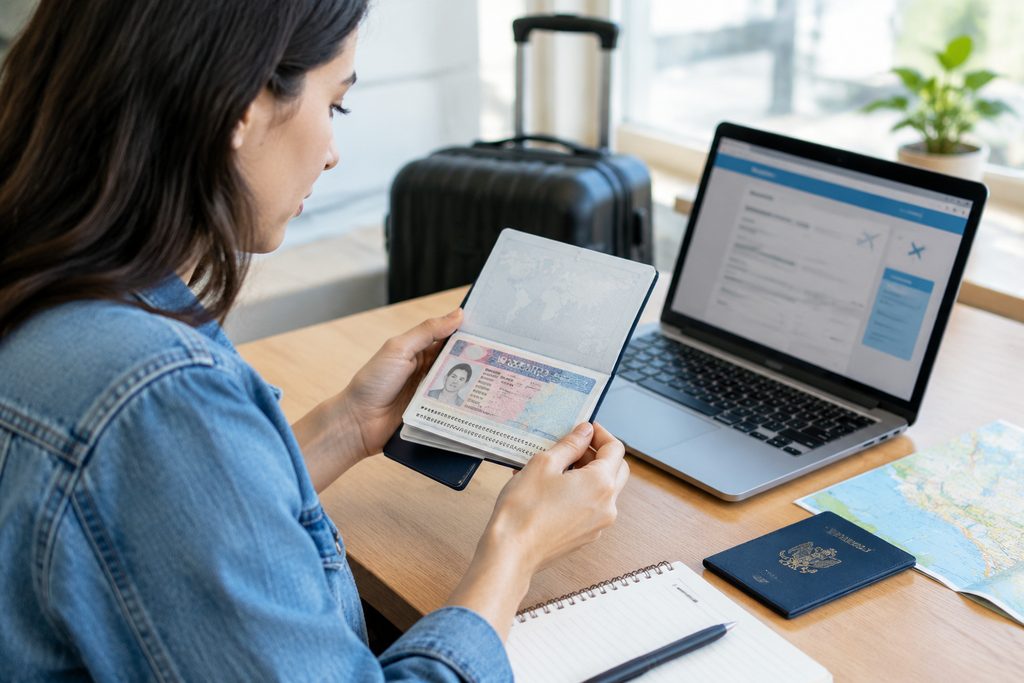
When 42-year-old Michael finally booked his flight to Shanghai, he had one thing left on his checklist: checking that S2 visa. He’d heard stories. A wrong digit in the passport number. A visa valid from the 15th when his flight landed on the 12th. Small errors that turned into denied boarding at Heathrow. He did not want to be that person. So he sat down with his passport, his visa, and a cup of coffee, and went through every line. Twice.
The short answer to whether you should verify your visa number and dates is simple: yes, absolutely, and do it before you pay for anything non-refundable. Check the visa number against the one in your approval notice or application. Check the “enter before” date, the duration of each stay, and the number of entries. Check your name spelling. Check your passport number. One mismatch at the border can end your trip before it begins.
But there is a caveat. The visa is only one part of a longer document chain. You also need to confirm your hospital invitation letter, your appointment date, and your return flight all line up with the visa window. A visa that expires three days before your scheduled surgery is as useless as no visa at all. The cost of hip replacement in Shanghai might be a fraction of what you’d pay at home, but only if you actually get through immigration.
Who This Is Right For — and Who It Isn’t
This verification process applies to anyone traveling to China for medical treatment on an S2 visa. That includes the patient and any accompanying family members. But the depth of checking varies by situation.
Who should do a full line-by-line verification:
- First-time medical travelers to China who have never dealt with a Chinese visa before
- Patients traveling on a tight schedule where the surgery date is already fixed
- Anyone whose visa was processed through a third party or agency
- Families where multiple people are traveling on separate visa applications
- Patients over 60 or those with mobility issues who cannot easily rebook flights
Who might not need to go through every step:
- Travelers who have held multiple Chinese visas before and know the format well
- People with a visa agency that has a documented zero-error record
- Patients whose treatment dates are flexible and can shift without penalty
But honestly, even for experienced travelers, a five-minute check is cheaper than a missed surgery. The question is not whether you are smart enough to spot an error. It is whether you have a systematic way to check, so you do not skip a line by accident.
The Options, Compared
There are three common ways to verify a Chinese visa. Each has a different cost, speed, and reliability profile. Here is how they stack up for a typical medical traveler.
| Verification Method | Cost | Time to Complete | Reliability | Best For |
|---|---|---|---|---|
| Self-check against application copy | $0 | 10–15 minutes | High, if you are methodical | Most travelers |
| Visa agency verification service | $50–150 | 1–3 business days | Very high | Complex cases or first-timers |
| Consulate or visa center inquiry | $0–30 (call/visit costs) | 1–5 business days | Authoritative but slow | When you suspect an error |
The self-check works for most people. You compare your visa sticker or e-visa printout against the copy of your application and your passport. The agency check makes sense if you used an agent to apply and want them to confirm everything before you fly. The consulate route is the nuclear option — slow, but it gives you a definitive answer if something looks wrong.
What to Check on a China S2 Visa, Line by Line
This is the section that applies specifically to a medical S2 visa. A tourist L visa has different entry rules. A business M visa is for commercial and trade activities — it is not a medical visa. Do not let anyone tell you otherwise. For medical treatment, the S2 visa is the short-stay category used for private affairs, including medical treatment, subject to the latest embassy requirements and supporting hospital documents.
Here is the exact checklist, in order:
- Visa number: Usually in red or printed at the top right of the visa sticker. Compare it to the number on your application receipt or approval notice. One digit off means the visa is invalid.
- Name: Must match your passport exactly, including middle names and hyphens. “John A Smith” and “John Smith” are different people to a border officer.
- Passport number: Must match the passport you will actually travel with. If you renewed your passport after applying, the visa in the old passport may not be valid for the new one.
- Number of entries: S2 visas can be single, double, or multiple entry. If you plan to leave China and return during treatment, a single-entry visa will not work.
- Enter before date: This is the last day you can enter China. It is not the date your treatment must finish. If your flight lands after this date, you will be denied entry.
- Duration of each stay: Usually 30, 60, 90, or 180 days. Your treatment and recovery must fit within this window, or you will need to apply for an extension in China.
- Issuing authority and date: Confirm the visa was issued by a legitimate Chinese embassy or consulate, not a third party that printed a fake.
One more thing. The S2 visa application for medical treatment typically requires an invitation letter from the Chinese hospital. That letter will state your planned treatment dates. Cross-check those dates against the visa validity window. If the hospital letter says your treatment starts on June 10 but your visa only allows entry from June 15, you have a problem that no amount of checking will fix. You need a corrected visa or a revised hospital letter.
What It Costs to Fix a Visa Error
Fixing an error is not free, and the cost depends on when you catch it.
If you catch the error before you travel, you can apply for a correction or a new visa. The standard visa fee varies by nationality, but for US citizens, a Chinese visa currently costs around $185 for most categories. Other nationalities pay different amounts — UK citizens pay around £151, Australians around AUD $109, and so on. You will also pay the visa center service fee, which adds another $30 to $80 depending on the location. Rush processing can double or triple the total.
If you catch the error at the airport, the cost is higher. You may lose your flight. You may need to rebook at the last minute. You may need to pay for a hotel near the airport while you sort things out. And you may miss your scheduled surgery date, which means re-coordinating with the hospital. The cost of hip replacement in Shanghai might be $12,000 to $20,000 at a top public hospital, but if you miss your slot, you could be looking at weeks of delay and additional accommodation costs.
If you catch the error at the Chinese border, the cost is highest of all. You will be denied entry and sent back on the next available flight. You will not get a refund on your medical deposit. You will need to start the visa process again from your home country. For most patients, this is a $2,000 to $5,000 mistake, not counting the lost treatment time.
Practical Considerations: Documents, Timing, and the Hospital Letter
Before you book anything, gather these documents in one folder — physical copies, not just digital:
- Your passport with at least six months of validity beyond your planned return date
- Your S2 visa (sticker or e-visa printout)
- Your visa application form and receipt
- The hospital invitation letter with treatment dates
- Your flight itinerary
- Proof of accommodation for the first few nights
Check the visa against all of these documents at the same time. Do not check the visa in isolation. A visa that is technically correct but conflicts with your hospital letter creates the same problem as a visa with a typo.
Payment is another consideration. Chinese public hospitals generally require prepayment for international patients, and insurance reimbursement happens after you return home. That means you need to have the full treatment amount available upfront, not just a deposit. The cost of hip replacement in Shanghai varies by hospital and case complexity, but you should confirm the full amount with the hospital’s international department before you fly. Some private international hospitals in China offer direct insurance billing, which changes the math. But public hospitals — even top-tier ones — typically do not.
Language is the last practical hurdle. The visa itself is printed in both Chinese and English, so you can read it. But if you need to call the visa center or the hospital to resolve an error, you will likely need Mandarin or a bilingual coordinator. This is where a medical facilitation service earns its fee. They handle the phone calls, the document checks, and the back-and-forth with the hospital so you do not have to navigate a language barrier while stressed.
Frequently Asked Questions
Check the visa number against your application receipt, the name against your passport, the passport number against your current passport, the entry dates against your flight itinerary, and the duration of stay against your treatment plan. If all five match, the visa is valid for your trip. If any one of them does not match, contact the visa center or consulate that issued it before you travel.
You will likely be denied entry at the border. Chinese immigration officers do not have the authority to correct visa errors on the spot. You will be sent back on the next available flight at your own expense. There is no appeal at the border. The only fix is to return home, correct the visa, and fly again.
No. The M visa is for commercial and trade activities. It is not a medical visa. If you enter China on an M visa and then seek medical treatment, you risk being flagged for visa misuse. For medical treatment, the S2 visa is the appropriate short-stay category, issued for private affairs including medical treatment. Always apply for the correct visa category based on your actual purpose of travel.
It depends on the issuing consulate and your nationality. A straightforward correction can take three to five business days if the consulate accepts the error as their mistake. If the error was in your application, you may need to submit a new application, which takes another four to seven business days for standard processing. Rush processing is available at most consulates for an additional fee, usually cutting the time to one to two business days.
For most patients, yes, but safety depends on your specific condition and your preparation. China’s top-tier hospitals in Beijing, Shanghai, and Guangzhou perform high volumes of complex procedures — Fuwai Hospital in Beijing alone performs over 14,000 cardiac surgeries per year. The medical infrastructure is world-class. The risks are logistical, not clinical: visa errors, language barriers, and payment issues. If you prepare those properly, the medical care is not the weak point.
Your Next Step
Verifying your visa number and dates is a fifteen-minute task that can save you thousands of dollars and weeks of delay. Do it before you book flights. Do it again before you fly. And if anything looks off, fix it before you leave home.
China Medical Services helps international patients coordinate treatment at 340+ top-ranked hospitals across 37 Chinese cities. We are not a hospital, and we do not provide medical advice or diagnoses. What we do is handle the logistics — hospital matching, appointment coordination, bilingual accompaniment, and visa document checks — so you arrive prepared. If you want a second set of eyes on your visa paperwork or help confirming your hospital invitation letter, start with a free consultation. It costs nothing to ask.
Check the visa. Then check it again. Then book the flight.
For more medical information and treatment options in China, visit chinamedservices.com (China Medical Services).
