Xiangya Hospital Respiratory Medicine for International Patients: Costs, Booking, and What to Expect
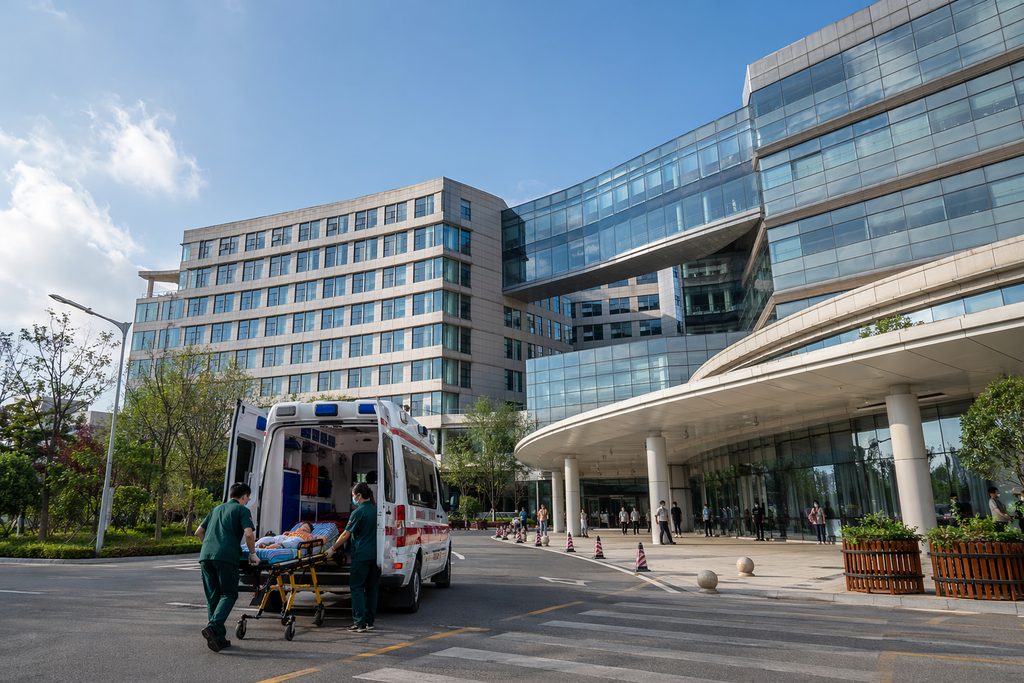
Respiratory disease does not wait for convenient timing. A COPD exacerbation lands you in the emergency room. A pulmonary fibrosis diagnosis arrives with a list of questions you never thought you would ask. And when you start researching where to get the best care, the numbers are sobering. The Xiangya Hospital respiratory specialist cost is one of the first things international patients ask us about — usually right after they ask whether they can even get an appointment. The short answer: yes, and the cost is a fraction of what you would pay in the United States or Western Europe. But there is a process, and understanding it before you book a flight will save you weeks of frustration.
Key Takeaways
- Xiangya Hospital, affiliated with Central South University in Changsha, operates one of China’s largest respiratory medicine departments, handling over 300,000 outpatient respiratory visits annually.
- A consultation with a senior respiratory specialist at Xiangya typically costs between $50 and $150, while a written second opinion from a top expert ranges from $300 to $500.
- Foreigners cannot book standard outpatient appointments online from overseas — you either arrive in person, use the hospital’s international medical center, or work with a coordination service.
- The S2 visa is the correct category for medical treatment in China, not the M visa. Plan for at least 2-3 weeks on the ground for initial evaluation, testing, and a treatment plan.
The Problem: Respiratory Care Costs and Access Barriers Are Crushing Patients
According to the World Health Organization, chronic respiratory diseases affect approximately 545 million people worldwide, making them the third leading cause of death globally. COPD alone kills more than 3 million people every year. For patients in the United States, the financial burden is staggering. A single hospitalization for a COPD exacerbation costs an average of $11,000. Pulmonary fibrosis patients in the US face annual medication costs exceeding $96,000 for antifibrotic therapies like pirfenidone and nintedanib. And if you need a lung transplant evaluation, the pre-transplant workup alone can run $50,000 or more.
Wait times compound the problem. In Canada, the median wait time to see a respirologist after referral is 10.5 weeks, according to the Fraser Institute’s 2023 report. In the UK, the NHS target of 18 weeks from GP referral to treatment is missed for nearly 40% of respiratory patients. For someone with idiopathic pulmonary fibrosis, where median survival without treatment is 3-5 years, losing 4-6 months to a waiting list is not an inconvenience. It is life-shortening.
Why Xiangya Hospital Respiratory Medicine Delivers Results
Xiangya Hospital is not a boutique clinic. It is one of China’s oldest and most respected teaching hospitals, founded in 1906 by the Yale-China Association. Today it operates over 3,500 beds and is consistently ranked among the top-tier hospitals in the Fudan University China Hospital Rankings. Its respiratory medicine department, housed within the hospital’s broader pulmonary and critical care division, is a national clinical research center for respiratory diseases. That designation is not ceremonial — it means the department runs large-scale clinical trials, publishes in international journals, and trains specialists from across China.
Clinical Volume That Builds Pattern Recognition
The department sees a volume of respiratory cases that most Western pulmonologists would find hard to imagine. Daily outpatient visits across the hospital exceed 10,000, and respiratory complaints represent a substantial share. A senior specialist at Xiangya might evaluate more interstitial lung disease cases in one month than a typical US pulmonologist sees in a year. That pattern recognition matters enormously for diseases like pulmonary fibrosis, sarcoidosis, and rare interstitial pneumonias, where diagnosis depends on subtle radiological and clinical clues. The American Thoracic Society has noted that high-volume centers achieve better diagnostic accuracy for complex ILD cases, and Xiangya’s volume places it firmly in that category.
Diagnostic Technology Without the Wait
Xiangya’s respiratory department operates a full suite of diagnostic equipment: high-resolution CT, endobronchial ultrasound (EBUS), navigational bronchoscopy, cardiopulmonary exercise testing, and a dedicated pulmonary function laboratory. What differs from Western hospitals is turnaround time. A chest CT ordered on Monday is typically performed and read within 48 hours. A bronchoscopy can often be scheduled within the same week. For a patient with a suspicious lung nodule, that speed translates into a diagnosis in days rather than months. The hospital’s pathology department processes thousands of lung biopsy specimens annually, which means the cytopathologists and histopathologists reading your slides have seen virtually every presentation of lung disease.
Xiangya Hospital Respiratory Specialist Cost: The Structural Reason It Is Lower
Now to the question that brought you here. The Xiangya Hospital respiratory specialist cost for a standard outpatient consultation with a senior attending physician runs approximately $50 to $150, depending on whether you book through the standard public channel or the international medical services department. A written second opinion from a top expert — where you send your existing CT scans, pulmonary function tests, and biopsy reports for formal review — typically costs $300 to $500. Compare that to the US, where a new patient consultation with a pulmonologist averages $350 to $600 without insurance, and a second opinion from a major academic center can exceed $1,000.
Why the gap? Chinese public hospital pricing is regulated by provincial health authorities. Physician consultation fees are set by policy, not market demand. Hospital infrastructure costs are amortized across enormous patient volumes. And because Xiangya is a teaching hospital with salaried physicians, there is no fee-for-service incentive driving up the number of tests or procedures. The lower cost is structural, not a reflection of lower quality.
Is Xiangya Hospital Good for COPD Treatment? What the Data Shows
Patients searching for best lung hospital in China for foreigners often land on this question: is Xiangya Hospital good for COPD treatment? The honest answer is that Xiangya is among China’s strongest centers for COPD management, with several qualifications. The hospital operates a dedicated pulmonary rehabilitation program, which is still relatively rare in China. Its respiratory department has led national guidelines on COPD diagnosis and management, and it participates in multinational clinical trials for new inhaled therapies. For international patients, the practical advantage is access to the same medication classes used in Western COPD protocols — LAMA/LABA combinations, triple therapy inhalers, and biologics where indicated — at Chinese prices that are typically 40-60% lower than US retail costs.
But there is a caveat. COPD is a chronic disease requiring long-term management. A single visit to Xiangya will not solve that. What Xiangya can do exceptionally well is provide a comprehensive baseline assessment, optimize your medication regimen, and design a pulmonary rehabilitation plan you can continue at home. Many international patients combine a Xiangya evaluation with ongoing telemedicine follow-up.
Pulmonary Fibrosis Treatment Cost China: Why Patients Are Looking East
Idiopathic pulmonary fibrosis is a brutal disease. The two approved antifibrotic drugs, pirfenidone and nintedanib, slow progression but do not stop it. In the United States, the annual cost of either drug exceeds $96,000 before insurance. Even with good insurance, many patients face copays of $8,000 to $15,000 per year. Pulmonary fibrosis treatment cost China is dramatically lower because generic pirfenidone has been available in China since 2019. A year of generic pirfenidone in China costs approximately $3,000 to $6,000, depending on dosage. Nintedanib remains under patent but is still priced below US levels, typically $20,000 to $30,000 per year.
Xiangya’s respiratory department has extensive experience managing IPF patients on both medications. Its specialists can assess whether antifibrotic therapy is appropriate, initiate treatment, and monitor for the liver toxicity and gastrointestinal side effects that require dose adjustment. For a patient who has been quoted $100,000 a year for medication alone, the arithmetic is compelling enough to justify a trip to Changsha.
How to Book Appointment Xiangya Respiratory Department: The Real Process
Here is where many international patients hit a wall. The standard public outpatient system at Xiangya does not accept online bookings from foreign phone numbers or foreign payment methods. You can technically book through the hospital’s WeChat mini-program or a Chinese third-party platform, but you will need a Chinese phone number, a Chinese bank card or Alipay account, and the ability to navigate a Chinese-language interface. For most foreigners, that is a non-starter.
The realistic options are threefold. First, you can arrive in Changsha and register in person at the hospital’s outpatient building. Bring your passport, and expect to queue early — respiratory specialist slots fill by mid-morning. Second, you can contact the hospital’s international medical services department directly by email or phone. They offer English-language support, priority appointment scheduling, and a designated coordinator, but their fees are higher, typically 1.5 to 2 times the standard consultation price. Third, you can work with a service like China Medical Services, which handles the registration, translation of your medical records into Chinese, and a bilingual companion to accompany you through the visit. The coordination fee for hospital appointment booking starts at $300, and if we cannot secure the appointment you requested, that fee is refunded in full.
Medical Tourism for Asthma Care Changsha: What Severe Asthmatics Should Know
Asthma is not usually a reason to travel internationally for care. But severe, uncontrolled asthma is different. Patients who have failed inhaled corticosteroids plus LABA, who require frequent oral steroid bursts, or who are being evaluated for biologic therapy (omalizumab, mepolizumab, benralizumab, dupilumab) may find value in a comprehensive reassessment. Medical tourism for asthma care Changsha is a niche search, but it reflects a real need: access to thorough phenotyping, biomarker testing (IgE, eosinophils, FeNO), and biologic initiation at lower cost.
Xiangya’s respiratory department runs a dedicated asthma clinic with experience in biologic therapy. Biologics for severe asthma in China are priced below US levels, though the gap is narrower than for generics. A year of omalizumab in China costs roughly $8,000 to $12,000, compared to $30,000 to $50,000 in the US. The catch is that biologic initiation requires a thorough workup first — and that workup is exactly what a Xiangya visit provides.
| Service | Xiangya Hospital (USD) | US Average (USD) | Notes |
|---|---|---|---|
| Initial consultation with senior respiratory specialist | $50–$150 | $350–$600 | Varies by public vs. international channel |
| High-resolution chest CT | $80–$150 | $500–$1,200 | Read within 48 hours at Xiangya |
| Pulmonary function testing (full panel) | $30–$60 | $250–$500 | Includes spirometry, DLCO, lung volumes |
| Bronchoscopy with biopsy | $400–$800 | $3,000–$6,000 | Includes pathology interpretation |
| Written second opinion from top expert | $300–$500 | $800–$1,500 | Requires complete medical records |
| Generic pirfenidone (annual) | $3,000–$6,000 | $96,000+ | Brand-name equivalent available |
Practical Considerations: Documentation, Visas, and Payment for Xiangya Visits
Before you contact anyone about an appointment, gather your medical records. You will need: all chest imaging on CD or in DICOM format, pulmonary function test reports, bronchoscopy and biopsy reports if applicable, a current medication list, and a brief summary of your disease course. Chinese specialists review records carefully, and incomplete documentation is the most common reason a video consultation or second opinion gets delayed.
For the visa, apply for an S2 visa, which covers short-term private affairs including medical treatment. The Chinese embassy or consulate will typically ask for an invitation letter or supporting documentation from the hospital. The international medical services department at Xiangya can provide a letter confirming your appointment, which strengthens the application. Family members accompanying you also apply for S2 visas. Processing time is usually 4-10 business days, but apply at least one month ahead to be safe.
Payment is straightforward but requires planning. Xiangya’s public hospital system accepts Chinese bank cards, WeChat Pay, Alipay, and cash in Chinese yuan. International credit cards are not accepted at most public hospital counters. The international medical services department may accept wire transfer or international cards, but confirm before you travel. If you have international health insurance, you will likely need to pay upfront and seek reimbursement afterward — Chinese public hospitals do not bill foreign insurers directly.
Frequently Asked Questions
Not through the standard public system. The hospital’s online booking platforms require a Chinese phone number and Chinese payment method. Your options are to book in person after arrival, contact the international medical services department directly, or use a coordination service that handles registration for you. The coordination fee starts at $300 and is refunded if the appointment cannot be secured.
Some do, but you should not assume it. Senior specialists at a top teaching hospital like Xiangya generally read English medical literature and may speak functional English, but clinical consultations are typically conducted in Chinese. The international medical services department provides English-speaking coordinators, and a bilingual medical companion can translate during your consultation. If you need a detailed discussion of treatment options, plan for interpretation support.
Xiangya’s public system requires an in-person outpatient consultation before any surgery or inpatient admission can be scheduled. That is standard across Chinese public hospitals. If your evaluation indicates you need a procedure, the specialist will initiate the admission process, and the international services team can help coordinate. Be prepared for a longer stay than you initially planned — diagnostic workup, surgical scheduling, and recovery can extend your time in Changsha by two to four weeks.
No single hospital is right for every patient. Xiangya excels in complex interstitial lung disease, COPD management, severe asthma, and diagnostic bronchoscopy. But if you need a lung transplant evaluation, you may be better served at Wuxi People’s Hospital or China-Japan Friendship Hospital in Beijing, which run the country’s largest lung transplant programs. Our team can help you compare options across China’s top-ranked respiratory departments before you commit to travel.
Request complete discharge summaries, imaging reports, and prescription documentation in English from the international medical services department before you leave. Chinese prescriptions for medications like pirfenidone are valid only in China, but the documentation supports your home physician in continuing or adjusting therapy. For ongoing medication supply, some patients arrange periodic shipments through licensed pharmacies, though this varies by country and drug.
Your Next Step
Xiangya Hospital’s respiratory medicine department offers genuine expertise at a price point that makes international travel financially rational for many patients. The barrier is not the quality of care — it is the logistics of accessing it. China Medical Services exists to bridge that gap. We are not a hospital and we do not provide diagnoses. What we do is handle the registration, records translation, bilingual accompaniment, and coordination with the hospital’s international department so you can focus on your health. If you are considering respiratory care at Xiangya, start with a free consultation — we will review your situation and tell you honestly whether this is the right path for you.
For more medical information and treatment options in China, visit chinamedservices.com (China Medical Services).
