Dermatology Care at Zhejiang University Hospital: Costs, Booking, and What International Patients Should Know
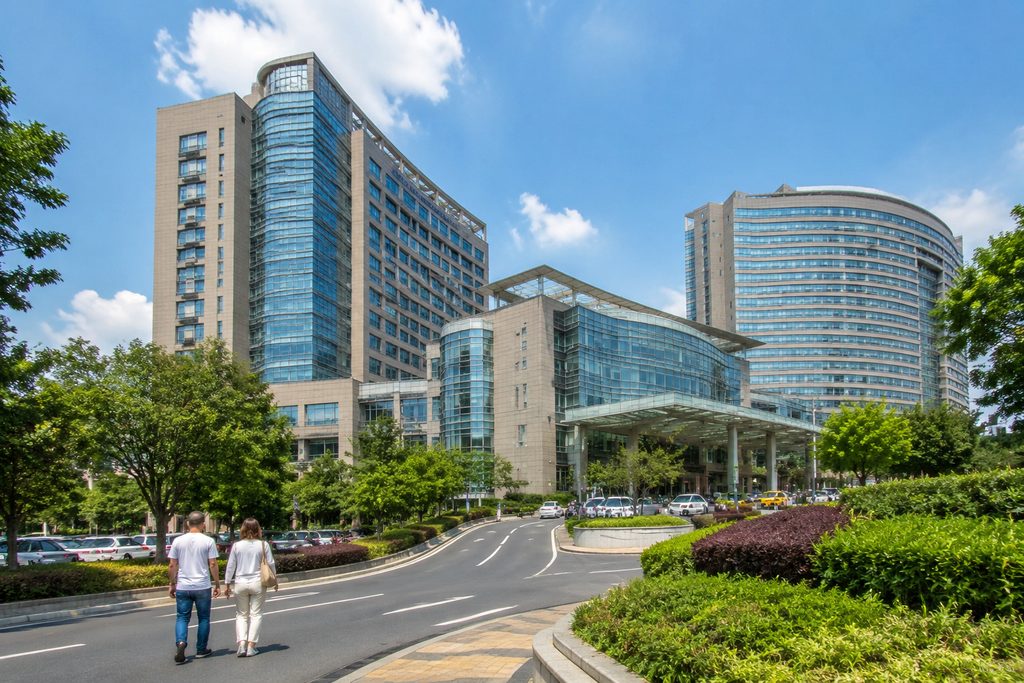
While a single biologic prescription for severe eczema can exceed $40,000 per year in the United States, a full consultation and treatment plan at the First Affiliated Hospital of Zhejiang University‘s dermatology department typically costs a fraction of that. The gap is not marginal. It’s structural. And for the 31.6 million Americans living with some form of eczema or the millions more dealing with psoriasis, vitiligo, and chronic urticaria, that gap is the difference between treatment and resignation.
This article breaks down the dermatology treatment cost First Affiliated Hospital Zhejiang University charges international patients, how the booking process actually works, and whether Hangzhou is the right destination for your skin condition. We work with patients every week who ask the same questions. The answers are rarely complicated. The logistics, however, require precision.
Key Takeaways
- Dermatology consultations at the First Affiliated Hospital of Zhejiang University (FAHZU) generally start from $50–150 for international patients, with full biologic treatment plans costing 70–85% less than US equivalents.
- FAHZU’s dermatology department handles over 400,000 outpatient visits annually, making it one of the highest-volume skin disease centers in eastern China.
- The public outpatient system does not accept advance bookings from overseas. International patients must use the hospital’s International Medical Center or a coordination service to secure appointments before traveling.
- You will need an S2 visa for medical treatment, not an M visa. M visas are for commercial trade only.
The Problem: Skin Disease Care Is Quietly Becoming Unaffordable in the West
Dermatology occupies a strange place in Western healthcare. It is simultaneously one of the most common reasons people see a doctor and one of the most expensive specialties for chronic conditions. The American Academy of Dermatology reports that skin diseases cost the US healthcare system approximately $75 billion annually in direct medical costs. For patients, the personal burden is sharper.
Take atopic dermatitis. Dupilumab, sold as Dupixent, carries a list price of roughly $3,800 per month in the US before insurance. Even with coverage, copays routinely run $500–1,000 monthly. A patient in the UK waits a median of 8–12 weeks just to see a dermatologist under NHS referral pathways, and biologic initiation can take another 6–9 months after that. Canada is not better. Wait times for dermatology consultations in Ontario average 10–14 weeks, with some regions reporting 6-month backlogs for non-urgent cases.
And the conditions themselves do not pause. Eczema flares. Psoriasis spreads. Vitiligo patches widen. Every month of delay means more topical steroid use, more sleepless nights, more social withdrawal. The clinical literature is unequivocal: early and consistent treatment changes long-term outcomes. The system, however, is not built for speed.
Why the First Affiliated Hospital of Zhejiang University Delivers Results
The First Affiliated Hospital of Zhejiang University is not a small dermatology clinic. It is a 3,000-bed academic medical center affiliated with one of China’s top five universities, located in Hangzhou, the capital of Zhejiang province. Its dermatology department sits among the largest in the country by both patient volume and clinical research output. For international patients weighing where to seek skin disease treatment abroad, the question is not whether this hospital can handle the case. The question is whether the case warrants the trip.
Clinical Volume That Western Dermatologists Rarely See
Volume matters in dermatology more than most patients realize. A dermatologist who sees 50 psoriasis patients a year develops a different pattern-recognition ability than one who sees 50 a week. FAHZU’s dermatology department records over 400,000 outpatient visits annually across its general clinics, specialty clinics, and inpatient wards. That is more than 1,000 patients per day during peak seasons.
This scale supports subspecialty clinics that many Western hospitals cannot sustain: a dedicated autoimmune blistering disease clinic, a pigmentation disorder center, a pediatric dermatology unit, and one of China’s busiest phototherapy suites. For a patient with a complex or treatment-resistant condition, this concentration of experience is the clinical argument for traveling. You are not just accessing a doctor. You are accessing a system that has seen your disease thousands of times.
Access to Biologics and Advanced Therapies Without the Wait
China’s dermatology drug market has transformed since 2019. Nearly every major biologic for psoriasis and atopic dermatitis is now approved and available domestically, including secukinumab (Cosentyx), ixekizumab (Taltz), guselkumab (Tremfya), and dupilumab (Dupixent). Several of these are manufactured in China or have domestic biosimilars, which drives prices down substantially.
But the more important difference for international patients is the prescribing pathway. In the US, step therapy requirements often force patients to fail methotrexate or cyclosporine before insurers approve biologics. In China, specialists at major academic centers have more direct prescribing latitude. A patient who has already failed conventional therapy in their home country can often move straight to biologic treatment after evaluation at FAHZU. The hospital’s dermatology department participates in multiple international clinical trials and maintains its own biologic therapy registry, tracking long-term outcomes for thousands of patients.
Cost Advantage Without Quality Compromise
The dermatology treatment cost First Affiliated Hospital Zhejiang University charges is not low because care is inferior. It is low because China’s healthcare labor costs are structurally different and the hospital operates at a scale that amortizes equipment and infrastructure efficiently. A specialist consultation that costs $250–400 in the US costs $50–150 at FAHZU’s International Medical Center. A narrowband UVB phototherapy session that costs $80–150 in the US costs $15–30 in Hangzhou. A year of secukinumab that costs $70,000–80,000 in the US can be prescribed and administered in China for $8,000–15,000 depending on the specific product and dosing schedule.
Quality benchmarks tell the same story. FAHZU is consistently ranked among China’s top 10 hospitals in the Fudan University hospital rankings, the country’s most authoritative independent assessment. Its dermatology department holds national key discipline status and trains dermatology residents from across Asia. JCI accreditation at the International Medical Center means patient safety protocols meet international standards. The cost difference is real. The quality difference is not.
How the Booking Process Actually Works for International Patients
Here is the part most articles gloss over. You cannot simply email the hospital and book a dermatology appointment. The public outpatient system operates on a same-day registration model: patients queue at 6am, take a number, and see whichever specialist is on duty. That works for locals. It does not work for someone flying in from Dubai or London.
For international patients, the pathway runs through the hospital’s International Medical Center. This is a separate facility within the FAHZU campus that offers English-speaking staff, scheduled appointments, and coordinated care. But even here, bookings are not made through a public online portal. You either call the center directly, which requires Mandarin or a very patient English speaker on the other end, or you work with a coordination service that has established relationships with the center’s scheduling desk.
The typical timeline looks like this:
- Days 1–3: Submit medical records, current medications, and a brief history. A dermatology specialist reviews the case.
- Days 3–7: The International Medical Center confirms an appointment slot, usually within 1–2 weeks of request.
- Days 7–14: Patient applies for an S2 visa with the hospital’s invitation letter and supporting documents. Processing times vary by embassy.
- Day of appointment: Patient arrives at the International Medical Center, sees the assigned dermatologist, and receives a written treatment plan.
The critical point: advance booking through the public system is not possible. If you arrive in Hangzhou without a confirmed International Medical Center appointment, you will be standing in the same queue as 10,000 local patients. That is not a viable strategy.
What Skin Conditions Are Worth Traveling to Hangzhou For
Not every rash justifies an international flight. But several conditions do, particularly when the local standard of care has failed or become unaffordable.
Moderate to severe psoriasis. If you have failed topical therapy and phototherapy, and your insurance will not approve biologics, China’s pricing changes the math. A full evaluation plus biologic initiation at FAHZU typically costs less than two months of US out-of-pocket biologic copays.
Chronic atopic dermatitis. For patients who have cycled through steroids, calcineurin inhibitors, and antihistamines without sustained relief, dupilumab or JAK inhibitors prescribed in China can reset the disease trajectory. The hospital’s dermatology team runs a dedicated atopic dermatitis clinic with standardized treatment protocols.
Vitiligo and pigmentation disorders. FAHZU’s pigment clinic offers combination therapy including narrowband UVB, topical calcineurin inhibitors, and surgical melanocyte transplantation for stable vitiligo. This last option is rarely available outside academic centers in the West.
Autoimmune blistering diseases. Pemphigus and bullous pemphigoid require long-term immunosuppression and careful monitoring. The department’s blistering disease clinic follows hundreds of active patients and manages complex cases with rituximab and IVIG protocols.
For routine acne, mild eczema, or a suspicious mole check, the trip is harder to justify. The cost savings on a single consultation will not offset airfare and accommodation. But for chronic, treatment-resistant, or biologically managed conditions, the economics shift decisively.
| Treatment | US Typical Cost (USD) | FAHZU International (USD) | Savings |
|---|---|---|---|
| Specialist consultation | $250–400 | $50–150 | 60–80% |
| Narrowband UVB session | $80–150 | $15–30 | 75–85% |
| Biologic (annual, secukinumab) | $70,000–80,000 | $8,000–15,000 | 80–90% |
| Skin biopsy with pathology | $500–1,200 | $80–200 | 75–85% |
| Vitiligo melanocyte transplant | $8,000–15,000 (limited availability) | $2,000–4,000 | 60–75% |
Figures are indicative ranges for international patients at the International Medical Center. Final pricing varies by hospital and case complexity.
Is Dermatology Treatment in China Safe for Foreigners?
The short answer is yes, provided you are treated at a top-tier academic center. The longer answer requires understanding what “safe” means in a Chinese hospital context.
Safety in dermatology has three components: diagnostic accuracy, medication authenticity, and procedural sterility. On all three, FAHZU performs at international standards. The pathology lab processes tens of thousands of skin biopsies annually with standardized reporting protocols. All biologics are sourced through hospital pharmacies with government-regulated supply chains—counterfeit medication is not a meaningful risk at this tier of institution. And procedural suites follow the same infection control standards you would find at a US academic medical center.
What does differ is the communication environment. Outside the International Medical Center, few staff speak English. Signage is primarily in Chinese. The hospital is enormous—patients routinely walk 10–15 minutes between departments. For a foreigner navigating this alone, the friction is real. This is where the question is dermatology treatment in China safe for foreigners intersects with logistics: the medicine is safe. The navigation is the challenge.
We tell patients this directly: if you are comfortable with a bilingual companion or have a Mandarin-speaking contact, the public system is navigable. If you do not, use the International Medical Center or a coordination service. The cost difference between the two pathways is modest. The stress difference is enormous.
Practical Considerations: Visas, Payment, and Records for Hangzhou Dermatology Care
Getting the medical details right is half the job. The other half is paperwork and logistics. Here is what actually matters.
Visa category. You need an S2 visa for short-term medical treatment in China. The hospital’s International Medical Center will issue an invitation letter confirming your appointment, which you submit with your visa application. Family members accompanying you apply for their own S2 visas. Do not apply for an M visa—that is for commercial and trade activities, and using it for medical treatment can create problems at immigration. S2 visas are typically issued for 30–90 days, which covers most dermatology evaluations and initial treatment plans.
Payment methods. The International Medical Center accepts international credit cards, but the public hospital system generally requires cash, Chinese bank cards, or WeChat Pay/Alipay. If you are moving between the two systems, carry RMB cash. International wire transfers are possible for larger treatment packages but require advance arrangement. Hospital fees are paid upfront—there is no post-treatment billing cycle as in the US.
Insurance and reimbursement. Most Western insurance plans do not directly reimburse Chinese hospital charges. You pay out of pocket, then submit itemized receipts to your insurer. The International Medical Center provides English-language itemized invoices specifically for this purpose. If your plan has out-of-network international coverage, reimbursement rates of 50–80% are common. Check your policy’s international coverage clause before committing.
Medical records. Bring everything: biopsy reports, pathology slides if available, current medication lists with dosages, and a summary of failed treatments. Chinese dermatologists rely heavily on clinical history when making treatment decisions, especially for biologic initiation. A one-page timeline of your condition—onset, treatments tried, response, current status—will make the first consultation dramatically more productive.
Follow-up after returning home. Most dermatology treatment plans initiated in China require ongoing monitoring. Biologics need periodic lab work. Phototherapy requires continued sessions. Before leaving, ask your FAHZU dermatologist for a written treatment plan that a home-country dermatologist can continue. The hospital’s International Medical Center can also arrange video follow-up consultations, typically $100–300 per session, for patients who want continuity with the same specialist.
Frequently Asked Questions
You cannot book through the public outpatient system from overseas. The pathway is through the hospital’s International Medical Center, which accepts advance bookings for international patients. You submit medical records, the center confirms a specialist and appointment slot, and you travel with that confirmation in hand. A coordination service can handle this process if you prefer not to navigate the Chinese-language phone system yourself.
At FAHZU’s International Medical Center, a specialist consultation runs $50–150. A full evaluation with necessary testing (blood work, skin scraping, biopsy) typically totals $200–500. Biologic treatment initiation, including the first doses and monitoring, generally ranges from $1,500–3,000 depending on the specific drug. These are indicative ranges—final costs vary by hospital and case complexity.
For moderate to severe eczema that has failed conventional therapy, Chinese academic centers offer the same biologic and JAK inhibitor treatments available in the West, often at 80–90% lower cost. FAHZU’s atopic dermatitis clinic follows standardized international treatment protocols. The medication is the same. The price is not. Patient satisfaction data from international patients treated in Hangzhou for chronic eczema shows outcomes comparable to Western academic centers, with the primary reported challenge being language and navigation rather than clinical quality.
This is a legitimate concern. The mitigation is a written treatment plan and a scheduled video follow-up with your FAHZU dermatologist. The International Medical Center offers remote consultations, and your home-country dermatologist can implement the plan. For biologic patients, the hospital will provide documentation of the prescribed regimen so your local provider can continue prescribing if regulatory approval exists in your country.
Shanghai has excellent dermatology departments at Huashan Hospital and Ruijin Hospital, and for some complex cases, Shanghai’s broader international medical infrastructure may be preferable. But Hangzhou offers comparable clinical quality at generally lower service costs, and FAHZU’s dermatology volume is among the highest in the region. The best hospital for skin disease treatment Shanghai international patients often cite depends on the specific condition—for pigmentation disorders and autoimmune blistering diseases, FAHZU is arguably the stronger choice. For general dermatology, either city works well.
Your Next Step
The decision to travel abroad for dermatology care is not one to make lightly. But for patients facing years of biologic copays, endless waitlists, or treatment plans their local system will not approve, Hangzhou represents a legitimate alternative. We help international patients navigate this process—from record review and appointment coordination to visa guidance and on-the-ground bilingual support. We are not a hospital, we do not diagnose or treat, and we never promise outcomes. What we do is make the logistics manageable so you can focus on the medicine. If you are considering dermatology treatment at the First Affiliated Hospital of Zhejiang University, start with a free consultation to discuss your case and whether this pathway makes sense for you.
For more medical information and treatment options in China, visit chinamedservices.com (China Medical Services).
