First Affiliated Hospital of Zhejiang University: A Guide for International Patients
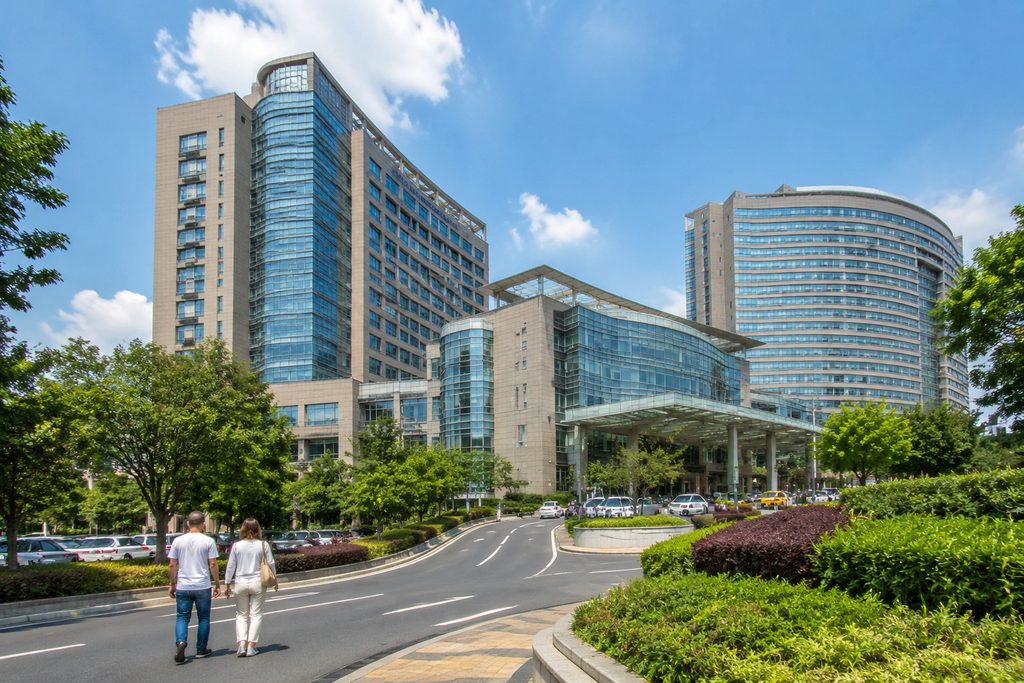
While patients in Canada wait a median of 28.6 weeks for orthopedic surgery, a top Hangzhou hospital can move a foreign patient from first email to in-person consultation in under three weeks. That gap is not a marketing claim. It is the difference between a single-payer queue and a system built to process volume. For anyone weighing the First Affiliated Hospital of Zhejiang University international patients pathway, understanding how that volume actually works is the first real step.
This hospital sits inside the First Affiliated Hospital, Zhejiang University School of Medicine — one of China’s largest academic medical centers and a fixture in the Fudan rankings. Foreigners often reach it through the international department, which handles English-language coordination. Below is how the process runs, what it costs, and where it can stall.
How This Actually Works, Step by Step
Start with what you already have. Most patients arrive holding a folder of imaging, lab work, biopsy reports and a diagnosis — or sometimes just symptoms and no clear answer. That material is the entry point.
Step one: send your existing examination reports. We translate the key documents into Chinese and route them to the relevant specialty at the hospital. A hepatobiliary surgeon reads a liver case. A nephrologist reads a kidney case. The right eyes, not a generalist.
Step two: a written second opinion comes back. This is analysis and direction — what the Chinese team sees in your imaging, whether the proposed treatment matches what they would do, and what alternatives exist. It is for reference only, not a prescription.
Step three, if useful: a video consultation. You speak with the specialty team directly, explain your symptoms and goals, and hear their recommendations in real time with interpretation.
Step four: if a plan looks feasible and you agree, coordination begins. That covers the S2 visa paperwork, appointment scheduling, arrival logistics and bilingual accompaniment. Admission itself always stays subject to hospital rules.
One rule catches people off guard. Standard outpatient departments at Chinese public hospitals cannot be pre-booked from overseas. You queue on the day. Surgery is scheduled only after an in-person consultation. To lock in a specialist and English service ahead of travel, you go through the international or VIP channel — priced at roughly 1.5 to 2 times the standard route.
What the First Affiliated Hospital of Zhejiang University Offers International Patients
The hospital anchors Hangzhou’s medical landscape, and Hangzhou is one of 37 cities in our network. Its strengths cluster in hepatobiliary surgery, organ-related specialties, oncology and emergency medicine.
For a foreigner, the practical question is not prestige. It is access. Can you reach a named specialist, in your language, without a local fixer? The international department exists for exactly that. English-speaking coordinators, a defined intake process, and a paper trail you can follow.
Hangzhou itself helps. It is a two-hour high-speed train from Shanghai, has a large expatriate community, and is far less overwhelming than Beijing or Shanghai for a first medical trip. Our Hangzhou city page lists the hospitals we work with there.
Compare it against the national picture. Our database covers 340+ top-ranked hospitals across 37 cities — the top 5% of China’s 35,000+ hospitals, ranked by Fudan and JCI. Hangzhou’s flagship sits comfortably in that tier. If your case needs a subspecialty it does not lead in, we say so and point elsewhere.
A Realistic Timeline
Optimism is easy to sell. Accuracy is more useful. Here is how the calendar usually runs, with the waiting steps people forget.
| Stage | Typical Duration | What Causes Delay |
|---|---|---|
| Document collection and translation | 3–10 days | Missing slides, illegible scans, hospital records requests |
| Written second opinion | 3–7 days | Specialist availability; complex pathology review |
| Video consultation scheduling | 5–14 days | Time zone matching; interpreter booking |
| Appointment coordination | 1–3 weeks | Department lead time; VIP channel availability |
| S2 visa processing | 1–3 weeks | Consulate workload; invitation and hospital documents |
| Travel and arrival | 1–3 days | Flight routing; jet lag before consultation |
| In-person consult to admission decision | 2–10 days | Additional imaging or labs ordered on site |
Realistic total from first email to sitting in front of a specialist: three to eight weeks. Rush cases compress. Complicated ones stretch. Anyone promising a fixed date is guessing.
What Can Go Wrong — and What Happens Then
The honest failure modes matter more than the success stories.
The plan changes after arrival. A surgeon reviews your scans remotely, then examines you in person and sees something the imaging missed. The proposed operation shifts, or gets postponed pending more tests. Recourse: nothing dramatic — you get a revised plan and a new decision point. This is medicine, not logistics.
The specialist is unavailable. Senior surgeons travel, operate and teach. A requested date may not hold. Our coordination terms are explicit: if we cannot secure the appointment shown in your order, the coordination fee is refunded in full. We do not promise a specific named surgeon or a specific surgery date.
Visa timing slips. Consulates get busy. Documents get rejected for small errors. Recourse: apply early, use the correct category — S2 for short-stay medical treatment, S1 if you expect to stay beyond 180 days. Accompanying family members also apply under S2. The M visa is for commercial and trade activity and has nothing to do with medical travel; anyone who tells you otherwise is wrong.
The case is not treatable here. Sometimes the answer is no. The specialty reviews your file and concludes the treatment you want is not appropriate, or not better than what you have at home. Recourse: you have spent a few hundred dollars on a second opinion instead of thousands on a wasted trip. That is the point of staging.
No service can promise admission, treatment success, priority access or a clinical outcome. Any provider who does is misrepresenting how hospitals work.
Costs, and the Transplant Question
Cost is why most patients start looking. Same operation, different price tag. A cardiac bypass at a top Chinese public hospital runs roughly $12,000–20,000 against $120,000+ in the United States. That is the general shape of the gap: one-fifth to one-tenth of US pricing for comparable procedures, varying by hospital and case complexity.
Transplant queries come up constantly, and they need straight answers. People search for liver transplant cost China figures, ask how much does kidney transplant cost in China, and want to know is liver transplant safe in China. The honest response: solid-organ transplantation is governed by strict national rules on donation and allocation, and foreign-patient access is tightly limited. We do not broker organs, quote transplant prices, or imply that a foreigner can skip a waitlist. If your case involves transplantation, your first conversation should be with the hospital’s own transplant team about eligibility — not with an intermediary.
What we can do is get your existing records in front of the right specialty and return a written opinion on whether transplantation is even the right question for you.
How to Judge Whether This Hospital Fits Your Case
Three questions sort it out.
Does the specialty match? A world-class hospital is not world-class in everything. Check the department, not the brand. Our department pages list the top-ranked hospitals by specialty across 45 fields.
Is the channel right? Standard outpatient means queuing and no English support. The international channel costs more and delivers predictability. For a short trip with a serious problem, the premium usually pays for itself in saved days.
Do you need this hospital specifically? Sometimes a private international hospital in the same city — JCI-accredited, English-speaking staff, direct insurance billing — fits a simpler case better. Our private hospital directory covers those options.
Mistakes we see repeatedly: sending incomplete records and expecting a real opinion; booking flights before a plan exists; assuming insurance will reimburse without checking; and treating a second opinion as a formality rather than a decision tool.
Practical Considerations: Records, Visa, Payment, Language
We do not quote transplant pricing, and you should be cautious of anyone who does. Solid-organ transplantation is subject to strict national allocation rules, and foreign-patient access is limited. Discuss eligibility directly with the hospital’s transplant team.
Top Chinese academic hospitals perform very high surgical volumes with outcomes that compare well internationally. Safety depends on your specific case, the department and the surgeon. A written second opinion and a video consultation are sensible ways to assess fit before committing to travel.
You keep the written opinion and the information. Consultation fees are credited in full toward on-the-ground coordination if you proceed within 90 days — a one-time credit applied to the coordination fee, never to hospital treatment charges.
Your Next Step
The core message is simple: stage your decision. Get your records reviewed before you buy a plane ticket, and let the clinical picture drive the logistics rather than the reverse.
China Medical Services is a coordination and information service, not a medical provider. We do not diagnose, treat or guarantee outcomes, and we do not sell access to organs or priority queues. What we do is connect you with the right specialty, translate your file, arrange consultations and support you on the ground. If you want a straight assessment of whether this hospital fits your case, start with a free consultation — no pressure, and no obligation to travel.
Frequently Asked Questions
Yes. The hospitals used for international patients are JCI-accredited and follow the same international safety standards as top hospitals in the US and Europe. Surgical teams perform high volumes of procedures — often more than their Western counterparts — which studies show leads to better outcomes.
Costs vary by procedure and hospital, but international patients typically save 40-80% compared to US prices — even when factoring in travel and accommodation. A consultation with our team will give you an exact, all-inclusive quote with no hidden fees.
Send us your existing medical reports to get started. We handle everything from hospital selection and appointment scheduling to visa assistance and post-operative recovery planning. Your medical records are reviewed by the specialist before you even book a flight.
For more medical information and treatment options in China, visit chinamedservices.com (China Medical Services).
