First Affiliated Hospital Zhejiang University: GI Care for Foreigners
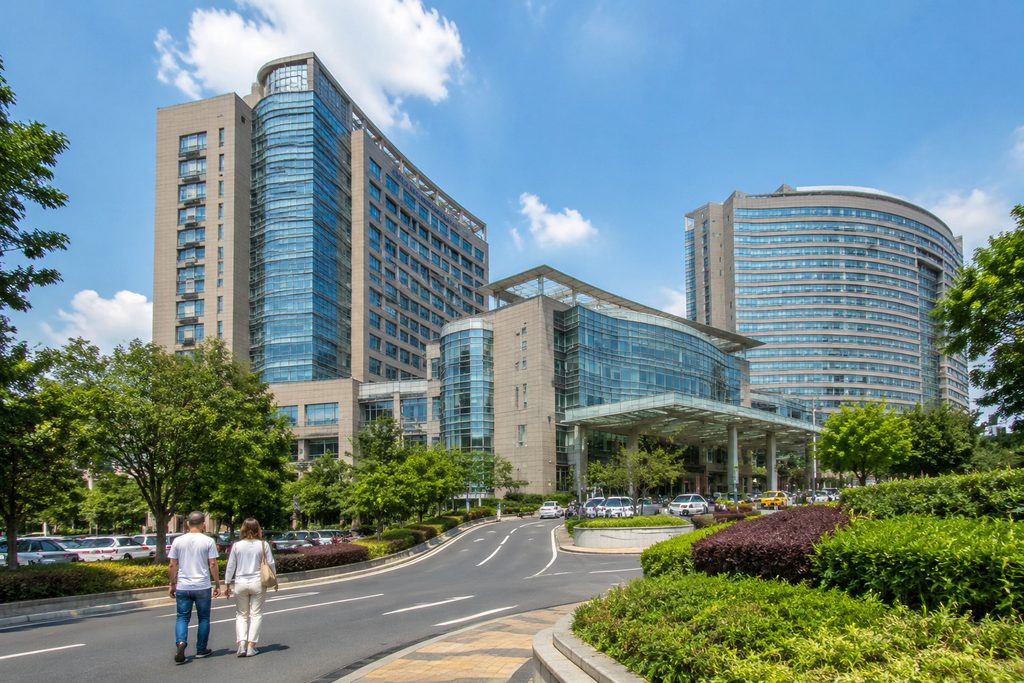
First Affiliated Hospital Zhejiang University Gastroenterology: The Short Answer
Have you been putting off a colonoscopy or struggling with digestive symptoms that no one back home can explain? The First Affiliated Hospital of Zhejiang University (FAHZU) runs one of China’s largest gastroenterology departments, and for international patients, a high-definition gastroscopy typically costs between $350 and $700 while a colonoscopy runs $500 to $900 through the hospital’s international clinic. That’s before sedation, pathology, or any therapeutic procedure.
The caveat: you cannot simply email the hospital and book a scope for next Tuesday. Public hospitals in China operate on a same-day registration system for routine outpatient visits, which means the practical path for a foreigner is either navigating a Chinese-language app on the ground or working through a coordination service. The clinical quality is real. The logistics are the friction point.
Who This Is Right For — and Who It Isn’t
FAHZU’s gastroenterology team makes the most sense for a specific profile of patient. You are a good candidate if:
- You live in China or travel to Hangzhou regularly and need diagnostic endoscopy at a fraction of US or European private rates
- You have chronic GI symptoms — reflux, suspected H. pylori, unexplained bloating, family history of colorectal cancer — and want a thorough workup
- You need a second opinion on a digestive disease diagnosis and prefer a high-volume academic center
- You are comfortable with a hospital environment where most front-line staff speak Mandarin and you will need translation support
You should think twice if you require a purely English-speaking, Western-style clinic experience from the moment you walk in. FAHZU is a public teaching hospital. The international department smooths things considerably, but the main hospital floors are busy, loud, and fast-moving. If you have an acute GI emergency, go to the nearest emergency department — do not fly to Hangzhou. And if your condition is rare and you already have a specialist team at home, a remote written second opinion may serve you better than an in-person visit.
The Options, Compared
When foreigners in Hangzhou need gastroenterology care, they are choosing between three realistic paths. Here is how they stack up.
| Option | Typical Gastroscopy Price | English Support | Booking Lead Time | Best For |
|---|---|---|---|---|
| FAHZU International Clinic | $350–$700 | Basic to moderate | 3–10 days with coordination | High clinical volume, academic expertise |
| Private international hospital in Hangzhou | $800–$1,800 | Full | 1–3 days | Maximum comfort, direct insurance billing |
| Public hospital standard outpatient | $150–$350 | Minimal | Same-day registration, then next available scope slot | Budget-first, Mandarin-speaking patients |
The private route wins on language and speed. FAHZU wins on clinical volume and cost. The standard outpatient route is cheapest but genuinely difficult without Chinese language ability. Most international patients land in the middle column — the international clinic — because it balances expertise with accessibility.
What Makes FAHZU Gastroenterology Different
Zhejiang University’s affiliated hospital system treats a staggering volume of digestive disease. The gastroenterology department at FAHZU handles tens of thousands of endoscopic procedures annually, which matters for two reasons. First, procedural volume correlates with polyp detection rates and complication management experience. Second, a high-volume center sees the atypical presentations that smaller clinics miss.
The department covers the full spectrum: diagnostic and therapeutic endoscopy, endoscopic ultrasound, ERCP for biliary and pancreatic disease, inflammatory bowel disease management, and early GI cancer screening. Hangzhou sits in a region with elevated gastric cancer incidence, which means local endoscopists are trained to spot subtle mucosal changes — a skill set that directly benefits anyone getting a screening scope here.
For context on where FAHZU sits nationally, see our guide to Fudan-ranked top hospitals across China. The hospital consistently appears in the top tier of comprehensive rankings.
How to Make an Appointment at First Affiliated Hospital Hangzhou as a Foreigner
The mechanics are the part most people get wrong. Here is the honest sequence:
Step one: prepare your records. If you have prior endoscopy reports, biopsy results, imaging, or a referral letter, get them translated into Chinese or at minimum have a clear English summary. The reviewing physician needs to know why you are scoping.
Step two: choose your access channel. The FAHZU international clinic accepts foreign patients, but you still need someone to register you, create a hospital medical card, and book the specific gastroenterology slot. This is where a bilingual coordinator or the hospital’s international office earns its value. Walk-in registration at the main hall without Chinese support is a recipe for a wasted morning.
Step three: the face-to-face consultation. Chinese public hospitals require an in-person outpatient visit before scheduling most procedures. The gastroenterologist will assess you, order the scope, and then you book the endoscopy slot. This is not optional — it is the standard pathway.
Step four: the procedure and follow-up. You will need to fast, possibly complete bowel prep for colonoscopy, and arrange someone to accompany you if sedation is used. Results typically come same-day for visual findings; pathology takes 5–10 working days.
If this sequence sounds manageable, it is. If it sounds like a full-time job, that is what coordination services exist for. Our team handles registration, translation, and accompaniment — more on that at the end.
What It Costs: Gastroenterology Pricing for International Patients
The question every foreign patient asks first is the cost of endoscopy in Hangzhou for foreigners. The honest answer: it depends on which channel you use and what they find.
A straightforward diagnostic gastroscopy through the FAHZU international clinic lands between $350 and $700. Colonoscopy runs $500 to $900. Sedation adds $80 to $150. If a polyp is removed, add $100 to $500 depending on size and technique. Pathology on biopsies costs $50 to $150 per specimen. A combined gastroscopy and colonoscopy under one sedation session usually falls between $800 and $1,400.
Compare that to the United States, where an uninsured diagnostic colonoscopy commonly bills at $2,500 to $5,000, or the UK, where private gastroscopy starts around £1,500. Even with flights and a hotel in Hangzhou, many patients come out ahead — especially if they need both scopes or a therapeutic procedure.
Prices vary by hospital and case complexity. The international clinic charges more than the standard outpatient route because it includes English coordination, shorter waits, and senior physician access. That premium is typically 1.5 to 2 times the standard rate, which is still far below Western private pricing.
Practical Considerations: Records, Visa, Payment, and Language
Before you book a flight to Hangzhou, sort out these logistics.
Records and documentation. Bring every relevant medical document. Prior endoscopy images, pathology slides if available, current medication list, and any known allergies. Chinese physicians rely heavily on objective findings; a well-organized file shortens your consultation considerably.
Visa. Foreigners traveling to China for medical treatment typically apply for an S2 visa with a treatment purpose noted. Family members accompanying you also use S2. The hospital can provide a supporting letter once your appointment is confirmed. Requirements shift, so check the latest guidance from your nearest Chinese embassy or consulate before applying. We never guarantee approval — we help you assemble the right documents.
Payment. Public hospitals in China, including FAHZU, operate on prepayment. You deposit funds at registration, and costs are deducted as services are rendered. Bring a card that works internationally or sufficient cash. Most international insurance plans reimburse after the fact rather than settling directly with Chinese public hospitals, so budget for out-of-pocket payment and claim later.
Language. The international clinic has English-speaking staff, but once you step onto the main endoscopy floor, expect Mandarin. Signage is often bilingual in major hospitals, but verbal communication with nurses and technicians frequently is not. A bilingual companion solves this. If you speak zero Mandarin and are traveling alone, factor this in honestly.
Follow-up after returning home. Get written reports and digital copies of all images before you leave Hangzhou. Chinese hospitals provide discharge summaries and endoscopy reports, but requesting the raw image files on the spot saves you a frustrating international phone call later. Your home gastroenterologist will want to see the actual images, not just the written interpretation.
Is Zhejiang University Hospital Good for Digestive Diseases?
The short answer: yes, by any objective measure. FAHZU’s gastroenterology department ranks among the strongest in eastern China, and the hospital itself sits in the top tier of the Fudan comprehensive rankings. But “good” means different things to different patients.
If you define good as clinical capability, diagnostic accuracy, and procedural volume, FAHZU delivers. The endoscopists here see more upper GI pathology in a month than many Western gastroenterologists see in a year, simply because of regional disease patterns and patient volume.
If you define good as hotel-like comfort, unhurried consultations, and seamless English communication, a private international hospital in Shanghai or Hangzhou will serve you better. See our overview of JCI-accredited private hospitals for that comparison. The honest read: FAHZU offers elite clinical medicine with public-hospital friction. Whether that trade-off works depends on your priorities.
Book Colonoscopy China International Medical Service: What Coordination Actually Costs
If you want someone to handle the registration, translation, and accompaniment, expect to pay for that labor. A bilingual medical companion in Hangzhou starts from $300 per day. Hospital appointment coordination starts from $300. A written second opinion from a specialist runs $300 to $500. These are service fees on top of hospital charges, and any coordination fee is credited in full toward on-the-ground service if you proceed to in-person care within 90 days.
Is it worth it? That depends on your comfort with Chinese-language logistics. Some expats living in Hangzhou navigate FAHZU independently after their first visit. First-time visitors almost always find the coordination pays for itself in saved time and avoided confusion.
Frequently Asked Questions
Not directly through the public registration system. The hospital requires an in-person outpatient consultation before scheduling a scope. What you can do from abroad is arrange the initial consultation through the international clinic or a coordination service, then fly in for the consultation and procedure in one trip. Budget 5 to 10 days in Hangzhou if you need both a consultation and a colonoscopy.
Hangzhou pricing at FAHZU’s international clinic runs slightly below comparable international departments at top Shanghai hospitals, typically 10 to 20 percent less for the same procedure. Shanghai has more private international hospital options with full English service, but those cost more. If your priority is clinical quality per dollar, Hangzhou is competitive. If your priority is a fully Western-style experience, Shanghai’s private sector wins.
Most international health insurance plans reimburse diagnostic endoscopy in China, but you will likely pay upfront and claim afterward. Chinese public hospitals do not direct-bill most foreign insurers. Request itemized invoices and all reports at discharge — your insurer will ask for them. Check your policy’s overseas treatment clause before committing.
If a lesion is found, the FAHZU team will discuss next steps — additional imaging, endoscopic resection, or surgical referral. You are never obligated to continue treatment at FAHZU. Take the pathology results and images, get a written summary, and consult your home physician or seek a second opinion. Chinese hospitals are experienced with international patients who complete diagnostics in China and treatment elsewhere.
For expats living in Zhejiang, FAHZU is the obvious choice. Nationally, Beijing and Shanghai host more internationally oriented gastroenterology programs with deeper English-language infrastructure. The honest answer is that FAHZU is a top-tier clinical department with a developing international patient pathway. It is excellent medicine. It is not yet the most foreigner-friendly experience in China. For a broader comparison of specialty rankings, see our department-level hospital rankings across 45 specialties.
Your Next Step
FAHZU’s gastroenterology department offers genuinely elite digestive care at prices that make Western patients do a double take. The challenge is not the medicine — it is the registration desk, the language barrier, and the unfamiliar hospital flow. That is exactly the gap we fill at China Medical Services. We are not a hospital, we do not diagnose or treat, and we do not promise outcomes. What we do is handle the coordination: record preparation, appointment booking through official channels, bilingual accompaniment, and translation. If you are considering gastroenterology care in Hangzhou and want to understand your options before committing to travel, start with a free consultation through our patient services page. No pressure, no obligation — just a clear picture of what is possible.
For more medical information and treatment options in China, visit chinamedservices.com (China Medical Services).
