Autoimmune Disease Treatment Worth It: Renji Hospital Cost & Outcomes
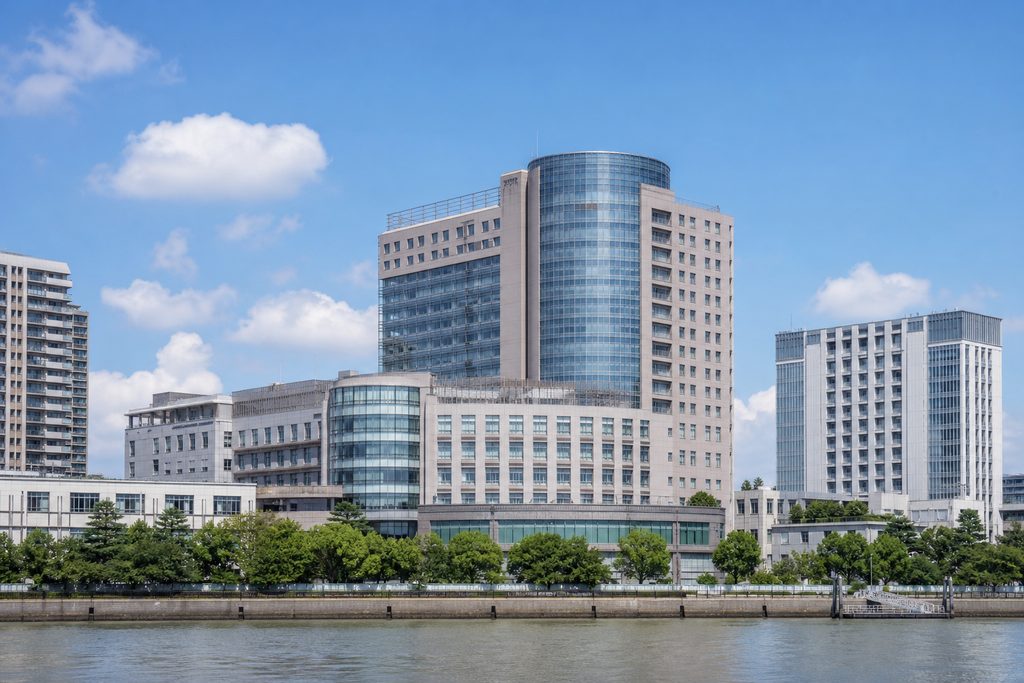
According to Shanghai Jiao Tong University’s 2023 clinical registry, Renji Hospital’s rheumatology department manages over 180,000 outpatient visits annually — one of the highest volumes of autoimmune disease patients in Asia. That scale translates into something rare: physicians who see complex lupus, vasculitis, and scleroderma cases every single day, not once a month. But volume alone doesn’t answer the question you actually typed. Is autoimmune disease treatment worth it at Renji Hospital? The short answer: for many international patients, yes — if you understand what “worth it” means in practice. The Renji Hospital autoimmune disease treatment cost typically runs one-fifth to one-tenth of comparable care in the United States, but the real value lies in diagnostic speed and clinical experience, not just the price tag.
Renji Hospital Autoimmune Disease Treatment Cost: The Short Answer
A first outpatient consultation with a Renji rheumatology specialist through the hospital’s international department costs roughly $150–$300. Comprehensive laboratory panels for autoimmune markers — ANA, anti-dsDNA, complement C3/C4, ANCA, and cytokine profiles — run $200–$600 depending on how many tests your case requires. A written second opinion from a senior rheumatologist costs $300–$500. Video consultations with top specialists range from $500–$800. None of these figures include travel, accommodation, or the bilingual coordination services many international patients use.
What makes this complicated is that autoimmune diseases are not one-and-done treatments. Lupus, rheumatoid arthritis, Sjögren’s syndrome — these require longitudinal management. A single consultation is rarely the endpoint. The worth-it calculation depends on whether you’re seeking a one-time diagnostic clarification, a second opinion on a treatment plan, or ongoing care coordination with a Chinese rheumatology team.
Who This Is Right For — and Who It Isn’t
Renji Hospital’s rheumatology department suits a specific profile of international patient. You’re likely a good candidate if you fall into one of these categories:
- You have an unclear or contested diagnosis — seronegative autoimmune symptoms, atypical presentations, or conflicting opinions from Western rheumatologists — and want a high-volume center’s perspective.
- You’ve been diagnosed but your current treatment isn’t working, and you’re exploring whether Chinese rheumatology protocols — which often integrate earlier use of biologics with TCM adjuncts — offer a different angle.
- You need a written second opinion for insurance appeals or to bring back to your home rheumatologist.
- You’re already planning to be in Shanghai for work or family reasons and want a comprehensive autoimmune workup while there.
Who should not pursue this? If your condition is currently unstable and requires emergency intervention, travel is risky — stabilize first. If you need continuous, in-person monitoring over many months, a single trip to Shanghai won’t replace your home rheumatologist. And if your primary motivation is accessing a specific experimental drug unavailable elsewhere, you should know that China’s drug approval timeline differs from the FDA’s; some biologics available in the US are not yet approved in China, and vice versa.
The Options, Compared
When international patients ask whether autoimmune disease treatment in China is worth it, they’re usually comparing three or four realistic paths. Here’s how they stack up.
| Option | Typical Cost (USD) | Time to First Specialist Visit | Best For |
|---|---|---|---|
| Renji Hospital international department, in-person | $150–$300 consultation; $200–$600 labs | 1–2 weeks with coordination | Complex or unclear diagnoses; high-volume clinical exposure |
| Renji written second opinion (remote) | $300–$500 | 5–10 business days after records received | Insurance appeals; treatment plan validation without travel |
| US academic rheumatology center, in-person | $400–$800 consultation; $1,500–$4,000 labs | 4–12 weeks typical wait | Continuity with existing US insurance and care team |
| Private international hospital in Shanghai (e.g., Jiahui, United Family) | $250–$500 consultation; Western-style billing | 3–7 days | English-speaking environment; direct insurance billing; less clinical volume |
The Renji route wins on clinical volume and cost. The private international hospital route wins on language convenience and insurance billing. The US route wins on continuity. Which column suits you depends on what “worth it” means in your situation — diagnostic clarity, cost savings, or minimal friction.
Why Renji Specifically: The Rheumatology Volume Argument
Renji Hospital is not just another large Chinese hospital. Its rheumatology department consistently ranks among China’s top three in the Fudan University specialist reputation rankings — a position it has held for over a decade. The department was founded in 1979 and has pioneered several diagnostic approaches now used nationally, particularly in systemic lupus erythematosus and antineutrophil cytoplasmic antibody (ANCA)-associated vasculitis.
What does that mean for you? Consider lupus. In the United States, a community rheumatologist might manage 20–50 lupus patients. At Renji, the inpatient rheumatology wards treat severe lupus nephritis, neuropsychiatric lupus, and refractory vasculitis cases on a daily basis. That clinical density produces pattern recognition that no textbook can replicate. For a patient with an atypical presentation, that matters.
And the research output backs it up. Renji rheumatologists publish extensively in international journals — including Annals of the Rheumatic Diseases and Arthritis & Rheumatology — on topics like low-dose IL-2 therapy for lupus and biomarkers for early vasculitis detection. When you consult there, you’re consulting clinicians who write the guidelines, not just read them.
This is also why best hospital Shanghai for lupus treatment searches consistently surface Renji. The combination of case volume, research depth, and specialist concentration is difficult to match anywhere in Asia outside Tokyo or Seoul — and those cities come with significantly higher costs.
What It Costs: A Realistic Breakdown
Let’s put numbers on the full picture. The Renji Hospital autoimmune disease treatment cost breaks down into several layers:
- Remote written second opinion: $300–$500. You send existing records — lab results, imaging, biopsy reports, current medication list — and a senior rheumatologist reviews them and provides a written analysis with treatment direction. This is often the smartest first step.
- Video consultation with a senior specialist: $500–$800. You speak directly with the rheumatology team, explain your symptoms and goals, and hear their recommendations in real time.
- In-person consultation at the international department: $150–$300 for the visit itself. Comprehensive autoimmune lab panels: $200–$600. Advanced imaging (joint ultrasound, high-resolution CT for lung involvement): $150–$500.
- Bilingual medical companion: from $300 per day. This covers registration, queue management, payment, navigation, and interpretation throughout your visit.
- Hospital appointment coordination: from $300. This is a service fee for arranging your consultation slot through official international department channels.
What’s not included: travel, visa fees, accommodation, and any treatment itself. If your evaluation leads to a recommendation for biologic therapy, those costs are separate and depend entirely on which medication and what dosage. A course of rituximab in China, for reference, typically costs $3,000–$6,000 per cycle — substantially less than the $20,000–$40,000 billed in the US, but still significant.
One thing worth knowing: any consultation fee you pay for a remote second opinion or video consultation is credited in full toward on-the-ground coordination services if you decide to come to China within 90 days. That’s a one-time credit applied to coordination only — never to hospital treatment charges.
Practical Considerations: Records, Visa, and Language
If you’re seriously weighing this option, here’s what the logistics actually look like.
Medical records. You’ll need complete documentation: all prior lab results, imaging reports and actual images (DICOM files preferred), biopsy pathology reports, current and past medication lists with dosages and dates, and a summary letter from your treating physician. These must be translated into Chinese for Renji’s specialists. Professional medical translation matters — a poorly translated ANA titer or medication history can derail a consultation. This is one area where paying for quality translation is not optional.
Visa. Foreign nationals traveling to China for medical treatment apply for an S2 visa, which covers short-term private affairs including medical visits. The hospital provides a supporting document — typically a treatment invitation letter or appointment confirmation — that you submit with your application. Family members accompanying you apply for S2 as well. Processing times vary by consulate; plan for 2–4 weeks. The S2 is not a guarantee of entry; final approval rests with the consular officer reviewing your complete application.
Payment. Chinese public hospitals, including Renji’s international department, operate on a prepayment basis. You pay for consultations, labs, and imaging as you go. Most international departments accept major credit cards and international bank transfers. Direct insurance billing is uncommon at public hospitals — you’ll typically pay out of pocket and submit claims to your insurer afterward. Private international hospitals in Shanghai do offer direct billing, which is one reason some patients choose that route despite higher consultation fees.
Language. Renji’s international department has English-speaking administrative staff, but clinical consultations are conducted in Mandarin unless you arrange interpretation. A bilingual medical companion bridges this gap — handling registration, translating during the consultation, and ensuring you understand what the doctor actually said, not just what’s written on the discharge summary. Without Mandarin ability, navigating a hospital that sees over 10,000 outpatient visits daily is genuinely difficult. This is not a soft warning; it’s the reality of China’s top-tier public hospitals.
Follow-up after returning home. This is the part most patients underestimate. A Chinese rheumatologist can adjust your medication, but they cannot prescribe refills once you’re back in your home country. You’ll need a local physician willing to continue the recommended treatment plan. The written report from Renji serves as the bridge document — detailed enough for your home rheumatologist to act on. If your home doctor is unwilling to follow a foreign specialist’s recommendations, the value of the trip diminishes sharply. Have that conversation before you book a flight.
Frequently Asked Questions
For a comprehensive diagnostic workup — consultation, full autoimmune lab panel, and imaging — expect $500–$1,200 at Renji Hospital versus $3,000–$8,000 at a US academic center. For ongoing biologic therapy, Chinese prices typically run 30–50% of US list prices. But these are out-of-pocket comparisons; if your US insurance covers most of your care, the savings shrink considerably.
It depends on what you’re missing. If your diagnosis is clear and your treatment is working, probably not — the travel and coordination costs won’t buy you much. If your treatment has plateaued or your diagnosis is contested, a high-volume center like Renji can offer a genuinely different perspective. The most cost-effective first step is a written second opinion at $300–$500, which lets you test the value before committing to travel.
No. Renji’s standard outpatient clinics cannot be booked from overseas — registration happens in person on the day of the visit. International patients access the hospital through its international department or VIP channel, which does allow advance scheduling. This typically requires going through a coordination service that handles the hospital communication, document submission, and appointment confirmation. Walk-in attempts without Mandarin ability and local knowledge are not realistic.
This happens, and it’s a real risk. Chinese rheumatology protocols sometimes differ from Western guidelines — particularly around earlier use of certain biologics, different tapering schedules for corticosteroids, and the integration of traditional Chinese medicine as adjunct therapy. The written report you receive is a consultative opinion, not a mandate. Your home rheumatologist retains prescribing authority. The productive approach is to use the Renji opinion as a discussion document, not a replacement for your existing care relationship.
Renji’s international department provides itemized receipts suitable for insurance reimbursement, but it does not typically bill international insurers directly. You pay upfront and submit claims yourself. Some international insurance plans with global coverage will reimburse treatment at Chinese public hospitals, but you should verify this with your insurer before committing. The private international hospitals in Shanghai — Jiahui, United Family, Parkway — are the ones with direct billing arrangements with major international insurers.
Your Next Step
The decision to pursue autoimmune disease treatment abroad is never purely financial. It’s about whether the diagnostic clarity, clinical perspective, or cost savings justify the coordination burden. Our team at China Medical Services exists to reduce that burden — we’re not a hospital, we don’t diagnose or treat, and we never promise specific outcomes. What we do is handle the practical layer: translating records, coordinating with Renji’s international department, arranging bilingual companionship, and guiding visa logistics. If you’re weighing whether this path makes sense for your specific case, start with a free consultation — we’ll help you think through the options honestly, including whether staying home is the better call.
Autoimmune disease treatment at Renji Hospital is worth it for the right patient — the one with a contested diagnosis, a stalled treatment plan, or a need for high-volume clinical perspective at a fraction of Western costs. For everyone else, a $300 written second opinion is the lowest-risk way to find out what you’re missing.
For more medical information and treatment options in China, visit chinamedservices.com (China Medical Services).
