First Affiliated Hospital Chongqing Nephrology: A Guide for International Patients
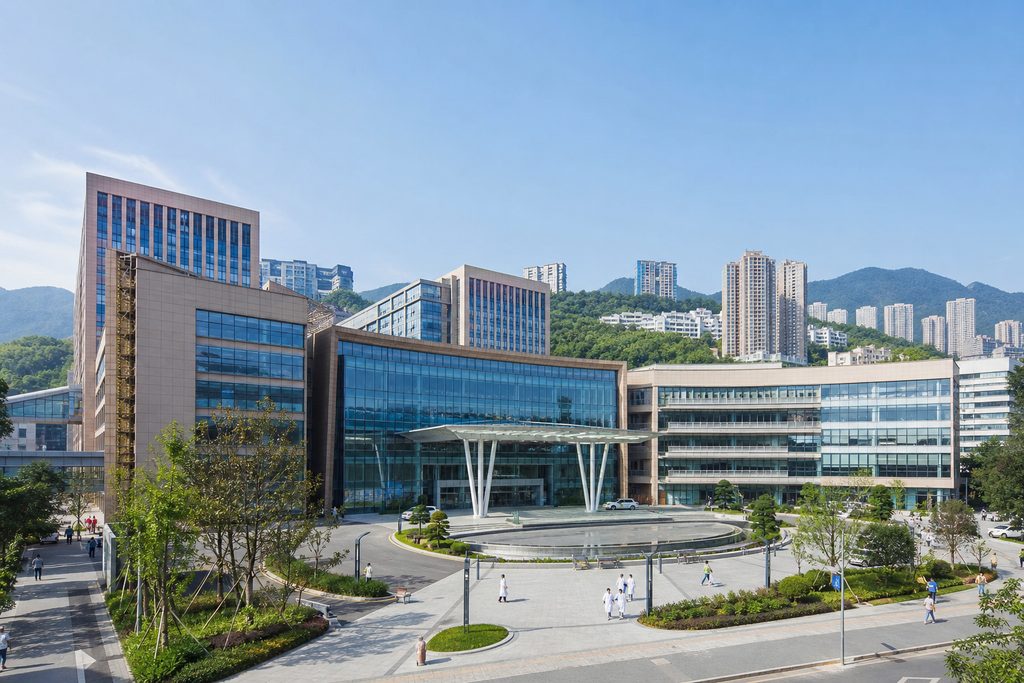
While a patient in the United States might wait months to see a nephrologist and then face a dialysis bill exceeding $90,000 per year, the nephrology treatment cost China offers at leading academic centers typically runs a fraction of that figure — often 60% to 80% less for comparable procedures. The First Affiliated Hospital of Chongqing Medical University sits at the center of this gap. It is one of western China’s largest kidney disease centers. And it is increasingly on the radar of international patients seeking high-volume expertise without the Western price tag.
Key Takeaways
- The First Affiliated Hospital of Chongqing Medical University operates a nephrology department managing over 300 outpatient visits daily, with a dedicated peritoneal dialysis program among the largest in western China.
- Chronic kidney disease treatment packages China can cost 60–80% less than equivalent care in the US or UK, while clinical protocols align with international KDIGO guidelines.
- Foreign patients cannot simply walk in and book a specialist. Access requires navigating the hospital’s international department, preparing translated records, and often working with a local coordinator.
- Kidney transplant services for foreign nationals are subject to strict legal and ethical restrictions in China. Do not plan travel around transplant access without first confirming current policy.
The Problem: Kidney Disease Is Expensive, and Waiting Makes It Worse
Chronic kidney disease affects approximately 1 in 10 adults globally. In the United States alone, Medicare spends over $120 billion annually on CKD and end-stage renal disease. For an uninsured or underinsured patient, a single hemodialysis session costs between $250 and $500. Three sessions per week. That is $39,000 to $78,000 per year just to stay alive. A kidney transplant in the US carries a first-year price tag of $442,500, according to the American Kidney Fund.
Wait times compound the problem. In Canada, the median wait for a deceased-donor kidney transplant exceeds 4 years in some provinces. In the UK, patients routinely wait 2 to 3 years. During that time, kidney function declines. Quality of life erodes. Some patients die on the list.
For patients in Southeast Asia, the Middle East, and Africa, the situation is often worse. Local nephrology services may be limited. Dialysis infrastructure is patchy. Travel to Europe or North America is prohibitively expensive. These patients need a third option.
Why the First Affiliated Hospital of Chongqing Medical University Delivers Results
The First Affiliated Hospital of Chongqing Medical University is not a boutique clinic. It is a massive, high-volume academic medical center. That scale matters in nephrology, where experience with complex cases directly shapes clinical judgment.
Clinical Volume That Builds Pattern Recognition
The hospital’s Department of Nephrology runs one of the busiest kidney programs in southwest China. Its dialysis center manages hundreds of maintenance hemodialysis patients. The peritoneal dialysis program follows thousands of patients, making it one of the largest PD cohorts in the region. For an international patient, that means the team has seen your condition — or a harder version of it — many times before.
Compare this to a mid-sized Western hospital where a nephrologist might manage 150 dialysis patients. Volume is not everything. But in procedures like vascular access creation, kidney biopsy, and PD catheter insertion, repetition builds technical fluency. Chinese nephrologists at top centers perform these procedures at rates that dwarf Western averages.
Technology and Infrastructure at Scale
The hospital operates a full spectrum of renal replacement therapy. In-center hemodialysis. Home peritoneal dialysis. Continuous renal replacement therapy for critically ill patients in the ICU. And a dedicated kidney transplant program with its own surgical and immunology teams.
Diagnostics are equally comprehensive. The pathology lab processes kidney biopsies with immunofluorescence and electron microscopy — the gold standard for diagnosing glomerular diseases like IgA nephropathy, membranous nephropathy, and lupus nephritis. Many smaller hospitals in Western countries outsource these tests. Here, they are done in-house, often with results returned within 5 to 7 working days.
Cost Advantage Without Protocol Compromise
The nephrology treatment cost China presents is lower for structural reasons, not quality shortcuts. Chinese public hospitals operate on thin margins. Physician salaries are a fraction of US levels. Hospital construction costs are amortized differently. Malpractice insurance is minimal. None of this affects clinical protocols.
What does a patient actually pay? A kidney biopsy at the First Affiliated Hospital of Chongqing Medical University typically costs between $800 and $1,500, including pathology. In the United States, the same procedure bills at $5,000 to $10,000. A month of standard hemodialysis in Chongqing runs $1,200 to $2,000. In the US, that figure is $4,000 to $8,000 per month. The gap is real. And it holds across most nephrology services.
How International Patients Actually Access Nephrology Care at Chongqing Medical University
This is the section that answers the question behind the search: how to book kidney treatment at Chongqing Medical University. The process is not like booking a hotel. It follows a sequence that rewards preparation.
Step one is remote evaluation. You send your existing medical records — lab reports, biopsy results, imaging, medication lists — to the hospital’s international department or a coordinator who translates and submits them. A nephrologist reviews the file and issues a written opinion: what they recommend, whether they can help, and what additional testing would be needed on arrival.
Step two is scheduling. The hospital’s international outpatient clinic handles foreign patients. Appointments are made through this channel, not the general registration system. Expect to wait 1 to 3 weeks for a confirmed slot with a senior nephrologist.
Step three is the in-person visit. You arrive, register at the international clinic, and meet the specialist. If admission is required — for a biopsy, dialysis access surgery, or acute management — the hospital schedules it after the face-to-face consultation. This is non-negotiable. Chinese public hospitals do not admit patients for surgery without an in-person evaluation first.
Step four is follow-up. For chronic conditions, the hospital’s nephrology team provides a written treatment plan and medication list. Many international patients return home and continue care with their local physician, staying in touch via video consultation when needed.
What “Best Kidney Hospital Chongqing for Foreigners” Really Means
Foreign patients often search for the best kidney hospital Chongqing for foreigners. That phrasing hides an important distinction. The First Affiliated Hospital of Chongqing Medical University is the best clinical kidney hospital in the city by most measures — volume, academic output, transplant activity. But it is not the most foreigner-friendly in the conventional sense.
English-speaking staff are concentrated in the international department. On the general wards, nurses and junior doctors may have limited English. Signage is bilingual in places, Chinese-only in others. The hospital is enormous — navigating from the international clinic to the dialysis unit to the pathology lab can take 15 minutes on foot. A bilingual companion changes this experience completely.
So the honest answer: if your priority is clinical excellence and you are willing to work with a coordinator or companion, this hospital is an excellent choice. If your priority is a seamless English-language experience with Western-style amenities, a private international hospital like JCI-accredited private facilities in China might fit better. Both are valid. They serve different needs.
| Nephrology Service | Chongqing (Public Academic) | United States | United Kingdom (Private) |
|---|---|---|---|
| Initial nephrologist consultation | $50–$150 | $250–$500 | $200–$400 |
| Kidney biopsy (with pathology) | $800–$1,500 | $5,000–$10,000 | $3,500–$6,000 |
| Monthly hemodialysis (standard) | $1,200–$2,000 | $4,000–$8,000 | $3,000–$5,000 |
| PD catheter insertion | $1,500–$3,000 | $8,000–$15,000 | $6,000–$10,000 |
| AV fistula creation | $1,000–$2,500 | $6,000–$12,000 | $5,000–$9,000 |
Figures are approximate ranges and vary by hospital and case complexity. They reflect 2024–2025 price levels from public sources and patient-reported data.
Practical Considerations: Visas, Payments, and Medical Records for Nephrology Patients
International patients traveling to China for nephrology care use the S2 visa. This is the short-stay category for private affairs, including medical treatment. You will need an invitation letter or supporting document from the hospital confirming your appointment. Family members accompanying you apply for their own S2 visas under the same purpose. The S2 visa typically allows stays of up to 180 days. For longer treatment courses, an S1 visa may apply. Always confirm current requirements with the nearest Chinese embassy or consulate before booking flights.
Payment is almost universally upfront. Chinese public hospitals require a deposit at admission, then bill against it. International credit cards are accepted at the international department but not always at every payment window. Bring a card with a high limit, or arrange a bank transfer in advance. Insurance is another matter. Most Chinese public hospitals do not bill international insurers directly. You pay, then submit claims for reimbursement. If your policy requires direct billing, a private international hospital may be the better route.
Medical records must be translated into Chinese before your visit. This includes lab reports, biopsy slides (if available), imaging discs, and medication lists. The hospital’s international department can arrange translation, but doing it before you travel saves days. Bring physical copies and digital versions. Bring every medication in its original packaging. Chinese customs officers may inspect prescription drugs, and a doctor’s letter explaining your regimen helps.
Language is the final barrier. Outside the international clinic, expect to communicate in Chinese. A bilingual medical companion — someone who knows the hospital layout, the registration system, and the clinical vocabulary — transforms the experience from stressful to manageable. This is not a luxury. For a hospital this size, it is close to a necessity.
Frequently Asked Questions
China’s organ transplant system operates under strict legal frameworks that prioritize Chinese citizens. Foreign nationals face significant restrictions on accessing deceased-donor organs in China. Living-donor transplantation is possible only between relatives, with extensive documentation and ethical review. We do not advise international patients to travel to China specifically for kidney transplant without first confirming current eligibility through official channels. For most foreign patients, dialysis management, CKD treatment, and transplant evaluation are more realistic goals.
A comprehensive first visit — consultation, blood work, urinalysis, ultrasound, and a kidney biopsy with pathology — typically totals $2,000 to $4,000. That includes the nephrology treatment cost China patients actually pay, not list prices. If you add a video consultation before travel ($500–$800 for a top specialist), the total remains well below what a comparable US workup would cost.
You can book a consultation remotely. You cannot book surgery or hospital admission remotely. Chinese public hospital rules require an in-person evaluation before any procedure. What remote booking does is secure your specialist appointment and ensure the doctor has reviewed your records beforehand. That saves time and avoids wasted travel.
Dialysis requires a confirmed slot at a specific center. If you plan to travel, arrange dialysis at each destination in advance. The First Affiliated Hospital’s international department can help coordinate with partner dialysis centers in other cities. Do not assume walk-in dialysis is available — it rarely is.
Most Western nephrologists respect treatment plans from major Chinese academic centers, especially when they follow KDIGO guidelines. The key is documentation. Ask the Chongqing team for a detailed English-language summary, including medication names in both generic and brand forms, lab targets, and follow-up intervals. Bring that to your home physician and discuss any adjustments openly.
Your Next Step
You now understand what the First Affiliated Hospital of Chongqing Medical University offers international nephrology patients — and what it demands in return. The clinical quality is real. The cost advantage is real. The logistics are manageable with preparation.
We are China Medical Services, a coordination team that helps international patients navigate Chinese hospitals. We are not a hospital, and we do not provide diagnoses or treatment. What we do is handle the practical side: record translation, appointment coordination, bilingual companionship, and visa guidance. If you want to explore whether this hospital fits your situation, a free consultation is the natural place to start. No pressure. Just a conversation about your options.
Ready to understand your options for kidney care in China? Visit our patient coordination service page or explore our database of top-ranked Chinese hospitals to see how Chongqing compares.
For more medical information and treatment options in China, visit chinamedservices.com (China Medical Services).
