West China Hospital Respiratory Medicine: A Practical Guide for International Patients
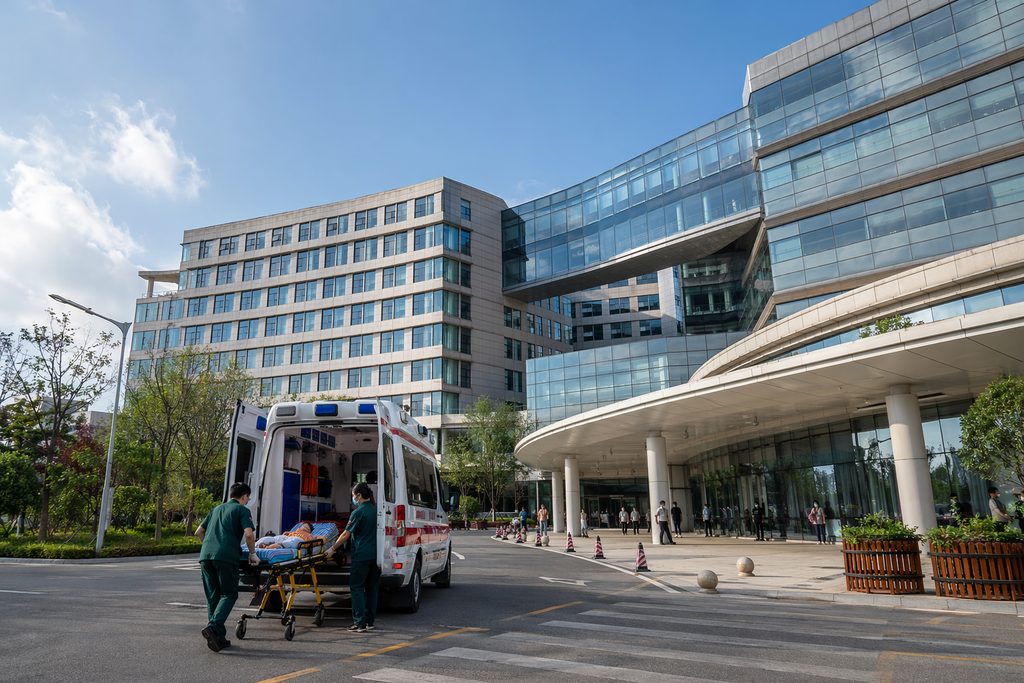
West China Hospital Respiratory Medicine for International Patients: What to Know Before You Go
You have probably heard that getting specialty care in a foreign country means navigating chaos, language barriers, and questionable quality. For West China Hospital respiratory medicine international patients, the reality is more nuanced than that. West China Hospital, located in Chengdu, operates one of the largest pulmonary divisions in Asia, with a daily outpatient volume that would overwhelm most Western hospitals. The question is not whether the expertise exists. It is whether you can access it effectively as a foreigner without wasting weeks or making costly mistakes.
This guide explains what the respiratory department actually offers, what treatment costs look like, how to book an appointment, and where the real bottlenecks are. No sugarcoating. Just the operational facts you need to decide whether this route makes sense for your situation.
Key Takeaways
- West China Hospital’s respiratory division handles over 300,000 outpatient visits annually, making it one of the highest-volume pulmonary centers in China.
- Treatment costs for common respiratory procedures run roughly one-fifth to one-tenth of US prices, but the international department charges a premium of 1.5–2x over standard public rates.
- You cannot book a specialist appointment from overseas through the standard public registration system. The international medical center is the only realistic route for foreigners.
- Language support exists but is limited. Expect to bring a translator or arrange bilingual coordination before you arrive.
The Problem: Respiratory Care Backlogs and Costs Are Pushing Patients to Look Abroad
Chronic respiratory disease affects approximately 1 in 8 people globally, and in countries with strained public health systems, the wait for a specialist consult can stretch to six months or longer. In Canada, the median wait time between a general practitioner referral and a respirology consultation reached 11.6 weeks in 2023, according to the Fraser Institute. In the UK, NHS data shows that over 30% of patients referred for a first respiratory outpatient appointment wait more than 18 weeks.
Then there is the cost problem. A diagnostic bronchoscopy in the United States runs anywhere from $3,000 to $8,000 depending on the facility and whether biopsies are taken. Pulmonary function testing alone can cost $500 to $1,200. For uninsured patients or those with high-deductible plans, these numbers are prohibitive. And that is before any treatment begins.
So patients start searching. They look for the best respiratory hospital in China for foreigners. They want to know if the quality is real or just marketing. The honest answer: China’s top-tier public hospitals deliver clinical outcomes that are frequently comparable to Western academic centers, but the patient experience is radically different. Understanding that difference is the whole game.
Why West China Hospital Respiratory Medicine Delivers Results
Clinical Volume That Creates Pattern Recognition
West China Hospital is part of Sichuan University and consistently ranks in the top tier of China’s Fudan Hospital Rankings, which evaluate the top 5% of the country’s 35,000+ hospitals. The respiratory and critical care medicine department is one of its flagship divisions. High patient volume is not a marketing point. It is a clinical asset. A pulmonologist who sees 80 to 100 patients in a single morning session has encountered rare presentations that a Western specialist might see once a year.
That volume translates into procedural competence too. Bronchoscopy, endobronchial ultrasound (EBUS), and CT-guided lung biopsy are performed thousands of times annually at this single institution. Compare that to a regional hospital in the US that might perform 200 bronchoscopies a year. Repetition matters when complications are on the line.
Integrated Diagnostics Under One Roof
One structural advantage of large Chinese public hospitals is the compression of diagnostic timelines. At West China Hospital, a patient with a suspicious lung nodule can often complete CT imaging, pulmonary function testing, bronchoscopy, and pathology review within a single week. In many Western systems, each of those steps requires a separate referral, a separate scheduling queue, and a separate wait.
This integration is especially relevant for conditions like interstitial lung disease, where diagnosis requires collaboration between radiology, pathology, and pulmonology. The department runs multidisciplinary case discussions for complex patients, which means your case is not being evaluated in a vacuum by one physician.
Cost Advantage Without Quality Compromise
Let us address the obvious objection. Cheap care must mean bad care, right? The structural reasons for China’s lower medical costs have nothing to do with quality. Physician salaries are lower. Hospital construction costs are amortized differently. Malpractice insurance is a fraction of US levels. Administrative overhead is leaner. None of those factors touch clinical outcomes.
For respiratory procedures specifically, the cost of lung treatment at West China Hospital through the international department typically falls in these ranges:
| Procedure | West China Hospital (International Dept.) | US Average |
|---|---|---|
| Initial specialist consultation | $100–$300 | $250–$500 |
| Diagnostic bronchoscopy with biopsy | $800–$1,800 | $3,000–$8,000 |
| Pulmonary function testing (full panel) | $100–$250 | $500–$1,200 |
| Chest CT with contrast | $150–$400 | $800–$2,500 |
| Thoracentesis (pleural fluid drainage) | $400–$900 | $1,500–$3,500 |
Prices vary by hospital and case complexity, and the international department charges 1.5 to 2 times standard public rates. Even with that premium, the math is stark.
Is West China Hospital Good for COPD Treatment?
Short answer: yes, with caveats. The respiratory department runs dedicated COPD and asthma management programs that follow GOLD guidelines, the international standard for chronic obstructive pulmonary disease care. Patients receive spirometry-confirmed diagnosis, medication titration, pulmonary rehabilitation referrals, and long-term follow-up protocols.
But here is the caveat that matters. COPD is a chronic condition. The real work happens after you leave the hospital. If you live in Europe or North America, flying to Chengdu for an initial evaluation and treatment plan makes sense. Flying back for every follow-up does not. The practical model is this: use West China Hospital for comprehensive assessment, diagnostic confirmation, and treatment plan development. Then execute that plan with your local physician. The department’s written reports and treatment recommendations are detailed enough to hand to a Western pulmonologist.
How to Book an Appointment at West China Hospital Respiratory Department
This is where most foreign patients hit a wall. The standard public registration system at West China Hospital operates through a Chinese-language app and requires a Chinese ID number or local phone number. You cannot use it from overseas. Walk-in registration at the public outpatient building means joining a queue at 6 a.m. and hoping a respiratory specialist still has slots. As a foreigner without fluent Chinese, that route is effectively closed.
The realistic path runs through the West China Hospital International Medical Center. This is the hospital’s dedicated facility for foreign patients and Chinese citizens willing to pay for enhanced service. Appointments are made by phone or email, staff speak English, and consultations are scheduled rather than queued. The trade-off is cost: expect to pay 1.5 to 2 times the standard public rate for every consultation, test, and procedure.
Here is the step-by-step for how to book an appointment at West China Hospital respiratory department as an international patient:
- Prepare your medical records: previous CT scans, pulmonary function tests, biopsy reports, and a summary of your current medications. Digital copies are fine.
- Contact the International Medical Center directly by phone or email. Response times vary from one to three business days.
- Submit your records for preliminary review. A respiratory specialist will assess whether an in-person visit is warranted.
- Once approved, the center schedules your consultation date. You will need to arrange your S2 visa with the appointment confirmation letter.
- Arrive in Chengdu at least one day before your appointment. The center will guide you through registration on-site.
If this process sounds manageable, it is. If it sounds like a lot of coordination, that is also true. Many patients choose to work with a bilingual coordinator who handles the communication with the hospital, translates records, and accompanies them on the day of the visit. That is a decision about convenience, not necessity.
Reality check: The International Medical Center does not guarantee that a specific named specialist will see you. You can request a senior physician, and the center will try to accommodate, but scheduling depends on that doctor’s availability. If seeing one particular pulmonologist is non-negotiable for you, confirm their availability before booking flights.
Medical Tourism China Pulmonary Specialist Price: What You Actually Pay
Let us break down the total cost picture for a respiratory evaluation trip to Chengdu. Understanding medical tourism China pulmonary specialist price structures requires looking beyond the consultation fee. The full financial picture includes:
A one-week trip for a comprehensive respiratory workup — consultation, CT, pulmonary function testing, bronchoscopy if indicated, and pathology — typically ranges from $2,500 to $6,000 in medical fees through the international department. Add flights ($800–$1,500 round-trip from Europe, $1,200–$2,500 from North America), accommodation ($60–$150 per night for a decent hotel near the hospital), food, and local transport. Total: roughly $5,000 to $10,000 for the week, including everything.
Compare that to the same workup in the United States without insurance. The bronchoscopy alone can hit $8,000. The full diagnostic pathway frequently exceeds $15,000. Even with insurance, a high-deductible plan might leave you with $7,000–$10,000 in out-of-pocket costs. The math holds up.
But do not book a flight based on cost alone. The best respiratory hospital in China for foreigners is not necessarily the cheapest. It is the one where you can communicate effectively, get timely appointments, and leave with a clear treatment plan. West China Hospital’s respiratory division delivers on all three, provided you use the international pathway.
Practical Considerations: Documentation, Visa, and Follow-Up for Respiratory Patients
Before you start packing, handle the paperwork. The Chinese hospital system runs on documentation. Bring every relevant medical record you have, ideally translated into Chinese or at least English. If your records are in German, French, Arabic, or another language, arrange professional translation before you travel. The respiratory team at West China Hospital will review English records, but translated Chinese documents speed up the process significantly.
Visa is the next hurdle. For medical treatment in China, the applicable short-stay category is the S2 visa, which covers private affairs including medical visits. You will need an official appointment confirmation or treatment invitation letter from West China Hospital’s International Medical Center. Consulates may also ask for proof of sufficient funds and a detailed treatment plan. Processing time varies by country, but allow three to four weeks. Your accompanying family members also apply for S2 visas.
Practical tip: Apply for a double-entry or multiple-entry S2 visa if your consulate offers it. Respiratory evaluations sometimes require a follow-up visit for results or additional testing, and re-applying for a visa from scratch wastes weeks.
Payment is straightforward. The International Medical Center accepts major credit cards and international bank transfers. Public hospitals in China do not bill Western insurance companies directly, so you pay upfront and file for reimbursement from your insurer afterward. Request itemized receipts in English before you leave. The international department is accustomed to this request.
Follow-up after returning home is the piece most patients forget to plan. Before you leave Chengdu, ask your West China Hospital physician for a written treatment summary in English. This document should include diagnosis, test results, medication list with generic names, and recommended follow-up intervals. Your local pulmonologist can then take over management. For ongoing questions, the International Medical Center offers video consultation follow-ups, typically priced between $100 and $300 per session.
Frequently Asked Questions
Yes. The International Medical Center accepts direct inquiries by phone and email. You will need to submit your medical records for review first. The process works, but expect slower response times than you are used to in Western healthcare systems. If you need help with translation, record preparation, or follow-up communication, a bilingual coordinator can handle those tasks.
Any surgical procedure or hospital admission at West China Hospital requires an in-person consultation first. The respiratory specialist must evaluate you face-to-face before recommending admission. Once that happens, the International Medical Center assists with admission coordination. But no hospital in China will confirm a surgery date before you have been seen in person. Plan for at least two trips if surgery is likely: one for evaluation, one for the procedure.
This happens more often than patients expect, especially for complex respiratory conditions like interstitial lung disease or chronic cough. West China Hospital’s pathologists and radiologists review your original scans and may request repeat imaging. If the diagnosis changes, you receive a full written explanation. You are not obligated to pursue treatment in China. Take the report home and discuss it with your local physician.
Inside the International Medical Center, yes. Registration staff, nurses, and most physicians speak functional English. Outside that center — in the public outpatient halls, the pharmacy, the imaging department — almost no English is spoken. If your visit requires moving between departments, a bilingual companion makes the difference between a smooth day and a frustrating one.
West China Hospital appears in the top tier of China’s Fudan Hospital Rankings, which evaluate the top 5% of the country’s 35,000+ hospitals. Its respiratory and critical care medicine department is designated as a national key clinical specialty. These designations are not marketing labels. They are awarded by China’s National Health Commission based on clinical volume, research output, and peer review. You can also review the hospital’s international patient testimonials and published research output through PubMed before committing.
Your Next Step
West China Hospital respiratory medicine for international patients is a serious option when you need high-volume clinical expertise at a fraction of Western prices. The trade-offs are real: a different patient experience, upfront payment, paperwork, and a system that does not hold your hand. We help patients navigate those trade-offs. China Medical Services coordinates appointments with the International Medical Center, arranges bilingual medical companions for hospital visits, and handles record translation and logistics. We are not a hospital and we do not provide medical advice or diagnoses. If you want to understand whether this route makes sense for your respiratory condition, start with a conversation. Visit our patient services page to learn how we work, or explore our respiratory department rankings to compare West China Hospital against other top-tier options. The decision to travel for care is significant. Make it with complete information.
For more medical information and treatment options in China, visit chinamedservices.com (China Medical Services).
