Guangdong Provincial People’s Hospital Cardiology: A Guide for International Patients
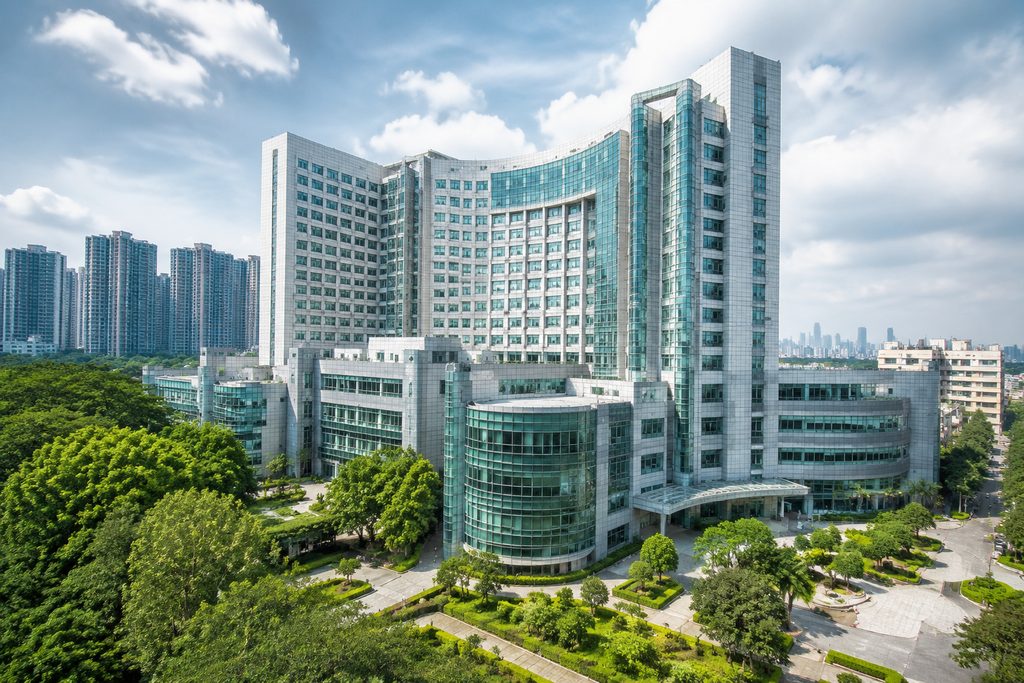
Guangdong Provincial People’s Hospital Cardiology: What International Patients Need to Know About Cost, Quality, and Access
Key Takeaways
- Guangdong Provincial People’s Hospital (GDPH) operates one of southern China’s highest-volume cardiac centers, with its cardiovascular surgery department performing over 3,000 open-heart procedures annually.
- Heart bypass surgery in Guangzhou typically costs $12,000–20,000 at top public hospitals like GDPH, compared to $120,000+ in the United States — a 6–10x difference that holds even after travel expenses.
- Standard outpatient clinics at GDPH do not accept advance bookings from overseas. International patients must route through the hospital’s international medical center or VIP channel to secure a confirmed appointment before flying to China.
- Language support inside the hospital is limited outside designated international units. Anyone without Mandarin proficiency should plan for a bilingual medical companion or interpreter before arrival.
Cardiovascular disease kills approximately 17.9 million people worldwide each year, according to the World Health Organization. For many patients in the United States, Canada, the UK, and Australia, the diagnosis comes with a second shock: the bill. A coronary artery bypass graft (CABG) in the US averages $123,000 without complications. In the UK, NHS wait times for elective cardiac surgery now stretch beyond 18 weeks in many trusts, with some patients waiting over a year. That harsh arithmetic pushes a growing number of patients to ask a question that would have seemed unthinkable a decade ago: what would it cost to have heart surgery in China — and is the quality actually comparable?
This article answers that question specifically for Guangdong Provincial People’s Hospital (GDPH) in Guangzhou. We look at the cardiology hospital Guangdong price for foreigners, the heart center’s clinical reputation, how international patients actually book appointments, and what the process looks like from first inquiry to post-operative follow-up. No marketing gloss. Just the facts a patient needs before making a decision that involves their heart.
The Problem: Cardiac Care Costs Are Breaking Patients — and Wait Times Are Breaking Trust
Let’s put numbers on the table. The average cost of heart bypass surgery in the United States sits between $85,000 and $180,000 depending on the hospital, surgeon, and state. Even with insurance, a patient with a 20% coinsurance rate faces a $17,000–36,000 out-of-pocket bill. For the 27.6 million Americans without health insurance, the entire amount lands on their shoulders.
But cost is only half the pain. In Canada, the median wait time for elective CABG after referral from a cardiologist is 11.1 weeks, according to the Canadian Institute for Health Information. In the UK, the situation is worse: NHS data from 2024 showed that over 38% of patients waited more than 18 weeks for cardiac surgery. Some trusts report waits exceeding 52 weeks for non-emergency valve replacements. For a patient with severe aortic stenosis, that wait is not an inconvenience. It is a mortality risk.
Now consider the alternative. A patient from London or Los Angeles flies to Guangzhou, receives a CABG at a major cardiac center, stays in the city for two weeks of recovery, and flies home. Total cost, including flights, accommodation, surgery, and hospital stay: $25,000–35,000. That is the math driving medical tourism to China for cardiac care.
How Good Is Guangdong Provincial People’s Hospital Heart Center? An Evidence-Based Look
The honest answer requires looking at volume, technology, and clinical outcomes. GDPH appears in China’s Fudan University hospital rankings, which evaluate the top 5% of China’s 35,000+ hospitals based on clinical reputation and research output. In the Fudan specialty reputation rankings, GDPH’s cardiology and cardiac surgery departments consistently rank among the top 10 nationally. That places the hospital alongside institutions like Fuwai Hospital in Beijing and Zhongshan Hospital in Shanghai as one of China’s reference centers for heart disease.
Clinical Volume: Repetition Builds Competence
GDPH’s cardiovascular surgery department completes over 3,000 open-heart operations each year. Its catheterization lab performs more than 15,000 interventional procedures annually, including PCI (stent placement), radiofrequency ablation for arrhythmias, and transcatheter aortic valve replacement (TAVR). To put that in perspective: the average US hospital performs fewer than 200 CABG procedures per year. The average cardiac surgeon at a high-volume Chinese center performs 150–300 bypass operations annually, compared to roughly 50–80 for a typical US surgeon.
Volume matters for one simple reason. Multiple peer-reviewed studies, including a landmark 2017 analysis in The Lancet, have shown a clear inverse relationship between surgical volume and 30-day mortality for cardiac procedures. Hospitals doing more than 500 CABGs per year have mortality rates up to 40% lower than hospitals doing fewer than 100. GDPH’s numbers put it firmly in the high-volume category.
Technology: Not Behind — Sometimes Ahead
There is a persistent assumption among Western patients that Chinese hospitals lag technologically. For top-tier institutions like GDPH, that assumption is outdated. The hospital’s cardiac center performs minimally invasive valve surgery, hybrid coronary revascularization, and complex aortic surgery using techniques that are standard at any leading Western center. Its catheterization labs use the same imaging systems — Siemens, Philips, GE — found in US and European hospitals.
One area where Chinese centers genuinely lead is in the use of domestic medical devices. China has developed its own drug-eluting stents, transcatheter heart valves, and left atrial appendage occluders. These devices are approved by China’s NMPA and have clinical trial data published in international journals. For international patients, this means access to a broader range of device options at lower prices than in Western markets.
Is Guangdong Cardiology Safe for International Patients? What the Data Shows
This is the question every patient asks, and it deserves a straight answer. China does not publish hospital-specific mortality data in the same format as the US Society of Thoracic Surgeons database. So direct apples-to-apples comparison is impossible. What we can say is this: GDPH is a Grade 3A (三甲) hospital — China’s highest hospital classification — and its cardiac center is a designated National Key Clinical Specialty. That designation is not decorative. It requires meeting minimum volume thresholds, staffing requirements, and quality audits by national health authorities.
For international patients considering whether Guangdong cardiology is safe, the practical answer is that the safety profile depends heavily on two factors: the specific procedure and the patient’s baseline risk. For routine CABG, valve replacement, and PCI in stable patients, outcomes at top Chinese centers are comparable to Western benchmarks. For complex redo surgery, active endocarditis, or patients with multiple severe comorbidities, the margin for error shrinks — and that is true in any country.
Heart Bypass Surgery Cost Guangzhou China: A Real Breakdown
Let’s get specific about numbers. The following table reflects typical ranges for international patients at public Grade 3A hospitals in Guangzhou, including GDPH. Prices vary by hospital and case complexity, and VIP/international department pricing runs 1.5–2x the standard rates below.
| Procedure | Guangzhou (Public 3A Hospital) | United States (Average) | United Kingdom (Private) |
|---|---|---|---|
| Coronary Artery Bypass Graft (CABG) | $12,000 – $20,000 | $85,000 – $180,000 | $35,000 – $55,000 |
| Aortic Valve Replacement | $18,000 – $28,000 | $120,000 – $200,000 | $40,000 – $60,000 |
| Mitral Valve Repair | $15,000 – $25,000 | $100,000 – $175,000 | $35,000 – $55,000 |
| TAVR (Transcatheter Aortic Valve Replacement) | $30,000 – $45,000 | $150,000 – $250,000 | $60,000 – $90,000 |
| PCI with Drug-Eluting Stent (per stent) | $3,000 – $6,000 | $25,000 – $40,000 | $15,000 – $25,000 |
| Diagnostic Coronary Angiography | $800 – $1,500 | $8,000 – $15,000 | $5,000 – $10,000 |
These figures explain why medical tourism heart treatment Guangzhou package searches have grown steadily. Even with a $1,500 round-trip flight from Europe or $2,500 from North America, plus two weeks of accommodation at $80–150 per night, the total cost lands at roughly one-fifth to one-tenth of the US price.
Why is the gap so large? Three structural reasons. Labor costs in Chinese hospitals are a fraction of Western levels — a cardiac surgeon’s annual salary at a Chinese public hospital runs $80,000–150,000, versus $500,000–1,000,000 in the US. Hospital overhead is lower. And China’s national volume-based procurement program has slashed the price of stents, valves, and other devices by 50–90% since 2020. A drug-eluting stent that cost $10,000 in the US now costs $700–1,100 in China. The patient sees those savings directly.
Booking an Appointment at GDPH as an International Patient: The Actual Process
Here is where reality diverges from what many patients expect. You cannot simply email the hospital, request a date, and book a flight. China’s public hospital system operates on a walk-in model for standard outpatient clinics. Patients register on the day, queue for a number, and see whichever specialist is on duty. Surgery is scheduled only after an in-person consultation. For someone living in London or Dubai, that model is unworkable.
The solution is the hospital’s international medical center or VIP department. These units exist specifically for patients who need advance scheduling, English-language coordination, and a more structured experience. The tradeoff is cost: VIP/international department pricing runs approximately 1.5–2 times standard rates. For a CABG quoted at $15,000 on the standard track, expect $22,500–30,000 through the international center. Still dramatically cheaper than Western care.
So how do you actually book an appointment at Guangdong Provincial People’s Hospital as an international patient? The practical pathway is:
- Step 1: Gather all existing cardiac records — echocardiograms, angiograms, stress tests, blood work, and the referring cardiologist’s summary. These must be translated into Chinese for the hospital’s review.
- Step 2: Submit records to the hospital’s international department or through a medical coordination service. The cardiac team reviews the case and determines whether the patient is a candidate for treatment at GDPH.
- Step 3: If accepted, the international department issues an official invitation letter and treatment plan. This document is required for the medical visa application.
- Step 4: The patient applies for an S2 visa (short-term, for medical treatment and private affairs) or S1 visa (for stays exceeding 180 days). Family members accompanying the patient also apply for S2 visas. The hospital’s invitation letter and treatment confirmation are key supporting documents.
- Step 5: The patient arrives in Guangzhou, completes pre-operative testing at the hospital (usually 2–4 days), and surgery is scheduled.
This process takes time. Plan for 3–6 weeks from initial record submission to surgery date. Rushing it is possible but increases risk of miscommunication and scheduling conflicts.
What the Numbers Don’t Tell You: Language, Payment, and the Human Factor
GDH’s cardiac outcomes are strong. The price is compelling. But there are realities of receiving care in China that no cost comparison captures.
Language is the biggest one. Outside the international medical center and VIP wards, hospital staff — nurses, technicians, billing clerks, pharmacists — generally do not speak English. Even within the international center, English proficiency varies. A patient who arrives alone with no Mandarin and no interpreter will struggle with basic logistics: finding the right floor, understanding pre-op instructions, communicating symptoms post-operatively. This is not a criticism of the hospital. It is the reality of receiving care in a country where English is not the working language.
Payment is the second reality. Public Chinese hospitals, including GDPH, operate on a pre-payment model. Patients deposit funds upfront, and the hospital deducts from that deposit as services are rendered. International patients typically pay via bank transfer, credit card (with limits), or cash. Most public hospitals do not bill international insurance companies directly. Patients pay out of pocket and seek reimbursement from their insurer afterward. Private international hospitals in China — like United Family or Jiahui — offer direct billing, but their cardiac surgery capabilities are narrower than GDPH’s.
Important: Do not expect your US or European health insurer to cover treatment at a Chinese public hospital. Some international health insurance plans (Cigna Global, Bupa International, Allianz) may reimburse for treatment at recognized overseas facilities, but pre-authorization is essential. Contact your insurer before committing to any treatment plan.
Follow-up care is the third consideration. After returning home, the patient’s local cardiologist assumes responsibility for ongoing management. GDPH provides discharge summaries and imaging records, but continuity of care depends on the patient’s home physician being willing to accept those records. This works well when the patient has an established relationship with a local cardiologist. It works poorly when the patient does not.
Who Should Consider GDPH for Cardiac Care — and Who Should Not
This option is not for everyone. Let’s be blunt about who benefits and who should stay home.
Good candidates: Patients with stable coronary artery disease requiring elective CABG or PCI. Patients needing valve replacement who face long waits in their home country. Patients without insurance or with high-deductible plans who cannot afford US or UK private rates. Patients who are medically stable enough to fly long-haul and tolerate a 2–3 week stay abroad. Patients who have a local cardiologist at home willing to manage follow-up.
Poor candidates: Patients with unstable angina, recent myocardial infarction, or decompensated heart failure who should not fly. Patients requiring emergency surgery. Patients with complex congenital heart disease requiring highly specialized pediatric cardiac teams. Patients who cannot tolerate being away from their support network for weeks. Patients who are not comfortable navigating an unfamiliar healthcare system, even with assistance.
And one more thing: if you are considering this because you saw a package deal online, stop. There is no legitimate “all-inclusive heart surgery package” for GDPH. Medical treatment in China is not sold as a tourism product. Anyone offering a fixed-price package that includes surgery, hotel, and sightseeing is not coordinating with a real hospital. Run.
Practical Considerations: Documentation, Visas, and Preparing for the Trip
If you decide to pursue treatment at GDPH, here is what you need to prepare.
Medical documentation. Every relevant record from the past two years: ECG, echocardiogram, coronary angiography (if performed), stress test results, blood work, medication list, and the referring cardiologist’s written summary. All documents must be translated into Chinese. Machine translation is not acceptable for medical records — use a professional medical translation service.
Visa. Medical treatment in China requires an S2 visa (short-term, up to 180 days) with the purpose of medical treatment noted. The hospital’s international department issues an invitation letter that supports the application. Accompanying family members apply for S2 visas as well, citing family accompaniment for medical treatment. Do not apply for an M visa — that is for commercial and trade activities, not medical care. Visa processing typically takes 1–3 weeks, depending on the embassy or consulate.
Payment preparation. Confirm with the hospital’s international department what payment methods are accepted. Most accept bank transfer (SWIFT), UnionPay, Visa, and Mastercard, though daily transaction limits may apply. Bring enough funds to cover the initial deposit plus a buffer for unexpected extensions of stay. Ask for a detailed cost estimate before departure, but understand that final charges may vary based on actual clinical course.
Accommodation and recovery. Plan to stay in Guangzhou for at least two weeks after discharge before flying home. This allows for follow-up visits, suture removal, and early rehabilitation. Hotels near the hospital (Yuexiu District) range from $60–150 per night. Serviced apartments with kitchen facilities cost $100–200 per night and are often more comfortable for post-operative recovery.
Insurance. Contact your insurer before departure. Request written confirmation of coverage for overseas treatment, or at minimum, coverage for post-operative complications upon return. If your insurer refuses, consider purchasing a separate medical travel insurance policy that covers complications arising abroad.
Frequently Asked Questions
Not through the standard outpatient system. Standard clinics operate on same-day registration and cannot be booked from abroad. International patients must go through the hospital’s international medical center or VIP department, which accepts advance bookings and coordinates with the cardiac team before the patient travels. This requires submitting translated medical records for review first.
GDH’s cardiac center has cardiac intensive care units, 24-hour catheterization lab coverage, and on-site cardiac surgery backup. Complication rates for routine procedures are comparable to Western benchmarks, though the hospital does not publish the same granular outcome data as US registries. If a complication occurs, treatment is provided at the hospital. Patients should carry medical travel insurance that covers extended hospitalization and medical evacuation if repatriation becomes necessary.
In most cases, yes — if the records are properly translated and include imaging on standard formats (DICOM). GDPH provides discharge summaries in Chinese; patients should arrange professional English translation before returning home. Some home cardiologists are skeptical of records from unfamiliar institutions, so it is wise to discuss the plan with your local doctor before traveling and confirm they will manage follow-up care.
Plan for a minimum of two weeks after discharge. This covers the first follow-up visit, wound check, and early mobilization. Some patients stay three to four weeks if they had a more complex procedure or if they want additional rehabilitation before a long-haul flight. Flying too soon after cardiac surgery increases the risk of deep vein thrombosis and other complications.
No. The price difference reflects structural economics — lower labor costs, lower hospital overhead, and government-negotiated device pricing — not lower clinical standards. GDPH performs more cardiac procedures annually than nearly any US hospital, and its cardiac surgery department is a designated National Key Clinical Specialty. The quality question is better framed as: is this hospital equipped to handle your specific case? That requires an individual assessment by the hospital’s team after reviewing your records.
Your Next Step
Choosing where to have heart surgery is one of the most consequential decisions a patient can make. The evidence — volume, technology, cost, and clinical reputation — supports serious consideration of Guangdong Provincial People’s Hospital for international patients who are medically stable and prepared for the logistical realities of treatment abroad. China Medical Services maintains a database of 340+ top-ranked hospitals across 37 cities and helps international patients navigate hospital selection, appointment coordination, and bilingual medical companionship. We are not a hospital, and we do not provide diagnoses or treatment. If you would like to understand whether GDPH is a viable option for your specific cardiac condition, request a free consultation and we will help you evaluate the path forward.
For more medical information and treatment options in China, visit chinamedservices.com (China Medical Services).
