Guangdong Provincial People’s Hospital Respiratory Medicine for International Patients: A Practical Guide
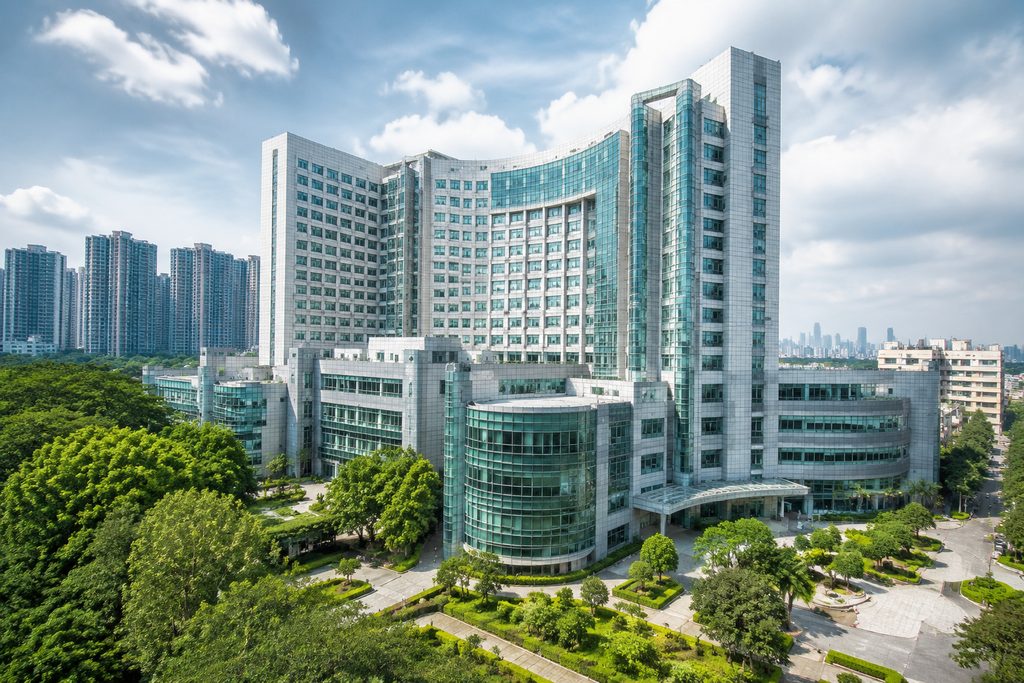
You’ve probably heard that getting quality respiratory care in China means either paying Western private-hospital prices or settling for a chaotic public hospital experience where nobody speaks English. The reality sits somewhere else entirely. Guangdong Provincial People’s Hospital (GDPH) in Guangzhou runs one of southern China’s most respected respiratory medicine departments — and for international patients, the respiratory hospital China cost for foreigners typically lands between $150 and $600 for outpatient specialist consultations, with inpatient pneumonia treatment often totaling $3,000 to $8,000 depending on severity. That’s a fraction of what the same care costs in the US or Europe. But the real question isn’t just price. It’s whether this hospital fits your specific situation, and how you actually get through the door without wasting weeks.
Guangdong Provincial People’s Hospital Respiratory Medicine: The Short Answer
Yes, the respiratory department at GDPH is genuinely good — ranked among the top respiratory medicine programs in southern China and consistently listed in national specialty reputation rankings. For foreigners considering treatment here, the department offers strong clinical volume, experienced pulmonologists, and access to advanced diagnostics including high-resolution CT, bronchoscopy with biopsy, and pulmonary function testing. The catch? Public hospital logistics. You cannot simply email the department and book a slot. You need a strategy for registration, language support, and payment — and that’s where most international patients stumble.
Let’s be direct about what this hospital is and isn’t. It’s a massive public institution. The outpatient hall sees thousands of patients daily. Without Chinese language ability or a bilingual companion, navigating it alone is exhausting. That doesn’t mean you shouldn’t go. It means you should plan properly.
Who This Is Right For — and Who It Isn’t
GDPH respiratory medicine suits a specific profile of international patient. Here’s who typically benefits most:
- Expats already living in Guangzhou or the Pearl River Delta who need ongoing management for asthma, COPD, chronic cough, or post-infectious lung issues
- Patients with existing imaging (CT scans, X-rays) who want a specialist second opinion without paying US or European consultation fees
- Travelers or residents from Southeast Asia, the Middle East, or Africa who find Guangzhou geographically convenient and want quality care at mid-tier costs
- Patients with complex pneumonia, suspected interstitial lung disease, or unexplained pulmonary nodules who need a high-volume center with fast access to bronchoscopy
But GDPH is not the right choice for everyone.
- If you need a fully English-speaking environment with Western-style appointment scheduling and direct insurance billing, a private international hospital like United Family Guangzhou may serve you better — at 2-3 times the cost
- If your condition is rare or requires a highly specialized multidisciplinary tumor board, you might look at other top-ranked Chinese hospitals in Beijing or Shanghai first
- If you’re flying in specifically for a single consultation and expecting a same-day, concierge-style experience at public hospital prices, you’ll be disappointed
- If you’re medically unstable or require ICU-level care during travel, stay home until stabilized
The Options, Compared
When international patients ask us about respiratory hospital China cost for foreigners, they’re usually comparing three or four scenarios. Here’s how GDPH stacks up against the realistic alternatives:
| Option | Specialist Consultation Fee | Pneumonia Inpatient Stay (5-7 days) | English Support | Booking Difficulty |
|---|---|---|---|---|
| GDPH Public Outpatient (standard) | $15–$40 | $1,500–$4,000 | Minimal | High — same-day queue only |
| GDPH International/VIP Department | $150–$400 | $5,000–$10,000 | Moderate to good | Moderate — pre-arrangeable |
| Private International Hospital (Guangzhou) | $250–$600 | $12,000–$25,000 | Excellent | Low — online booking |
| US Academic Hospital (for reference) | $400–$900 | $30,000–$80,000+ | Excellent | Low to moderate |
If you speak zero Chinese and value convenience above all, the private international route wins. If you want the clinical expertise of a major public respiratory center at the lowest defensible cost, GDPH’s VIP channel is the sweet spot. The standard public outpatient route is cheapest but demands language skills or a companion, plus tolerance for waiting.
What Actually Happens at GDPH Respiratory: A Walkthrough
Here’s the part most articles skip. You don’t just “book an appointment” at a Chinese public hospital. You register, you queue, you see the doctor, you pay, you get tests, you come back. At GDPH, the respiratory outpatient department operates on a same-day registration system for standard visits. Arrive at 7:30 AM and you might get a morning slot. Arrive at 10:00 AM and you might not get seen until late afternoon — or at all.
For international patients, the practical path is the hospital’s international medical services department, which handles scheduling, provides interpretation, and coordinates with respiratory specialists. This costs more but converts a chaotic experience into something manageable. The VIP channel also gives you access to senior consultants — the same doctors who train residents and publish in international journals — without the standard-channel lottery.
What does the respiratory department actually treat well? Chronic obstructive pulmonary disease, asthma, community-acquired and hospital-acquired pneumonia, pulmonary infections including tuberculosis, interstitial lung disease, lung nodules requiring diagnostic workup, and smoking-related lung damage. The department runs a high-volume bronchoscopy service, which matters if you need tissue diagnosis. For lung cancer specifically, GDPH has a dedicated thoracic oncology program, though patients with complex malignancies often also consult top-ranked oncology departments elsewhere in China.
How Much Does It Really Cost? A Breakdown
Let’s talk numbers, because vague answers help nobody. The respiratory hospital China cost for foreigners varies by channel and complexity. Here’s what we’ve seen across cases we’ve coordinated:
- Standard outpatient registration: $2–$8 (registration fee only, doctor consultation separate)
- Specialist consultation, standard channel: $15–$40 per visit
- Senior specialist consultation, VIP/international channel: $150–$400 per visit
- High-resolution chest CT: $80–$200
- Pulmonary function testing: $30–$80
- Bronchoscopy with biopsy: $500–$1,200
- Inpatient pneumonia treatment (5-7 days, standard ward): $1,500–$4,000
- Same stay in VIP ward: $5,000–$10,000
These figures assume you’re paying out of pocket. Chinese public hospitals require prepayment — you deposit funds at admission and settle at discharge. Most international insurance plans reimburse afterward, but GDPH does not bill insurers directly in most cases. Check your policy before committing. Prices also shift with case complexity, ward class, and whether you need ICU care. Anyone quoting you a fixed package price for pneumonia treatment is oversimplifying.
Practical Considerations: Records, Visas, Payment, and Follow-Up
Before you book anything, gather your medical records. Chinese respiratory specialists expect to see prior imaging — ideally on CD or USB with DICOM files, not just printed reports. Bring a summary of your history, current medications with generic names, and any previous pulmonary function tests. If records are in English, that’s usually fine; if they’re in another language, get them translated.
Visa is straightforward but often misunderstood. Foreign nationals traveling to China for medical treatment apply for an S2 visa, which covers short-term private affairs including medical care. Bring a hospital invitation letter or treatment confirmation from GDPH’s international department, plus proof of funds. Family members accompanying you also apply for S2 visas. Do not apply for an M visa — that’s for commercial and trade activities, not medical treatment. For stays exceeding 180 days, an S1 visa applies. Requirements shift, so verify with your nearest Chinese embassy or consulate before booking flights.
Payment is another friction point. Most GDPH counters accept UnionPay, Alipay, WeChat Pay, and major credit cards at the international department. Carry cash as backup. ATMs on site accept foreign cards, but daily withdrawal limits apply. If you’re expecting a $10,000 hospital stay, arrange your payment method in advance.
Language deserves honest discussion. The respiratory department’s senior doctors often read English medical literature, but conversational English among nurses and administrative staff is limited. A bilingual companion — someone who handles registration, translates during consultations, collects results, and explains discharge instructions — transforms the experience. You can manage without one if you’re patient, resourceful, and have basic Mandarin. Most international patients tell us the companion is the single highest-value service they paid for.
Follow-up after returning home is doable. GDPH’s international department can arrange remote video consultations for medication adjustments or test result reviews. Written second opinions from the respiratory team typically cost $300–$500 and require your complete records. For ongoing management of chronic conditions like COPD or asthma, your home physician can usually take over once the diagnostic workup is complete.
Frequently Asked Questions
It’s solidly in the top tier for southern China. GDPH consistently appears in national respiratory medicine reputation rankings, and its combination of high patient volume, experienced specialists, and comprehensive diagnostic equipment puts it ahead of most provincial hospitals. Beijing and Shanghai have a few centers with stronger international reputations, but GDPH is the strongest respiratory option in Guangzhou and one of the best in the Pearl River Delta. For most respiratory conditions, the clinical quality difference between GDPH and a top Beijing hospital is negligible.
You have three realistic routes. First, contact GDPH’s international medical services department directly by email or phone — they can pre-arrange VIP channel appointments and provide interpretation. Second, use a coordination service like ours to handle registration, scheduling, and bilingual accompaniment. Third, show up at the public outpatient hall at 7:00 AM with a Chinese-speaking companion and register same-day. The first two options cost more but save time and stress. The third is cheapest but unpredictable. There is no reliable online booking system for foreigners on the public channel.
For uncomplicated community-acquired pneumonia requiring 5-7 days of inpatient care at GDPH, expect $1,500–$4,000 in a standard ward or $5,000–$10,000 in the VIP ward. Outpatient pneumonia treatment with oral antibiotics and follow-up imaging might cost $200–$600 total. Severe pneumonia requiring ICU admission can exceed $15,000. These are out-of-pocket prices; insurance reimbursement depends on your policy. Compare this to the US, where a similar pneumonia admission averages $20,000–$40,000 before insurance, and the value proposition becomes clear.
Some senior specialists speak functional medical English, especially those who trained abroad or publish internationally. But don’t count on it. Nurses, technicians, and registration staff rarely speak English. Even doctors who read English fluently may prefer to discuss complex findings in Chinese. If you need reliable English communication, book through the international department and request interpretation, or bring a bilingual companion. Going in expecting full English service at a public hospital is a recipe for frustration.
This happens more often than anyone likes. A “persistent cough” turns out to be early-stage lung cancer. A “lung nodule” needs biopsy. GDPH handles this well — the respiratory department coordinates with thoracic surgery, oncology, and pathology on site. If your condition requires treatment beyond what GDPH offers, the hospital can refer you within China’s network of top-tier medical centers. You’re not locked in. And because you’ve already paid for diagnostics, taking those results to another hospital for a second opinion costs far less than starting over.
Your Next Step
Guangdong Provincial People’s Hospital respiratory medicine is a legitimate, high-quality option for international patients who understand what they’re walking into: a large public institution with excellent clinical expertise and challenging logistics. The cost advantage is real. The language barrier is real. Both can be managed with proper planning.
We at China Medical Services help international patients navigate exactly this process — coordinating appointments, arranging bilingual companions, and ensuring your records reach the right specialists. We’re not a hospital, and we don’t diagnose or treat anything. We’re the bridge between you and the care you’re considering. If you’re weighing GDPH against other options, or you want help structuring your visit, start with a free consultation. No pressure, no obligation — just a clear conversation about what makes sense for your situation.
For more medical information and treatment options in China, visit chinamedservices.com (China Medical Services).
