Beijing Friendship Hospital Gastroenterology: Costs & Access for International Patients
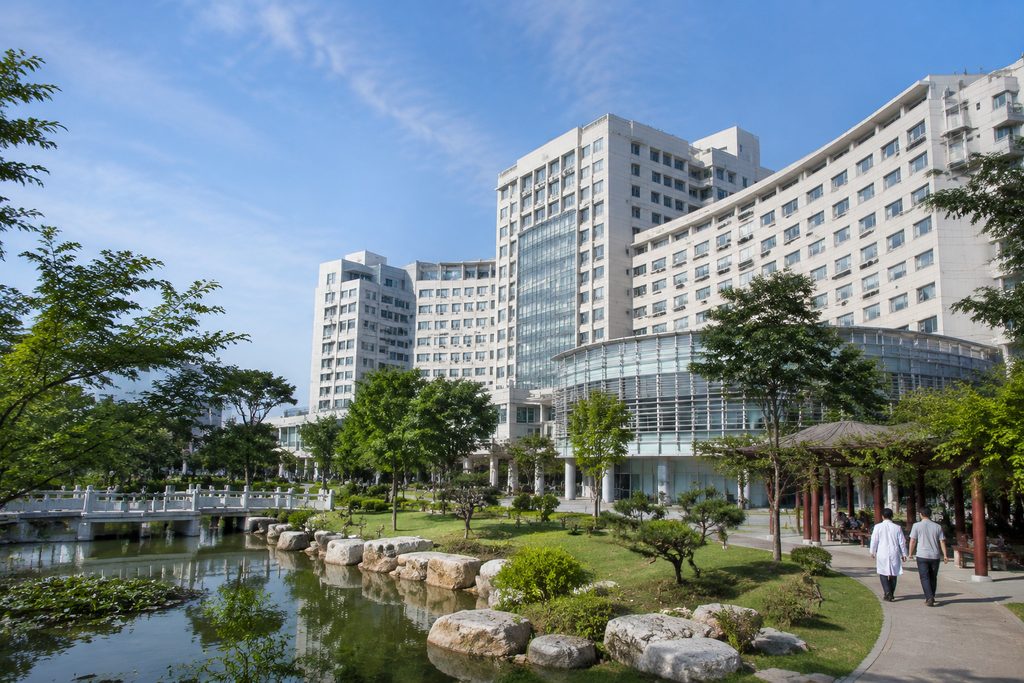
Gastrointestinal disorders affect roughly 40% of adults worldwide at some point in their lives, according to data compiled by the World Gastroenterology Organisation. When symptoms persist — chronic reflux, unexplained bleeding, recurring abdominal pain — patients start researching options beyond their local clinics. And increasingly, the search leads to China. Beijing Friendship Hospital, one of the capital’s oldest and most established teaching hospitals, has built a national reputation for digestive disease care. But if you’re a foreigner considering treatment there, the real questions are practical: what does Beijing Friendship Hospital gastroenterology cost, can you actually book a procedure from abroad, and is the hospital set up to handle international patients? This guide answers those questions directly.
Our team at China Medical Services has spent years helping patients from the United States, Europe, the Middle East, and Southeast Asia navigate exactly these logistics. We know what trips people up — and what actually works.
How This Actually Works, Step by Step
You cannot simply email the hospital and reserve a colonoscopy slot. That’s the first thing to understand. Chinese public hospitals operate on a walk-in registration model for ordinary outpatient care. The gastroenterology department at Beijing Friendship Hospital sees thousands of patients daily. So the real sequence for an international patient looks like this:
First, you gather your existing medical records — endoscopy reports, pathology slides, imaging, blood work, medication lists. These need professional translation into Chinese. Poor translations cause delays. We handle this as part of our case management service.
Second, your records go to the hospital’s international department or a designated coordinator for review. A gastroenterologist evaluates whether your case is appropriate for their department. Not every case is accepted. Some patients are better served at other centers — for example, certain complex biliary cases may be directed toward specialized hepatobiliary units elsewhere in Beijing.
Third, once accepted, you receive an appointment window. This is not a precise time slot. It’s a date range. You plan your travel around it.
Fourth, you arrive in Beijing with an S2 visa (issued for private affairs including medical treatment). You attend the initial consultation. The gastroenterologist examines you, reviews your translated records, and then schedules any procedures — endoscopy, colonoscopy, capsule endoscopy — typically within days to two weeks, depending on urgency and queue.
Fifth, you undergo the procedure. Results are usually available within 24–72 hours for standard endoscopy with biopsy. You then have a follow-up consultation to discuss findings and next steps.
Throughout this process, a bilingual medical companion is the difference between a smooth experience and a disorienting one. Signs are in Chinese. Registration kiosks are in Chinese. Pharmacy instructions are in Chinese. This is not a criticism of the hospital — it is simply the reality of receiving care in a non-English-speaking country.
Beijing Friendship Hospital Gastroenterology Cost: What to Budget
Let’s talk numbers, because cost is usually the first question. Beijing Friendship Hospital gastroenterology cost varies significantly depending on whether you go through the standard public channel or the international/VIP department. The standard channel is cheaper but essentially inaccessible to foreigners without fluent Chinese and local residency documentation. The international department charges more — typically 1.5 to 2 times the standard rate — but provides English-speaking coordination and faster scheduling.
Here’s a realistic picture based on current pricing patterns in Beijing’s top-tier public hospitals. These are ranges, not quotes. Final figures depend on your specific condition, the procedures required, and the department you access.
| Service | Estimated Cost (USD) | Notes |
|---|---|---|
| Initial specialist consultation (international dept.) | $100–$300 | Includes interpreter if booked through coordinator |
| Diagnostic gastroscopy (no biopsy) | $300–$600 | Includes sedation and facility fee |
| Diagnostic colonoscopy (no biopsy) | $400–$800 | Includes bowel prep kit and sedation |
| Combined gastroscopy + colonoscopy | $600–$1,200 | Often recommended for unexplained GI bleeding |
| Biopsy and pathology (per specimen) | $50–$150 | Multiple specimens are common |
| Capsule endoscopy | $800–$1,500 | For small bowel evaluation |
| Endoscopic polypectomy (simple) | $500–$1,000 | Depends on polyp size and number |
Compare this to the United States, where a diagnostic colonoscopy without insurance typically runs $2,000 to $4,000, and a combined upper and lower endoscopy can exceed $5,000. Even at international department rates in Beijing, you’re looking at roughly one-fifth to one-third of American prices. The same pattern holds for patients from the UK, Australia, and Canada who face long public wait times and steep private fees.
One important note: Chinese public hospitals require payment before procedures. You pay the estimated cost upfront, and any balance is settled at discharge or after the procedure. Most international patients pay out of pocket and then claim reimbursement from their home insurer. Private international hospitals in Beijing — such as United Family or Raffles — offer direct insurance billing, but their gastroenterology pricing runs higher, typically 2 to 3 times the public international department rates.
Is Beijing Friendship Hospital Good for Foreigners?
The honest answer: yes, with caveats. The hospital is genuinely excellent for gastroenterology. Its digestive disease center is one of the largest in northern China, handling complex inflammatory bowel disease, advanced endoscopic procedures, and liver disease. The medical expertise is not in question. What matters for foreigners is the experience around the medicine.
Beijing Friendship Hospital has an international medical department that serves foreign patients. The department has English-speaking administrative staff and can arrange consultations with senior gastroenterologists. But the depth of English support varies. Senior physicians often speak some English, particularly those who have trained or published internationally. Junior staff and nurses may not. Procedure consent forms, prep instructions, and discharge documents are typically in Chinese unless specifically requested in English.
This is where a bilingual companion becomes valuable. A companion handles registration, translates during the consultation, ensures the gastroenterologist understands your full history, and explains the bowel prep protocol in detail. Missed prep steps mean cancelled procedures. That’s a hard truth we’ve seen play out.
Patient reviews for Beijing Friendship Hospital’s international department are generally positive, though volume is lower than at dedicated private international hospitals. Wait times for procedures through the international department are typically shorter than the standard public queue, which can stretch weeks for non-urgent endoscopy. Expect to wait 3 to 10 days for a scheduled procedure after your initial consultation, depending on urgency.
A Realistic Timeline
Here’s what the full arc looks like for a typical international patient seeking endoscopy at Beijing Friendship Hospital. This assumes no major complications and that your documents are complete from the start.
| Stage | Duration | What Happens |
|---|---|---|
| Record collection and translation | 3–7 days | Gather reports, translate into Chinese, prepare summary |
| Hospital review and acceptance | 3–10 days | International department evaluates your case |
| S2 visa processing | 5–15 days | Apply at Chinese embassy/consulate with hospital invitation letter |
| Travel and arrival | 1–2 days | Fly to Beijing, settle into accommodation |
| Initial consultation | Day 1 in Beijing | Meet gastroenterologist, review history, plan procedure |
| Procedure scheduling | 2–10 days | Wait for endoscopy/colonoscopy slot |
| Procedure and results | 1–3 days | Undergo procedure, receive pathology if biopsy taken |
| Follow-up consultation | 1–2 days after results | Discuss findings and treatment plan |
| Total realistic timeline | 3–6 weeks | From first contact to completed evaluation |
Most people underestimate the document translation step. It’s not glamorous, but it’s where timelines stall. A poorly translated pathology report can trigger a request for re-review, adding a week. Get it right the first time.
The visa step also surprises people. You need an S2 visa for medical treatment in China — not an M visa, which is strictly for commercial activity. The hospital’s international department can issue an invitation letter that supports your visa application. Processing times vary by country, so build in buffer.
What Can Go Wrong — and What Happens Then
Let’s be direct about the failure modes, because knowing them in advance is what prevents them.
Your case is not accepted. This happens. Beijing Friendship Hospital’s gastroenterology department prioritizes cases that match its strengths. If your condition is outside that scope, you’ll be redirected. The recourse: ask for a referral recommendation, or work with a coordinator who can identify the right hospital from the start. Beijing has multiple top-tier gastroenterology centers, and the best hospital for your specific condition may not be the most famous one.
Your procedure is cancelled on the day. Incomplete bowel prep is the most common reason. If you don’t follow the prep protocol exactly — the timing, the fluid intake, the dietary restrictions — the gastroenterologist may refuse to proceed because visibility is compromised. The recourse: you reschedule, usually within a few days, and repeat the prep. This is frustrating and avoidable with clear instructions in your language.
Biopsy results take longer than expected. Standard pathology returns in 3–5 working days. Special stains or molecular testing can take 1–2 weeks. If you’ve planned to leave Beijing before results arrive, you’ll need to arrange remote follow-up. The recourse: plan for a flexible departure date, or arrange a video consultation for results review after you return home.
Language breakdown during consent. You’re asked to sign a consent form you cannot read. The recourse: request an English translation through the international department, or have your companion translate and document the discussion. Never sign something you don’t understand. Chinese hospitals are generally accommodating when this is requested properly.
How to Book Endoscopy at Beijing Friendship Hospital: The Two Real Paths
There are exactly two viable routes for an international patient to book endoscopy at Beijing Friendship Hospital. The first is direct contact with the hospital’s international medical department. You email or call, provide your records, and wait for their response. This works if your case is straightforward and you’re comfortable managing the process yourself. Response times can be slow — days to a week — and you’ll need to handle translation, visa paperwork, and logistics on your own.
The second route is through a coordination service like ours. We act as case managers, not gatekeepers. We translate your records, submit them through the hospital’s official international channel, schedule the initial consultation, and provide a bilingual companion for the hospital visits. Our coordination fee for hospital appointment scheduling starts at $300, and if we cannot secure the appointment you requested, that fee is refunded in full. We do not charge an access fee — that’s not how Chinese hospitals work, and any service claiming to sell you a queue-jump is misrepresenting the system.
Practical tip: Before you commit to traveling, request a written second opinion. Send your existing endoscopy reports and imaging to the gastroenterology department for review. For $300–$500, a senior specialist will assess your case and tell you whether traveling to Beijing is worth it. This step alone has saved many patients from unnecessary trips.
If you’re weighing Beijing Friendship Hospital against other options, look at our department rankings for gastroenterology and digestive surgery. The Fudan University hospital rankings place several Beijing and Shanghai hospitals among China’s top ten for digestive diseases, and the choice depends heavily on your specific diagnosis.
Practical Considerations: Records, Visa, Payment, and Follow-Up
Let’s cover the logistical essentials that determine whether this works smoothly.
Medical records. Bring everything: previous endoscopy videos and images, pathology slides (if available), biopsy reports, imaging CDs, medication history, and a summary of your symptoms in chronological order. Chinese gastroenterologists want to see primary data, not just reports. If you had a colonoscopy two years ago, bring the images, not just the written conclusion.
Visa. Apply for an S2 visa at your local Chinese embassy or consulate. You’ll need the hospital’s invitation letter, your passport, a completed application form, and a recent photo. Processing times vary from 5 to 15 business days depending on your country. Family members accompanying you also apply for S2 visas. Check the latest requirements with your local consulate — regulations shift.
Payment. Bring a credit card that works internationally (Visa or Mastercard) and be prepared to pay a deposit at registration. Some international departments accept UnionPay, but foreign cards are generally fine at major Beijing hospitals. Cash is accepted but less practical for large amounts. Wire transfer in advance is sometimes possible through the international department.
Insurance. Chinese public hospitals do not bill foreign insurers directly. You pay upfront and submit claims yourself. Get pre-authorization from your insurer before traveling if your policy covers overseas treatment. Some international health insurance plans have direct billing arrangements with private hospitals in Beijing, but Beijing Friendship Hospital is a public institution — reimbursement is the model.
Follow-up at home. If you need ongoing care after returning home, request a detailed discharge summary in English. This document should include procedure findings, pathology results, medication changes, and a recommended follow-up schedule. Your home gastroenterologist can then continue care with full context. We’ve seen patients return home with only a Chinese discharge summary — that’s a preventable problem.
Frequently Asked Questions
Colonoscopy price at China private hospitals typically ranges from $800 to $2,500, depending on the facility and whether polyps are removed. Beijing Friendship Hospital’s international department generally charges $400 to $800 for a diagnostic colonoscopy, making the public hospital route significantly cheaper. Private hospitals offer more English support and direct insurance billing, which some patients value enough to justify the premium.
The best gastroenterologist for your case depends on your specific condition — a specialist in inflammatory bowel disease may not be the right choice for a complex biliary issue. Start by identifying which Beijing hospitals rank among China’s top ten for gastroenterology, then request a written second opinion from the department that matches your diagnosis. A coordinator can help you match your case to the right specialist rather than chasing a famous name.
Yes, with realistic expectations. The international department handles foreign patients regularly and provides English-speaking administrative support. Reviews from international patients generally note competent medical care and reasonable coordination, though English fluency varies among clinical staff. Having a bilingual companion improves the experience significantly, especially during consultations and procedure preparation.
Not directly. The hospital requires an in-person consultation before scheduling a procedure. What you can do remotely is submit your records for review and receive a written second opinion, which confirms whether your case is appropriate for their department. Once you arrive and complete the initial consultation, the procedure is typically scheduled within days to two weeks.
If your endoscopy reveals a condition requiring surgery — a large polyp, early-stage cancer, or another surgical issue — the gastroenterologist will refer you to the appropriate surgical department. Beijing Friendship Hospital has strong general surgery and colorectal surgery units. You would then follow a similar process: surgical consultation, pre-operative assessment, and scheduling. This is where working with a coordinator becomes particularly valuable, as the logistics multiply.
Your Next Step
Beijing Friendship Hospital offers genuinely world-class gastroenterology care at a fraction of Western prices. The trade-off is that the system is not built for independent international patients — you need translation, coordination, and someone who understands how Chinese hospital logistics actually work. That’s what we do at China Medical Services. We’re not doctors, and we don’t sell access. We handle the case management: records translation, appointment coordination through official hospital channels, bilingual companionship, and visa guidance. If you’re considering endoscopy or gastroenterology care in Beijing, start with a conversation. Tell us your situation, and we’ll tell you honestly whether this path makes sense for you. Visit our patient services page to request a free consultation. No pressure, no obligation — just a clear-eyed assessment of your options.
For more medical information and treatment options in China, visit chinamedservices.com (China Medical Services).
