Peking University Cancer Hospital Breast Surgery: A Guide for International Patients
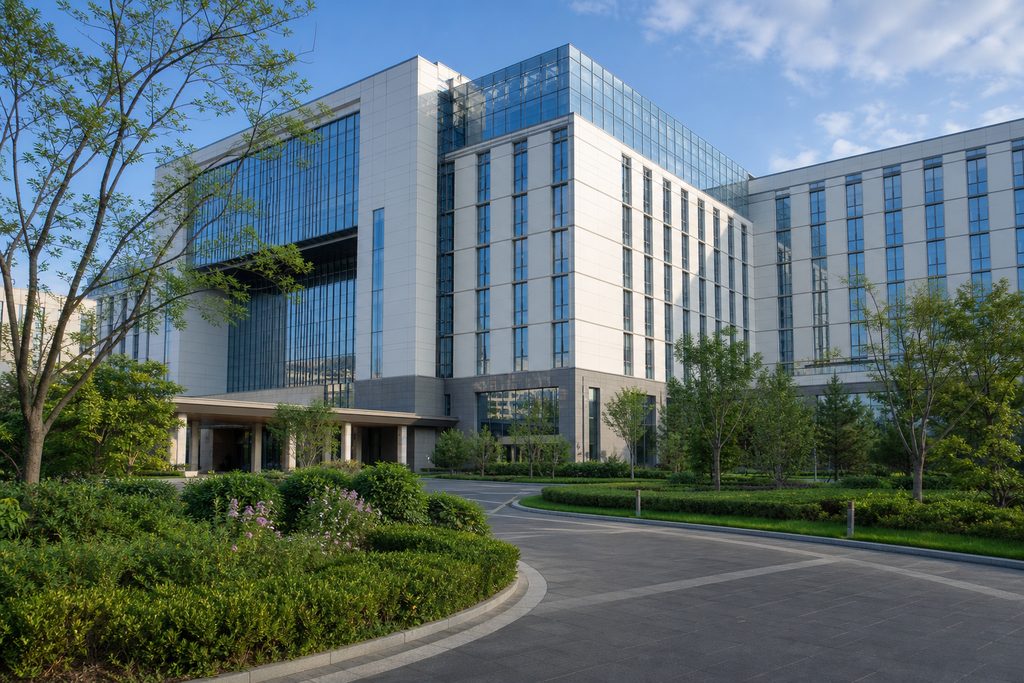
While a woman in the United States can expect to pay upwards of $60,000 for a mastectomy, and a patient in Canada might wait 8 to 12 weeks for surgical oncology, Peking University Cancer Hospital performs thousands of breast cancer procedures annually at a fraction of the cost. The volume gap is stark. The financial gap is starker.
For international patients, that contrast raises an obvious question: can you actually access this level of care? The short answer is yes, but not by walking in off the street. This guide explains what Peking University Cancer Hospital offers for breast surgery, what the Peking University Cancer Hospital breast surgery price actually looks like, and the logistics you need to manage before you fly.
Key Takeaways
- Peking University Cancer Hospital is consistently ranked among China’s top 10 for oncology in the Fudan specialist reputation rankings, with breast surgery as a core strength.
- Total breast cancer surgery costs in Beijing typically run $8,000 to $20,000, roughly one-fifth to one-third of comparable US pricing, depending on procedure complexity.
- Public hospital rules mean you cannot lock in a specific surgeon or surgery date remotely without going through the international department or a coordination service.
- Recovery timelines in Beijing mirror international standards: 2 to 5 days in hospital after mastectomy, 4 to 6 weeks before resuming normal activity.
The Problem: Breast Cancer Care Costs Are Crushing Western Patients
Breast cancer remains the most commonly diagnosed cancer among women worldwide. The American Cancer Society estimates that approximately 1 in 8 American women will develop invasive breast cancer in her lifetime. But the diagnosis itself is only half the burden. The financial toxicity of treatment is the other half.
In the United States, a lumpectomy with sentinel node biopsy averages $15,000 to $25,000 in hospital charges. A unilateral mastectomy with reconstruction can exceed $60,000. Even with insurance, out-of-pocket costs routinely reach five figures when you factor in deductibles, coinsurance, and non-covered services. For uninsured or underinsured patients, those numbers are simply impossible.
Meanwhile, in the United Kingdom, the NHS targets a 31-day wait from diagnosis to first treatment, but actual surgical waits frequently stretch to 8 weeks or longer depending on the trust. Canada’s provincial systems report median waits of 4 to 8 weeks for breast cancer surgery after diagnosis. For an aggressive tumor, that delay feels like an eternity.
The result? Patients look elsewhere. And increasingly, that search leads to Beijing.
Why Peking University Cancer Hospital Delivers Results
Peking University Cancer Hospital, also known as Beijing Cancer Hospital, is not a general hospital with an oncology wing. It is a dedicated cancer center. That distinction matters. Every department, every imaging suite, every surgical team is optimized for one thing: cancer treatment.
Clinical Volume That Western Centers Rarely Match
The hospital handles over 700,000 outpatient visits annually and performs tens of thousands of cancer surgeries each year. Breast surgery is one of its flagship departments. Chinese surgeons at this level complete hundreds of breast cancer procedures per year, compared to the 25 to 50 annual procedures typical for many Western surgical oncologists. Volume drives proficiency. Studies published in The Lancet Oncology and the Journal of Clinical Oncology have repeatedly linked higher surgical volume to better breast cancer outcomes, including lower rates of positive margins and fewer complications.
That volume also means the hospital sees the full spectrum of disease. Early-stage lumpectomies. Locally advanced cases requiring neoadjuvant chemotherapy. Complex reconstructions. The surgical team has seen it all.
Technology and Efficiency at Scale
Peking University Cancer Hospital operates one of China’s most advanced breast imaging and surgical platforms. Intraoperative frozen section analysis allows surgeons to confirm clean margins during the operation itself, reducing the need for repeat surgeries. Sentinel lymph node biopsy is standard practice, sparing many patients from full axillary dissection and the lymphedema that follows. Minimally invasive and breast-conserving techniques are used whenever clinically appropriate.
But the real structural advantage is workflow efficiency. Chinese public hospitals process enormous patient volumes daily. Tests that take weeks to schedule in the US or Canada—MRI, CT, ultrasound-guided biopsy—are often completed within days in Beijing. For a patient with a new diagnosis, that compression of the pre-surgical workup can be the difference between a 6-week wait and a 10-day turnaround.
Is Breast Cancer Surgery Safe in China? The Evidence Says Yes
This is the question every international patient asks first. And it deserves a straight answer. Breast cancer surgery at top-tier Chinese cancer centers is safe, with complication rates and five-year survival outcomes comparable to major Western centers. The key qualifier: top-tier. China has over 35,000 hospitals, but fewer than 5% meet the standards of the Fudan rankings or JCI accreditation. Peking University Cancer Hospital sits firmly in that top tier, ranked among China’s top 10 for oncology in the Fudan specialist reputation rankings.
Infection control protocols, surgical safety checklists, and anesthesia standards at this level align with international norms. The hospital’s international department handles foreign patients with English-speaking coordinators and familiar billing practices. What differs from Western care is not clinical quality—it is the operational model. And that model requires navigation.
What the Peking University Cancer Hospital Breast Surgery Price Actually Includes
Let us talk numbers. The Peking University Cancer Hospital breast surgery price varies significantly by procedure type, complexity, and whether you go through the standard public channel or the international department. Here is what international patients should expect:
| Procedure | Beijing Price Range (USD) | US Average (USD) |
|---|---|---|
| Lumpectomy with sentinel node biopsy | $8,000 – $12,000 | $20,000 – $35,000 |
| Unilateral mastectomy (no reconstruction) | $10,000 – $15,000 | $35,000 – $50,000 |
| Mastectomy with immediate reconstruction | $15,000 – $20,000 | $50,000 – $70,000+ |
| Bilateral mastectomy with reconstruction | $20,000 – $30,000 | $70,000 – $100,000+ |
These figures represent total hospital charges for the surgical episode—operating room, anesthesia, surgeon fees, pathology, and standard post-operative care. They vary by hospital and case complexity. The international department typically charges 1.5 to 2 times the standard public rate, which still lands well below Western pricing.
Why the gap? Structural economics. Chinese physician salaries are lower, hospital construction costs are amortized differently, and the sheer patient volume spreads fixed costs across more cases. None of those factors compromise surgical quality. The same surgeons operate on local and international patients. The same pathology labs read the specimens.
For patients seeking breast cancer treatment packages China for foreigners, several hospitals and coordinators offer bundled pricing that includes pre-surgical imaging, the surgery itself, post-operative monitoring, and sometimes even accommodation support. These packages simplify budgeting but require careful review of what is and is not included.
How to Book Breast Surgery at Peking University Cancer Hospital
Here is the hard truth about Chinese public hospitals: you cannot simply email the hospital and book breast surgery Peking University Cancer Hospital from abroad. The standard public channel requires an in-person outpatient visit before any surgery is scheduled. You register, see the specialist, get your diagnostic workup, and only then can a surgical date be set. For international patients, that means arriving in Beijing without a guaranteed surgical slot.
Is that a dealbreaker? Not necessarily. But it demands a realistic timeline. Most international patients plan for 2 to 3 weeks in Beijing: week one for consultation and imaging, week two for surgery, and several days of post-operative monitoring before discharge. Some patients choose to do the initial consultation via video first, then fly out once the surgical plan is confirmed.
The alternative is the hospital’s international department or VIP channel. This route allows pre-arranged appointments with senior specialists, English-language coordination, and a more predictable schedule. The cost is higher—typically 1.5 to 2 times standard rates—but for many foreign patients, the certainty is worth it. A bilingual coordinator can also handle registration, medical record creation, and communication with the surgical team before you arrive.
What to Expect: Recovery and Follow-Up After Mastectomy in Beijing
How long is recovery after mastectomy in Beijing? The clinical answer mirrors international standards. Most patients stay in the hospital for 2 to 5 days after a mastectomy, depending on whether reconstruction was performed and how well drainage is progressing. Drains typically come out within 7 to 10 days. Full return to normal activity takes 4 to 6 weeks.
But the practical answer for international patients is more nuanced. You will need to stay in Beijing for at least 7 to 10 days after discharge for drain management and initial wound checks. After that, if your recovery is uncomplicated, you can fly home. The surgical team will provide a discharge summary and pathology report in English if requested. Follow-up care—whether chemotherapy, radiation, or surveillance—can be coordinated with your home oncologist.
One consideration many patients overlook: pathology results take time. Final receptor status (ER, PR, HER2) and genomic testing may take 1 to 2 weeks after surgery. If those results will determine your adjuvant therapy plan, factor that wait into your travel schedule. Some patients choose to return home and receive results electronically.
Practical Considerations: Documentation, Visa, and Payment
Planning breast surgery in Beijing requires more than a plane ticket. Here is what you need to handle:
Medical records. Bring everything: pathology slides, imaging CDs, biopsy reports, prior treatment summaries. Chinese specialists will want to review your complete history. If your records are not in English or Chinese, arrange certified translation before you travel.
Visa. Medical treatment in China falls under the S2 visa category, which covers short-term private affairs including medical care. You will need supporting documents from the hospital—typically a treatment invitation letter or appointment confirmation. Family members accompanying you apply for the same S2 category. The M visa is for commercial and trade activities only and is not appropriate for medical travel. Processing times vary by embassy, so start at least 4 to 6 weeks before your planned departure.
Payment. Chinese public hospitals require upfront payment. The international department accepts major credit cards and sometimes international bank transfers. Standard public channels may require cash or Chinese payment platforms. Expect to pay a deposit before surgery and settle the balance at discharge. Reimbursement from your home insurance depends on your policy—many international insurers will reimburse treatment at accredited Chinese hospitals, but you will need to pay first and claim later.
Language. English proficiency among clinical staff at Peking University Cancer Hospital varies. The international department provides English-speaking coordinators, but on the wards, communication may require interpretation. A bilingual medical companion can handle translation during consultations, explain post-operative instructions, and navigate the hospital’s sprawling campus. Without Chinese language ability, the logistical friction is real. Not insurmountable—but real.
Frequently Asked Questions
Surgeon selection at Peking University Cancer Hospital is not like choosing a private physician in the West. You cannot simply request a specific named surgeon through the public channel. What you can do is request the breast surgery department’s senior specialist team through the international department, which typically assigns a chief physician or associate chief physician with extensive surgical experience. The Fudan specialist rankings confirm the department’s standing, but individual surgeon matching happens through the hospital’s internal processes. A coordination service can help you understand which specialists are currently accepting international patients.
Some international health insurance policies cover treatment at JCI-accredited or Fudan-ranked Chinese hospitals, but reimbursement typically follows a pay-first, claim-later model. Chinese public hospitals do not bill Western insurers directly. Private international hospitals in Beijing, such as United Family or Jiahui, do offer direct billing, but their surgical pricing is higher—closer to Western rates. Before committing to surgery in China, contact your insurer with the hospital name and proposed treatment plan to confirm coverage terms and pre-authorization requirements.
This is a legitimate concern. The surgical team at Peking University Cancer Hospital will provide a complete discharge summary, operative notes, and pathology report in English. Your home oncologist or breast surgeon can use these documents to manage any post-operative issues. For wound complications, most can be handled locally—seromas, minor infections, and drain site issues are within the scope of any competent surgical practice. The more important handoff is the oncology plan: if you need adjuvant chemotherapy or radiation, your home team needs clear documentation of what was done and what remains. Request all records before you leave Beijing, not after.
No. Chinese public hospital regulations require an in-person outpatient consultation before surgery can be scheduled. There is no legitimate way to book a surgical date from abroad through the standard channel. The international department can arrange a remote video consultation first to review your records and confirm that you are a surgical candidate, which reduces the risk of traveling to Beijing only to find that your case requires a different approach. But the final pre-surgical evaluation happens in person. Plan accordingly.
At top-tier centers like Peking University Cancer Hospital, yes. The surgical techniques, pathology standards, and perioperative care align with international guidelines. What differs is the operational model: Chinese hospitals process far more patients per day, which means less hand-holding and more self-navigation unless you have a coordinator. The clinical outcomes for breast cancer surgery at this level of hospital are comparable to Western benchmarks. The experience of being a patient, however, is different—and that is where preparation and support make the difference.
Your Next Step
Peking University Cancer Hospital offers world-class breast surgery at a price point that Western patients find difficult to ignore. The clinical quality is there. The cost advantage is real. What most international patients lack is the operational knowledge to navigate the system—the visa paperwork, the appointment logistics, the language barrier on the wards. That is where China Medical Services comes in. We are not a hospital, and we do not provide diagnoses or medical advice. We connect international patients with top-tier Chinese hospitals and handle the coordination that makes treatment feasible. If you are considering breast surgery in Beijing, start with a conversation. Request a free consultation and we will help you understand your options, timelines, and realistic costs. No pressure. Just clarity.
For more medical information and treatment options in China, visit chinamedservices.com (China Medical Services).
