China Hospital Discharge Rules for Foreigners: A Step-by-Step Guide
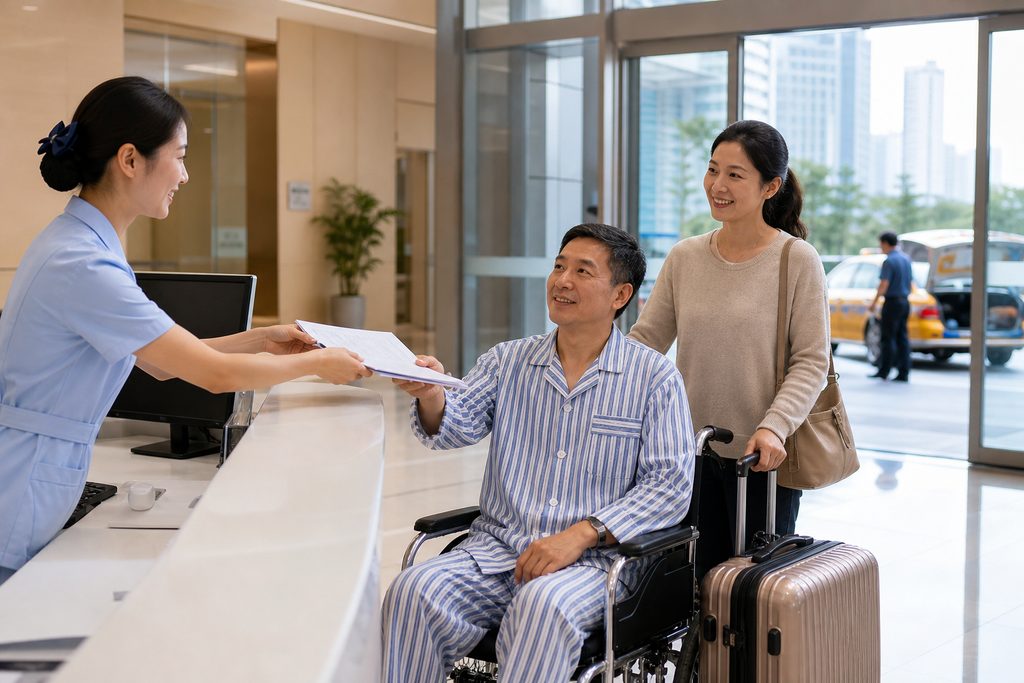
When 47-year-old Daniel from Manchester woke up after a successful knee replacement at a Shanghai orthopedic center, his first thought wasn’t about physiotherapy. It was about the paperwork. He had no idea what the hospital discharge policy for foreigners in China actually required. Who signs what? Can he pay by card? Does he need a translator just to leave the building? Daniel’s confusion is common. Every year, thousands of international patients complete treatment in Chinese hospitals, yet the discharge process remains one of the least documented parts of the journey. This guide breaks down exactly what to expect, what to prepare, and where things can get complicated.
Hospital Discharge Policy for Foreigners in China: The Short Answer
You can be discharged from a Chinese hospital once your attending physician signs the discharge order, your medical records are finalized, and your bill is settled in full. That’s the core rule. For foreign patients, the process adds a documentation layer: passport verification, visa status checks, and often a medical report translation for your home physician. The discharge itself typically takes half a day to a full day, not counting any administrative delays.
But here’s the catch that catches most people off guard. Chinese public hospitals operate on a prepayment system. You deposit funds upfront, treatment costs are deducted daily, and discharge only happens when the balance reaches zero. If your treatment costs less than your deposit, the hospital refunds the difference. If it costs more, you pay the gap before leaving. This is not negotiable, and it applies to every patient regardless of nationality.
Who This Is Right For — and Who It Isn’t
Discharge planning in China works smoothly for patients who prepare correctly. That means having your passport, visa documents, and payment method ready before you’re admitted. It also means understanding that Chinese hospitals rarely hold patients for observation once the medical team considers treatment complete. Beds are in high demand.
Who typically navigates this well:
- Patients with a bilingual companion or coordinator who can handle the paperwork queue
- Those who arranged an international department or VIP ward, where English-speaking staff manage discharge logistics
- Patients with insurance that provides direct billing or a clear reimbursement path
- Travelers who budget extra time for document translation and pharmacy pickup
Who should think twice before assuming a same-day discharge:
- Patients without a Chinese bank card or sufficient cash reserve — foreign credit cards are not universally accepted at public hospital cashiers
- Anyone traveling alone with limited Mandarin, especially in tier-2 cities where English support is thinner
- Patients whose home country requires notarized medical records for continued treatment or insurance claims
- Those with complex medication regimens that need careful explanation before leaving
The Options, Compared
Not all discharge experiences are equal. Where you received treatment changes everything about how you leave. Here’s what to expect across the three main hospital types in China.
| Factor | Public Hospital (Standard Ward) | Public Hospital (International/VIP) | Private International Hospital |
|---|---|---|---|
| Discharge processing time | 2–6 hours, often multiple queues | 1–3 hours, staff-assisted | 30–90 minutes |
| English-speaking staff | Rare, varies by department | Common | Standard |
| Payment methods | Cash, Chinese debit, WeChat, Alipay; foreign cards often rejected | More flexible, sometimes international cards | International credit cards, direct insurance billing |
| Discharge document language | Chinese only | Bilingual (Chinese/English) | English standard |
| Medication pickup | Hospital pharmacy, separate queue | Staff may collect for you | Often delivered to room |
| Cost of discharge coordination | Included in standard fees | Reflected in 1.5–2x ward pricing | Bundled into premium rates |
If you’re a budget-conscious traveler who speaks basic Mandarin and has local payment apps, a standard ward works. If you want someone to handle the logistics while you focus on recovery, the international department or a private hospital is worth the premium. The choice affects not just your stay but how smoothly you walk out the door.
What Documents Do I Need for Hospital Discharge in Beijing?
Beijing’s top-tier hospitals, including those listed in our Fudan-ranked hospital database, follow a consistent documentation protocol. The exact list varies slightly by facility, but this is what you’ll typically need:
- Passport — original, not a photocopy, for identity verification at the discharge counter
- Visa page copy — the hospital records your S2 visa details for their foreign patient registry
- Deposit receipt — the pink or blue slip you received when paying your admission deposit
- Discharge summary — issued by your attending physician, in Chinese unless you’re in an international department
- Final invoice — itemized, stamped with the hospital’s official seal
- Medication list — Chinese drug names, dosages, and frequency; request an English translation if needed
One thing Beijing hospitals do consistently: they require the patient or a designated representative to sign the discharge record. If you want a family member to handle this, you need a signed authorization letter. Without it, the hospital will not release your records to anyone else. This is a standard medical discharge requirement for international patients Shanghai facilities also enforce, though Shanghai hospitals sometimes accept a digital authorization via the hospital’s app.
Can Foreigners Leave Hospital Without Full Payment in China?
The short answer is no. Chinese hospitals operate on a strict settlement-before-discharge model. This applies to everyone — Chinese citizens and foreign nationals alike. The hospital will not issue your discharge certificate, release your medical records, or return your passport (if held during admission) until the bill is cleared.
But there are exceptions worth knowing. Some international departments allow a partial payment with a signed payment plan, particularly for patients from countries with established insurance partnerships. This is rare and requires pre-approval from the hospital’s finance office before admission. Don’t count on it.
What happens if you can’t pay? The hospital holds your discharge. You remain in the ward, treatment continues to accrue charges, and the situation escalates to the hospital’s legal affairs department. For foreign patients, this can also trigger a visa overstay issue if your S2 visa expires while you’re stuck in the hospital. None of this is pleasant. The practical takeaway: overestimate your deposit by 20–30% to avoid a last-minute scramble.
China Hospital Discharge Process for Tourists: Step by Step
If you came to China as a tourist and ended up needing hospital care, the discharge process follows the same clinical rules but with extra administrative steps. Here’s the sequence:
Day of discharge (morning): Your doctor makes rounds and confirms you’re ready to leave. They write the discharge order in your medical record. This typically happens between 8:00 and 10:00 AM.
Midday: The nursing station prepares your discharge summary, medication list, and nursing notes. You’ll be asked to verify your personal information — name spelling must match your passport exactly.
Early afternoon: You or your companion goes to the discharge counter (出院处) with your deposit receipt and passport. The cashier calculates the final bill. If you overpaid, you receive a refund slip. If you owe, you pay now.
Late afternoon: You collect your medications from the hospital pharmacy, return any rented items (wheelchairs, crutches), and sign the discharge record. The hospital gives you your documents. You leave.
Sounds simple. It isn’t. Each step involves a queue. At a busy public hospital in Shanghai or Beijing, you might spend 20–40 minutes at each counter. A bilingual companion can compress this from six hours to under two, simply by knowing which queue to join first and which documents to have ready.
What It Costs
The discharge process itself has no official fee at public hospitals. You pay for your treatment, not for the paperwork. But indirect costs add up fast, especially for international patient discharge procedures China cost considerations.
Here’s what actually hits your wallet:
- Translation of discharge summary: $20–80 per page, depending on the hospital and language pair. Some hospitals offer free English summaries in international departments.
- Notarization for home country use: $50–150 per document if you need your records certified for insurance or legal purposes.
- Bilingual companion for discharge day: from $300 per day, covering queue management, document translation, and pharmacy pickup. See our medical companion service details for what’s included.
- Extended stay due to paperwork delays: $80–300 per extra night, depending on ward type.
The cost variance comes down to three things: hospital tier, language support needed, and whether your insurance requires specific documentation. A private international hospital in Shanghai might bundle everything into your final bill. A standard ward at a public hospital charges nothing extra but costs you time and stress.
Practical Considerations: Payment, Insurance, and Follow-Up
Payment is the first hurdle. Public hospital cashiers in China overwhelmingly accept cash (RMB), Chinese bank cards, WeChat Pay, and Alipay. Foreign credit cards work at some international department counters and most private hospitals, but not everywhere. If you’re admitted to a standard ward, assume you’ll need a Chinese payment method. Your companion or coordinator can often handle this on your behalf.
Insurance adds another layer. Chinese public hospitals do not bill international insurers directly. You pay upfront, get your itemized invoice, and file for reimbursement at home. Private international hospitals like those in our JCI-accredited network often offer direct billing with major insurers. Check before admission, not at discharge.
Language is the silent killer of smooth discharges. The discharge summary, medication instructions, and follow-up plan are all written in Chinese at standard wards. Misreading a dosage or missing a follow-up appointment has real consequences. Even if you speak conversational Mandarin, medical terminology is a different language entirely.
Visa timing matters more than most patients realize. Your S2 visa has a fixed duration. If complications extend your stay, you need to apply for an extension before it expires. Hospitals can provide a medical certificate supporting your application, but the process takes days. Don’t wait until discharge day to think about this.
Follow-up after returning home is the final piece. Chinese doctors typically recommend a follow-up timeline — sometimes in person, sometimes via video consultation. Many hospitals now offer remote follow-up through their international departments. If you need continued care in your home country, make sure your discharge summary includes enough detail for a foreign physician to take over safely.
Frequently Asked Questions
Can I get my medical records in English at discharge?
Only if you were treated in an international department or private hospital. Standard public wards issue Chinese-language records. You can request a translation service through the hospital’s medical records office, but this takes 3–7 business days and costs extra. Some patients hire an independent translator to speed things up.
What if I need to extend my hospital stay past my visa expiration?
The hospital can issue a medical certificate stating that you require continued treatment. You take this to the local Exit-Entry Administration bureau to apply for a visa extension. Start this process at least 10 days before your visa expires. Hospitals do not handle visa extensions for you — it’s your responsibility.
Can a family member complete my discharge if I’m too unwell?
Yes, but only with written authorization. You need to sign a form designating that person as your representative. Some hospitals also require a copy of their passport. Without this, the hospital will only release records and complete discharge with the patient present.
What happens to my leftover deposit if I’m discharged early?
The hospital refunds the unused portion. The refund goes back to the original payment method. If you paid by cash, you receive cash. If you paid by Chinese bank card or mobile payment, the refund processes to that account. International card refunds can take 7–15 business days to appear.
Do I need to pay for my medications separately at discharge?
Usually yes. Inpatient medications are included in your hospital bill. But discharge medications — the ones you take home — are billed separately at the hospital pharmacy. You pay for these before leaving. Bring your discharge prescription to the pharmacy window and expect another queue.
Your Next Step
The discharge process in Chinese hospitals is manageable, but it rewards preparation. Knowing which documents you need, how payment works, and where the queues form can turn a six-hour ordeal into a ninety-minute exit. That’s where we come in. At China Medical Services, we’re not a hospital and we don’t provide medical advice. We coordinate the logistics — bilingual companions, document translation, payment assistance, and discharge-day support — so you can focus on recovery instead of paperwork. If you’re planning treatment in China or already admitted and dreading the exit process, reach out for a free consultation. We’ll help you map out exactly what your discharge will require, before you’re standing at the counter.
For more medical information and treatment options in China, visit chinamedservices.com (China Medical Services).
