Why Choose China for LASIK: Lower Costs, Advanced Tech, Faster Access
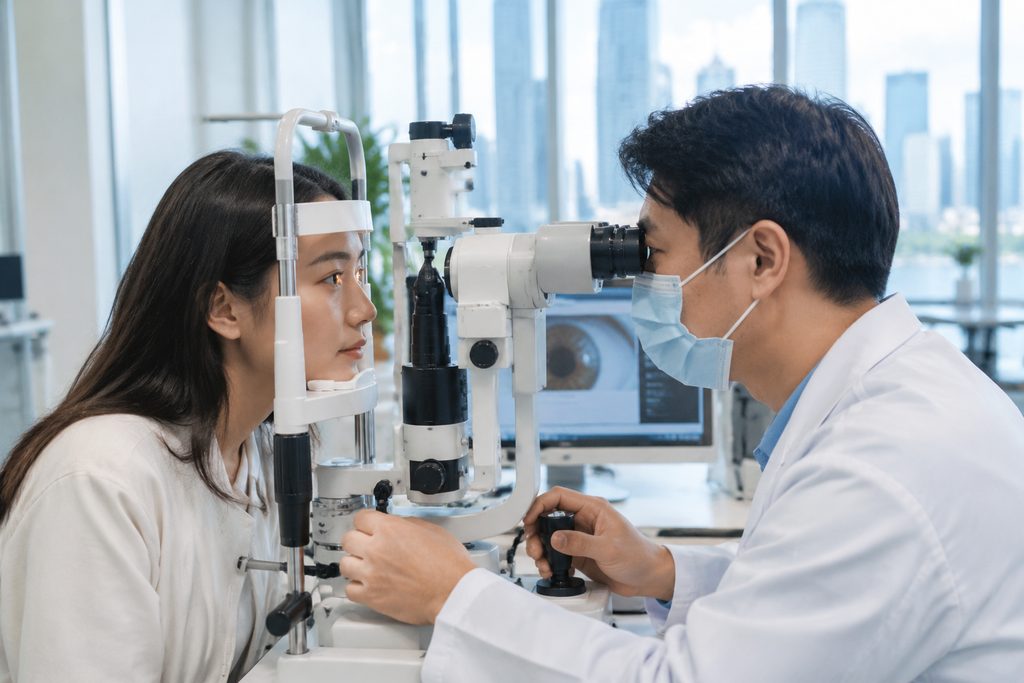
Have you ever caught yourself squinting at a menu, feeling the weight of your glasses on a humid day, and wondering if there is a smarter way to fix your vision without draining your savings? You are not alone. Every year, hundreds of thousands of people travel for medical care, and an increasing number are looking at China not just for sightseeing, but for sight-correcting surgery. The core reason is simple: LASIK eye surgery cost China is typically 50% to 70% lower than in the United States or Western Europe, without sacrificing the technology or the skill of the surgeon.
But price is just the starting point. The real question is whether the savings hold up when you factor in travel, time, and the trust you need to place in a foreign medical system.
LASIK in China: The Short Answer
You can expect to pay between $800 and $2,000 per eye for high-quality LASIK in a top-tier Chinese hospital. That is the direct answer. In the United States, the same procedure using comparable femtosecond laser technology often runs $2,200 to $3,500 per eye. The savings are real, but they come with a caveat: the price you see advertised is rarely the price you pay if you want an English-speaking coordinator, a senior surgeon, and a streamlined process.
China performs an enormous volume of refractive surgery. The scale drives efficiency. Surgeons at major eye centers in Shanghai and Beijing may perform more LASIK procedures in a month than a typical Western surgeon performs in a year. Volume matters in surgery. It refines technique and sharpens judgment about who is a good candidate and who is not.
Who This Is Right For — and Who It Isn’t
LASIK is not a universal fix. The best candidates share a few clear characteristics, and the worst candidates often share a few too.
You are likely a good candidate if you are over 18, your prescription has been stable for at least 12 months, your corneas are thick enough, and you do not have severe dry eye or keratoconus. You should also be comfortable with the idea of traveling internationally for a medical procedure and staying in China for at least 5 to 7 days.
You should probably not pursue LASIK in China if you have unstable vision, an autoimmune condition that affects healing, or a history of corneal disease. Pregnant or nursing women are typically advised to wait. And if you cannot take at least a week away from work for the procedure and initial follow-up, the logistical stress may outweigh the financial benefit.
Being honest about who should not do this is what makes the rest of this guide trustworthy.
The Options, Compared
Not all LASIK is the same. The technology you choose changes the price, the recovery, and the risk profile. Here is how the main options stack up, both within China and against the West.
| Factor | Standard LASIK (China) | Femtosecond LASIK (China) | Femtosecond LASIK (USA) |
|---|---|---|---|
| Cost per eye | $800 – $1,200 | $1,200 – $2,000 | $2,200 – $3,500 |
| Flap creation | Microkeratome blade | Laser | Laser |
| Typical recovery | 1–2 days | 1 day | 1 day |
| Surgeon volume | High | Very high | Moderate |
| English-speaking staff | Rare | Common at international clinics | Standard |
| Wait time for surgery | 1–3 days | 1–3 days | 2–6 weeks |
If you want the lowest possible price and you speak Mandarin or have a bilingual companion, standard LASIK at a public hospital is the cheapest route. If you want the latest laser technology and an English-speaking environment, femtosecond LASIK at a private international clinic in Shanghai or Beijing is the better comparison to what you would get at home — just at roughly half the price.
How Much Is Laser Eye Surgery in Beijing? A Closer Look at the Capital
Beijing is home to some of the most respected eye hospitals in the country. The question “how much is laser eye surgery in Beijing” comes up constantly from international patients because the capital is often their first entry point into China.
At a top public hospital in Beijing, femtosecond LASIK typically runs between $1,200 and $1,800 per eye for international patients using the hospital’s VIP or international department. At private clinics such as those operated by international healthcare groups, the price rises to $1,800 to $2,500 per eye, but you get direct insurance billing, Western-style consultation, and staff who speak English fluently.
What drives the variance? The surgeon’s seniority, the specific laser platform used, and whether you go through the standard public queue or the international service channel. The standard public queue is cheaper but requires navigating a Chinese-language system, often with long waits for registration.
Best LASIK Hospital Shanghai: Where the Volume Is
Shanghai has become a hub for medical tourism in ophthalmology. When patients ask about the best LASIK hospital Shanghai has to offer, the answer usually depends on what they value more: raw surgical volume or international patient experience.
Public hospitals in Shanghai perform staggering numbers of refractive surgeries. Some eye centers handle over 10,000 LASIK cases annually. That volume produces surgeons who have seen nearly every corneal shape and complication. But the public system is not built for foreign patients. Registration is in Chinese, queues are long, and follow-up instructions may be delivered in Mandarin.
Private international hospitals in Shanghai, including those with JCI accreditation, offer a different experience. You can book online, speak with an English-speaking coordinator, and often schedule surgery within days of your initial consultation. The trade-off is cost: you might pay 30% to 50% more than at a public hospital, though still far less than in the West.
If you choose Shanghai, you are also choosing a city with excellent infrastructure for recovery. International hotels, Western restaurants, and easy transport make the post-surgery period more comfortable than in smaller cities.
Is LASIK Safe in China? What the Data and Practice Show
This is the question that matters most, and it deserves a direct answer. Is LASIK safe in China? The short answer is yes, at accredited hospitals using modern laser platforms. The complication rate for LASIK is low worldwide, and China’s top eye centers report outcomes comparable to those in the United States and Europe.
But safety depends on more than the laser. It depends on the screening process. A good clinic will reject 10% to 15% of prospective patients because their corneas are too thin, their prescription is unstable, or their dry eye is too severe. A bad clinic will accept almost everyone. The screening is where safety is created or destroyed.
China’s regulatory system for medical devices is strict. The laser platforms used in major Chinese hospitals are the same models used in the US and Europe: Alcon, Zeiss, Schwind, and others. The technology is not inferior. What varies is the preoperative evaluation and the post-operative follow-up. Choose a hospital that does a thorough corneal topography, pachymetry, and wavefront analysis before even mentioning surgery.
One more thing: your own aftercare matters. LASIK complications often arise from poor compliance with eye drops and rubbing the eyes during the first week. If you are not willing to follow instructions precisely, no hospital in any country can guarantee a good outcome.
Medical Tourism LASIK Packages China: What You Actually Get
Some agencies market medical tourism LASIK packages China as all-inclusive deals: airport pickup, hotel, surgery, translator, and follow-up for one bundled price. These packages range from $3,000 to $6,000 for both eyes, depending on the hospital tier and the level of coordination.
The honest truth is that most packages are assembled from services you could book yourself, but the coordination saves you time and stress. A typical package includes a preoperative consultation, the surgery itself, one or two follow-up visits, and a bilingual assistant for the day of surgery. It rarely includes your flight or extended hotel stay.
What you should verify before paying for any package: which hospital is actually performing the surgery, which surgeon will operate, which laser platform will be used, and whether the package includes a translator for the consent process. If the package provider cannot name the hospital and surgeon in writing, walk away.
What It Costs: A Realistic Budget Breakdown
The headline number for LASIK is only part of the story. Here is what a realistic budget looks like for an international patient traveling to Shanghai or Beijing for femtosecond LASIK.
| Expense | Low Estimate (USD) | High Estimate (USD) |
|---|---|---|
| Surgery (both eyes, femtosecond) | $2,400 | $4,000 |
| Preoperative consultation | $100 | $300 |
| Follow-up visits (2) | $80 | $200 |
| Round-trip flight | $600 | $1,800 |
| Hotel (6 nights) | $300 | $900 |
| Bilingual companion (1 day) | $300 | $300 |
| Total | $3,780 | $7,500 |
Even at the high end, the total is often less than the surgery alone would cost in the United States. But the savings only materialize if you are already planning to travel or you live in a region where LASIK is expensive. If you live in a country with subsidized healthcare or low-cost refractive surgery, the math changes.
Book LASIK Surgery China Fast: The Realistic Timeline
Many patients want to book LASIK surgery China fast, and the system can move quickly once you are in the country. But there is a sequence you cannot skip.
Day 1: Arrive and rest. Your eyes need to be free of contact lens wear before testing. Soft contact lens wearers should stop wearing lenses at least 3 to 7 days before the preoperative exam. Hard lens wearers need 3 to 4 weeks.
Day 2: Comprehensive eye exam. This takes 2 to 3 hours. Corneal topography, pachymetry, wavefront analysis, and a dilated fundus exam. If you pass, surgery can often be scheduled for the next day.
Day 3: Surgery. The procedure itself takes about 15 minutes per eye. You will need someone to walk you back to your hotel because your vision will be blurry for several hours.
Day 4: First follow-up. The surgeon checks the flap and your visual acuity. Most patients see well enough to function by this point.
Day 7: Second follow-up. If everything looks stable, you can fly home. Some clinics want to see you once more at the one-month mark, but many accept a local ophthalmologist’s report for that visit.
The fastest realistic timeline is 5 to 7 days in country. Anyone who promises same-day surgery without a proper preoperative exam is cutting a corner you do not want cut.
Practical Considerations: Visa, Payment, and Language
China does not have a special “medical visa” for short-term treatment. For a LASIK trip of one to two weeks, the S2 visa is the appropriate category. It covers private affairs, including medical treatment, and is typically issued for short stays. Your hospital can provide an invitation letter and treatment confirmation to support your application. Requirements change, so check with the Chinese embassy or consulate in your country before applying.
Payment is another practical hurdle. Public hospitals in China generally require prepayment and do not accept foreign credit cards at every window. Private international clinics are more flexible, often accepting Visa, Mastercard, and direct insurance billing. If you are using a public hospital, bring a Chinese payment method or work with a coordinator who can handle the payment logistics for you.
Language is the single biggest friction point. Even in Shanghai and Beijing, most public hospital staff do not speak medical English. Consent forms, postoperative instructions, and pharmacy labels will be in Chinese. A bilingual medical companion who understands both the language and the hospital workflow can turn a stressful day into a manageable one.
Follow-up after you return home is your responsibility. Most LASIK surgeons want to see your one-month and three-month results. You can have a local ophthalmologist perform those checks and send the report back to your Chinese surgeon. Make sure you leave China with a copy of your full preoperative data and surgical record.
Frequently Asked Questions
For femtosecond LASIK at a reputable hospital, expect to pay between $2,400 and $4,000 for both eyes. Standard LASIK with a microkeratome blade can be as low as $1,600 for both eyes. The final price depends on the hospital tier, the surgeon, and whether you use the international service channel.
At top-tier hospitals, yes. The laser platforms are the same models used in the West, and the surgical volume in Chinese eye centers often exceeds what American surgeons perform. The variable is preoperative screening and aftercare. Choose a hospital that rejects a meaningful percentage of candidates and provides clear postoperative instructions in a language you understand.
This is the hard truth: your Chinese surgeon will not be able to examine you once you leave. You will need a local ophthalmologist to manage any complications. Most LASIK complications are treatable, but the continuity of care is on you. Keep your surgical records, know what procedure was performed, and have a local eye doctor identified before you travel.
Most surgeons advise waiting at least 3 to 5 days before flying. The cabin pressure and dry air can irritate healing eyes. More importantly, you need at least one follow-up visit before leaving the country. Plan for a minimum stay of 5 to 7 days.
At a private international clinic, no. Staff typically speak English. At a public hospital, yes, unless you speak Mandarin. The consent process and postoperative instructions are too important to leave to guesswork. A bilingual companion for the day of surgery costs from $300 and is often the difference between a smooth experience and a confusing one.
Your Next Step
Choosing China for LASIK is a legitimate option for the right patient: someone with a stable prescription, healthy corneas, and the flexibility to spend a week abroad. The savings are real, the technology is current, and the surgical volume at top centers is exceptional. But the logistics of visa, payment, language, and follow-up are not trivial.
Our team at China Medical Services helps international patients navigate the Chinese healthcare system. We are not a hospital and we do not provide medical advice or diagnoses. What we do is coordinate: hospital matching, appointment scheduling, bilingual companionship, and practical guidance for your stay. If you are seriously considering LASIK in China, a conversation about your specific situation is the logical first step. You can reach us through our patient consultation page to discuss your needs without any obligation.
Your vision is worth the effort. The question is whether the savings justify the journey — and for many patients, the answer is a clear yes.
For more medical information and treatment options in China, visit chinamedservices.com (China Medical Services).
