Why Choose China for Weight Loss Surgery: Costs, Safety, and Top Hospitals
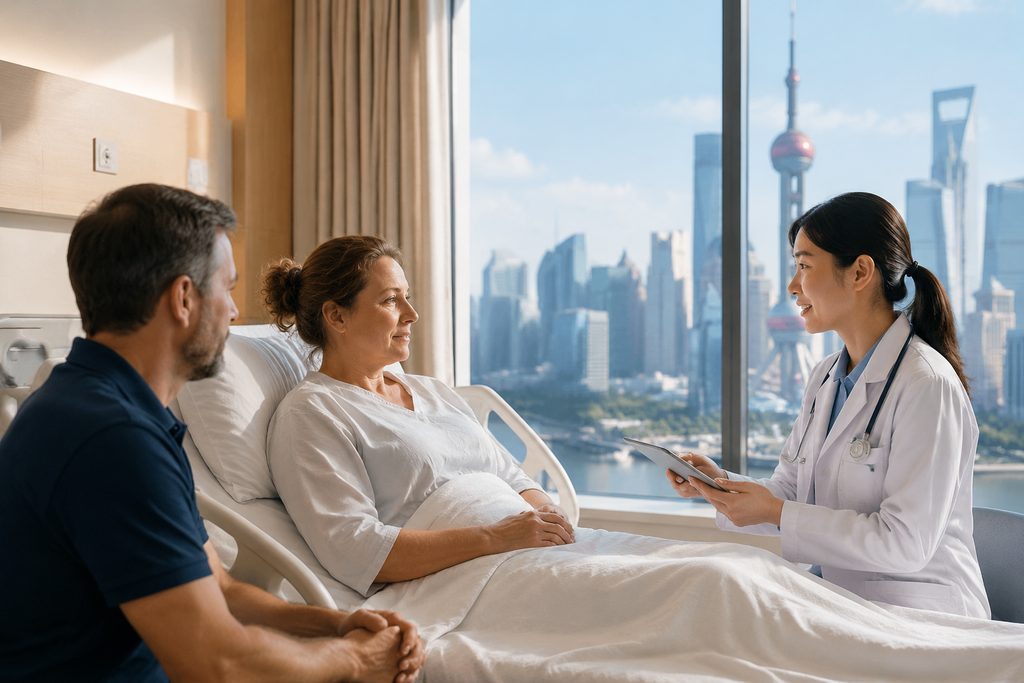
You’ve probably heard that surgery abroad means gambling with quality. The data on Chinese bariatric programs tells a different story. The gastric sleeve surgery cost China ranges from $6,000 to $12,000 at top-tier public and private hospitals — roughly one-fifth to one-third of the $25,000 to $35,000 typical in the United States. But price only matters if the clinical outcomes hold up. They do, at the right institutions. This article breaks down what actually drives that cost difference, which hospitals perform these procedures at high volume, and what the process looks like for an international patient.
Why Choose China for Weight Loss Surgery: The Short Answer
The short answer is volume plus value. Chinese bariatric centers in Shanghai, Beijing, and Guangzhou perform sleeve gastrectomies and gastric bypasses at scale that few Western hospitals match. A surgeon who does 300 sleeves a year simply has different muscle memory than one who does 40. Combine that repetition with costs 60% to 80% lower than American or Australian prices, and the appeal becomes clear. The caveat: not every Chinese hospital offering bariatric surgery meets international standards. The gap between the best and the rest is wide. Choosing well is the entire game.
Who This Is Right For — and Who It Isn’t
Bariatric surgery is a metabolic intervention, not a cosmetic shortcut. The standard international criteria apply in China just as they do in the US or Europe.
Typically a good candidate:
- BMI of 40 or higher, or BMI of 35+ with obesity-related conditions like type 2 diabetes, hypertension, or severe sleep apnea
- Documented history of failed medically supervised weight loss attempts
- No untreated psychiatric conditions that would undermine post-operative compliance
- Willingness to commit to lifelong vitamin supplementation and follow-up
- Realistic expectations about what surgery does and does not do
Who should not pursue this:
- Anyone with active substance abuse or untreated binge eating disorder
- Patients who cannot return for at least one in-person follow-up within the first year
- Those expecting a “quick fix” without dietary and behavioral change
- People with complex cardiac or pulmonary conditions that make long-haul travel risky
- Anyone unwilling to spend 10 to 14 days in China for the procedure and initial recovery
If you fall in the second list, staying closer to home is genuinely the better call. Surgery is one part of a permanent system change, and that system includes your support network.
The Options, Compared
When patients search for weight loss surgery abroad, they are usually weighing China against a handful of other destinations. Here is how the numbers actually line up.
| Destination | Gastric Sleeve (USD) | Gastric Bypass (USD) | Typical Wait Time | Notable Considerations |
|---|---|---|---|---|
| China (top public hospitals) | $6,000 – $10,000 | $9,000 – $14,000 | 2–6 weeks | High surgical volume; language barrier without support |
| China (private international hospitals) | $10,000 – $15,000 | $14,000 – $20,000 | 1–4 weeks | English-speaking staff; direct insurance billing |
| United States | $15,000 – $25,000 | $20,000 – $35,000 | 3–12 months | Insurance-dependent; familiar system |
| Mexico | $4,500 – $8,000 | $6,000 – $10,000 | 1–3 weeks | Lowest cost; variable facility standards |
| Turkey | $3,500 – $6,000 | $5,000 – $8,000 | 1–4 weeks | Aggressive marketing; package transparency varies |
| South Korea | $10,000 – $18,000 | $13,000 – $22,000 | 2–8 weeks | Excellent standards; higher cost than China |
Mexico and Turkey win on sticker price. China wins on the combination of cost, surgical volume, and hospital infrastructure. South Korea matches or exceeds China on polish but costs 40% to 60% more. The right choice depends on your risk tolerance and what you need beyond the operation itself.
Is Weight Loss Surgery Safe in China? The Evidence Question
This is the question every serious patient asks, and it deserves a straight answer. Is weight loss surgery safe in China? At top-ranked centers, yes — with complication rates comparable to international benchmarks. At unvetted facilities, no one can honestly tell you.
The Chinese Society for Metabolic and Bariatric Surgery has tracked national outcomes for over a decade. High-volume centers report leak rates after sleeve gastrectomy below 1%, and 30-day mortality under 0.1% — numbers that match or beat published series from the American Society for Metabolic and Bariatric Surgery. But those figures come from hospitals performing hundreds of cases annually. A hospital doing 20 sleeves a year is a different risk profile entirely.
That is why hospital selection matters more than country selection. China’s Fudan University hospital rankings identify the top 5% of the country’s 35,000+ hospitals. The bariatric programs worth considering are concentrated in perhaps 15 to 20 institutions across Shanghai, Beijing, and Guangzhou. These are the centers with dedicated metabolic surgery wards, ICU backup, and surgeons who trained internationally.
What you should ask before committing: How many sleeves and bypasses does the surgeon perform annually? What is the program’s leak rate and reoperation rate? Is there a dedicated bariatric coordinator? What does the 30-day follow-up protocol look like? A hospital that cannot answer these questions quickly is not the hospital for you.
Best Bariatric Surgeon Shanghai Reviews: What Patients Actually Report
You can arrange the full coordination package — hospital matching, appointment scheduling, accommodation, and bilingual support — before you fly. But surgery itself cannot be scheduled until you have an in-person consultation at the hospital. That is a public hospital rule, not a facilitator limitation. Plan for 10 to 14 days in China total.
Late complications after bariatric surgery — strictures, ulcers, vitamin deficiencies — are real possibilities regardless of where you have surgery. You need a local physician willing to manage you. Before you travel, identify one. Your Chinese surgical team can provide records and video consultations, but they cannot examine you in person once you are home. Do not skip this step.
Most domestic insurance plans will not cover elective surgery abroad. Some international health insurance policies do, particularly if the procedure is deemed medically necessary. Private international hospitals in China are more likely to bill insurers directly. Check your policy’s overseas elective surgery clause before making plans.
Public hospital international departments offer access to the same senior surgeons as the main hospital, at roughly 1.5 to 2 times the standard ward price. Private international hospitals offer smoother English communication and direct insurance billing, but their surgeons may perform fewer bariatric cases annually. If surgical volume is your priority, lean public international department. If comfort and language matter more, consider private.
Your Next Step
Choosing China for weight loss surgery is a decision about value, not just price. The surgical skill exists. The cost advantage is real. But the logistics — records, visa, language, hospital selection — are where international patients either succeed or struggle. We help with exactly that. China Medical Services maintains a database of 340+ top-ranked hospitals across 37 cities and coordinates the practical side of your journey. We are not a hospital, and we do not provide medical advice or diagnoses. What we do is handle the coordination so you can focus on recovery. If you want to explore whether this path makes sense for your situation, start with a free consultation — tell us your case, and we will give you an honest read on your options.
Frequently Asked Questions
Yes. The hospitals used for international patients are JCI-accredited and follow the same international safety standards as top hospitals in the US and Europe. Surgical teams perform high volumes of procedures — often more than their Western counterparts — which studies show leads to better outcomes.
Costs vary by procedure and hospital, but international patients typically save 40-80% compared to US prices — even when factoring in travel and accommodation. A consultation with our team will give you an exact, all-inclusive quote with no hidden fees.
Send us your existing medical reports to get started. We handle everything from hospital selection and appointment scheduling to visa assistance and post-operative recovery planning. Your medical records are reviewed by the specialist before you even book a flight.
For more medical information and treatment options in China, visit chinamedservices.com (China Medical Services).
