All-on-4 Dental Implants in China: Real Costs, Safety, and How to Book
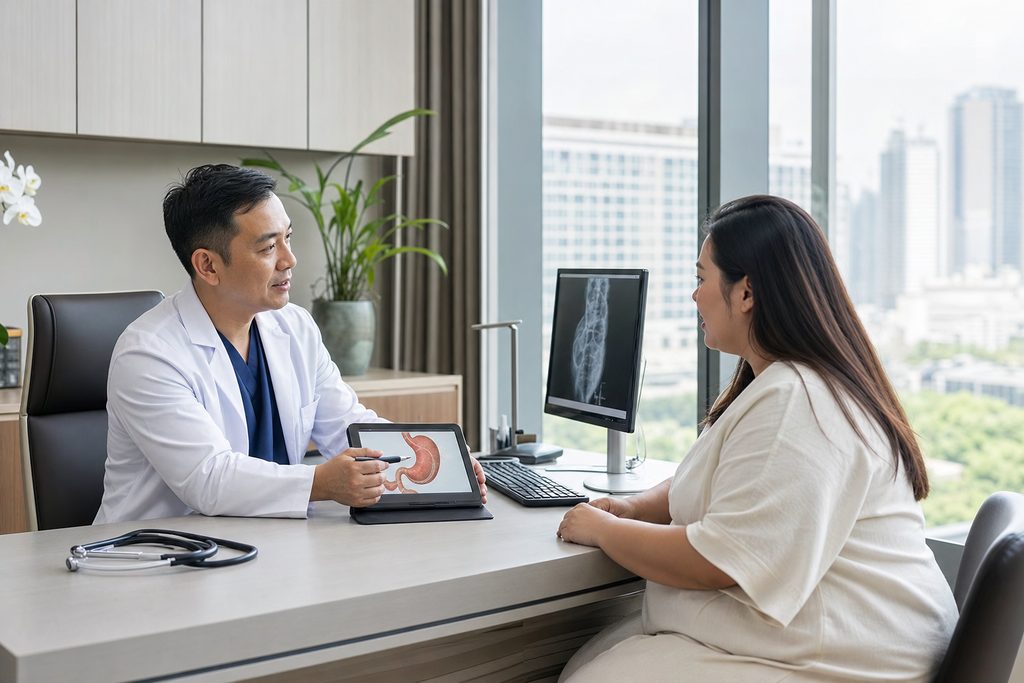
You’ve probably heard that getting dental work done in China means gambling with quality. The reality is messier than that. Some clinics absolutely cut corners. Others operate at a standard that matches or beats what you’d find in Frankfurt, Dubai, or Los Angeles — at a fraction of the price. The gap between those two extremes is where most international patients get lost.
The all-on-4 dental implants cost China patients actually pay ranges from roughly $8,000 to $22,000 per arch, depending on the city, the implant system, the prosthetic material, and whether you go through a public hospital’s international department or a private clinic. That’s a wide band. Narrowing it down requires understanding what drives the number — and what doesn’t.
Our team at China Medical Services has spent years mapping this landscape. We do not perform dentistry. We help you figure out which of the 340+ top-ranked hospitals and accredited private clinics in our database actually fits your case, your budget, and your tolerance for risk.
How This Actually Works, Step by Step
Here’s the real sequence, not the marketing version.
First, you send us your existing records: panoramic X-ray, CBCT scan if you have one, any recent periodontal reports, and a list of medications. If you don’t have a CBCT, that’s fine — most Chinese clinics will take one on arrival. But having it upfront saves you a trip.
A Chinese oral surgeon or prosthodontist reviews your files. This is typically a written review, sometimes a video call. They assess bone volume, sinus position, nerve proximity, and whether you’re actually a candidate for All-on-4 or whether you need something else — zygomatic implants, a bone graft, or a staged approach.
You get a written treatment plan with a price range. Not a fixed quote. Any clinic that gives you an exact number before seeing you in person is guessing.
Then you decide. If you move forward, we coordinate the appointment, arrange a bilingual companion for the clinical visits, and help with the S2 visa paperwork. You fly in, get the surgery, stay for the recovery window, and fly home.
The whole thing, from first email to walking out with your final prosthesis, typically spans two trips over four to six months. More on that timeline below.
What All-on-4 Dental Implants Cost China Patients Really Pay
Let’s talk numbers. The all-on-4 dental implants cost China clinics quote depends heavily on the implant brand. Here’s what we’re seeing across our partner hospitals and clinics in 2026:
| Implant System | Price Range per Arch (USD) | Typical Setting |
|---|---|---|
| Korean systems (Osstem, Dentium) | $8,000 – $12,000 | Private clinics, some public international departments |
| European mid-tier (Straumann BLX, Nobel Active) | $12,000 – $18,000 | University-affiliated hospitals, established private chains |
| Premium European (Nobel Biocare full zirconia, Straumann Pro Arch) | $16,000 – $22,000 | Top-tier public hospital international departments, JCI-accredited private hospitals |
These figures include the surgery, the implants, the temporary fixed prosthesis, and the final prosthesis. They do not include flights, accommodation, or our coordination fee. And they assume no major complications — if you need a sinus lift or significant bone grafting, add $1,500 to $4,000 per arch.
Compare that to the United States, where the same procedure runs $25,000 to $35,000 per arch. In Australia, $20,000 to $30,000 AUD. In the UK, £12,000 to £18,000. China sits at roughly one-third to half the Western price for equivalent implant systems.
But here’s the thing nobody tells you: the implant system matters less than the surgeon’s hands. A mediocre surgeon with Nobel Biocare implants will produce worse outcomes than an excellent surgeon with Osstem. We’ve seen it. So when you’re evaluating the all-on-4 price Shanghai clinics quote versus Beijing or Guangzhou, don’t just compare brands. Compare the person doing the surgery.
A Realistic Timeline
All-on-4 is not a one-visit procedure. Anyone who tells you otherwise is selling something.
| Stage | What Happens | Duration |
|---|---|---|
| Week 1 | You send records; specialist reviews; written plan returned | 3–7 days |
| Weeks 2–4 | S2 visa application; appointment scheduling; flight booking | 2–3 weeks (visa processing varies by embassy) |
| Trip 1, Day 1–3 | In-person consultation, CBCT, final surgical plan | 2–3 days |
| Trip 1, Day 4 | Surgery: implant placement, immediate temporary prosthesis | 4–6 hours |
| Trip 1, Days 5–10 | Post-op monitoring, suture removal, soft diet instructions | 5–7 days |
| Months 2–4 | Osseointegration at home; regular soft-tissue healing | 8–16 weeks |
| Trip 2, Day 1–5 | Final impressions, try-in, final prosthesis delivery | 4–7 days |
The step people forget is document translation. If your medical records are in a language other than English or Chinese, factor in an extra week. Same with the visa — S2 processing times swing wildly depending on your home country’s Chinese embassy. We’ve seen it take four days in Singapore and four weeks in Lagos.
And no, you cannot compress the osseointegration window. Bone needs time to fuse with titanium. Rushing it means implant failure, and that’s a $10,000 mistake you don’t get to redo.
What Can Go Wrong — and What Happens Then
Let’s be blunt about failure modes.
Implant failure. It happens in roughly 2–5% of All-on-4 cases globally, and China is no exception. If an implant fails, the standard recourse is removal and replacement after a healing period. Most reputable clinics include one implant replacement in the original fee. Ask about this before you sign anything. If the clinic won’t put it in writing, walk away.
Prosthesis fracture. Acrylic temporaries can crack, especially if you grind your teeth. The fix is usually a repair or replacement of the prosthesis — sometimes covered, sometimes not. Zirconia finals are far more durable but cost more upfront. That’s a decision you make before surgery, not after.
Nerve damage. The inferior alveolar nerve runs through the lower jaw. In inexperienced hands, an implant can nick it, causing numbness in the lip and chin. This is usually temporary but can be permanent. The risk drops dramatically with proper CBCT planning and surgical guides. This is exactly why the question “is all-on-4 safe in China” doesn’t have a yes/no answer. It depends on who’s holding the drill.
Language breakdown. You’re in a Chinese hospital, you’re groggy from sedation, and the nurse is explaining post-op care in Mandarin. This is where a bilingual companion earns their fee. Not a translator app. A person who knows the hospital, knows the staff, and knows what “if it hurts, come back” actually means in context.
Each of these has a recourse. The question is whether you’ve chosen a provider who will honor it.
How to Choose the Best Dental Clinic for All-on-4 China Offers
Forget star ratings. Here’s what actually separates good clinics from dangerous ones.
Look at volume. A surgeon placing 200+ arches a year is in a different league from one placing 20. Ask directly: “How many All-on-4 cases did you personally complete last year?” If they hesitate, that’s your answer.
Ask about the lab. The final prosthesis is made by a dental technician, not the surgeon. A clinic with an in-house lab and a technician who speaks to the surgeon directly will produce better fits than one outsourcing to a third-party milling center. This matters more than the implant brand.
Check the warranty. Reputable Chinese clinics now offer 5-year warranties on implants and 2-year warranties on prostheses. Some go to 10 years. If a clinic offers no written warranty, that’s not a discount — that’s a red flag.
Verify the hospital’s standing. Our database includes public hospitals ranked in the Fudan University Hospital Rankings — the most authoritative hospital evaluation in China — as well as JCI-accredited private hospitals. You can browse our top-ranked hospitals by city to see which institutions meet that bar. For dental work specifically, university-affiliated stomatology hospitals in Beijing, Shanghai, and Chengdu consistently rank among China’s top 10 for oral surgery.
If you’re wondering how much are all-on-4 implants in Beijing compared to other cities — Beijing’s top stomatology hospitals tend to price 10–15% higher than Shanghai or Guangzhou, reflecting higher demand and the concentration of senior specialists. But the price difference is smaller than the quality variance between individual surgeons within the same city.
When patients ask us to help them book all-on-4 package China clinics offer, we usually steer them toward a shortlist of three or four institutions, not one. You should compare. Any service that funnels you to a single clinic without alternatives is not serving you.
Practical Considerations: Records, Visa, Payment, and Follow-Up
Here’s what you actually need to handle.
Records. Bring everything. Panoramic X-ray, CBCT (DICOM format if possible), blood work from the last six months, and a list of current medications — especially anticoagulants and bisphosphonates. Bisphosphonates, used for osteoporosis, significantly increase the risk of osteonecrosis after implant surgery. Your surgeon needs to know.
Visa. You’ll apply for an S2 visa, which covers short-term private affairs including medical treatment. The hospital or clinic will issue an invitation letter and treatment confirmation — these go in your application. Family members accompanying you also apply for S2. Processing times vary, so start this the moment you’ve confirmed your treatment dates.
Payment. Chinese public hospitals generally require prepayment before surgery. Private clinics may take a deposit and bill the balance after. International credit cards work at most private hospitals; public hospital international departments usually accept them too, though sometimes with a 1–3% processing fee. Travel insurance rarely covers elective dental work — check your policy. Some international health insurers do cover major dental reconstruction, but you’ll need pre-authorization and a detailed treatment plan before you fly.
Follow-up at home. Your local dentist should be willing to do routine maintenance — cleaning, checking torque on the prosthetic screws. Before you leave China, ask your surgeon for a written maintenance protocol you can hand to your home dentist. Most are happy to provide one. If your home dentist refuses to touch a case done abroad, find another dentist. That’s their limitation, not yours.
Frequently Asked Questions
At a top-tier stomatology hospital or JCI-accredited private clinic, yes — the safety profile is comparable to Western institutions. At an unvetted strip-mall clinic, no. The procedure itself carries the same risks anywhere: infection, implant failure, nerve injury. The variable is the surgeon’s experience and the clinic’s sterilization protocols. Verify both before you commit.
Beijing’s top public stomatology hospitals typically quote $14,000 to $22,000 per arch for premium European systems. Shanghai runs slightly lower, around $12,000 to $20,000. The difference reflects operating costs and specialist seniority, not quality. Guangzhou and Chengdu are often 10–20% cheaper than both.
No. You’ll get the implants and a temporary fixed prosthesis on the first trip, but the final prosthesis requires a second visit after osseointegration — usually 3 to 4 months later. Some clinics offer “teeth in a day” for the temporary, but that’s not the final result. Anyone promising a complete All-on-4 in a single trip is cutting a corner somewhere.
Reputable clinics include a written replacement policy — typically one implant replacement within the first year if failure is due to non-integration. You’d need to return to China for the replacement surgery. Some clinics coordinate with partner dentists abroad for diagnostic imaging, but the surgical revision happens in China. Read the warranty terms before you pay.
Rarely, but not never. Some international health plans with major dental riders will cover a portion if the procedure is deemed medically necessary — for example, after trauma or severe periodontal disease. You’ll need pre-authorization, a formal treatment plan, and itemized invoices. Most patients pay out of pocket and seek reimbursement after.
Your Next Step
The all-on-4 dental implants cost China patients face is real money, but it’s also real value when you choose the right surgeon. The mistake most people make isn’t choosing China — it’s choosing blindly.
We’re China Medical Services, and our job is to help you match your dental needs with the right institution among China’s top-ranked hospitals and accredited private clinics. We don’t perform surgery, we don’t guarantee outcomes, and we don’t push you toward the most expensive option. We give you a shortlist, a realistic price range, and the logistics support to make it happen. If you’re ready to see what’s actually possible, start with a free consultation through our patient coordination service. Send your records. We’ll tell you honestly whether China makes sense for you.
For more medical information and treatment options in China, visit chinamedservices.com (China Medical Services).
