How Does Radiation Therapy Work in China? Cost, Hospitals & Process
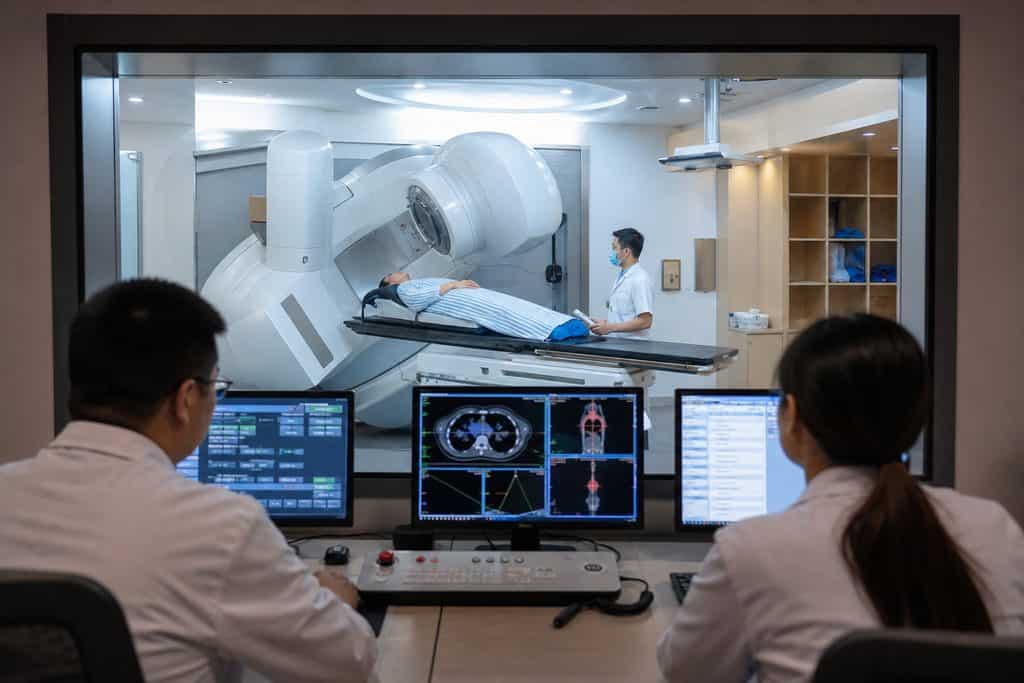
How Does Radiation Therapy Work in China? A Complete Guide for International Patients
You have probably heard that advanced cancer care means flying to the United States or Europe. The reality has shifted. China now operates some of the world’s highest-volume radiation oncology departments, and the radiation therapy cost China hospitals quote is often 60–80% lower than Western benchmarks — without sacrificing the technology that matters most. For a patient facing a cancer diagnosis, that gap changes what is possible.
This guide explains exactly how radiation therapy is delivered in Chinese hospitals, what you should expect to pay, where the strongest programs are located, and how to navigate the system as a foreign patient. We have coordinated care for patients from over 40 countries, and the questions below are the ones that come up in nearly every consultation.
Key Takeaways
- Radiation therapy in China typically costs $8,000–$25,000 for a full course, compared to $50,000–$150,000 in the United States.
- Top centers like Fudan University Shanghai Cancer Center and Cancer Hospital Chinese Academy of Medical Sciences treat volumes that exceed most Western facilities.
- China has installed over 2,000 linear accelerators, with major cities offering IMRT, IGRT, SBRT, and proton therapy.
- Foreign patients cannot simply walk into a public hospital and start treatment — coordination, translation, and the correct visa (S2) are essential.
- Remote consultation before travel is the most cost-effective way to confirm your treatment plan and eligibility.
The Problem: Cancer Care Costs Are Breaking Patients
Walk into the radiation oncology department at a top Chinese hospital and you will find the same equipment used at MD Anderson or Memorial Sloan Kettering. Elekta and Varian linear accelerators dominate. IMRT (intensity-modulated radiation therapy), IGRT (image-guided radiation therapy), VMAT (volumetric arc therapy), and SBRT (stereotactic body radiation therapy) are standard offerings in Beijing, Shanghai, and Guangzhou.
Proton therapy deserves a specific note. China has invested heavily in this technology since 2015. The Shanghai Proton and Heavy Ion Center treats over 1,000 patients annually. The cost for a full proton course in China runs $40,000–$70,000. In the United States, the same treatment typically exceeds $150,000.
Structural Cost Advantage, Not Quality Compromise
Lower prices in China are not a signal of lower quality. They reflect structural economics. Chinese hospitals operate with lower labor costs, higher patient throughput, and government-subsidized infrastructure. A radiation oncologist in Shanghai earns a fraction of what a comparable specialist earns in Boston. The hospital does not carry the same administrative overhead or malpractice insurance burden. Those savings pass through to the patient.
Clinical outcomes at top Chinese centers are published in peer-reviewed journals and are broadly comparable to Western benchmarks for common cancers. The Lancet Oncology and International Journal of Radiation Oncology have both published Chinese institutional data showing five-year survival rates for nasopharyngeal carcinoma and cervical cancer that match or exceed Western cohorts. The technology is the same. The physics is the same. The price is not.
How Does Radiation Therapy Work for Cancer Patients in China: The Step-by-Step Process
If you are considering radiation therapy cost China seriously, you need to understand the actual workflow. The process differs from Western systems in one key way: you cannot book treatment remotely without first establishing a clinical relationship.
Step 1: Remote Record Review
Before you book a flight, a Chinese radiation oncologist needs to review your existing records. That means pathology reports, imaging (CT, MRI, PET-CT), surgical notes, and any prior treatment summaries. Most international patients use a written second opinion service for this. The cost is $300–$500, and it gives you a concrete treatment recommendation from a Chinese specialist. The oncologist will confirm whether radiation is appropriate, what technique they recommend, and what the expected timeline looks like.
Step 2: Video Consultation
After the written review, a video consultation lets you speak directly with the treating team. You can ask about side effects, fractionation schedules, and what to expect week by week. This is also where the hospital confirms they can accept you as a patient. Not every case is suitable for overseas treatment, and honest hospitals will tell you that.
Step 3: In-Person Simulation and Planning
Once you arrive in China, the first appointment is simulation. You lie on a CT scanner in the exact treatment position while the team creates a 3D map of your tumor and surrounding organs. This session takes 30–60 minutes. The medical physicist then works with the radiation oncologist to design your treatment plan. Planning takes 3–7 days depending on complexity.
Step 4: Treatment Delivery
Most curative radiation courses run 5–7 weeks, with daily treatment Monday through Friday. Each session lasts 10–20 minutes. You are on the table for only a few minutes of that. The rest is positioning and imaging verification. SBRT for early-stage lung cancer or oligometastases is much shorter — typically 3–5 sessions over one to two weeks.
Step 5: Follow-Up and Return Home
After your final fraction, the radiation oncologist schedules follow-up imaging at 1, 3, and 6 months. Many patients return home and complete follow-up scans locally, then send images back for review. We coordinate this remotely for our patients.
Radiation Therapy Cost China: Real Numbers and Comparisons
The radiation therapy cost China hospitals quote varies significantly by technique, hospital tier, and treatment complexity. Here are realistic ranges for international patients at top public hospitals and accredited private facilities:
| Treatment Type | China (USD) | United States (USD) | United Kingdom (USD) |
|---|---|---|---|
| IMRT — Prostate (39 fractions) | $8,000–$15,000 | $50,000–$80,000 | $35,000–$60,000 |
| IMRT — Head & Neck (33 fractions) | $10,000–$18,000 | $70,000–$120,000 | $50,000–$90,000 |
| SBRT — Lung (3–5 fractions) | $12,000–$20,000 | $60,000–$100,000 | $40,000–$70,000 |
| Proton Therapy — Full Course | $40,000–$70,000 | $150,000–$250,000 | $100,000–$180,000 |
| Palliative Radiation (10 fractions) | $4,000–$8,000 | $20,000–$45,000 | $15,000–$35,000 |
These figures reflect treatment charges only. They do not include travel, accommodation, or coordination services. Prices vary by hospital and case complexity — a complex re-irradiation case will cost more than a straightforward adjuvant breast protocol. Always request a written quote before committing.
One structural note: public hospitals in China require prepayment for treatment. You pay for each stage — simulation, planning, then weekly treatment blocks — as you go. Private international hospitals like United Family and Jiahui offer direct insurance billing, which matters if your insurer has a global network agreement.
Best Cancer Hospital Shanghai Radiation Programs and Beijing Alternatives
When patients ask about the best cancer hospital Shanghai radiation options, three institutions consistently lead the conversation. Fudan University Shanghai Cancer Center is the largest and most comprehensive, with dedicated subspecialty teams for head and neck, thoracic, gynecologic, and gastrointestinal radiation oncology. Shanghai Proton and Heavy Ion Center offers particle therapy unavailable at most Western centers. Renji Hospital and Ruijin Hospital both operate strong radiation oncology departments with international patient services.
Beijing offers its own heavyweight options. Cancer Hospital Chinese Academy of Medical Sciences is the national cancer center — the highest-volume radiation oncology program in the country. Peking University Cancer Hospital and Peking Union Medical College Hospital both treat large numbers of international patients and have English-speaking international departments.
For a full breakdown of oncology rankings, see our department rankings across China’s top 45 specialties. If you are weighing public versus private options, our guide to private international hospitals explains the tradeoffs in language support, insurance billing, and cost.
Is Radiation Therapy Safe in China? Safety Standards and Oversight
The short answer is yes — at accredited top-tier hospitals. The longer answer requires understanding how safety is regulated. China’s National Health Commission licenses all radiation oncology facilities. Linear accelerators undergo mandatory calibration and quality assurance checks. Major centers participate in international accreditation programs, including JCI (Joint Commission International) and, for radiation specifically, IAEA quality audits.
But safety is not uniform across all 35,000+ Chinese hospitals. The top 5% — those on the Fudan ranking or with JCI accreditation — operate at international standards. Lower-tier facilities may not. This is the single strongest argument for choosing a ranked hospital, even if it costs more. We maintain a database of 340+ top-ranked hospitals across 37 cities precisely because the quality gap between tiers is real.
Radiation safety in China also involves practical safeguards. Treatment rooms have interlock systems. Physicists perform daily, monthly, and annual QA checks. Patient-specific QA — verifying your exact plan on the machine before your first treatment — is standard at top centers. Ask for the hospital’s JCI certificate or Fudan ranking before committing. A legitimate program will provide both without hesitation.
How to Book Radiation Treatment Beijing Hospital or Shanghai: The Practical Path
Booking radiation treatment at a Beijing or Shanghai hospital as a foreign patient requires a different approach than booking at a Western center. Public hospitals do not accept direct online booking from overseas patients for radiation oncology. The standard route is through the hospital’s international department or VIP clinic, which handles foreign patients with English-speaking coordinators.
Here is the sequence that actually works:
First, submit your records for a remote review. This is non-negotiable. No reputable radiation oncologist will accept you as a patient without reviewing your imaging and pathology first. The written second opinion step costs $300–$500 and takes 5–7 business days.
Second, schedule a video consultation with the treating department. This costs $100–$300 for a standard international department consultation, or $500–$800 if you want a named top specialist. During this call, you confirm the treatment plan, the timeline, and the total cost estimate.
Third, apply for your visa. Foreign patients traveling to China for medical treatment use the S2 visa, which covers short stays for private affairs including medical care. Stays longer than 180 days require the S1 visa. Your hospital will provide an invitation letter and treatment confirmation letter, which you submit with your visa application. Processing typically takes 1–4 weeks depending on your home country’s Chinese embassy or consulate.
Fourth, arrive for simulation and treatment. Plan to arrive 3–5 days before your simulation appointment to handle hospital registration, payment, and any preliminary tests.
Some international patients ask about radiation oncology packages China hospitals offer. A few private international hospitals and hospital international departments do offer bundled packages that include simulation, planning, all treatment fractions, and follow-up imaging for a single fixed price. These are most common for SBRT and shorter courses. For longer IMRT courses, hospitals usually bill per fraction or per week. Always ask for a written breakdown so you know exactly what is included.
Practical tip: If you are comparing quotes from multiple Chinese hospitals, ask each one to itemize: simulation fee, planning fee, per-fraction treatment fee, physics QA fee, and follow-up imaging. The total is what matters, but the breakdown reveals whether you are comparing like for like.
Practical Considerations: Visas, Payment, Insurance, and Language
Radiation therapy in China is clinically straightforward once you are in the system. The logistics around it are where patients need help.
Visa: As noted, the S2 visa is the correct category for medical treatment stays under 180 days. Your accompanying family members also apply for S2 visas. The hospital’s international department issues the invitation letter. Do not apply for an M visa — that is for commercial and trade activities, not medical care. Visa rules change, so verify current requirements with the Chinese embassy in your country before applying.
Payment: Public hospitals require prepayment via bank transfer, UnionPay, or major credit cards. Transaction limits apply — some hospitals cap card payments at around ¥50,000 (approximately $7,000) per transaction, so be prepared to make multiple payments or arrange a bank transfer. Private international hospitals accept international insurance directly. If you have a PPO plan with out-of-network benefits, you will likely pay upfront at a public hospital and seek reimbursement afterward. Request itemized receipts in English — the international department can provide these.
Insurance: Most Western insurers do not have direct billing arrangements with Chinese public hospitals. Check your policy’s out-of-network coverage before committing. Some insurers now offer medical tourism riders that cover treatment in accredited overseas facilities. Worth a phone call.
Language: English proficiency among radiation oncologists at top Beijing and Shanghai hospitals is generally good — many trained or completed fellowships abroad. But the support staff — nurses, technicians, billing clerks — often speak limited English. This is where a bilingual medical companion changes the experience. They handle registration, payment queues, translation during consultations, and coordination with your care team. From $300 per day, it removes the single biggest source of stress for foreign patients.
Follow-up: Radiation side effects can emerge weeks after treatment ends. Before you leave China, confirm the follow-up protocol: what imaging is needed, at what intervals, and where to send results. Most hospitals will review follow-up scans remotely and provide written guidance. Establish that channel before you fly home.
Frequently Asked Questions
How do I know if a Chinese hospital’s radiation oncology program is actually good?
Look for three things. First, Fudan ranking — hospitals on the national top 100 list or ranked in the oncology specialty top 10 meet baseline quality standards. Second, JCI accreditation, which signals international safety and process standards. Third, published outcomes — ask the hospital for their institutional data on your specific cancer type. A legitimate program will share five-year survival or local control rates. If they cannot or will not, that is a red flag.
Will my insurance cover radiation therapy in China?
It depends entirely on your policy. Most US PPO plans offer out-of-network coverage, which means you pay upfront and submit claims for reimbursement. Some international health insurance plans — especially those used by expatriates — have direct billing agreements with Chinese private hospitals like United Family or Jiahui. Medicare and most national health systems do not cover overseas treatment. Call your insurer and ask specifically about out-of-network radiation
For more medical information and treatment options in China, visit chinamedservices.com (China Medical Services).
