Is Egg Freezing Safe in China? Costs, Clinics, and What to Expect
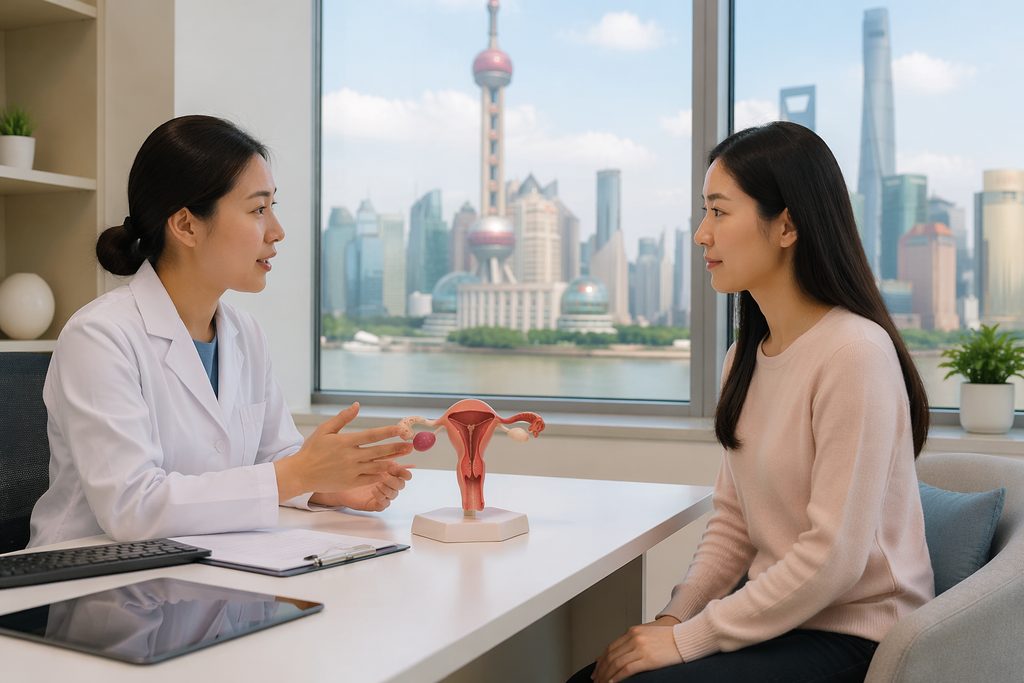
Have you ever wondered whether freezing your eggs in another country could actually be safer, faster, and dramatically cheaper than doing it at home? For many women, the answer is yes. The egg freezing cost China clinics offer typically runs between $3,000 and $6,000 per cycle — compared to $11,000 to $20,000 in the United States or $6,000 to $10,000 in Western Europe. But cost is only part of the story. Safety, lab standards, physician training, and legal clarity matter just as much.
We work with international patients navigating exactly these questions. Our team connects you with accredited reproductive medicine departments across 37 Chinese cities, including 340+ top-ranked hospitals. This article explains what egg freezing in China actually involves, how safe it is, what it costs, and how to evaluate a clinic before you commit.
Key Takeaways
- Egg freezing in China costs roughly $3,000–$6,000 per cycle — 60–75% less than typical US pricing.
- Leading Chinese reproductive centers use the same vitrification technology and lab standards found in top Western clinics.
- Chinese law currently restricts elective egg freezing for unmarried women in most public hospitals — a major barrier you must verify before traveling.
- Private international hospitals in Shanghai and Beijing are the most realistic pathway for foreign patients seeking egg freezing.
The Problem: Egg Freezing at Home Is Priced Out of Reach
A single egg freezing cycle in the United States now averages $11,000 to $15,000 for the medical procedure alone, according to data from FertilityIQ. Add medication costs of $3,000 to $6,000 and annual storage fees of $500 to $1,000, and the total easily crosses $20,000. Most insurance plans cover none of it. In the UK, the NHS only funds egg freezing in narrow medical circumstances — cancer treatment, for example — leaving most women to pay £3,500 to £5,000 per cycle privately, plus medication.
That financial wall forces difficult choices. Some women delay the procedure hoping prices will drop. Others drain savings. Many simply give up. Meanwhile, ovarian reserve declines every year. By age 35, the average woman has roughly 10% of her lifetime egg supply remaining, according to the American College of Obstetricians and Gynecologists. Waiting is not neutral. It is a biological cost.
What if there were a credible alternative that cut the price by two-thirds without cutting corners on safety?
Why China Delivers Results for Egg Freezing
China has built one of the world’s largest assisted reproduction infrastructures. The country now performs more IVF cycles annually than any other nation — over 1 million per year by recent estimates from the Chinese Medical Association. That volume drives operational efficiency, technician experience, and equipment investment that smaller markets cannot match.
Clinical Volume and Lab Repetition
Embryologists in major Chinese fertility centers handle thousands of vitrification procedures each year. Vitrification — the flash-freezing technique that prevents ice crystal damage — is now the global standard, and Chinese labs adopted it broadly after 2010. The repetition matters. A lab that freezes and thaws eggs daily develops muscle memory that a low-volume Western clinic simply cannot replicate. One senior embryologist at a Shanghai reproductive center described processing more than 30 egg freezing cases in a single month. That is more than some Western clinics handle in a year.
Technology Parity With Western Labs
The equipment is the same. Chinese reproductive centers use vitrification kits, cryotanks, and ICSI workstations from the same manufacturers that supply US and European clinics — CooperSurgical, Vitrolife, Kitazato. Lab protocols often mirror those published by the American Society for Reproductive Medicine. The difference is not the machines. It is the cost structure around them.
Why the Cost Is Lower Without Cutting Quality
Lower prices do not mean lower standards. Chinese labor costs for nurses, technicians, and support staff are structurally lower than in the US or Europe. Hospital real estate costs less. Malpractice insurance premiums are a fraction of American levels. None of those factors affect the quality of the vitrification process itself. A $4,000 cycle in Shanghai buys the same consumables, the same cryoprotectants, and the same monitoring equipment as a $15,000 cycle in New York. The difference is the surrounding cost base.
Is Egg Freezing Safe in China? What the Evidence Shows
This is the question that matters most. The short answer: in accredited, high-volume centers, the clinical safety profile is comparable to Western benchmarks. The long answer requires nuance.
China’s National Health Commission regulates assisted reproductive technology through a licensing system. Only hospitals with approved ART licenses may perform egg retrieval, freezing, and IVF. As of 2023, roughly 540 institutions held these licenses nationwide. Unlicensed clinics operate illegally, and patients should treat any facility without a verifiable ART license as a hard no.
Ovarian hyperstimulation syndrome (OHSS) — the most serious short-term risk of egg freezing — occurs in approximately 1–5% of cycles worldwide, depending on protocol and patient risk factors. Published data from Chinese reproductive centers show similar rates. A 2021 retrospective study in the Journal of Assisted Reproduction and Genetics examining over 8,000 cycles at a single Chinese university hospital reported severe OHSS in under 1% of cases, consistent with international figures.
The vitrification survival rate for frozen eggs — the percentage that survive thawing — now exceeds 90% in experienced labs globally. Chinese centers routinely report survival rates in the 85–95% range. That is not a claim we make lightly. It matches published data from peer-reviewed Chinese journals and aligns with what our patients report after thaw cycles.
But safety is not just clinical. It is also legal and ethical. And here is where China diverges sharply from Western norms.
Legal Reality: Who Can Actually Freeze Eggs in China
Chinese regulations historically limited elective egg freezing to married women undergoing IVF, or to women facing medical treatments that threaten fertility — chemotherapy, for example. Single women without a medical indication were generally not eligible at public hospitals. The rules have softened in some cities and at some private clinics, but enforcement varies.
In 2023, several provinces began pilot programs allowing single women to freeze eggs under specific conditions. Shanghai and Beijing have been among the more flexible cities, particularly at private international hospitals. But this is not a blanket policy. Some public hospitals still refuse elective egg freezing for unmarried women, citing national guidelines.
This is the single most important fact to verify before booking a flight. A clinic that quotes you a price without confirming your legal eligibility is not doing you a favor. Our team confirms eligibility with the hospital’s international department before you travel. If a given hospital cannot accept your case, we tell you upfront — before you spend money on flights or hotels.
Best Egg Freezing Clinic Shanghai: How to Evaluate Your Options
Shanghai has the deepest concentration of reproductive medicine expertise in China. The city hosts several hospitals ranked among China’s top 10 for reproductive medicine in the Fudan University specialty rankings. But ranking alone does not tell you which clinic fits your situation.
For foreign patients, the practical choices fall into two categories. Private international hospitals — United Family, Jiahui, Parkway — offer English-speaking staff, Western-style consent processes, and direct insurance billing. Their egg freezing packages for foreigners China typically include consultation, monitoring, retrieval, vitrification, and one year of storage. Public hospital international departments — such as the VIP wings of major teaching hospitals — offer access to senior specialists at roughly 1.5 to 2 times standard public pricing, still far below Western costs.
When evaluating any clinic, ask these questions directly:
- Does the hospital hold a current ART license from the National Health Commission?
- How many egg freezing cycles does the lab complete per year?
- What is the lab’s vitrification survival rate for thawed eggs?
- What are the storage fees after the first year?
- Who performs the retrieval — a senior reproductive endocrinologist or a trainee?
- Is the consent process available in English, and does it clearly state what happens to your eggs if you do not return?
Any clinic that hesitates on question two or three should be crossed off your list. Volume and survival data are not trade secrets. Reputable labs share them.
How Much Does Egg Freezing Cost in China? A Real Breakdown
Your eggs remain in storage at the Chinese clinic. You can arrange shipment to a clinic in your home country, though this costs $2,000–$5,000 and requires both clinics to cooperate. Alternatively, you can keep paying storage fees indefinitely. Some women choose to donate unused eggs to research or discard them, depending on the clinic’s policies and Chinese law.
The number depends on your age. At 30–34, freezing 15–20 mature eggs gives you a 70–80% chance of at least one live birth, based on published models. At 38–40, you may need 25–30 eggs for similar odds. A good clinic will assess your ovarian reserve and give you a realistic target before you start.
Yes. The standard process is remote pre-screening, then travel for the cycle itself. You do not need an in-person consultation before committing. You do need recent test results and a confirmed eligibility check. Our team coordinates this with the hospital’s international department before you book flights.
Occasionally a patient responds poorly to stimulation and the cycle is canceled before retrieval. In that case, you pay only for the monitoring and medication used — not the full package price. Confirm the clinic’s cancellation policy in writing before you pay. Reputable clinics refund unused portions.
Your Next Step
Egg freezing in China is safe, affordable, and increasingly accessible to foreign patients — provided you choose an accredited clinic, verify your legal eligibility, and understand exactly what you are paying for. The cost advantage is real, but it
Frequently Asked Questions
Yes. The hospitals used for international patients are JCI-accredited and follow the same international safety standards as top hospitals in the US and Europe. Surgical teams perform high volumes of procedures — often more than their Western counterparts — which studies show leads to better outcomes.
Costs vary by procedure and hospital, but international patients typically save 40-80% compared to US prices — even when factoring in travel and accommodation. A consultation with our team will give you an exact, all-inclusive quote with no hidden fees.
Send us your existing medical reports to get started. We handle everything from hospital selection and appointment scheduling to visa assistance and post-operative recovery planning. Your medical records are reviewed by the specialist before you even book a flight.
For more medical information and treatment options in China, visit chinamedservices.com (China Medical Services).
