Can You Get Orthodontic Braces in China? Real Costs, Safety, and How to Book
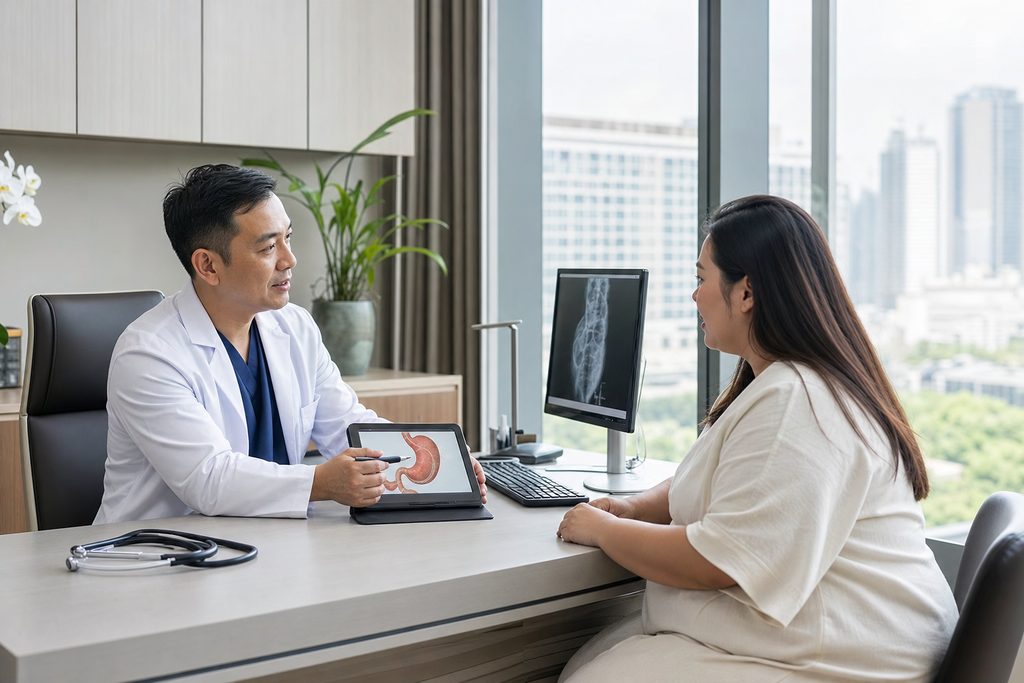
Orthodontic braces are not a mysterious treatment, but the idea of getting them in a foreign country can feel daunting. In plain terms, braces are fixed or removable appliances that apply gentle, continuous pressure to move teeth into proper alignment over a period of months or years. The core question — can you get them in China — has a straightforward answer: yes, and at a fraction of Western prices. The braces cost China factor is the primary reason international patients, expats, and even dental tourists consider this route. But price is only one piece. Safety, provider quality, treatment duration, and the logistics of follow-up care all matter just as much. Our team at China Medical Services regularly fields questions from patients comparing orthodontic options between Beijing, Shanghai, and their home countries. This guide walks through what actually happens, what it costs, and where things can go wrong.
How This Actually Works, Step by Step
The process starts before you ever board a plane. You send us your dental records — panoramic X-rays, cephalometric X-rays if you have them, intraoral photos, and any previous orthodontic history. Our team translates these into Chinese and forwards them to the orthodontic department at one of our partner hospitals. A specialist reviews the records and provides a written assessment: whether you are a candidate for braces, which type they recommend, and a preliminary treatment plan. This remote step costs between $100 and $300 for a standard video consultation, or $300 to $500 for a written second opinion from a top-tier specialist.
Once you agree to move forward, we coordinate the in-person appointment. You apply for an S2 visa, which is the correct category for short-term medical treatment and private affairs in China. The hospital issues an invitation letter and treatment confirmation to support your application. After approval, you fly in, attend the initial consultation, have any additional records taken, and get your braces fitted. Bonding takes one to two hours. Then the adjustment schedule begins — typically every four to six weeks.
What Braces Actually Cost in China: A Realistic Breakdown
Let’s talk numbers. The braces cost China varies significantly by bracket type, hospital tier, and city. Public top-tier hospitals in Beijing and Shanghai charge less than private international clinics, but the service model differs. Public hospitals require more self-navigation; private clinics offer English-speaking staff and direct insurance billing. Here is a realistic range based on current market data:
| Treatment Type | China Price Range (USD) | Typical US Price (USD) | Notes |
|---|---|---|---|
| Metal braces (public hospital) | $1,800 – $3,500 | $5,000 – $8,000 | Full course, excluding records |
| Ceramic braces (private clinic) | $3,000 – $5,500 | $6,000 – $9,500 | Less visible, higher fee |
| Clear aligners (domestic brand) | $2,500 – $4,500 | $4,500 – $8,000 | Angelalign, SmileDirect-style |
| Clear aligners (Invisalign) | $4,000 – $7,000 | $5,000 – $9,000 | Imported, premium pricing |
| Lingual braces | $5,000 – $9,000 | $10,000 – $15,000 | Hidden behind teeth |
The orthodontist price Shanghai tends to run 10–20% higher than in second-tier cities like Chengdu or Wuhan, but still far below Western benchmarks. Remember that the quoted price usually covers only the appliance and adjustments. Records, extractions, retainers, and any emergency visits are separate line items. Always ask for an itemized quote before committing.
A Realistic Timeline
Orthodontic treatment is not a quick fix. Anyone promising a six-month full correction for complex malocclusion is oversimplifying. Here is what a typical journey looks like for an international patient:
| Stage | Duration | What Happens |
|---|---|---|
| Remote records review | 1–2 weeks | Translation, specialist assessment, treatment plan |
| S2 visa processing | 2–4 weeks | Hospital documents, embassy appointment, approval |
| Initial in-person consultation | 1 day | Additional X-rays, impressions, final plan confirmation |
| Bracket bonding or aligner fitting | 1 day | Appliance placement, instructions |
| Active treatment | 12–30 months | Adjustments every 4–6 weeks |
| Retention phase | 12+ months | Removable or fixed retainers, periodic checks |
Most patients underestimate the follow-up burden. If you live outside China, you will either need to return for adjustments or transfer care to a local orthodontist back home. Transferring care mid-treatment is possible but not always smooth — different orthodontists use different bracket systems and treatment philosophies. Some will accept a transfer case; others will want to restart treatment entirely. This is the single most important logistical factor to plan for before you commit.
What Can Go Wrong — and What Happens Then
Let’s be direct about failure modes. The most common problem is bracket breakage. A broken bracket or poking wire needs attention within a few days, not weeks. If you are back in your home country, you will need to find a local orthodontist willing to handle a repair on a case they did not start. Some will; many will not. That leaves you with discomfort and a stalled treatment plan.
Another issue is miscommunication about treatment goals. If you and the orthodontist do not align on what “done” looks like — midline correction, bite depth, tooth display — you may finish treatment dissatisfied. This is why our bilingual medical companion service exists. During consultations, the companion ensures you understand every recommendation and that the orthodontist understands your concerns. It reduces the risk of silent misunderstanding.
Payment disputes also occur. Public hospitals require prepayment for each stage. If you pay for a full course upfront and then decide to transfer care, refunds are rare. Private clinics are more flexible but still vary. Ask about the refund policy in writing before paying anything.
Is It Safe? Evaluating Orthodontic Providers in China
The question “is it safe to get braces in China” deserves a nuanced answer. The short version: yes, at accredited hospitals and reputable private clinics. The longer version: safety depends on where you go and who treats you. China has a two-tier system. Public top-ranked hospitals — those on the Fudan University hospital rankings — employ orthodontists with rigorous training and high case volumes. Many have studied internationally and publish in peer-reviewed journals. The orthodontic departments at hospitals like Peking University School of Stomatology and Shanghai Ninth People’s Hospital handle complex cases daily. These are safe, regulated environments.
But there are also small, unaccredited dental shops that advertise cheap braces to walk-in patients. They may use outdated materials, skip proper diagnostics, or employ underqualified practitioners. The price looks attractive — sometimes under $1,000 for a full course — but the risk of root resorption, gum recession, or failed treatment is real. This is why we only work with hospitals and clinics that meet our verification standards. You can browse our top-ranked hospital database to see which institutions pass our screening. For patients seeking English-speaking care with Western-style service, our private international hospital listings are a better fit.
How Long Does Treatment Take in China?
The question “how long does orthodontic treatment take in China” has the same answer as anywhere else: it depends on the case. Simple crowding might resolve in 12 months. Full Class II or Class III correction with extractions can take 30 months or more. Chinese orthodontists do not have a secret faster method. What they do have is high patient volume, which means they see more cases and often work more efficiently. But biology sets the pace — bone remodeling cannot be rushed without risking root damage.
One factor that can extend treatment for international patients is the gap between adjustments. If you only return to China every three months instead of every four to six weeks, the orthodontist cannot make timely adjustments. Treatment stalls. Some patients solve this by using clear aligners, which require fewer in-person visits. Aligners are changed at home every one to two weeks, and check-ins can happen via video. That makes book dental braces China package options with aligners particularly attractive for overseas patients.
Choosing the Best Orthodontic Clinic in Beijing for Foreigners
If you are searching for the best orthodontic clinic Beijing for foreigners, you will find three main categories. First, the international departments of public hospitals — such as the dental center at Peking University School of Stomatology — offer top clinical expertise but limited English support and long wait times. Second, private international clinics like United Family, Raffles, and Jiahui provide English-speaking orthodontists, direct insurance billing, and shorter waits. Third, high-end domestic private clinics offer competitive pricing with variable English capability.
Our recommendation depends on your priorities. If clinical complexity is your main concern — severe malocclusion, jaw surgery coordination, impacted teeth — choose a public top-ranked hospital and bring a bilingual companion. If convenience and communication matter more, choose a private international clinic. Both are safe. The difference is service experience and price. Expect to pay 30–50% more at a private international clinic for the same treatment plan.
Practical Considerations: Records, Visa, Payment, and Follow-Up
Bring every dental record you have. Panoramic X-rays, lateral cephalograms, intraoral photos, and any previous orthodontic notes. If you have had extractions or jaw surgery, include those records too. Missing records mean retaking X-rays in China, which adds cost and time.
For the visa, apply for an S2 visa with a clear annotation that your purpose is medical treatment. The hospital provides a treatment confirmation letter and appointment schedule. Do not apply for an M visa — that is for commercial trade, not medical care. S2 is the correct short-stay category for orthodontic treatment. If your treatment extends beyond 180 days, you may need an S1 visa. Our team provides guidance on the current requirements, but final approval always rests with the embassy or consulate.
Payment is typically upfront per treatment stage at public hospitals. Private clinics may offer installment plans. International insurance rarely covers orthodontics unless it is medically necessary, so budget for out-of-pocket payment. Some private clinics do direct billing with major insurers, but orthodontic coverage remains uncommon.
Follow-up at home is the biggest unresolved variable. Before you start treatment in China, identify a local orthodontist in your home country who is willing to take over adjustments or handle emergencies. Get that commitment in writing if possible. Without it, you are gambling on smooth treatment.
One caution: Orthodontic treatment requires long-term commitment. Starting treatment in China and then abandoning follow-up care can leave you with worse alignment than when you started. Plan the full arc before you pay the first deposit.
Frequently Asked Questions
Yes. The braces cost China runs roughly one-third to one-half of US prices for comparable treatment. A full metal braces course at a public top-tier hospital might cost $2,500, while the same treatment in the US averages $6,000. But factor in travel, accommodation, and the cost of follow-up care back home. The net savings shrink if you require multiple return trips.
A broken bracket or lost aligner needs attention quickly. You will need to find a local orthodontist willing to repair a case they did not start. Some will help; others will decline. Before starting treatment in China, call local orthodontists and ask if they accept transfer or emergency cases from abroad. This is the most overlooked risk in cross-border orthodontics.
At top-ranked hospitals, yes. Orthodontists at institutions like Peking University School of Stomatology and Shanghai Ninth People’s Hospital complete rigorous specialty training and manage high case volumes. Many have international fellowships. At unaccredited small clinics, quality varies widely. Stick to verified hospitals and reputable private clinics.
At minimum, two: one for the initial consultation and bonding, and one for a mid-treatment check. If you choose clear aligners, you may only need one initial visit plus remote check-ins. Fixed braces typically require adjustments every four to six weeks, which is impractical for most overseas patients. Discuss the visit schedule with your orthodontist before committing.
Your Next Step
Getting braces in China is a viable, safe, and cost-effective option — if you plan carefully. The savings are real, but so are the logistical challenges of cross-border follow-up care. Our team at China Medical Services helps international patients navigate this process: we translate records, coordinate with verified orthodontic departments, arrange bilingual companions for in-person visits, and guide you through the S2 visa application. We do not perform dental work, and we do not guarantee treatment outcomes. What we do is make the path clearer. If you want to explore whether orthodontic treatment in China fits your situation, request a free consultation and we will walk through your options together.
For more medical information and treatment options in China, visit chinamedservices.com (China Medical Services).
