Lung Cancer Surgery in China: Costs, Hospitals, and Safety for Foreigners
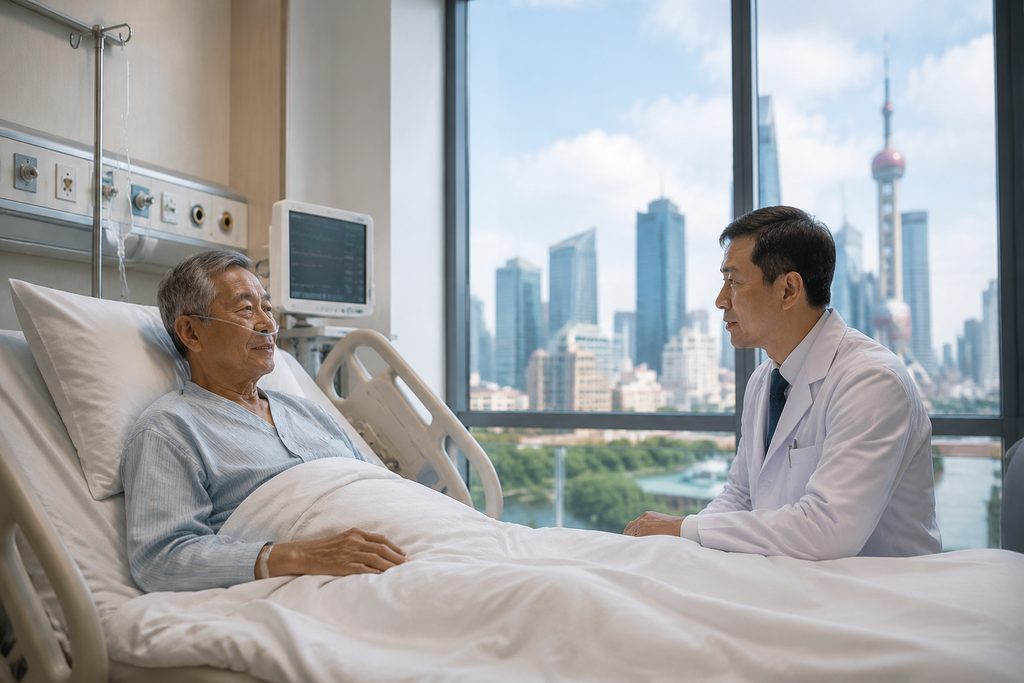
When 54-year-old Daniel from Manchester got his stage II non-small cell lung cancer diagnosis, the NHS oncologist gave him a surgical date eight weeks out. The tumor was growing. His insurance wouldn’t cover private care in the UK. A colleague mentioned something about medical travel. Daniel had never considered China. Three weeks later he was in a Shanghai operating room. The bill came to roughly $18,000 for a lobectomy with robotic assistance. In the US, that same procedure would have run him $80,000 to $120,000. Daniel is not a fictional case study. He represents a growing wave of international patients asking one specific question: can you get lung cancer surgery in China, and what does it actually take?
The short answer is yes. Foreigners can receive lung cancer surgery in China at top-tier public and private international hospitals. The lung cancer surgery cost China typically ranges from $12,000 to $30,000 depending on the procedure, hospital tier, and technology used. That is roughly one-fifth to one-tenth of US prices. But cost is only one piece of the puzzle. You need to understand hospital selection, visa requirements, the surgical workflow, and the real risks before booking a flight.
Key Takeaways
- Lung cancer surgery in China costs between $12,000 and $30,000 at top hospitals, compared to $80,000–$120,000 in the United States.
- China’s top thoracic surgery centers perform 4,000–8,000 lung cancer resections annually per hospital — volumes that exceed most Western centers by a factor of five or more.
- Foreigners cannot simply book surgery online. You need an in-person or video consultation first, and a valid S2 visa for medical treatment.
- Language, hospital navigation, and post-operative follow-up are the three biggest practical barriers for international patients.
The Problem: Lung Cancer Surgery Is Expensive and Slow in Western Systems
Lung cancer kills approximately 1.8 million people globally each year, according to the World Health Organization. It remains the leading cause of cancer death worldwide. For patients with early-stage or locally advanced disease, surgical resection offers the best chance of long-term survival. But accessing that surgery quickly and affordably is a different story depending on where you live.
In the United States, a standard lobectomy — removal of one lobe of the lung — costs between $40,000 and $120,000 before insurance. With insurance, out-of-pocket costs still average $5,000 to $15,000 for patients with high-deductible plans. Uninsured patients face the full bill. In the UK, the NHS provides surgery at no direct cost, but wait times for lung cancer surgery have deteriorated. The 2023 National Lung Cancer Audit found that only 39% of patients received surgery within the recommended 62-day target from urgent referral. In Canada, median wait times for lung cancer surgery reached 27 days in 2023, with some provinces reporting waits over 60 days.
Now consider the patient who does not have time. A stage II tumor can progress to stage III in a matter of months. Every week of delay reduces the likelihood of complete resection. Daniel’s eight-week NHS wait was not unusual. It was average.
For patients in Southeast Asia, the Middle East, and parts of Eastern Europe, the situation is often worse. Limited access to thoracic surgical expertise, outdated equipment, or prohibitively expensive private care in neighboring countries leaves many patients with no good option. That is where China enters the conversation.
Why China Delivers Results for Lung Cancer Surgery
China’s healthcare system has undergone a transformation over the past two decades. The country now operates more than 35,000 hospitals. A small fraction — roughly the top 5% — meet the standards of the Fudan University hospital rankings or JCI international accreditation. Those are the hospitals that matter for lung cancer surgery. And they are not just adequate. They are world-class.
Clinical Volume Drives Surgical Outcomes
There is a well-established relationship in thoracic surgery between hospital volume and patient outcomes. Studies published in the Journal of Thoracic Oncology and The Annals of Thoracic Surgery have consistently shown that high-volume centers have lower 30-day mortality rates, fewer post-operative complications, and better long-term survival for lung cancer resection. The threshold for “high volume” in most Western literature is around 50 to 100 lobectomies per year.
Chinese top-tier thoracic surgery departments operate on a completely different scale. Shanghai Chest Hospital, one of the most recognized lung cancer surgery centers in the country, performs over 8,000 thoracic surgeries annually, including more than 5,000 lung cancer resections. Fuwai Hospital in Beijing, though primarily known for cardiac surgery, performs over 14,000 heart procedures a year — an illustration of the volume culture at Chinese top hospitals. West China Hospital in Chengdu and Peking Union Medical College Hospital in Beijing both run thoracic surgery departments that complete thousands of lung resections annually. A surgeon at one of these centers may complete 200 to 400 lung cancer operations in a single year. The average US thoracic surgeon completes around 60 to 80.
Volume matters because lung cancer surgery is technically demanding. Video-assisted thoracoscopic surgery (VATS) and robotic-assisted thoracic surgery (RATS) require precise handling of pulmonary vessels, bronchi, and lymph nodes. The learning curve is steep. Surgeons who perform hundreds of these procedures annually simply have more repetitions. That translates into fewer conversions to open surgery, shorter operative times, and lower complication rates.
Technology Without the Wait
China’s top hospitals have adopted the same surgical technologies found in leading Western centers — and in some cases, they have surpassed them. Da Vinci robotic surgical systems are now standard equipment at major Chinese thoracic surgery departments. The latest-generation systems, including the Xi and SP models, are in routine use. Uniportal VATS, a minimally invasive technique that uses a single 3-4 cm incision, was pioneered and popularized by Chinese thoracic surgeons including Dr. Diego Gonzalez-Rivas’s frequent collaborators in Shanghai and Guangzhou. Chinese surgeons have published extensively on uniportal VATS outcomes, demonstrating equivalent oncologic results with less post-operative pain and faster recovery compared to traditional multi-port approaches.
What sets China apart is not the existence of this technology. It is the accessibility. In the US or UK, a robotic lobectomy might require a referral to a specific academic center, a wait of several weeks for a surgical slot, and prior authorization from an insurer. In China, a patient who has completed their pre-operative evaluation can often be scheduled for surgery within one to two weeks. The bottleneck is not equipment availability. It is administrative coordination.
Cost Advantage Without Quality Compromise
The most common objection to medical travel is the assumption that lower prices mean lower quality. That assumption does not hold up under scrutiny. The lung cancer surgery cost China is lower than Western prices for structural reasons, not because of inferior care.
Labor costs are the biggest factor. Chinese surgeons, anesthesiologists, and nurses earn significantly less than their American counterparts. A senior thoracic surgeon in China might earn $80,000 to $150,000 annually. In the US, the same surgeon earns $400,000 to $600,000. Hospital construction and operating costs are also lower. Pharmaceutical and device costs are comparable because multinational manufacturers sell the same products in China. The Da Vinci robot costs the same in Shanghai as it does in Boston. The difference is the human labor and facility overhead.
Clinical outcomes at top Chinese centers are comparable to Western benchmarks. A 2022 study published in Translational Lung Cancer Research examined outcomes from over 10,000 VATS lobectomies performed at Shanghai Chest Hospital. The 30-day mortality rate was 0.3%. The major complication rate was under 5%. Those numbers match or beat published outcomes from high-volume US and European centers. The evidence does not support the claim that paying more gets you better surgery.
How Much Is Lung Cancer Surgery in China: Real Price Breakdown
Let us get specific about the numbers, because “it is cheaper” is not useful without concrete figures. The table below shows typical price ranges for common lung cancer procedures at top-tier Chinese public hospitals with international departments, compared to US list prices.
| Procedure | China (Top Public Hospital) | China (Private International Hospital) | United States (List Price) |
|---|---|---|---|
| VATS Lobectomy (minimally invasive) | $12,000 – $18,000 | $25,000 – $40,000 | $60,000 – $100,000 |
| Robotic Lobectomy (Da Vinci) | $18,000 – $28,000 | $35,000 – $55,000 | $80,000 – $140,000 |
| Segmentectomy (early-stage) | $10,000 – $16,000 | $22,000 – $35,000 | $50,000 – $85,000 |
| Pneumonectomy (entire lung) | $15,000 – $25,000 | $30,000 – $50,000 | $90,000 – $150,000 |
| Pre-operative evaluation (CT, PET-CT, biopsy, pulmonary function) | $1,500 – $3,000 | $3,000 – $6,000 | $8,000 – $15,000 |
These are approximate ranges for the surgical procedure and immediate hospital stay. They vary by hospital, city, surgeon seniority, and case complexity. A straightforward lobectomy in a patient with no comorbidities will land at the lower end. A complex case requiring extended resection, lymph node dissection, and a longer ICU stay will push toward the upper end. The prices shown for China include the surgeon’s fee, operating room time, anesthesia, standard hospital room for 5-10 days, and routine post-operative monitoring. They do not include travel, accommodation for family members, or extended rehabilitation.
What about lung cancer surgery packages China? Some private international hospitals and medical facilitation companies offer bundled packages that include pre-operative imaging, the surgery itself, hospital stay, and basic post-operative care. These packages typically range from $20,000 to $45,000 depending on the hospital and the scope of services. Packages can simplify budgeting, but they are not always the cheapest option. A public hospital international department may offer the same clinical care at a lower price, with the trade-off being less hand-holding and more direct patient involvement in logistics.
Best Hospital for Lung Cancer Surgery Shanghai and Beyond: Where Foreigners Actually Go
Choosing the right hospital is the single most important decision you will make. Not every Chinese hospital is suitable for international patients. The reality is that only a subset of top-tier hospitals have international departments with English-speaking staff, experience handling foreign patients, and streamlined processes for medical visa documentation.
Shanghai is the most common destination for international lung cancer patients. The city has the highest concentration of top-ranked thoracic surgery centers in China. Shanghai Chest Hospital is widely regarded as the leading lung cancer surgery center in the country. It is a specialty hospital focused exclusively on chest diseases — lung, esophagus, trachea, and mediastinum. Its thoracic surgery department is the largest in China by surgical volume. For a foreigner seeking best hospital for lung cancer surgery Shanghai is often the starting point, and Shanghai Chest Hospital is the name that comes up first.
Zhongshan Hospital Fudan University is another Shanghai institution with a strong thoracic surgery program. It is a general hospital, which means it has comprehensive support services — cardiology, pulmonology, critical care, and oncology — under one roof. For patients with significant comorbidities, a general hospital like Zhongshan may be preferable to a specialty chest hospital.
Outside Shanghai, several other centers stand out. Peking Union Medical College Hospital (PUMCH) in Beijing is China’s most prestigious general hospital and has a strong thoracic surgery department. West China Hospital in Chengdu is one of the largest hospitals in the world by bed count and performs a high volume of lung cancer resections. Guangzhou Medical University First Affiliated Hospital, led by the team of the late Dr. Zhong Nanshan, has particular expertise in respiratory diseases and lung cancer. The thoracic surgery department rankings on our site provide a fuller picture of the top 10 centers by specialty.
Private international hospitals are a different option. United Family Healthcare, Jiahui Health, and ParkwayHealth operate facilities in Shanghai, Beijing, and other major cities with English-speaking staff, JCI accreditation, and direct insurance billing. These hospitals are more expensive than public hospital international departments, but they offer a Western-style experience with less friction. For patients who prioritize comfort and communication over cost, private international hospitals are worth considering. You can compare options on our private international hospital directory.
Can Foreigners Get Lung Cancer Treatment in China: The Real Process
The honest answer is yes, but not by sending an email and showing up. Chinese public hospitals operate under rules that differ significantly from Western systems. Understanding the actual workflow will save you weeks of frustration.
The first step is a remote consultation. You cannot book surgery directly from overseas. Chinese hospitals require a physician to evaluate your case before scheduling any procedure. This is not bureaucracy for its own sake — it protects you. A surgeon needs to review your CT scans, PET-CT results, biopsy pathology, and pulmonary function tests to determine whether surgery is appropriate and what type of resection is indicated. Without this evaluation, no responsible hospital will put you on a surgical schedule.
For most international patients, we recommend starting with a written second opinion or a video consultation. You send your existing medical records — translated into Chinese or English depending on the hospital — and the thoracic surgery team reviews them. A written second opinion from a top specialist typically costs $300 to $500. A video consultation with a senior thoracic surgeon costs $500 to $800. This step confirms whether the Chinese team agrees with your diagnosis and treatment plan, and it establishes the relationship that leads to a surgical booking.
Once the remote evaluation is complete and the surgeon confirms that you are a surgical candidate, the hospital can issue the documentation needed for your visa. Foreigners seeking medical treatment in China apply for an S2 visa, which is the short-stay visa category used for private affairs including medical treatment. The S2 visa requires an invitation letter or medical treatment confirmation from the Chinese hospital. The hospital’s international department will provide this document after you have completed the remote consultation and paid a deposit toward your treatment. The S2 visa typically allows a stay of up to 180 days. For treatment requiring longer stays, an S1 visa applies. Family members accompanying you also apply for S2 visas.
After arrival in China, you will complete your pre-operative evaluation in person. This typically takes 3 to 5 days and includes repeat imaging, blood work, cardiac evaluation, and pulmonary function testing. Some hospitals require a face-to-face consultation with the surgeon and anesthesiologist before finalizing the surgical plan. Surgery is then scheduled, usually within 3 to 7 days after the pre-operative workup is complete.
The hospital stay after a VATS or robotic lobectomy is typically 5 to 10 days. Full recovery at home takes 4 to 8 weeks. Most international patients plan for a total stay in China of 3 to 4 weeks, which allows for the pre-operative evaluation, surgery, initial recovery, and a follow-up appointment before flying home.
Practical tip: Before you commit to travel, request a written treatment plan from the hospital that includes the proposed surgical approach, estimated length of stay, and an itemized cost estimate. Reputable hospitals will provide this. If a hospital or agent refuses to give you a written plan, walk away.
Is Lung Cancer Surgery Safe in China: What the Data Shows
Safety is the question every patient asks, and it deserves a direct answer. The short version: at top-tier Chinese hospitals, lung cancer surgery is as safe as at leading Western centers. At lower-tier hospitals, it may not be. The difference between the two is enormous, and that is why hospital selection matters more than anything else.
The published data supports this. A 2021 study in The Annals of Thoracic Surgery analyzed outcomes from 8,000 VATS lobectomies at Shanghai Chest Hospital and reported a 30-day mortality rate of 0.2% and a major morbidity rate of 4.1%. A comparable study from the Society of Thoracic Surgeons database in the US reported a 30-day mortality rate of 1.3% for lobectomy across all centers, with high-volume centers achieving rates around 0.5%. The Chinese high-volume center outcomes are comparable to or better than US high-volume benchmarks.
Complication rates for minimally invasive lung cancer surgery are low in experienced hands. The most common complications are prolonged air leak (occurring in 5-8% of cases), pneumonia (3-5%), and atrial fibrillation (5-10%). These rates do not differ meaningfully between top Chinese centers and top Western centers. What differs is the denominator — the number of cases a surgeon has done. And on that measure, Chinese thoracic surgeons at leading centers have an advantage.
There are real risks to acknowledge. Infection control standards vary across Chinese hospitals. Top-tier hospitals with JCI accreditation or international departments maintain rigorous protocols. Lower-tier hospitals may not. Language barriers can lead to miscommunication about medications, allergies, or post-operative instructions. That risk is manageable with a bilingual companion or interpreter, but it is real. And post-operative follow-up after you return home requires coordination between your Chinese surgical team and your local oncologist. None of these risks are insurmountable, but they require planning.
Important: Do not choose a hospital based on price alone. A hospital offering lung cancer surgery for $5,000 is almost certainly not a top-tier institution. The cost savings from choosing a lower-tier hospital are not worth the increased risk of complications, conversion to open surgery, or inadequate post-operative care.
Practical Considerations: Documents, Payments, and Follow-Up
You will need to assemble a complete medical file before any Chinese hospital will evaluate your case. This includes your CT scans (preferably in DICOM format on a CD or via secure file transfer), PET-CT results if available, biopsy pathology report, pulmonary function test results, and a summary of your medical history including any comorbidities. All documents should be translated into English or Chinese. Most hospital international departments accept English-language records, but pathology reports from non-English-speaking countries may need professional translation.
Payment is almost always required upfront. Chinese public hospitals operate on a prepayment model. You will be asked to pay a deposit before surgery, typically 50-100% of the estimated total cost, and the balance upon discharge. Payment methods include international bank transfer, major credit cards at some hospitals, and cash. Wire transfers can take 3-5 business days, so plan accordingly. Private international hospitals may offer direct insurance billing if you have a policy with a participating insurer. Public hospital international departments generally do not bill insurance directly — you pay out of pocket and seek reimbursement from your insurer afterward.
Insurance is a critical consideration. Most Western health insurance plans do not cover elective surgery in China. Some international health insurance policies do, particularly those designed for expatriates or medical travelers. Check with your insurer before committing. If your insurer will reimburse, request a detailed itemized invoice from the hospital — Chinese hospitals can provide this, but you may need to ask specifically for the English version.
Follow-up after you return home is essential. Lung cancer surgery is not a one-time event. You will need regular surveillance imaging — typically CT scans every 3 to 6 months for the first two years, then annually. Your Chinese surgical team will provide a discharge summary and follow-up recommendations. Share these with your local oncologist or thoracic surgeon. Some Chinese hospitals offer remote follow-up consultations via video for international patients, which can be arranged through their international departments.
Frequently Asked Questions
No. Chinese hospitals require a remote consultation — either written second opinion or video consultation — before scheduling surgery. You cannot book a surgical date from overseas without a physician reviewing your case. This is standard practice at all reputable Chinese hospitals and protects both you and the surgical team.
Foreigners typically pay more than Chinese citizens for the same procedure at public hospitals. The international department or VIP channel price is usually 1.5 to 2 times the standard rate. For a VATS lobectomy, a Chinese citizen might pay $6,000 to $10,000, while a foreigner pays $12,000 to $18,000 at the same hospital. Private international hospitals charge the same rate regardless of nationality.
Top-tier Chinese hospitals have intensive care units, 24-hour in-house surgical coverage, and the ability to manage major complications. The 30-day mortality rate at leading centers is under 0.5%, comparable to Western benchmarks. If a complication occurs after you return home, your local healthcare system takes over. Chinese hospitals provide detailed discharge summaries and are generally responsive to follow-up inquiries from international patients, but they cannot provide ongoing care from across an ocean. Plan your post-operative follow-up before you travel.
Do I need a visa to get lung cancer surgery in China?
Yes. You need an S2 visa for medical treatment. The hospital’s international department will provide the supporting documentation — typically a treatment confirmation letter and invitation — after you complete the remote consultation and pay a deposit. The S2 visa allows a stay of up to
For more medical information and treatment options in China, visit chinamedservices.com (China Medical Services).
