CAR-T Therapy in China: 2026 Access, Costs, and Real Timelines
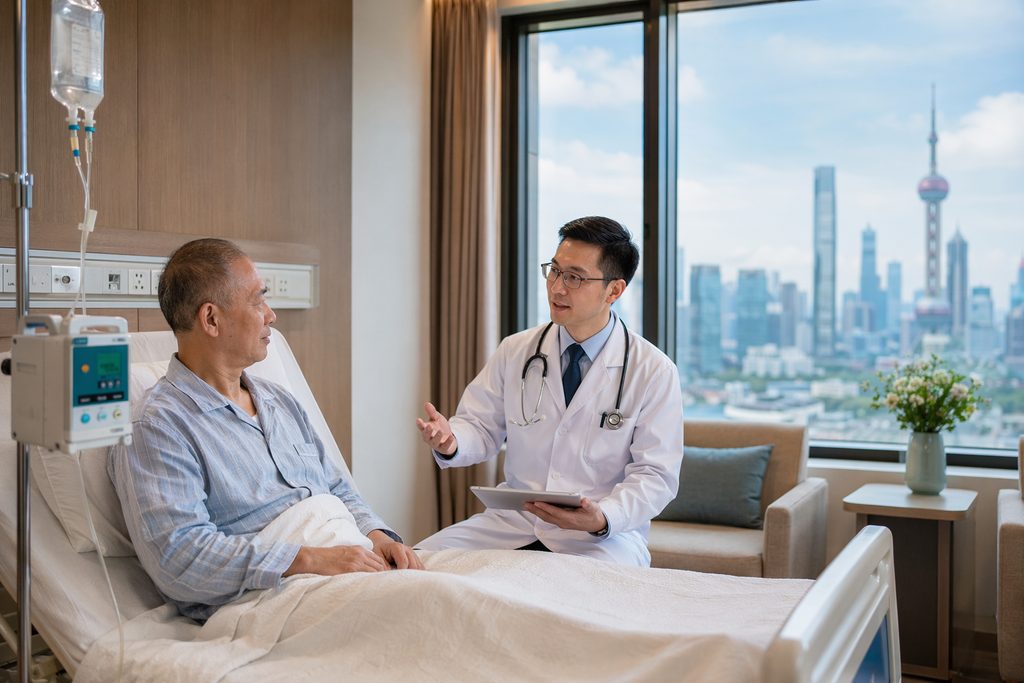
CAR-T therapy sounds like something from a science fiction novel. In plain terms, it means extracting your own immune cells, genetically reprogramming them in a laboratory to recognize and attack cancer, then infusing them back into your body. It is a living drug. And yes, you can get it in China — but the pathway for an international patient looks very different from what you might expect.
The CAR-T therapy cost China currently falls between $80,000 and $150,000 USD depending on the product, hospital, and case complexity. That is a fraction of the $400,000–$500,000 price tag common in the United States. But cost is only one piece. Access, timing, safety, and logistics matter just as much. This article breaks down exactly how the process works for foreign patients, which hospitals actually deliver this therapy, and where things get complicated.
How This Actually Works, Step by Step
You cannot simply book CAR-T therapy in China the way you book a hotel room. The process involves medical evaluation first, then manufacturing, then treatment. Here is the realistic sequence.
First, you send your existing medical records — pathology reports, genetic sequencing results, treatment history, imaging. Our team translates these documents and submits them to the hematology or oncology department at one of the hospitals in our network. A specialist reviews your case. This is the gatekeeping step. Not every patient qualifies for CAR-T. The therapy is currently approved in China for certain blood cancers: B-cell acute lymphoblastic leukemia, diffuse large B-cell lymphoma, multiple myeloma, and a few others. If your diagnosis falls outside these indications, the hospital will likely decline.
Second, if the specialist says you are a candidate, we coordinate a video consultation. You speak directly with the treating physician. They explain expected outcomes, risks, and the specific CAR-T product they recommend. China has approved six domestically developed CAR-T products as of 2026 — more than most countries. Each targets a different antigen and cancer subtype.
Third, you travel to China. Before cell collection can happen, the hospital runs its own baseline tests. This usually takes three to five days. Then your T-cells are collected through apheresis — a process similar to blood donation that takes three to four hours. The cells go to a manufacturing facility. This is the longest wait.
Fourth, the manufactured CAR-T cells are infused back into you. You stay in the hospital for monitoring, typically two to four weeks, because cytokine release syndrome and neurotoxicity can appear during this window. After discharge, you remain in China for follow-up visits for at least one month. Some hospitals require a three-month local stay.
That is the real sequence. Evaluation, consultation, travel, testing, collection, manufacturing, infusion, monitoring, follow-up. Total time from first contact to completed treatment: usually three to five months.
Where CAR-T Therapy Is Actually Available in China
China has approved CAR-T products for clinical use since 2021. The country now ranks second globally in the number of CAR-T clinical trials, behind only the United States. But clinical trials are not treatment. For approved, commercial CAR-T therapy, the landscape is concentrated in a handful of major cities.
Shanghai leads. Ruijin Hospital, affiliated with Shanghai Jiao Tong University School of Medicine, was among the first institutions globally to treat patients with commercial CAR-T products. The hospital’s hematology department handles a high volume of lymphoma and leukemia cases. When patients search for the best CAR-T hospital Shanghai, Ruijin and Shanghai Changzheng Hospital are the two names that consistently surface. Both are public tertiary hospitals with dedicated international patient departments.
Beijing has strong options too. Peking University People’s Hospital and Peking Union Medical College Hospital both run active CAR-T programs. Guangzhou, Hangzhou, and Chengdu round out the list. What matters for international patients is not just the hospital’s reputation — it is whether the hospital’s international department can coordinate the entire CAR-T pathway. Many top hospitals in China perform CAR-T, but only a subset have experience managing foreign patients through the process. That experience gap matters when complications arise.
Our database covers 340+ top-ranked hospitals across 37 cities, including the institutions with active CAR-T programs. The Fudan University hospital rankings place many of these hematology departments among the top in the country. For a deeper look at oncology-specific rankings, our department-level hospital directory breaks down top performers by specialty.
A Realistic Timeline
Patients consistently underestimate how long CAR-T takes in China. The infusion itself is quick — under an hour. Everything around it is slow. Here is what the calendar actually looks like.
| Stage | What Happens | Typical Duration |
|---|---|---|
| Week 1–2 | Medical record submission, translation, specialist review | 7–14 days |
| Week 3–4 | Video consultation with treating physician; treatment plan confirmed | 7–14 days |
| Week 5–6 | S2 visa application with hospital invitation letter; travel arrangements | 10–20 days |
| Week 7 | Arrival in China; hospital baseline testing (blood work, imaging, cardiac assessment) | 3–5 days |
| Week 8 | T-cell collection via apheresis | 1 day |
| Week 9–12 | CAR-T cell manufacturing | 3–5 weeks |
| Week 13 | Lymphodepleting chemotherapy (prepares body for CAR-T cells) | 3 days |
| Week 14 | CAR-T cell infusion | 1 day |
| Week 15–18 | Inpatient monitoring for cytokine release syndrome and neurotoxicity | 2–4 weeks |
| Month 5–6 | Post-discharge follow-up in China; return home with monitoring plan | 4–8 weeks |
The manufacturing wait is the bottleneck. Chinese CAR-T manufacturers have improved turnaround times, but three to five weeks remains standard. Some patients ask whether they can have cells collected in China, return home during manufacturing, then fly back for infusion. In theory, yes. In practice, most hospitals prefer patients remain in the country to avoid scheduling complications and because the lymphodepleting chemotherapy must happen right before infusion. If you miss that window, the process restarts.
Visa processing is another hidden delay. The S2 visa — the correct category for medical treatment in China — typically takes two to three weeks once the hospital issues an invitation letter. Do not book flights before the visa is approved. Airlines will deny boarding without valid documentation.
What Can Go Wrong — and What Happens Then
CAR-T is a serious medical intervention. Things go wrong. Being honest about that matters more than being reassuring.
The most common complication is cytokine release syndrome, or CRS. It happens when the activated CAR-T cells trigger a massive immune response. Symptoms range from high fever and low blood pressure to organ dysfunction. In Chinese hospitals, CRS is managed with tocilizumab and corticosteroids. Most cases resolve within days. Severe CRS can require ICU admission. The hospitals we work with have dedicated protocols for this — but no hospital can guarantee a complication-free course.
Neurotoxicity is the second major risk. Patients can experience confusion, seizures, or loss of consciousness. It is usually reversible but frightening for families. Language barriers make this worse. If the patient cannot communicate in Mandarin, the nursing staff may not understand what they are experiencing. This is precisely where a bilingual medical companion becomes essential, not optional. Our companions stay with patients during the monitoring period and act as a communication bridge.
Manufacturing failure is a less discussed but real risk. In roughly 5–10% of cases, the patient’s T-cells fail to expand adequately in the laboratory. The CAR-T product cannot be manufactured. When this happens, the hospital typically offers a second collection attempt at no additional manufacturing charge — but the timeline extends by another month. If the second attempt fails, CAR-T is off the table. Patients need a backup plan. Some hospitals will discuss alternative therapies at that point: bispecific antibodies, salvage chemotherapy, or clinical trial enrollment.
Disease progression during the manufacturing wait is another failure mode. CAR-T takes months. Aggressive lymphomas do not wait. Some patients deteriorate before the cells are ready. Hospitals in China generally will not infuse CAR-T into a patient who has become too unstable. This is why the initial specialist review matters so much. A good physician will tell you honestly whether your disease tempo allows for the CAR-T timeline. If it does not, they should say so.
Is CAR-T Therapy Safe in China? What the Numbers Show
Patients searching for answers about is CAR-T therapy safe in China deserve data, not reassurance. Here is what the published evidence shows.
Chinese CAR-T products have reported complete response rates of 50–80% in relapsed or refractory B-cell malignancies, depending on the product and patient population. These numbers come from the registrational clinical trials that led to Chinese regulatory approval. Real-world outcomes are more variable. Safety profiles are consistent with global data: CRS occurs in 60–90% of patients, mostly grade 1–2. Severe CRS occurs in 10–20%. Neurotoxicity rates are similar to Western products.
The key variable for international patients is not the therapy itself. It is the hospital’s experience managing complications in patients who do not speak Chinese. A hospital that performs 200 CAR-T infusions per year has seen every complication. A hospital that performs 20 has not. The experienced centers have English-speaking coordinators in their international departments, but the floor nurses and junior doctors often do not. Our team fills that gap. This is not a marketing claim — it is a structural reality of Chinese public hospitals.
When comparing CAR T cell therapy price abroad, the safety question should be reframed. The product quality in China is regulated by the National Medical Products Administration, which applies standards comparable to the FDA and EMA. The manufacturing facilities for Chinese CAR-T products are GMP-certified. The safety infrastructure is real. The variable is the human layer around the therapy.
Practical Considerations: Records, Visa, Payment, and Follow-Up
International patients need to prepare more than their medical records. Here is what actually matters.
Medical records. You need complete documentation: original pathology slides or digital scans, flow cytometry results, cytogenetic reports, PET/CT images, and a detailed treatment summary. Chinese hospitals will not proceed without these. Translation into Chinese is required for most public hospitals. Our team handles this, but expect it to add a week to the timeline.
Visa. The S2 visa is the correct category for medical treatment in China. It requires an invitation letter from the hospital. Some hospitals issue these directly; others route requests through their international department. Processing time is two to three weeks. Family members accompanying the patient also apply for S2 visas. Do not apply for an M visa — that is for commercial and trade activities, not medical care.
Payment. Chinese public hospitals require prepayment. For CAR-T therapy, the hospital typically requires a deposit covering the full product cost plus estimated hospitalization fees before cell collection begins. The CAR-T product itself is billed as a drug cost. Hospital fees are billed separately. Expect a total between $80,000 and $150,000 USD, depending on the product and hospital. Private international hospitals in China do not offer CAR-T; this therapy is available only through public tertiary hospitals, which means prepayment and reimbursement from your insurance afterward.
Insurance. Most international insurers do not cover CAR-T therapy in China. Some do. Check your policy before starting. If your insurer requires pre-authorization, begin that process during the medical record review stage, not after you arrive in China. Our team can provide the documentation insurers typically request.
Language. The treating physician may speak English. The nurses, pharmacists, and technicians likely do not. Daily communication — medication schedules, side effect reporting, dietary restrictions — happens in Mandarin. This is not a minor inconvenience. It is a safety issue. A bilingual companion is not a luxury for CAR-T patients; it is part of the care plan.
Follow-up at home. CAR-T requires long-term monitoring. You need a local hematologist willing to manage post-CAR-T care: immunoglobulin levels, B-cell recovery, infection prophylaxis. Chinese hospitals provide a discharge summary and monitoring protocol. Your home physician must be willing to follow it. This coordination should happen before you travel, not after you return.
How Long Is CAR-T Treatment in China? The Honest Answer
The question how long is CAR-T treatment in China has two answers. The medical procedure itself is short. The total commitment is not.
The infusion takes under an hour. The inpatient stay spans two to four weeks. The full treatment journey — from first record submission to final follow-up before returning home — runs three to five months. Some patients stay longer. If complications arise, the stay extends. If the first manufacturing attempt fails, add another month. If you need bridging chemotherapy before cell collection, add two to three weeks.
Plan for five months. If everything goes smoothly, you leave earlier. If it does not, you are not scrambling to extend visas and rebook flights. The patients who have the hardest time are the ones who planned for the best-case scenario.
Frequently Asked Questions
Yes, but not directly. Public hospitals in China do not accept overseas bookings for CAR-T through their general outpatient departments. The pathway runs through the hospital’s international department or a coordination service like ours. You submit records first. The hospital reviews them. Only then can treatment be scheduled.
The CAR-T therapy cost China ranges from $80,000 to $150,000 USD, including the product, hospitalization, and standard monitoring. In the United States, the same therapy typically costs $400,000 to $500,000 USD before hospitalization fees. The savings are real, but travel, accommodation, and companion services add $10,000 to $20,000 to the total.
The products are manufactured under GMP standards and approved by China’s National Medical Products Administration. Clinical trial data shows safety profiles comparable to Western CAR-T products. The variable is hospital experience and language support. Choose a high-volume center with an international department, and bring a bilingual companion.
As of 2026, approved indications include relapsed or refractory B-cell acute lymphoblastic leukemia, diffuse large B-cell lymphoma, follicular lymphoma, mantle cell lymphoma, and multiple myeloma. Each product has specific eligibility criteria. A specialist review of your records determines whether you qualify.
Technically possible, but most hospitals advise against it. The lymphodepleting chemotherapy must occur immediately before infusion, and scheduling that from abroad is difficult. If you miss the window, the entire process restarts. Staying in China for the full treatment course is the safer plan.
Your Next Step
CAR-T therapy in China is real, accessible, and significantly less expensive than in Western countries — but it demands careful coordination. The process takes months, involves real risks, and requires navigating a healthcare system that does not bend for foreign patients. That is where we come in. China Medical Services helps international patients connect with top-tier Chinese hospitals, coordinate records and appointments, and arrange bilingual companions for the entire treatment journey. We do not practice medicine and we do not guarantee outcomes. We handle the logistics so you can focus on treatment.
If you are considering CAR-T therapy in China, start with a conversation. Share your diagnosis and treatment history through our free consultation service. We will review your case, give you an honest assessment of feasibility, and outline what the path forward looks like. No pressure. Just clarity.
For more medical information and treatment options in China, visit chinamedservices.com (China Medical Services).
