Chemical Peel Recovery: How Long Healing Really Takes and What It Costs
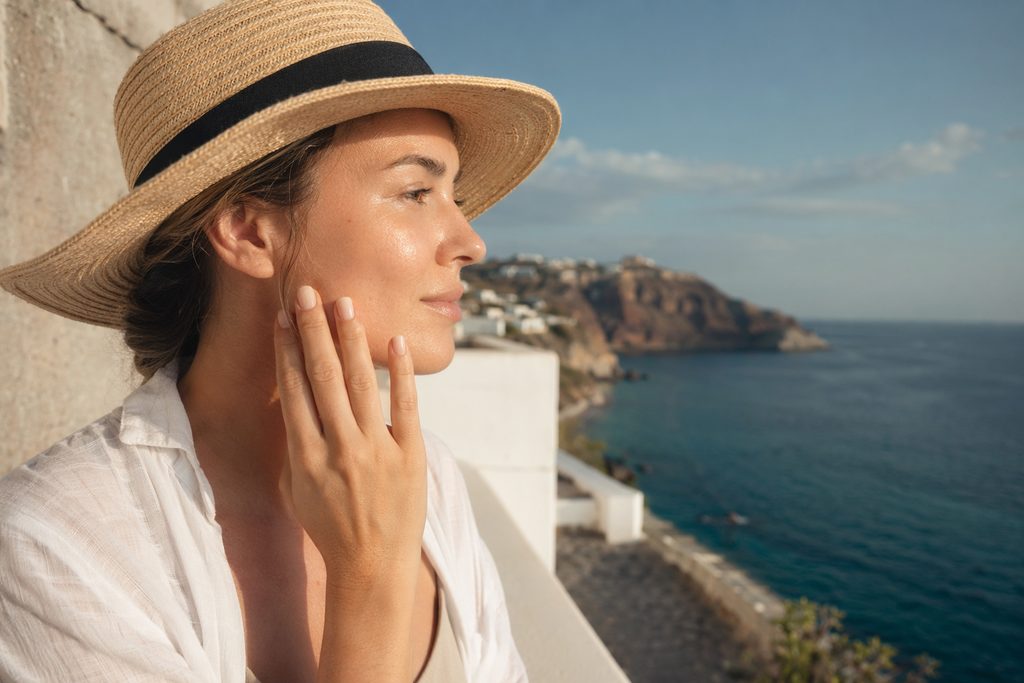
When 34-year-old Sarah from Manchester booked a flight to Shanghai for a business conference, she had one extra item on her itinerary: a medium-depth chemical peel she had been researching for months. Her dermatologist back home quoted £1,800 for the procedure plus a two-week social downtime window she could not afford. Sarah’s question was simple. How long does a chemical peel recovery take, and could she fit it into a ten-day trip without looking like she had been in an accident during client meetings?
The honest answer: it depends entirely on the peel depth. A superficial peel heals in 1 to 4 days with mild flaking. A medium peel takes 5 to 10 days before skin looks presentable and up to 6 weeks for full redness to fade. A deep peel requires 2 to 3 weeks of visible recovery and months of residual pinkness. Sarah’s plan was realistic for a light peel, tight for a medium one, and impossible for a deep peel. That distinction matters more than any single number.
Chemical Peel Recovery Time: The Short Answer
Recovery from a chemical peel spans 1 to 14 days for visible healing, depending on whether you choose a superficial, medium, or deep formulation. Light glycolic or salicylic acid peels flake for 48 to 72 hours. Trichloroacetic acid (TCA) peels at 20% to 35% strength crust and peel for 5 to 10 days. Phenol peels, rarely performed outside hospital settings, need 14 to 21 days before the skin surface normalizes. The caveat: “healed” does not mean “looks normal.” Redness, sensitivity, and uneven pigment can persist for 6 to 12 weeks after medium and deep peels.
That lingering redness catches many patients off guard. So does the fact that peels are not one-size-fits-all. Your skin type, sun exposure history, and post-care discipline change the timeline more than the peel itself.
Who This Is Right For — and Who It Isn’t
Chemical peels work best for specific, well-defined skin concerns. The right candidate typically has one or more of the following:
- Mild to moderate acne scarring that has been stable for at least 12 months
- Sun damage, irregular pigmentation, or melasma that has not responded to topical retinoids
- Fine lines around the eyes and mouth where laser resurfacing feels too aggressive
- Rough skin texture with no active inflammatory acne
But peels are not for everyone. And in some cases, staying home and using a prescription-strength topical is genuinely the better call.
- Active bacterial, viral, or fungal skin infection — peeling can spread it
- History of keloid scarring — any wound, including a controlled chemical wound, can trigger new keloids
- Isotretinoin (Accutane) use within the past 6 months — significantly raises scarring risk
- Darker skin tones (Fitzpatrick IV to VI) considering deep peels — permanent hypopigmentation is a real, documented risk
- Unrealistic expectations about downtime — a medium peel is not a lunchtime procedure
If you fall into the last category, a series of superficial peels spaced 3 to 4 weeks apart often delivers comparable results with far less social disruption.
The Options, Compared
Not all peels are created equal, and neither are the places offering them. The table below compares peel depths, not countries — because the clinical distinction matters more than geography.
| Peel Type | Active Agent | Visible Healing | Full Redness Fade | Typical Cost Range (USD) | Best For |
|---|---|---|---|---|---|
| Superficial | Glycolic 30–50%, Salicylic 20–30%, Jessner | 1–4 days | 3–7 days | $80–$250 per session | Dullness, mild acne, early sun damage |
| Medium | TCA 20–35%, Glycolic 70%, combination peels | 5–10 days | 2–6 weeks | $300–$900 per session | Pigmentation, moderate scarring, fine lines |
| Deep | Phenol, TCA above 35% | 14–21 days | 2–4 months | $2,000–$6,000 per session | Severe photoaging, deep wrinkles |
Most international patients asking about chemical peel recovery time abroad are considering superficial or medium peels. Deep peels require cardiac monitoring, IV sedation, and a level of aftercare that makes overseas treatment impractical for almost everyone. If a clinic offers you a “deep peel” as a walk-in procedure, walk out.
How Long Does Chemical Peel Take to Heal: A Day-by-Day Guide
The question “how long does chemical peel take to heal” deserves more than a single number. Here is what actually happens, day by day, for a medium-depth TCA peel — the most common choice for patients traveling specifically for treatment.
Day 1 (treatment day): Skin feels tight and warm. Mild stinging for 2 to 4 hours. You look sunburned. You can go about your day if you avoid direct sun.
Days 2–3: Skin darkens and tightens. This is the frost turning into a crust. No peeling yet. You look worse than day one. This is normal.
Days 4–6: Peeling begins, usually around the mouth first, then cheeks and forehead. Do not pick. Picking causes scarring and pigment changes. Skin underneath is bright red and raw-looking.
Days 7–10: Most peeling is complete. Redness remains but can be covered with mineral makeup. You can attend meetings or social events without drawing stares.
Weeks 2–6: Redness fades gradually. Skin is more sensitive to sun and products. Full results — smoother texture, even tone — become visible around week 4.
For a superficial peel, compress this timeline: flaking on days 2–3, fully presentable by day 4. For a deep peel, extend every stage by a factor of two to three.
Is Chemical Peel Safe in China? What the Evidence Says
Safety depends less on the country and more on the operator. China’s top-tier dermatology departments — the ones ranked in the Fudan hospital rankings — perform chemical peels under the same protocols used in Seoul, Singapore, and Los Angeles. The relevant question is not “is chemical peel safe in China” but “is this specific clinic safe.”
Look for three things. First, a board-certified dermatologist performing or directly supervising the peel. In China’s public hospitals, that means a physician with a dermatology specialty license, not a beautician. Second, documented experience with your skin type. Fitzpatrick III and IV skin — common among Middle Eastern, South Asian, and Mediterranean patients — requires conservative peel strengths and careful pre-treatment with hydroquinone or tranexamic acid. Third, a facility with emergency equipment. TCA and phenol peels can trigger cardiac arrhythmias in rare cases. A hospital dermatology department has crash carts and monitoring. A mall aesthetic clinic does not.
China’s top public hospital dermatology departments handle enormous patient volumes. A single dermatology outpatient unit at a major Shanghai or Beijing hospital may see 800 to 1,200 patients per day. That volume builds procedural experience that smaller private clinics cannot match. It also means you need a Chinese speaker with you unless you book through the hospital’s international department.
Chemical Peel Cost China: What You Actually Pay
The chemical peel cost China varies by hospital tier, city, and peel depth. Public hospital dermatology departments in Beijing and Shanghai typically charge $80 to $150 for a superficial glycolic or salicylic acid peel. A medium TCA peel runs $250 to $500. Private international clinics — the ones with English-speaking staff and JCI accreditation — charge roughly double: $150 to $300 for superficial peels and $500 to $900 for medium peels. Compare that to the United States, where a medium peel averages $600 to $1,200, and the United Kingdom, where it runs £500 to £1,000.
What drives the variance? Hospital prestige, the specific acid concentration, whether a dermatologist or a nurse performs the peel, and whether pre-peel priming products are included. In public hospitals, the peel itself is often inexpensive but you pay separately for the consultation, the priming cream, and any post-peel dressings. In private clinics, those are usually bundled.
None of these prices include travel, accommodation, or the cost of staying out of the sun for a week. If you are flying from Europe or North America specifically for a peel, the procedure cost is rarely the deciding factor. The real question is whether you can protect your skin during the recovery window while traveling.
Book Chemical Peel Treatment Beijing: What the Process Actually Looks Like
If you want to book chemical peel treatment Beijing or Shanghai, understand how China’s hospital system works before you commit. Public hospital outpatient departments do not accept overseas advance bookings for routine dermatology visits. You register on the day, queue, and see whichever dermatologist is on duty. That works fine for a superficial peel but is risky for a medium peel, where you want a specific physician and a proper pre-peel assessment.
The alternative is the hospital’s international or VIP department. These units offer advance scheduling, English interpretation, and senior dermatologists. Expect to pay 1.5 to 2 times the standard outpatient price. A medium peel through a public hospital’s international department in Beijing or Shanghai typically lands between $400 and $700 all-in. Private international hospitals like United Family or Jiahui offer the smoothest experience — English-speaking dermatologists, direct insurance billing, and Western-style consent processes — at $500 to $900 for the same peel.
Your S2 visa covers short-term medical treatment in China. Bring your passport, a letter from the treating hospital confirming your appointment, and proof of accommodation. The hospital’s international department can provide the supporting documents. Do not apply for an M visa — that is for commercial and trade activities and has nothing to do with medical care.
Practical Considerations: Records, Sun Exposure, and Follow-Up
Bring photographs of your skin in natural light, a list of any topical or oral medications you use, and — critically — a full history of any previous peels, lasers, or retinoid use. Chinese dermatologists will ask about isotretinoin. If you took it within the past six months, expect to be turned away for anything deeper than a superficial peel.
Sun exposure is the single biggest risk factor for complications after a chemical peel. China’s major cities have UV indexes comparable to Southern Europe in summer. Post-peel hyperpigmentation is more common in patients who fly in, get treated, and spend the next three days sightseeing. Plan to stay indoors or under broad-spectrum SPF 50+ with a wide-brimmed hat for the entire visible healing period.
Payment in public hospitals is cash or Chinese bank card. International credit cards are accepted at private international clinics and hospital international departments. Insurance rarely covers cosmetic peels, so budget for out-of-pocket payment. If you are combining a peel with other medical care, keep receipts — some policies reimburse peels performed for medical indications like severe acne scarring.
Follow-up after returning home matters more than most patients expect. A peel is not a one-and-done treatment. Superficial peels need repeating every 3 to 4 weeks for best results. Medium peels may need a second session at 3 to 6 months. If your home dermatologist did not recommend the peel, you may struggle to get proper post-care. Coordinate before you travel.
Frequently Asked Questions
For a superficial peel, yes. For a medium peel, wait 48 to 72 hours. Cabin air is extremely dry and will worsen post-peel tightness and discomfort. If you must fly within the first week, apply a thick occlusive moisturizer every 2 hours and avoid makeup. For a deep peel, do not plan to fly for at least 10 to 14 days.
Not if performed correctly on the right skin type. Medium and deep peels can cause permanent hypopigmentation in Fitzpatrick IV to VI skin. This is a known risk, documented in dermatology literature, and it is irreversible. A reputable dermatologist will test a small area first or recommend a series of lighter peels instead. Be wary of any provider who dismisses this concern.
Use the hospital’s international department or a private JCI-accredited clinic. Public hospital international departments in Shanghai — including those at Zhongshan Hospital and Huashan Hospital — offer English-speaking coordination and senior dermatologists. Private options like Jiahui and United Family Shanghai have native English-speaking dermatologists on staff. Expect to pay more for that language access. Alternatively, a bilingual medical companion can translate during a standard public hospital visit for a fraction of the international department markup.
Contact the treating dermatologist immediately. China’s top hospital dermatology departments have emergency follow-up pathways for procedure complications. If you booked through a hospital international department, they will coordinate urgent review. This is one reason to choose a hospital-based dermatology department over a standalone aesthetic clinic — hospital departments have the full range of wound care, burn, and dermatology resources under one roof. A clinic in a shopping mall does not.
The biological healing process is identical. What changes is your ability to follow aftercare. Travel disrupts sleep, diet, and sun protection routines. If your trip involves long flights, outdoor activities, or alcohol-heavy social events, your recovery will be slower and your complication risk higher. The honest advice: do not combine a medium peel with a vacation. Treat the recovery as the main event.
Your Next Step
Chemical peel recovery is predictable when you match the peel depth to your skin type and your schedule. A superficial peel fits into a busy trip. A medium peel needs a week of downtime. A deep peel needs a month of commitment. Know which one you are signing up for before you book anything.
We help international patients navigate China’s hospital system — matching you with appropriate dermatology departments, coordinating appointments through official hospital international channels, and providing bilingual support on the ground. We are not a medical provider and we do not diagnose or treat. If you want to understand your options for a chemical peel in China, our patient coordination team can walk you through the process and the realistic costs. Start with a conversation. No commitment, just clarity.
For more medical information and treatment options in China, visit chinamedservices.com (China Medical Services).
