Liposuction: Who Is It Right For? A Candid Guide to Candidacy & Liposuction Cost China
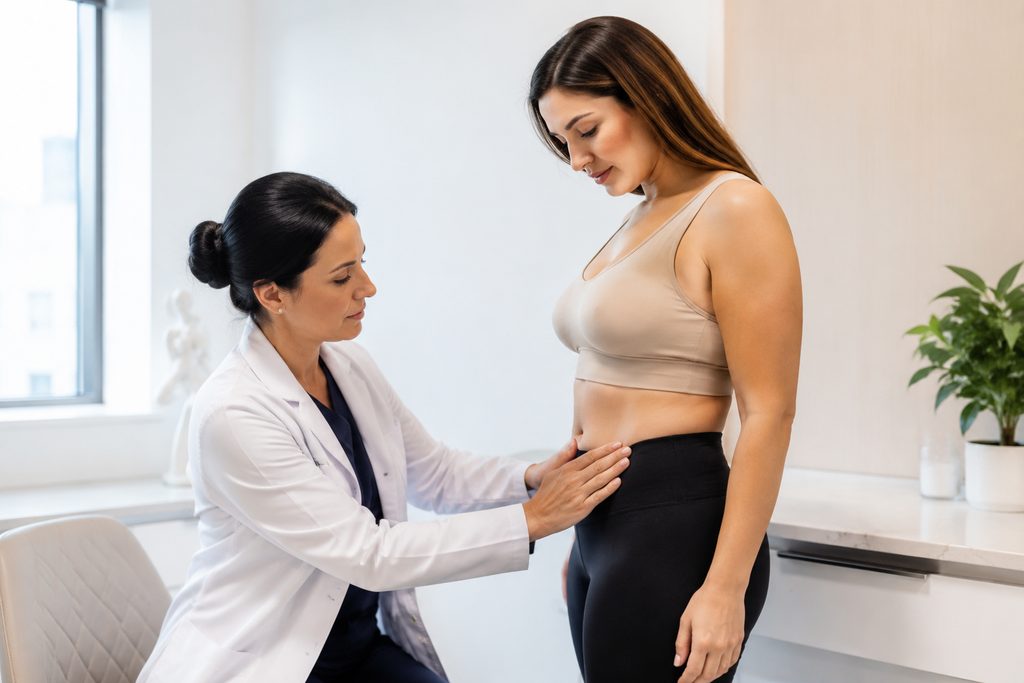
When 34-year-old Daniel from Manchester finally booked his consultation, he had spent three years assuming he was not a good candidate for liposuction. He was not obese. He was frustrated. No matter how many early morning runs he logged or how strictly he counted calories, the stubborn fat around his flanks and lower abdomen simply refused to budge. Daniel’s story is common. He did not need a weight-loss solution; he needed a contouring solution. That distinction sits at the heart of understanding who liposuction is actually right for. It is not a treatment for being overweight. It is a surgical procedure for reshaping specific areas where fat distribution is genetically stubborn. And for international patients weighing their options, understanding liposuction cost China is often the second question right after “Am I eligible?”
Who Is This Right For? The Short Answer
Liposuction is right for adults who are at or near their ideal body weight but have localized pockets of fat that resist diet and exercise. You need good skin elasticity, a stable weight history, and realistic expectations about what surgery can achieve. It is not a weight-loss method. The best candidates are within 30% of their ideal body weight and have firm, elastic skin. If you are looking to drop 20 kilograms, this is the wrong procedure. If you are looking to remove a double chin, refine your waistline, or smooth out your thighs, this may be exactly right.
The caveat? Candidacy is not just about weight. It is about skin quality, medical history, and whether you are doing this for yourself or for someone else. A good surgeon will turn away a patient who expects perfection.
Who Is a Good Candidate for Liposuction — and Who Is Not
Plastic surgeons in China and elsewhere follow similar screening criteria. The procedure is safe for the right person and genuinely risky for the wrong one.
Typically a good candidate if you:
- Have localized fat deposits that do not respond to diet or exercise, such as on the abdomen, flanks, thighs, upper arms, or under the chin.
- Are within 30% of your ideal body weight and have maintained a stable weight for at least six to twelve months.
- Have good skin tone and elasticity. This matters because after fat is removed, the skin needs to retract smoothly over the new contour.
- Are a non-smoker or willing to stop smoking for several weeks before and after surgery. Smoking impairs blood flow and wound healing.
- Are physically healthy with no conditions that impair healing, such as uncontrolled diabetes or a weakened immune system.
- Have realistic goals. Liposuction removes fat cells from a specific area. It does not tighten loose skin, remove cellulite, or prevent future weight gain.
You should probably not pursue liposuction if you:
- Are significantly overweight or obese and hoping for a weight-loss shortcut. Bariatric surgery or medically supervised weight loss is the appropriate path.
- Have poor skin elasticity, often due to age, sun damage, or massive weight loss. Removing fat under loose skin can worsen sagging.
- Are pregnant or breastfeeding. Hormonal changes affect fluid balance and healing.
- Have a bleeding disorder, severe heart or lung disease, or an active infection.
- Expect liposuction to fix emotional dissatisfaction with your body. It changes contours, not self-perception.
One question we hear constantly is, “Can I get liposuction if I am overweight?” The honest answer is nuanced. If your BMI is 30 to 34, some surgeons will consider it for targeted areas, but the risk of complications rises. Above a BMI of 35, most reputable surgeons will decline until you lose weight first. The reason is simple: liposuction is not designed to remove large volumes of fat safely. Removing more than 5 liters of fat in one session increases the risk of fluid shifts and cardiac stress. That is a hard limit, not a preference.
The Options, Compared
When Daniel started researching, he found a confusing landscape of techniques and destinations. Liposuction is not one procedure. It is a family of procedures. Here is how the main options compare for an international patient considering treatment abroad.
| Option | Typical Technique | Recovery Time | Approximate Cost (USD) | Best For |
|---|---|---|---|---|
| Traditional Liposuction (Tumescent) | Saline solution with anesthetic injected, then fat suctioned via cannula | 1–2 weeks off work; 4–6 weeks full activity | $2,000–$6,000 in China (per area) | Larger areas, first-time patients |
| Laser-Assisted (SmartLipo) | Laser melts fat before suction; also tightens skin slightly | 3–7 days off work; 2–4 weeks full activity | $3,000–$8,000 in China | Smaller areas, patients wanting some skin tightening |
| Ultrasound-Assisted (VASER) | Ultrasound energy emulsifies fat, preserving surrounding tissue | 1–2 weeks off work; 3–5 weeks full activity | $3,500–$9,000 in China | Fibrous areas like the back or male chest |
| Power-Assisted (PAL) | Mechanized cannula vibrates to break up fat | 1–2 weeks off work; 4–6 weeks full activity | $2,500–$7,000 in China | Large-volume cases, revision surgery |
| Same Procedure in the United States | Same techniques | Same recovery | $6,000–$20,000+ (per area) | Patients who prefer to stay domestic |
The cost gap is real. The same VASER procedure that costs $9,000 in Shanghai might run $15,000 in Los Angeles. But price should never be the sole deciding factor. A board-certified surgeon with a strong safety record matters more than a bargain. For patients considering liposuction packages Shanghai, the value often lies in bundled pricing that includes hospital fees, anesthesia, compression garments, and sometimes post-operative lymphatic drainage massage. Those bundles can reduce the total by 15–20% compared to itemized billing.
Liposuction Cost China: What Actually Drives the Price
Let us be direct about liposuction cost China because vague numbers help no one. For a single area like the abdomen or flanks, expect to pay between $2,000 and $6,000 at a reputable public hospital’s international department or a JCI-accredited private hospital. Multiple areas — say, abdomen plus flanks plus inner thighs — typically range from $5,000 to $12,000. Full 360-degree trunk liposuction can reach $15,000.
What drives the variance?
- Hospital tier: A top-ranked public hospital like those listed on our top hospitals database will charge less than a luxury private clinic, but the private clinic may offer more English-speaking staff and faster scheduling.
- Surgeon seniority: A chief physician with 20 years of experience commands a higher fee than a junior attending. That fee is not a markup; it reflects complication rates that are typically lower with experience.
- Technique: VASER and laser-assisted liposuction cost more than traditional tumescent liposuction because the equipment is expensive and the procedure takes longer.
- Anesthesia: Local anesthesia with sedation is cheaper than general anesthesia. Larger areas usually require general anesthesia.
- Inclusions: Compression garments, follow-up visits, and any revision policy. A package price may look higher but include items that would otherwise be billed separately.
What is not included? Flights, accommodation, visa fees, and any treatment for complications. Travel insurance that covers elective surgery is difficult to obtain, so plan for the possibility of self-funding any unexpected care.
Is Liposuction Safe for Me? The Real Risk Profile
“Is liposuction safe for me?” is the question every responsible patient should ask before checking prices. The short answer: liposuction is generally safe when performed by a qualified surgeon on an appropriate candidate. But it is still surgery. It is not a spa treatment.
The most common risks include contour irregularities (lumps, bumps, asymmetry), fluid accumulation called seroma, temporary numbness, and bruising that can last weeks. Less common but serious risks include infection, blood clots, fat embolism, and reactions to anesthesia. The rate of major complications in accredited facilities is low — studies consistently report serious complication rates below 1% — but that number assumes proper patient selection. Push the limits of candidacy, and the risk climbs fast.
One thing to understand about having liposuction in China: the top hospitals perform enormous volumes. A busy plastic surgery department at a major Shanghai or Beijing hospital may perform more liposuction cases in a month than a typical Western clinic performs in a year. Volume builds skill. That does not guarantee zero complications, but it does mean the surgical team has seen and managed nearly every scenario. If you are comparing options, look at our department rankings to see which hospitals lead in plastic and reconstructive surgery.
Practical Considerations: Documents, Visa, and Follow-Up
If you decide to travel to China for liposuction, the logistics are manageable but specific. Start with your medical records. You will need recent blood work, a letter from your primary physician clearing you for elective surgery, and a list of all medications and allergies. Hospitals in China will run their own pre-operative tests, but having baseline records speeds up the process.
Visa is next. For medical treatment in China, the appropriate category is the S2 visa, which covers short-term private affairs including medical treatment. Your accompanying family member applies for the same S2 visa. You will need an invitation letter from the hospital and a confirmed treatment plan. The S2 visa is typically issued for 30 to 90 days, which covers the surgery and initial follow-up. For stays exceeding 180 days, the S1 visa applies. We can guide you through the documentation, but approval is always at the discretion of the Chinese embassy or consulate.
Payment is another practical point. Public hospitals in China generally require prepayment, and international credit cards are not always accepted at the cashier window. Plan to pay via bank transfer or have a local payment method arranged. Private international hospitals are more likely to accept major credit cards and may offer direct insurance billing if your policy covers elective cosmetic surgery abroad. Most do not.
Language is the final hurdle. Even in top-tier hospitals, not every nurse or administrative staff member speaks English. The surgeon may speak English well, but the journey from registration to the operating room involves many non-medical staff. This is where a bilingual medical companion changes the experience. They handle registration, translation during consultations, and post-operative instructions so nothing is lost between languages.
Follow-up after returning home matters more than patients expect. You will need to wear a compression garment for four to six weeks. Swelling takes three to six months to fully resolve. If a complication arises after you fly home, your local doctor will need the operative report and discharge summary from the Chinese hospital. Request these documents in English before you leave.
Frequently Asked Questions
If your BMI is between 30 and 34, some surgeons will consider limited liposuction for specific areas, but you should expect a frank conversation about risks. Above a BMI of 35, most reputable surgeons will decline until you lose weight through diet, exercise, or bariatric treatment. Liposuction removes fat cells, but it does not address the metabolic and cardiovascular risks of obesity. Doing the procedure on a significantly overweight patient often produces poor contour results because the underlying fat remains.
There is no single “best” hospital because the right choice depends on your specific case, budget, and language needs. However, the top-ranked plastic surgery departments in Beijing are concentrated in a handful of large public teaching hospitals and JCI-accredited private facilities. Public hospital international departments typically offer lower prices than private clinics but with less scheduling flexibility. Private hospitals offer more English support and faster booking at a premium. We recommend comparing at least three hospitals before committing. Our team can help you narrow the list based on your medical history and goals.
The generally accepted safe limit is 5 liters of total aspirate, which includes fat and the tumescent fluid used during the procedure. The actual amount of pure fat removed is usually less. Exceeding this limit in a single session significantly increases the risk of fluid shifts, blood pressure instability, and prolonged recovery. If you need more extensive contouring, a staged approach with two separate surgeries months apart is safer.
The fat cells removed during liposuction do not grow back. But the fat cells that remain can expand if you gain weight. If you gain 5 kilograms after surgery, the fat distribution will be different — often appearing in untreated areas first. Maintaining a stable weight is essential for preserving your results. Liposuction is a contouring procedure, not a permanent license to eat without consequence.
Yes, typically. The same procedure performed by an experienced surgeon in China costs roughly one-third to one-half of the U.S. price. A single-area liposuction that costs $8,000 in the U.S. might cost $2,500 to $4,000 in China. But factor in travel, accommodation, and the fact that your domestic insurance will not cover complications from elective surgery abroad. The savings are real, but they should be weighed against the value of staying close to home for follow-up care.
Your Next Step
Liposuction is a powerful tool for the right person. If you are at a stable weight, have localized fat that will not respond to lifestyle changes, and understand that this is surgery — not a shortcut — then it may be worth exploring. The decision should hinge on candidacy first, surgeon quality second, and cost third.
We are China Medical Services, and our role is to help international patients navigate the Chinese healthcare system. We are not a hospital, and we do not provide medical advice or diagnoses. What we do is connect you with top-ranked plastic surgery departments, coordinate your consultations, and provide bilingual support on the ground. If you want to understand your options without pressure, start with a conversation. Request a free consultation through our patient services page, and we will help you figure out whether this path makes sense for you.
Take your time. The fat will still be there next month. The question is whether you have the right information to make a decision you can live with for years.
For more medical information and treatment options in China, visit chinamedservices.com (China Medical Services).
