Stomach Infection Treatment in China: Costs, Hospitals, and How It Works
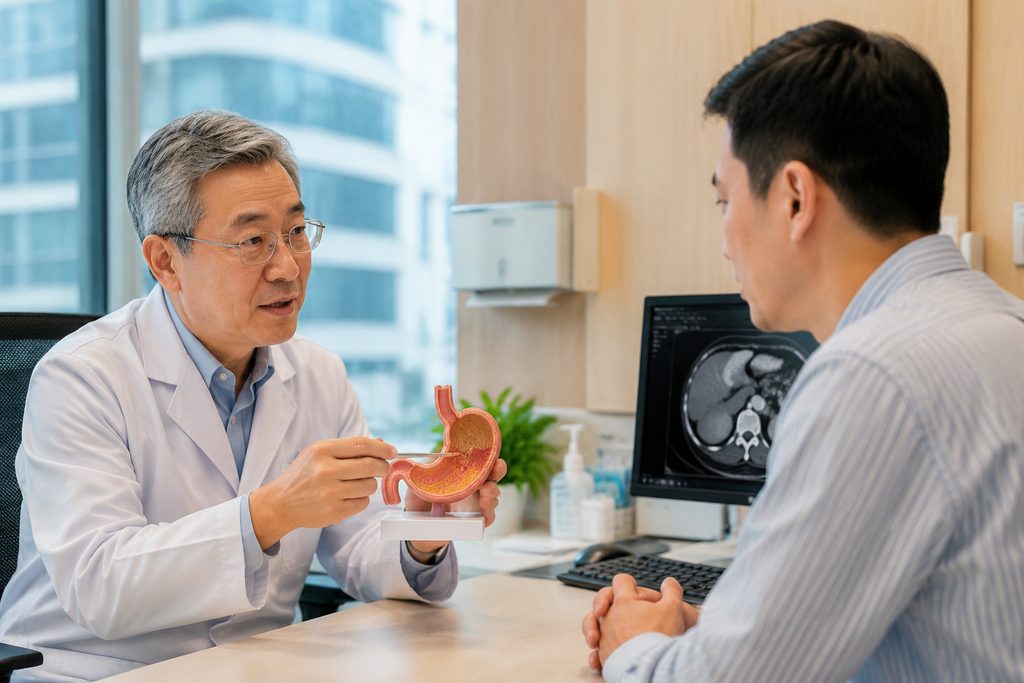
Have you ever found yourself doubled over with abdominal cramps in a foreign country, unsure whether the pain is serious enough for a hospital visit? For many international patients, the question “Can I get treatment for a stomach infection?” carries a second, quieter worry: what will it cost, and will anyone speak my language? The short answer is yes — China’s top-tier gastroenterology departments treat thousands of acute and chronic stomach infections every year, often at a fraction of Western prices. The stomach infection treatment cost China hospitals charge typically ranges from $80 to $400 for outpatient care, depending on whether you visit a public hospital international department or a private facility.
This article walks through the real process, the realistic timeline, what can go wrong, and how to decide where to go. No vague promises. Just the mechanics of getting treated, with numbers where they matter.
How This Actually Works, Step by Step
The path from “I think I have a stomach infection” to “I’m treated and recovering” follows a predictable sequence. Here is what you actually do.
Step 1: You send us your existing information. That means symptoms, duration, any lab results from home, current medications, and relevant history. If you haven’t had tests yet, that’s fine — we work with what you have. A written summary in English is enough to start.
Step 2: A gastroenterology team reviews your file. We route your case to a hospital with a strong GI department. For a suspected bacterial or viral stomach infection, that usually means a general gastroenterology unit, not a subspecialty surgical team. The review produces a written assessment: what they suspect, what tests they recommend, and whether they can treat you as an outpatient or need to see you in person first.
Step 3: You choose a path. Most patients with straightforward stomach infections start with a video consultation. You speak directly with a gastroenterologist, describe your symptoms, and hear their recommendation. If they advise a stool culture, blood panel, or gastroscopy, you’ll know before you travel. Some patients skip the video call and fly directly to China for an in-person visit. That’s possible too, but it costs more and risks discovering that your case needed only a prescription, not a plane ticket.
Step 4: We coordinate the hospital visit. This includes appointment scheduling through the hospital’s international department, document translation, and a bilingual medical companion to meet you at the entrance. You won’t navigate the registration desk alone.
Step 5: You receive treatment. For a bacterial stomach infection, that typically means antibiotics, hydration guidance, and dietary recommendations. For suspected H. pylori, a breath test or stool antigen test is standard. Results often come back within 24-48 hours. If further investigation is needed — an endoscopy, for example — the hospital will schedule it, usually within days for international patients.
Stomach Infection Treatment Cost China: What You’ll Actually Pay
Let’s talk numbers. The stomach infection treatment cost China varies by hospital tier, city, and whether you use the international department. Public hospital international departments charge more than standard outpatient clinics but still far less than Western private care. Private international hospitals like United Family or Jiahui charge the most within China, yet remain competitive globally.
| Service | Public Hospital (Standard) | Public Hospital (International Dept.) | Private International Hospital | US Average |
|---|---|---|---|---|
| Outpatient consultation | $15–40 | $80–150 | $150–300 | $150–400 |
| Stool culture + blood panel | $20–60 | $60–120 | $120–250 | $300–800 |
| H. pylori breath test | $30–50 | $50–100 | $100–200 | $200–500 |
| Gastroscopy (if needed) | $150–300 | $300–600 | $600–1,200 | $1,500–4,000 |
| Bilingual companion (per day) | — | from $300 | included | — |
Prices vary by hospital and case complexity. A simple gastroenteritis case treated at a public hospital international department in Shanghai might total $150–350 all-in. The same workup at a private hospital in Beijing could run $500–800. Either way, you’re paying a fraction of US rates.
For context, the gastroenteritis treatment price Shanghai public hospitals list is among the lowest of China’s major cities, while Beijing’s international departments carry a slight premium. Both remain accessible compared to Western out-of-pocket costs.
A Realistic Timeline
People forget the waiting steps. Here is what a typical stomach infection case looks like from first contact to follow-up.
| Stage | What Happens | Duration |
|---|---|---|
| Day 1–2 | You send records; we review and route to a gastroenterology department | 1–2 days |
| Day 3–5 | Video consultation with a GI specialist | 2–3 days lead time |
| Day 6–14 | Decision: travel or remote treatment plan. If traveling, S2 visa application begins | 5–10 working days for visa |
| Week 2–3 | Arrival, hospital visit, diagnostic tests | 1–2 days in hospital |
| Week 3–4 | Results, treatment, prescription, follow-up plan | 2–5 days |
| Month 1–2 | Remote follow-up with the same department if needed | As needed |
An acute stomach infection rarely requires more than one or two hospital visits. But the visa, document translation, and appointment lead time add up. Planning a two-week window from first contact to completed treatment is realistic for most international patients.
What Can Go Wrong — and What Happens Then
Honesty matters here. Three things commonly go wrong with international stomach infection cases.
Wrong self-diagnosis. You think it’s food poisoning. It’s actually appendicitis, gallbladder inflammation, or an ulcer. That’s why the remote review matters before you book a flight. If the specialist suspects something surgical, we route you to the right department — not a general GI clinic. Catching this early saves days of wasted travel.
Antibiotic resistance. Some patients arrive having already taken multiple rounds of antibiotics at home. Chinese hospitals run culture and sensitivity testing routinely for persistent infections. If your infection is resistant to first-line drugs, the lab identifies what works. This takes an extra 2–3 days but prevents ineffective treatment.
Language breakdown at a standard clinic. If you walk into a public hospital without an international department, nobody speaks English. That’s not a flaw — it’s reality. Our bilingual companion handles registration, payment, queue numbers, and translation at every step. Without that, a simple visit can take six hours and end in confusion.
What happens if something goes wrong? We rebook appointments, escalate to a senior specialist, or switch hospitals. The coordination fee structure means you’re not locked into a failed plan. If we can’t secure the appointment we promised, the coordination fee is refunded in full.
Best Hospital for Stomach Infection Beijing: How to Choose
The phrase best hospital for stomach infection Beijing gets searched a lot. The honest answer is that several hospitals do this well, and the right choice depends on your specific case.
Peking Union Medical College Hospital (PUMCH) runs one of China’s strongest gastroenterology departments, consistently ranked among the top 10 nationally in the Fudan specialty rankings. Its international department sees foreign patients daily. For suspected H. pylori or complex chronic gastritis, PUMCH is a solid default in Beijing.
Beijing Friendship Hospital is another heavyweight in digestive diseases. It hosts the National Clinical Research Center for Digestive Diseases — a meaningful credential when you’re choosing where to have a gastroscopy. For straightforward acute gastroenteritis, either hospital will serve you well; the difference matters more for chronic or complicated cases.
Shanghai offers comparable options. Ruijin Hospital and Zhongshan Hospital both run high-volume GI departments with international patient services. If you’re deciding between cities, the gastroenteritis treatment price Shanghai and Beijing are close enough that geography and flight convenience should drive the choice.
How do you evaluate a provider for a stomach infection specifically? Look at three things. First, does the hospital have a dedicated international department with English-speaking coordinators? Second, does its gastroenterology unit appear in the Fudan specialty rankings? Third, what’s the typical wait time for a gastroscopy — days or weeks? International departments at top hospitals usually schedule endoscopies within 3–7 days.
We maintain a database of top-ranked Chinese hospitals with detailed profiles on their GI departments and international services. For city-specific options, see our pages on Beijing hospitals and Shanghai hospitals.
Practical Considerations: Visa, Records, Payment, Follow-Up
For medical travel to China, the S2 visa is the applicable short-stay category. It covers private affairs including medical treatment, subject to the latest embassy requirements and supporting hospital documents. Your accompanying family member applies for the same S2 category. We provide the hospital invitation letter and documentation package, but final approval rests with the consulate.
Bring every relevant medical record you have. Lab results, imaging reports, current medication list, allergy history. Translate them into Chinese before you arrive — we handle this as part of coordination. Chinese doctors will review your home records, but they’ll also run their own tests. Don’t expect them to rely solely on foreign lab work.
Payment: public hospitals require prepayment at registration. International departments accept major credit cards. Private international hospitals often bill insurance directly. If you have travel or expat health insurance, check whether it covers treatment in China and whether the hospital is in-network. Keep all receipts and medical reports for reimbursement claims.
Follow-up after you return home is straightforward. The treating department can schedule a video follow-up to review test results or adjust medication. Prescriptions filled in China are valid there; for continued treatment at home, bring the Chinese prescription and a translated summary to your local doctor.
Frequently Asked Questions
Yes, if you use a hospital international department or a private international hospital. These facilities have English-speaking staff and dedicated foreign patient coordinators. Standard public hospital clinics do not provide English service. A bilingual medical companion bridges the gap at any facility.
China’s top gastroenterology departments follow international diagnostic and treatment protocols. The risk is not in medical quality but in navigation — language, payment, and unfamiliar processes. Using an international department and a companion service removes most of that friction. For acute infections, outpatient treatment carries minimal risk.
You cannot book a standard public hospital outpatient appointment from overseas. The practical route is through a hospital’s international department, which accepts advance scheduling for foreign patients. We coordinate this: you send records, the department reviews them, and we confirm the appointment before you travel. The coordination fee starts from $300, and if we cannot secure the appointment, that fee is refunded.
Then the diagnostic process catches it. Chinese hospitals run comprehensive workups — blood panels, stool cultures, ultrasound, and endoscopy when indicated. If findings point to an ulcer, gallbladder disease, or another condition, the GI department refers you internally. You stay in the same hospital system rather than starting over.
Depends on your policy. Many international health insurance plans cover treatment at private international hospitals in China with direct billing. Public hospital international departments usually require upfront payment with reimbursement afterward. Check with your insurer before traveling. We provide itemized receipts and medical reports formatted for insurance claims.
Your Next Step
Stomach infections are common, but navigating treatment in a foreign healthcare system doesn’t have to be complicated. The stomach infection treatment cost China offers is a fraction of Western prices, and the gastroenterology departments at top hospitals in Beijing and Shanghai are well-equipped to diagnose and treat you quickly.
We are China Medical Services — a coordination team, not a medical provider. We don’t diagnose or treat. We connect you with the right hospital, handle the documentation, and put a bilingual companion beside you on the day of your visit. If you’re considering treatment in China, start with a conversation. Tell us your symptoms and what you’ve already tried. We’ll tell you honestly whether traveling makes sense for your case. Visit our patient services page to begin.
For more medical information and treatment options in China, visit chinamedservices.com (China Medical Services).
