Gallbladder Surgery Recovery: What to Expect Week by Week
What Is Recovery Like After Gallbladder Surgery? A Complete Guide
When 42-year-old Michael from Manchester heard he needed his gallbladder removed, his first question wasn’t about the operation itself. It was about the weeks after. Could he fly home in ten days? When could he lift his toddler again? Would he be stuck in a foreign hospital room for a month? These are the questions that keep patients up at night. And they’re the same questions we answer every week for people weighing gallbladder removal surgery cost China against treatment back home. The short answer: recovery from a standard laparoscopic cholecystectomy is faster than most people expect. Most patients are discharged within 24 to 48 hours. Many fly home within 7 to 10 days. But the full picture deserves more than a sentence.
Key Takeaways
- Laparoscopic gallbladder removal typically means hospital discharge within 24-48 hours, with most patients returning to desk work in 7-10 days.
- Total gallbladder removal surgery cost China at top-tier public hospitals runs from $4,000 to $9,000, roughly one-fifth to one-tenth of the $35,000+ billed in the United States.
- Language barriers in Chinese public hospitals are real — without bilingual support, even simple post-op instructions can become stressful.
- Plan for at least 10-14 days in China after surgery before flying home, and understand your surgeon’s specific activity restrictions before booking any travel.
The Problem: Recovery Is Harder When You’re Far From Home
Open cholecystectomy — the old approach — cut through abdominal muscle. Recovery took six to eight weeks, with real lifting restrictions for much of that time. Laparoscopic surgery doesn’t cut muscle. It pushes through it. The result: less post-operative pain, lower infection risk, and a return to normal activity measured in days rather than months. A 2018 review in the Cochrane Database of Systematic Reviews found that laparoscopic cholecystectomy patients left the hospital an average of three days earlier than open-surgery patients and returned to work roughly two weeks sooner. Those are the numbers that matter when you’re planning international travel around a procedure.
Chinese top-tier hospitals perform cholecystectomies at volumes that dwarf most Western centers. A single large public hospital in Shanghai or Beijing may complete over 1,000 gallbladder removals annually. That repetition builds efficiency — in the operating room, in post-op protocols, and in how nurses guide patients through the first 48 hours. For a patient wondering is gallbladder surgery safe in China, volume is part of the answer. So is accreditation. Many of the hospitals in our network are ranked among China’s top 100 by Fudan University and carry JCI accreditation, meaning they meet the same international safety standards as hospitals in Singapore, Germany, or the United States.
Let’s address the obvious question. Laparoscopic cholecystectomy price abroad varies enormously. In the United States, the uninsured sticker price for gallbladder removal often exceeds $35,000, and even insured patients can face out-of-pocket costs above $5,000 after deductibles and coinsurance. In the UK, NHS care is free at the point of delivery, but private treatment costs £6,000-£8,000. The gallbladder removal surgery cost China at a top-tier public hospital typically falls between $4,000 and $9,000, depending on the hospital tier and whether you go through the standard or international department. That’s not “cheap” in a way that should make you nervous. It’s cheaper because Chinese hospital labor costs are lower, because volume spreads fixed costs across more patients, and because the healthcare system doesn’t carry the same administrative overhead as American billing. The surgeons are fellowship-trained, the equipment is current, and infection rates at JCI-accredited Chinese hospitals are comparable to international benchmarks.
Week by Week: What Recovery Actually Looks Like
Recovery isn’t one long blur. It moves through distinct phases, and knowing what each one looks like helps you plan realistically — especially if you’re traveling for surgery.
Days 0-2: In the Hospital
Surgery itself takes 60 to 90 minutes under general anesthesia. You’ll wake up groggy, with four small dressings on your abdomen and perhaps a sore throat from the breathing tube. Pain is usually mild to moderate — most patients describe it as muscle soreness, not sharp pain. Chinese hospitals typically keep laparoscopic cholecystectomy patients overnight for observation. You’ll be encouraged to walk within a few hours. By the next morning, most patients tolerate clear liquids, then a light diet. Discharge usually happens on day one or two, provided there are no complications. The most common reason for a longer stay: nausea from anesthesia, which resolves on its own.
Days 3-7: The First Week Home (or at Your Hotel)
This is where the real recovery happens. You’ll be tired — more tired than you expect. The anesthesia is leaving your system, your body is healing, and sleep may be disrupted. Shoulder pain is common, caused by residual carbon dioxide gas irritating the diaphragm. It fades within a few days. Walking helps. So does staying hydrated. By day five or six, most patients are moving around comfortably, managing pain with over-the-counter medication, and eating a normal diet. Some people return to desk work at the end of the first week. Others need a few more days.
Days 8-14: Flying Home and Resuming Normal Life
Most surgeons clear patients for long-haul flights 7 to 10 days after uncomplicated laparoscopic gallbladder surgery. The main concern is deep vein thrombosis, not the surgical site itself. Wear compression stockings, move your legs every hour, and stay hydrated. By the end of week two, most patients are driving, working, and walking normally. Lifting restrictions — usually nothing over 10 kilograms — typically remain in place for two to four weeks. Heavy exercise waits until week four. Full internal healing takes longer than you think: the fascia inside your abdomen needs six to eight weeks to reach full strength, even though you’ll feel “back to normal” much sooner.
How to Choose Where to Have Gallbladder Surgery in China
If you’re considering traveling for the procedure, the hospital you choose matters more than the city. But some cities have stronger reputations for general surgery than others. Patients asking about the best hospital for gallbladder surgery Shanghai are on the right track — Shanghai is home to several Fudan-ranked top-100 hospitals with high-volume general surgery departments. Zhongshan Hospital Fudan University and Ruijin Hospital both run large hepatobiliary surgery programs. Beijing offers Peking Union Medical College Hospital and Beijing Friendship Hospital. Guangzhou, Chengdu, and Hangzhou also have strong options. The key is not to fixate on one hospital name you found online, but to match your specific case — uncomplicated gallstones versus complex bile duct issues — to a department that handles similar cases regularly.
| Cost Factor | China (Top-Tier Public) | United States | United Kingdom (Private) |
|---|---|---|---|
| Laparoscopic cholecystectomy (total) | $4,000 – $9,000 | $35,000 – $50,000 | $8,000 – $12,000 |
| Hospital stay (1-2 nights) | Included | Included | Included |
| Surgeon and anesthesia fees | Included | Included | Included |
| Pathology on removed gallbladder | $50 – $150 | $300 – $800 | $150 – $400 |
These figures are ranges, not quotes. Final pricing varies by hospital and case complexity. What the table doesn’t show is the structural reason for the gap: American hospital billing includes layers of administrative cost, insurer negotiation overhead, and malpractice premium allocation that simply don’t exist in the same form in China’s public system. The clinical care itself is not discounted — it’s that the system around it costs less to operate.
One practical note for anyone trying to book gallbladder surgery package China: Chinese public hospitals do not sell “packages” the way medical tourism agencies in Thailand or India might. You don’t buy a fixed-price bundle online. What you can do is work with a coordination service that arranges the hospital appointment, interprets your records into Chinese, and provides bilingual support on the ground. That’s the realistic path — and it’s the one we help patients navigate. Our database of top-ranked Chinese hospitals is a good starting point for understanding your options.
Practical Considerations: Documents, Visas, and Payment
If you’re serious about having gallbladder surgery in China, the logistics matter as much as the medicine. Start with your medical records: recent ultrasound or CT images, blood work, and a referral letter from your home doctor. These need to be translated into Chinese for the hospital to review. Most hospitals will not schedule surgery without first reviewing your imaging and case history.
For the visa, the applicable short-stay category is the S2 visa, which covers private affairs including medical treatment. You’ll need supporting documentation from the hospital — typically an invitation letter or treatment confirmation. The S2 visa is not a guarantee; approval depends on the consulate’s review of your specific situation. Apply well in advance and keep your documents organized. Do not apply for an M visa for medical purposes; M visas are for commercial and trade activities.
Payment is another front-load item. Chinese public hospitals generally require prepayment for scheduled surgery, and international patients typically pay out of pocket, then seek reimbursement from their insurer at home. Some private international hospitals in China — like United Family or Jiahui — have direct billing arrangements with major Western insurers. If insurance coverage matters to you, that may tilt the decision toward a private international hospital rather than a public one. The trade-off: private hospitals cost more, typically 1.5 to 2 times the public hospital price, but offer English-speaking staff and Western-style billing.
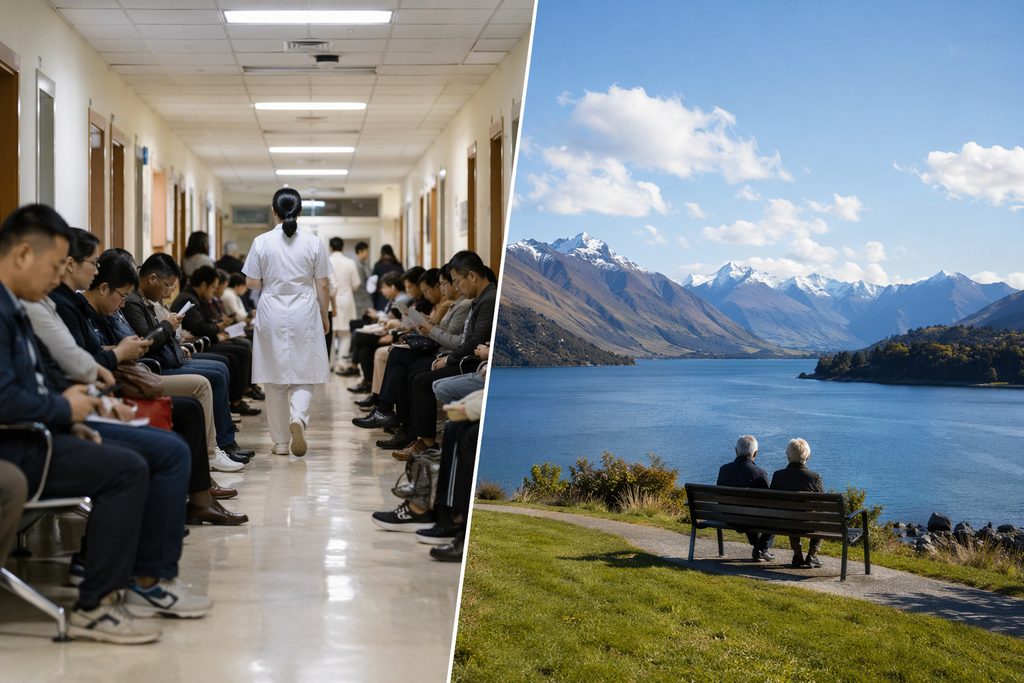
Language is the final piece. Public Chinese hospitals are busy — single-day outpatient volumes at top centers can exceed 10,000 patients. Signs may be bilingual, but nurses and administrative staff often speak limited English. A bilingual medical companion who handles registration, payment, pharmacy runs, and translation makes the difference between a stressful recovery and a smooth one. That’s a service you can arrange independently, or through an organization like China Medical Services, which provides bilingual accompaniment starting from $300 per day.
Frequently Asked Questions
How long is recovery after gallbladder surgery before I can fly home?
Most surgeons clear patients for long-haul flights 7 to 10 days after uncomplicated laparoscopic cholecystectomy. The main risk during air travel is blood clots, not the surgical site itself. Wear compression stockings, move your legs frequently during the flight, and confirm with your surgeon before booking a return ticket.
Is gallbladder surgery safe in China for foreign patients?
At top-tier, JCI-accredited Chinese hospitals, safety standards are comparable to international benchmarks. Surgical volume is high, infection rates are low, and the laparoscopic technique used is identical to what you’d receive in the United States or Europe. The main risk factor for international patients is not clinical quality but communication gaps — which is why bilingual support during the hospital stay matters.
What if something goes wrong after I return home?
Serious complications after laparoscopic gallbladder surgery are rare — bile duct injury occurs in roughly 0.3% to 0.5% of cases, according to published surgical literature. Before you leave China, request a full discharge summary in English, copies of all imaging, and the pathology report on your gallbladder. Bring these to your home doctor for follow-up. Most post-operative issues — wound infections, persistent pain — are manageable by any general practitioner at home.
Can I book a gallbladder surgery package in China before I arrive?
Chinese public hospitals don’t sell fixed-price surgery packages online. What you can do is work with a coordination service that reviews your records, arranges the hospital appointment, and provides on-the-ground support. Surgery is always scheduled after the hospital reviews your case and confirms you’re a suitable candidate. Be wary of any service that promises a specific surgery date or a specific surgeon before your records have been reviewed.
Your Next Step
Recovery after gallbladder surgery is predictable, manageable, and faster than most people fear. The decisions that matter are made before you ever enter the operating room: which hospital, which support system, and which plan for the first two weeks after. China Medical Services exists to help international patients navigate those decisions — we are not a hospital, we do not provide diagnoses, and we never promise outcomes. What we do is connect you with top-ranked Chinese hospitals and provide the bilingual, on-the-ground support that makes treatment abroad feasible. If you want to understand your options, start with a free consultation. No pressure. Just a clear conversation about what’s possible.
For more medical information and treatment options in China, visit chinamedservices.com (China Medical Services).
