Will I Have Loose Skin After Weight Loss? Timing, Costs, and Surgical Options in China
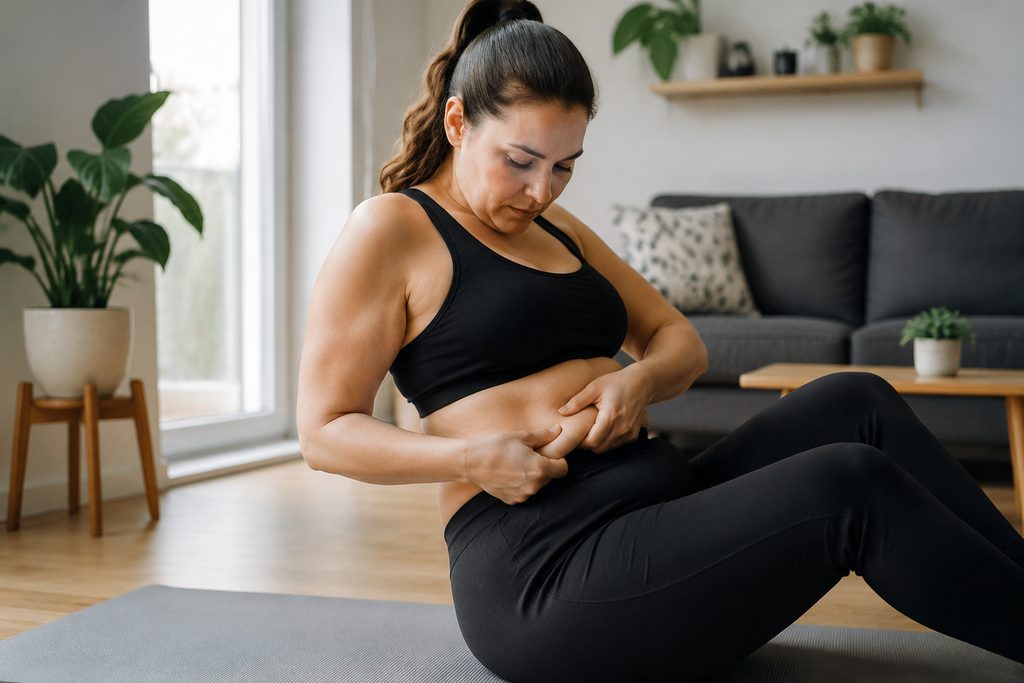
Will I Have Loose Skin After Weight Loss? What Actually Happens to Your Skin
Here is the honest answer: if you lose more than 50 pounds (23 kg), you will almost certainly have some degree of loose skin. The extent depends on your age, how fast you lost the weight, your genetics, and how long you carried the extra weight. Studies in bariatric surgery journals report that over 70% of patients who undergo massive weight loss develop skin redundancy significant enough to consider body contouring. The skin is a living organ. It stretches to accommodate fat. It does not always snap back. When patients ask our team about excess skin removal cost China, they are usually past the question of “if” and already weighing “where” and “how much.” This guide walks through the biology, the realistic timeline, the surgical options, and the financial picture without sugarcoating any of it.
How This Actually Works, Step by Step
Say you have lost 80 pounds through gastric sleeve surgery or lifestyle change. Your weight has been stable for six months. You are left with an abdominal pannus, sagging inner thighs, and upper arms that feel like wings. Here is the sequence from where you are now to a resolved outcome.
First, you document your current state. Photos from multiple angles. A list of every prior surgery, especially the bariatric procedure. Current medications. Recent blood work including hemoglobin, albumin, and iron studies. You send these records to a plastic surgery department for a written second opinion. A Chinese board-certified plastic surgeon reviews the file and gives you a preliminary assessment: which procedures are medically indicated, which are aesthetic, and what the combined operative time would be.
Next, a video consultation. You speak directly with the surgical team. They see your skin elasticity on camera, ask about your goals, and explain what a single-stage versus staged approach would look like. For a full lower body lift plus arm lift plus thigh lift, most surgeons will not do everything in one sitting. Operative time matters. Blood loss matters. Recovery matters.
Then comes the decision point. If you proceed, our team coordinates the hospital admission through the international department. You fly to China. You have pre-operative labs repeated. You meet your surgeon in person the day before surgery. The procedure happens. You stay in the hospital for observation. You recover in a nearby hotel with nursing support before flying home.
Why Skin Does Not Always Shrink Back After Major Weight Loss
Skin elasticity depends on collagen and elastin fibers in the dermis. When you gain weight, these fibers stretch. If the weight stays on for years, the fibers lose their recoil capacity. Age accelerates this. A 25-year-old who loses 60 pounds in one year has a far better chance of natural retraction than a 55-year-old who carried 100 extra pounds for two decades.
Rapid weight loss makes things worse. Bariatric surgery produces faster weight loss than diet alone, which means the skin has less time to adapt. A 2021 review in Obesity Surgery found that patients undergoing gastric bypass lose a mean of 70% of excess body weight within 12 to 18 months — far faster than the skin’s remodeling process can follow. The result is predictable. Skin hangs where fat used to be.
So the question “will I have loose skin after weight loss?” has a biological answer: yes, in proportion to how much weight, how fast, and how old you are. The follow-up question is what to do about it. That is where plastic surgery departments at top-ranked Chinese hospitals come in.
How to Avoid Loose Skin After Weight Loss Surgery
Prevention is limited but real. You cannot train skin to shrink. But you can influence the degree of laxity. Slower weight loss gives skin more time. A deficit of 500 to 750 calories per day, not crash dieting. Adequate protein — at least 1.2 to 1.5 grams per kilogram of body weight daily — supports collagen synthesis. Hydration matters more than most patients think. Resistance training fills some of the empty space with lean mass, which improves the appearance of the arms, chest, and thighs.
That said, no amount of exercise fixes a true pannus. The abdominal skin that hangs below the belt line after 100-pound weight loss has lost its structural integrity. Creams do not rebuild dermal collagen. Radiofrequency and laser treatments can modestly improve skin quality in mild cases, but for moderate to severe redundancy, surgery is the only intervention with predictable results. Patients searching for how to avoid loose skin after weight loss surgery should know: you can reduce the severity, not eliminate the problem, without going under the knife.
A Realistic Timeline
This is where most planning goes wrong. Patients underestimate the waiting. Here is what the process actually looks like when you are coming from outside China.
| Stage | What Happens | Typical Duration |
|---|---|---|
| Day 1–7 | You gather medical records, photos, and bariatric surgery notes. Translation into English or Chinese as needed. | 1 week |
| Week 2–3 | Written second opinion from a plastic surgery department. The surgeon reviews your file and gives a preliminary plan. | 1–2 weeks |
| Week 3–4 | Video consultation with the surgical team. You discuss staging, risks, and expectations. | 1 week |
| Week 4–8 | S2 visa application. You need a hospital invitation letter and treatment plan. Embassy processing varies by country. | 2–4 weeks |
| Week 8–10 | Travel to China. Pre-operative labs and in-person surgical consultation. | 3–5 days before surgery |
| Week 10 | Surgery. Hospital stay for observation. | 3–7 days inpatient |
| Week 11–14 | Recovery in a nearby hotel with nursing support. Drain removal, wound checks, first follow-up. | 2–3 weeks in China |
| Month 3–6 | Back home. Swelling subsides. Scars mature. Final contour visible. | 3–6 months |
The waiting step most people forget is document translation and the visa processing window. S2 visas for medical treatment require supporting documents from a Chinese hospital. That takes time. Plan for at least six to eight weeks between deciding to proceed and landing in China.
What Can Go Wrong — and What Happens Then
Plastic surgery after massive weight loss carries real risks. Wound healing problems are the most common. The skin in these areas has poor blood supply to begin with. Seromas — fluid collections under the skin — occur in up to 15% of abdominoplasty cases. Hematomas, infection, and wound separation happen. Most are manageable with drains, antibiotics, or minor revision. But you need to know this before you book a flight.
What if the surgeon reviews your file and says you are not a candidate yet? This happens. If your weight has not been stable for at least six months, or your BMI is still above 35, or your albumin is low from malnutrition, a responsible surgeon will postpone. The recourse is simple: wait, optimize nutrition, and reapply. A written second opinion that says “not yet” is still valuable. It tells you what to fix.
What if you arrive and the plan changes? Pre-operative labs might reveal anemia or a clotting issue. The surgeon adjusts. Maybe the planned single-stage procedure becomes two stages. That is not a failure. That is medicine. Our role is to coordinate the change, not to promise a fixed script.
And what about the visa? We never guarantee approval. If the S2 visa is denied, the hospital appointment coordination fee is refunded in full — that is our policy. The consultation fees are credited toward future services. You are not left holding nothing.
Can Plastic Surgery Fix Loose Skin in China? What the Numbers Show
The short answer is yes, with caveats. Chinese plastic surgery departments at major public hospitals perform high volumes of post-bariatric body contouring. Volume matters in surgery. A department that does 500 abdominoplasties a year has seen every complication and knows how to handle them. Several hospitals in Beijing and Shanghai have dedicated body contouring teams that work closely with bariatric surgery units. This integrated model — weight loss surgery and skin removal under one roof — is less common in the US, where patients often bounce between separate practices.
Patients asking can plastic surgery fix loose skin in China should understand what “fix” means. It means removing excess skin and tightening the remaining envelope. It does not mean zero scars. A full lower body lift leaves a circumferential scar around the waist. An arm lift leaves a scar from armpit to elbow. A thigh lift leaves a scar along the inner thigh. Chinese surgeons are direct about this. Scars fade over 12 to 18 months but never disappear. If a provider promises invisible scars, walk away.
What about non-surgical options? BodyTite, Renuvion, and similar radiofrequency-assisted lipolysis devices are available in China, including at private international hospitals with English-speaking staff. These work for mild laxity in younger patients. For a true pannus after 100-pound weight loss, they are inadequate. A surgeon who recommends them for severe redundancy is either inexperienced or selling something.
Excess Skin Removal Cost China: A Transparent Breakdown
Let us talk numbers. The excess skin removal cost China is substantially lower than in the United States or Western Europe, even through international departments with English-speaking coordinators. Prices vary by hospital tier, surgeon seniority, and case complexity. These are ranges, not quotes.
| Procedure | China (International Dept.) | United States (Average Cash Price) |
|---|---|---|
| Abdominoplasty (tummy tuck) | $4,000 – $8,000 | $8,000 – $15,000 |
| Lower body lift | $8,000 – $15,000 | $15,000 – $30,000 |
| Arm lift (brachioplasty) | $3,000 – $6,000 | $6,000 – $12,000 |
| Thigh lift | $4,000 – $8,000 | $8,000 – $16,000 |
| Full body lift (staged) | $15,000 – $25,000 | $30,000 – $60,000 |
These figures include surgeon fees, anesthesia, hospital stay, and basic post-operative care through the international department. They do not include flights, hotels, or extended nursing support. The loose skin after bariatric surgery price Shanghai tends to sit at the higher end of these ranges, reflecting Shanghai’s cost structure. Skin tightening surgery cost Beijing is comparable, with some public hospital international departments offering slightly lower fees than private international hospitals. The medical tourism loose skin removal China market has matured over the past decade, and pricing has become more standardized — but always confirm what is included before you commit.
Practical tip: Ask for a line-item quote. Surgeon fee, anesthesia fee, hospital bed fee, operating room fee, consumables, and post-operative garments. If a quote is a single lump sum, ask for the breakdown. Reputable international departments provide this without hesitation.
Practical Considerations: Records, Visa, Payment, and Follow-Up
You will need your complete bariatric surgery records. Operative notes, not just a discharge summary. Weight history. Current medications. Recent labs. If your records are not in English, translation is required before the Chinese surgical team can review them. Our team handles this as part of case management.
Visa category is S2 for medical treatment, not M. M is for commercial trade. The S2 visa requires a hospital invitation letter and treatment plan. Processing times vary by embassy. Apply early. Bring a family member? They also need an S2 visa. We provide the supporting documents for both patient and companion.
Payment is pre-authorized. Chinese public hospitals require a deposit before admission. International departments accept wire transfers and major credit cards. Insurance reimbursement is your responsibility — most Chinese hospitals do not bill Western insurers directly, with the exception of some JCI-accredited private international hospitals that offer direct billing.
Language is the biggest practical barrier. A top-ranked public hospital may see 10,000 outpatient visits a day. No one has time to translate for you. A bilingual medical companion handles registration, payment, directions, and interpretation. From $300 per day. That is not a luxury. That is the difference between a smooth process and a stressful one.
Follow-up at home is real. Your Chinese surgeon will want photos at 1 month, 3 months, and 6 months. Swelling takes months to resolve. Scars need silicone gel or sheets. If a complication arises at home, you need a local physician who can communicate with your Chinese team. We facilitate that communication. You are not abandoned after you board the plane home.
Frequently Asked Questions
Almost certainly, yes. The degree varies by age, genetics, and speed of loss. Some patients have mild laxity that improves with time and exercise. Most patients with 100-pound losses have moderate to severe redundancy that only surgery can fully address.
At least six months of stable weight. Most surgeons prefer 12 months. If you are still losing, surgery is premature. The skin will continue to change, and you may need a revision. Stability is the single most important factor for a good result.
No. The cost difference reflects lower labor costs, lower facility overhead, and a different healthcare financing system. The top plastic surgery departments in Beijing and Shanghai are staffed by surgeons trained in China and often abroad, performing volumes that exceed most Western centers. Quality varies by hospital — which is why selecting a top-ranked department matters.
Wound healing problems. The skin in these areas has compromised blood supply. Seromas, wound separation, and infection are more common than in cosmetic abdominoplasty on patients who have never been obese. A good surgeon anticipates this with drains, compression, and careful technique. But the risk does not disappear.
Sometimes. A lower body lift combined with an arm lift is common. Adding a thigh lift makes it a longer operation with more blood loss and a harder recovery. Most surgeons cap operative time at six to eight hours. Beyond that, complication rates rise. Your surgeon will advise on staging based on your health and goals.
Your Next Step
Loose skin after weight loss is a medical issue with a surgical solution. The decision is not whether to fix it — that is personal — but how to do it safely, affordably, and with a team that communicates clearly. Our organization, China Medical Services, helps international patients navigate top-ranked Chinese hospitals for body contouring and related procedures. We are not doctors. We do not perform surgery or promise outcomes. What we do is handle the coordination: record translation, hospital matching, S2 visa documentation, appointment scheduling, and bilingual accompaniment on the ground. If you want a clearer picture of your options, start with a written second opinion. Send your records. Let a Chinese plastic surgery team review them. Then decide with real information, not guesses.
Your body has already changed. The skin is the last chapter. Write it on your terms.
For more medical information and treatment options in China, visit chinamedservices.com (China Medical Services).
