Dental Work and Vacation in China: A Practical Combo Guide
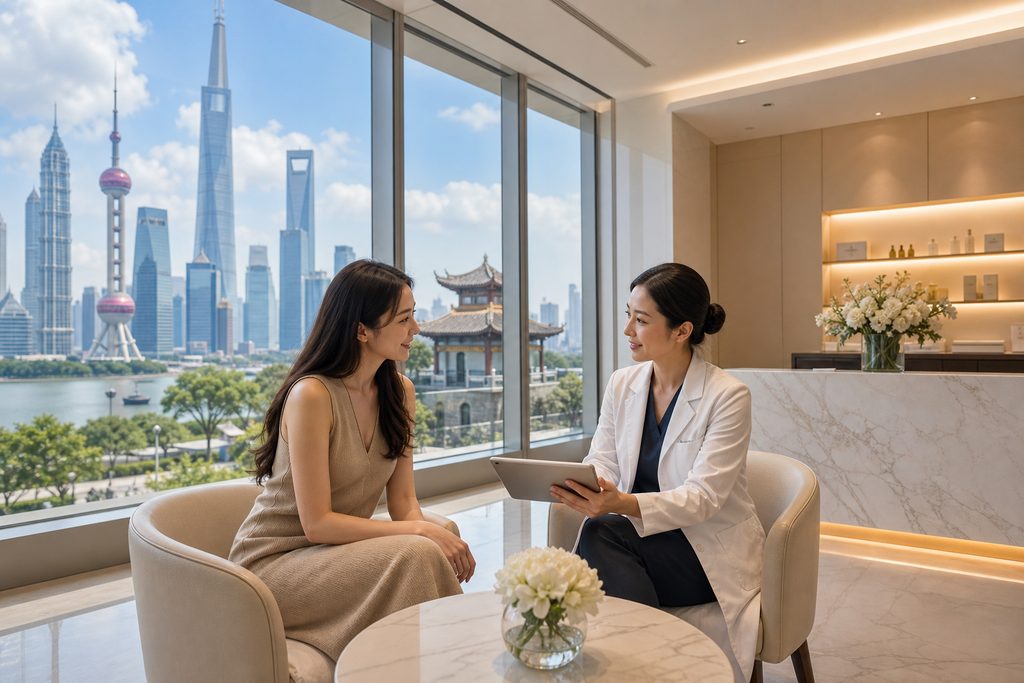
While a single dental implant in the United States routinely runs $3,000 to $6,000 per tooth, the same procedure at a top-tier Chinese dental hospital often costs between $800 and $2,500. That gap is not marginal. It is structural. And it is exactly why patients from London, Sydney, and Vancouver increasingly ask our team a version of the same question: can I combine dental implants cost China vacation into one trip?
You can. Thousands of international patients do it every year. But the combination works best when you understand the sequence, the timing, and where the real risks sit. This guide walks through the practical mechanics, not the brochure version. We coordinate care for patients from over 30 countries, and the pattern is consistent: those who plan around healing timelines come home satisfied. Those who treat it like a standard holiday return with unfinished work or avoidable complications.
China’s dental infrastructure for foreign patients splits into two worlds. The public hospital stomatology departments — places like Peking University School of Stomatology or Shanghai Ninth People’s Hospital — deliver exceptional clinical quality at the lowest cost. The private international clinics, including JCI-accredited private hospitals in Beijing and Shanghai, add English-speaking coordination, direct insurance billing, and Western-style appointment pacing. Both are legitimate. Your choice depends on budget, language comfort, and how much hand-holding you want.
How This Actually Works, Step by Step
The process starts weeks before you board a plane. Send us your recent dental records: panoramic X-rays, any CBCT scans, a treatment plan from your home dentist, and a list of medications. We translate those documents into Chinese and route them to the appropriate department — oral surgery, implantology, or prosthodontics. A specialist reviews your case and returns a written assessment: what they agree with, what they would change, and what the local cost estimate looks like.
Then comes the scheduling conversation. Public hospital departments in China do not generally accept overseas bookings for routine outpatient slots. You show up, register, and queue. That works fine for simple cleanings or single-tooth evaluations. For implant placement or full-mouth work, the international department or a private clinic is the practical route. They reserve appointment blocks. They confirm English interpretation. They tell you exactly which days to appear.
You fly in, attend the first consultation, and the dentist confirms the plan. For a single implant with good bone density, placement often happens within the same week. For multiple implants, sinus lifts, or bone grafts, the surgical phase may be staged over two or three visits across several days. You pay a deposit or the full surgical fee up front at public hospitals. Private clinics may accept international insurance directly.
After surgery, you rest. Then you sightsee. Then you return for a follow-up check before flying home. The final crown placement typically happens months later — either on a second trip or with your home dentist using records we help you transfer.
Dental Tourism Packages China with Sightseeing: What Actually Fits
Here is the honest constraint: major oral surgery and aggressive tourism do not mix well in the same 48 hours. Swelling, pain medication, and dietary restrictions are real. But the timeline has natural gaps. A typical single-implant trip looks like this: Day 1 consultation and scans, Day 3 surgery, Days 4 through 7 light sightseeing with soft foods, Day 8 post-op check, fly home Day 9 or 10. That leaves meaningful room for museums, gentle walking tours, and excellent congee.
Some patients ask us to book dental tourism packages China with sightseeing as a combined itinerary. We do not sell package tours. What we do is coordinate the medical schedule and recommend neighborhoods, hotels, and recovery-friendly activities around it. A patient getting implants in Shanghai can stay near Xintiandi, recover with short walks, and manage a day trip to Hangzhou’s West Lake before the final check. The key is sequencing: put the procedure early in the trip, not late.
For heavier work — full-arch restoration, multiple extractions, bone grafting — plan a longer stay. Two to three weeks is realistic. That still leaves a full week of functional sightseeing between surgical stages. Beijing works well for this: the Forbidden City and Summer Palace require slow walking, which suits recovery. Avoid spicy Sichuan food until sutures heal. Your dentist will tell you the same.
A Realistic Timeline
| Phase | What Happens | Typical Duration |
|---|---|---|
| Remote evaluation | Send records, translation, specialist review, written plan and cost estimate | 1–2 weeks |
| Visa processing | S2 visa application with hospital invitation letter and treatment confirmation | 1–3 weeks depending on embassy |
| Arrival and consultation | In-person exam, CBCT scan, final treatment plan confirmation | 1–2 days |
| Surgical phase | Implant placement, possible extractions or bone grafting | 1–5 days depending on complexity |
| Recovery and sightseeing | Healing, light tourism, follow-up check | 5–14 days |
| Return home | Post-op instructions, records transfer to home dentist | — |
| Final restoration | Crown placement in China or at home | 3–6 months after surgery |
People forget two waiting periods. Document translation takes real days, especially if your X-rays are in a non-English format. And visa processing cannot be rushed. The S2 visa is the correct category for short-term medical treatment in China — it covers private affairs including medical visits, and accompanying family members apply under the same category. Our team provides the hospital invitation letter, treatment confirmation, and accommodation details that embassies typically request. We never guarantee approval, but we do make sure your paperwork is complete.
What Can Go Wrong — and What Happens Then
Bone quality surprises people. Your home dentist said you were a good implant candidate. The Chinese specialist reviews your CBCT and finds insufficient bone density. This is common, not malpractice. The solution is a bone graft or sinus lift, which adds cost and healing time. You might need to return for a second trip earlier than planned. We have seen this happen to patients from Germany, the UAE, and Australia. It is manageable, but only if you budget flexibility.
Infection is the other realistic risk. Post-surgical infection rates for dental implants in China’s top hospitals are comparable to Western benchmarks — typically under 2% for healthy patients. But it happens. If it happens to you, the treating hospital provides follow-up care. If you are already home, your local dentist manages it. Keep your Chinese records complete and translated. That is the single most valuable thing we help patients prepare.
Language breakdowns happen less than people fear but more than clinics advertise. Public hospital dental departments are high-volume environments. The dentist may speak functional English. The nurse at the payment window likely does not. That is where a bilingual companion changes the experience. Not a guide. A medical interpreter who knows the hospital layout, the payment process, and the right questions to ask. From $300 per day, this is often the difference between a stressful day and a smooth one.
How Long to Stay in China for Dental Implants: The Numbers That Matter
Most dentists recommend waiting 48 to 72 hours after implant placement before flying. Cabin pressure changes do not typically affect implants, but post-operative swelling and pain medication can make a long flight uncomfortable. For multiple implants or bone grafts, wait five to seven days. Your treating dentist will clear you for travel at the follow-up visit.
Your home dentist handles most post-operative issues — infections, loose healing caps, minor adjustments. This is why complete English records matter. For rare complications like early implant failure, some patients choose to return to China for revision. The treating hospital’s international department can usually schedule this quickly. But most routine follow-up happens locally.
Top Chinese hospitals and international clinics predominantly use the same implant systems you would find in Europe or North America — Straumann, Nobel Biocare, and similar. Domestic brands like WEGO and Trausim exist and are used in lower-cost settings, but international patients are almost always offered internationally recognized systems. Confirm the brand before you commit.
For a single implant including crown, expect to pay $800 to $2,500 in China versus $3,000 to $6,000 in the US. For full-mouth restoration, the savings can reach $15,000 to $30,000. Factor in flights, accommodation, and coordination fees. Most patients still save 40% to 60% net. The more teeth involved, the larger the absolute saving.
Your Next Step
Combining dental work with a vacation in China is not a gimmick. It is a rational financial decision when the planning is done properly. The patients who succeed are the ones who treat the medical schedule as the spine of the trip and the sightseeing as the pleasant filler between appointments.
Our team at China Medical Services coordinates the medical side — hospital matching, record translation, appointment scheduling, bilingual companionship, and visa documentation. We do not perform dental work, and we do not sell package tours. What we do is make sure you arrive prepared, get treated by a qualified specialist, and leave with complete records. If you are considering this, start with a free consultation at our patient coordination page. Send your records. We will tell you honestly whether the timeline works for your case.
The savings are real. The planning is the price. Do the planning first.
Frequently Asked Questions
Yes. The hospitals used for international patients are JCI-accredited and follow the same international safety standards as top hospitals in the US and Europe. Surgical teams perform high volumes of procedures — often more than their Western counterparts — which studies show leads to better outcomes.
Costs vary by procedure and hospital, but international patients typically save 40-80% compared to US prices — even when factoring in travel and accommodation. A consultation with our team will give you an exact, all-inclusive quote with no hidden fees.
Send us your existing medical reports to get started. We handle everything from hospital selection and appointment scheduling to visa assistance and post-operative recovery planning. Your medical records are reviewed by the specialist before you even book a flight.
For more medical information and treatment options in China, visit chinamedservices.com (China Medical Services).
