After Surgery in China: Who Coordinates Your Follow-Up at Home?
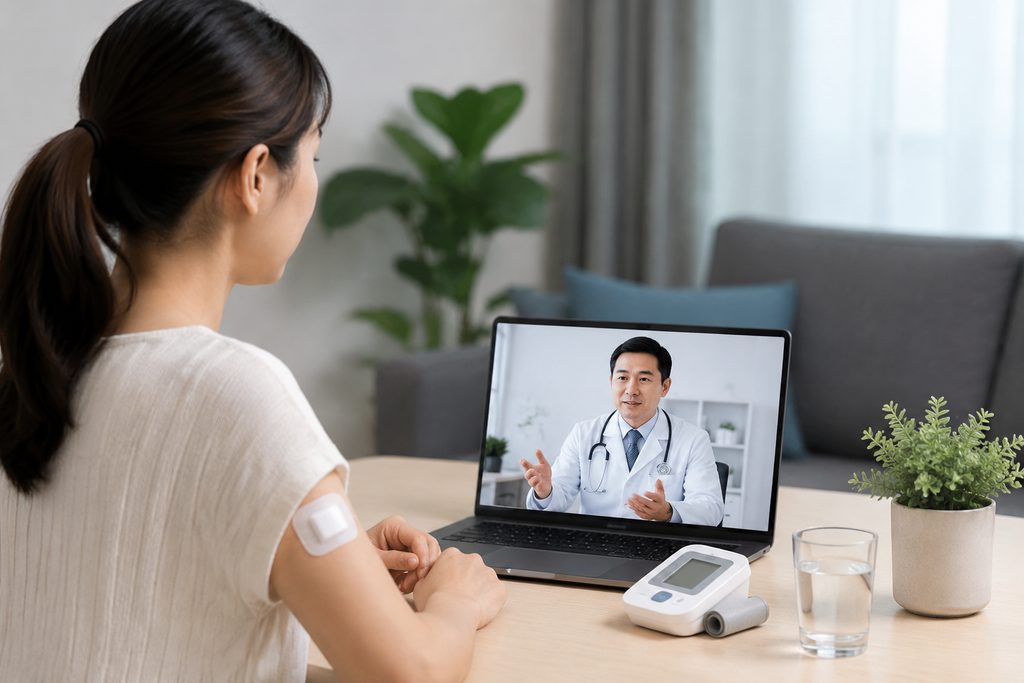
According to a 2023 analysis by the Medical Tourism Association, roughly 14% of international patients report confusion about who manages their recovery after they fly home. The surgery happened in Shanghai. The surgeon is 7,000 miles away. Your local doctor never saw the operative report. That gap is exactly where post surgery follow up care China programs either hold up or fall apart. Our team coordinates this handoff every week, and the mechanics are less complicated than most patients fear — provided the right structure is set before you board the plane.
We are not a hospital. We are the layer between you and the clinical team that operated on you. That distinction matters because it defines who actually does what after discharge.
How This Actually Works, Step by Step
You leave the Chinese hospital with a discharge summary, operative notes, imaging on a USB drive or cloud link, and a medication list. Some of it is in English. Much of it is not. Here is the sequence we run for patients who go through our coordination service:
First, we collect everything. Discharge summary, surgical record, pathology report if applicable, post-op imaging, and the discharge medication chart. We translate the clinically relevant sections into English and format them into a single continuity-of-care document.
Second, we confirm the follow-up protocol with the treating department. Chinese surgeons typically want wound photos at specific intervals, lab results at week 2 and week 6, and imaging at month 3 or month 6 depending on the procedure. We get that schedule in writing.
Third, we set up the remote review channel. Most top-tier Chinese hospitals now use WeChat-based medical communication or hospital-sanctioned telemedicine portals. We handle the account setup, scheduling, and translation for those touchpoints.
Fourth, we prepare a handoff packet for your doctor at home. This is the piece most medical tourism companies skip. It includes the translated operative report, the surgeon’s follow-up expectations, red-flag symptoms to watch for, and direct contact information for the Chinese department’s international coordinator.
And then the ongoing loop begins: you send us your local lab results or wound photos. We relay them to the Chinese team. They respond with instructions. We translate and forward. That loop runs for as long as the surgeon wants it to — usually 3 to 12 months.
Can My US Doctor Coordinate with a Chinese Hospital?
Yes — with some effort and the right paperwork. American physicians are generally willing to take over post-operative care, but they need documentation they can actually read and trust. A Chinese operative note written in Mandarin, even with a rough translation, often doesn’t meet the standard a US surgeon expects.
What works: a structured handoff document that includes the operative technique, implants or devices used, intraoperative findings, estimated blood loss, complications if any, and the exact post-op protocol. We prepare this in a format familiar to Western clinicians. The Chinese hospital stamps and signs it. Your US doctor then has something concrete to work from.
Direct doctor-to-doctor calls happen, but they are rare. Time zones, language barriers, and hospital policies make them impractical for routine follow-up. The more realistic model is asynchronous communication through a coordinator — which is precisely the role we fill.
But let’s be honest about the limits. A US orthopedic surgeon will not blindly follow a Chinese surgeon’s rehab protocol if it conflicts with their own training. What usually happens is a hybrid: the Chinese team sets the baseline restrictions and timeline, and the US doctor adapts them to local practice. That is normal and generally safe, as long as both sides see the same records.
A Realistic Timeline
Here is what the first six months actually look like for a patient who had major surgery in Shanghai or Beijing and returned to the United States or Europe:
| Stage | What Happens | Realistic Duration |
|---|---|---|
| Discharge from Chinese hospital | Receive discharge summary, meds, first follow-up instructions | Day 0 |
| Document translation and handoff packet | We translate records, format for your home doctor | 3–7 days |
| First remote check-in with Chinese team | Wound photos or lab results reviewed via telemedicine | Week 2 |
| Second remote check-in | Lab work, medication adjustment if needed | Week 6 |
| First imaging follow-up | X-ray, CT, or MRI done locally, sent to China for review | Month 3 |
| Final structured review | Chinese surgeon signs off or extends monitoring | Month 6–12 |
People forget the translation step. It adds a week. People also forget that your local imaging center will not automatically send files to China — you or your coordinator must handle that transfer. And visa processing for the initial trip, which we cover elsewhere, can take 2–4 weeks depending on your consulate. Add that to the front end if you are still planning surgery.
What Can Go Wrong — and What Happens Then
Wound infection is the most common post-op complication across all surgical specialties, and it usually appears after you are home. You send a photo. It looks concerning. The Chinese surgeon is asleep because it is 3 a.m. in Shanghai. What now?
This is where the protocol matters. We establish a red-flag list before discharge. Fever above 38.5°C, spreading redness, purulent drainage, dehiscence — these trigger an immediate local evaluation, not a wait for a WeChat reply. You go to your local urgent care or emergency department. They treat the acute issue. We then relay their findings and treatment to the Chinese team so the record stays complete.
Another failure mode: the Chinese hospital’s telemedicine portal doesn’t work outside China. This happens more often than hospitals admit. Some platforms are blocked or simply unreliable internationally. Our workaround is email-based review through the department’s international office, or a scheduled video call using a platform both sides can access.
And then there is the medication gap. A Chinese discharge prescription may include drugs not available in your country, or available under different names. We flag these before you leave and ask the prescribing physician for international alternatives or generic names. When that doesn’t happen in time, we coordinate a remote prescription adjustment.
What we cannot do: guarantee the original surgeon will personally review every message within 24 hours. Top surgeons in China carry enormous clinical loads. The department’s team — fellows, residents, international coordinators — handles most follow-up communication. That is standard practice and generally works well, but patients should expect the department’s team, not always the named surgeon.
How Does Remote Follow-Up Work After Surgery Abroad?
The mechanics vary by hospital tier. At large public academic centers like those in our top-ranked hospital database, follow-up runs through the department’s international office or a designated nurse coordinator. At private international hospitals, follow-up is often more structured, with patient portals and English-speaking case managers.
Remote follow-up typically includes three components. Clinical review — the surgeon or their team looks at your images, labs, or photos and gives written feedback. Medication management — adjustments to pain control, anticoagulation, or immunosuppression based on your local lab results. And documentation — updates to your medical record that you can share with your home provider.
The question patients actually ask is: will my surgeon really look at my images, or is this a formality? At the hospitals we work with, the answer is yes, the images get reviewed. Chinese surgeons are meticulous about their own outcomes, and post-op imaging is how they track them. The review may happen days after you send the files, but it happens.
For patients evaluating medical tourism aftercare package price, the range is wide. Some hospitals include 3 months of remote follow-up in the surgical package. Others charge per consultation. Our coordination service — which includes translation, scheduling, and document handling — starts from $300 for the appointment coordination component, with remote follow-up coordination typically bundled into the broader service agreement. Prices vary by hospital and case complexity.
Best Hospitals in Shanghai for International Patient Follow-Up
Shanghai has the second-highest concentration of Fudan-ranked hospitals in China — 18 of the top 100, behind Beijing’s 21. For international patients, the practical question is which institutions have dedicated international departments with English-speaking follow-up staff.
Public academic hospitals like Zhongshan Hospital and Ruijin Hospital run large international medical centers that handle overseas patients from intake through post-discharge follow-up. Their follow-up infrastructure is solid, though communication can be slower than at private facilities. Private international hospitals — United Family, Jiahui, Parkway — offer more seamless remote follow-up with English-speaking case managers and Western-style documentation, at a higher price point.
The tradeoff is real. A public top-tier hospital gives you the most experienced surgeons and the lowest surgical fees. A private international hospital gives you smoother communication and more predictable follow-up logistics. Some patients split the difference: surgery at a public academic center, with our coordination layer handling the communication gap.
You can compare options in our Shanghai hospital guide or browse JCI-accredited private hospitals that offer direct insurance billing and English-speaking staff.
Practical Considerations: Records, Payment, and Insurance
Before you leave China, get physical copies of everything. Not just digital files — paper copies with hospital stamps. Chinese medical records carry official red stamps that Western institutions sometimes expect for verification. Digital files are convenient, but the stamped paper matters for insurance claims and some US hospital admissions.
Payment for follow-up services varies. Remote consultations are usually paid out of pocket, then submitted to your insurer for possible reimbursement. Chinese public hospitals do not bill US insurance directly. Private international hospitals often do. Check your policy’s telemedicine and out-of-network coverage before you travel.
Insurance is the quiet complication. Your US insurer may cover complications that arise after you return home, but they may question whether the original surgery was “medically necessary” if it was performed abroad. Get pre-authorization in writing before surgery if your policy allows it.
Language remains the persistent friction point. Every message, every lab result, every imaging report that moves between your local doctor and the Chinese team needs translation. Not just literal translation — clinical translation that preserves meaning. A bilingual medical companion during your in-person visits helps, and our remote coordination extends that function after you leave.
Practical tip: Before discharge, ask the Chinese team to write the follow-up schedule in English, with specific dates and targets. A vague “come back in 3 months” becomes a problem when you are 7,000 miles away and unsure whether to book a flight.
Frequently Asked Questions
Your local primary care physician or specialist is clinically responsible for your day-to-day recovery. The Chinese surgical team remains responsible for reviewing imaging, adjusting the surgical protocol, and advising on complications related to the procedure. A coordinator — our team or the hospital’s international office — manages the communication between them.
Yes, and you should. The strongest arrangements are made before surgery, not after discharge. Confirm the follow-up schedule, the communication channel, and who specifically will review your remote results. Ask for this in writing as part of your pre-surgical planning.
This happens. Your local doctor has their own clinical judgment and liability concerns. The practical solution is to share the translated operative report and follow-up recommendations, then let your local doctor adapt them. The Chinese team can provide clarification if needed, but they cannot force a foreign physician to follow their instructions.
Hospital fees for remote consultations typically range from $100 to $300 per session at public hospital international departments, and more at private facilities. Coordination services that include translation, scheduling, and document handling start from $300 and vary by case complexity and duration of follow-up.
You go to your local emergency department. Do not wait for a response from China. After the acute issue is addressed, we relay the local treatment record to the Chinese team so they can update their recommendations and maintain a complete medical record.
Your Next Step
Post-operative follow-up after surgery in China is manageable, but it requires structure, translation, and a reliable communication channel. Without those, the handoff back to your home doctor becomes a source of stress exactly when you should be focused on recovery.
We are China Medical Services, a coordination team that connects international patients with top-tier Chinese hospitals and manages the logistics — including post-discharge follow-up — so the clinical relationship doesn’t end at the airport. We do not practice medicine, and we do not make clinical decisions. We make the communication work.
If you are planning surgery in China or have already returned home and need help structuring your follow-up, start with a conversation. Our team will review your situation and explain what coordination would look like for your specific case. Reach out for a free consultation — no commitment, just clarity on how the handoff can work.
For more medical information and treatment options in China, visit chinamedservices.com (China Medical Services).
