After Weight Loss Surgery: When Can You Safely Fly Home?
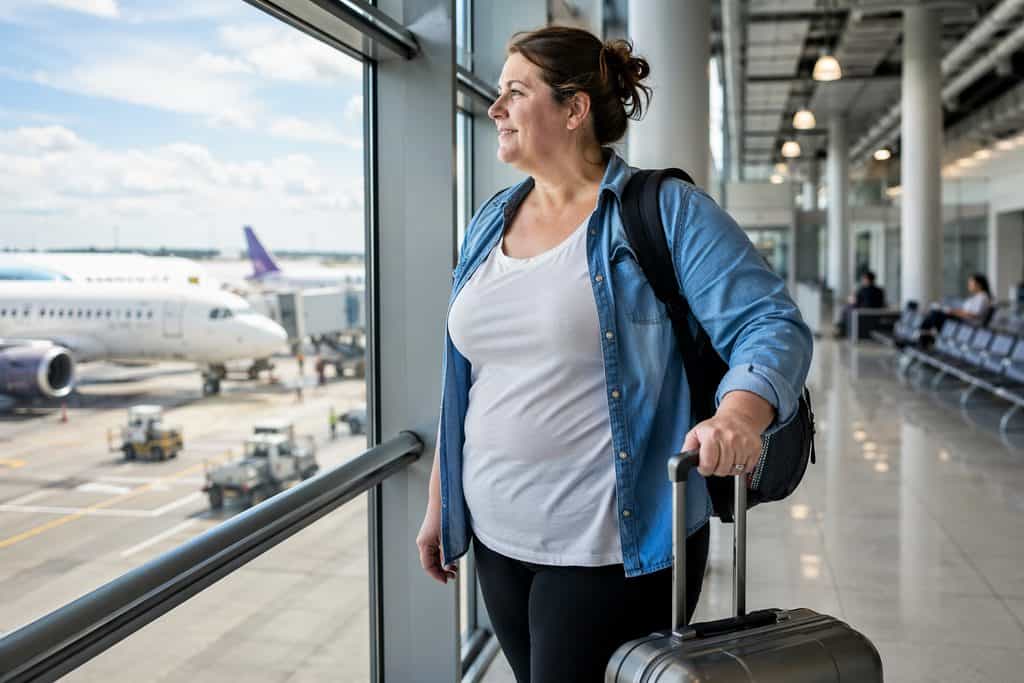
How Soon Can I Fly Home After Weight Loss Surgery?
Flying too soon after bariatric surgery is one of the most dangerous mistakes a medical tourist can make. The risk of deep vein thrombosis (DVT) and pulmonary embolism (PE) remains elevated for weeks. Yet the gastric sleeve surgery cost China is often 60-70% lower than in the United States, which pushes many patients to shorten their stay and board a plane prematurely. Most bariatric surgery associations, including the American Society for Metabolic and Bariatric Surgery (ASMBS), recommend waiting at least 7 to 10 days after an uncomplicated sleeve gastrectomy before taking a short-haul flight. For long-haul international flights, many surgeons extend that window to 2 weeks or more.
This article covers the real timelines, the physiological risks of flying after gastric surgery, and what a safe recovery period actually looks like if you are traveling to China for a sleeve or bypass.
Key Takeaways
- Most bariatric surgeons require a minimum of 7–10 days on the ground after an uncomplicated gastric sleeve before clearing a patient for a short flight.
- Long-haul international flights should be delayed until at least 14 days post-op, with some protocols extending to 21 days for higher-risk patients.
- The primary danger is not the surgery site — it is silent blood clots. Pneumatic compression and early walking reduce but do not eliminate this risk.
- If you are considering medical tourism, you must budget for an extended in-country recovery, not just the procedure itself.
The Problem: A Long Flight Is a Blood Clot Factory
Venous thromboembolism (VTE) — which includes both DVT and PE — occurs in approximately 0.5% to 2.4% of bariatric surgery patients even without air travel, according to data from the Metabolic and Bariatric Surgery Accreditation and Quality Improvement Program (MBSAQIP). Air travel independently raises the risk of VTE by 2 to 4 times in the general population, per a World Health Organization (WHO) research initiative on travel-related thrombosis. Combine the two and the math gets uncomfortable.
Bariatric patients carry three compounding risk factors. First, obesity itself is a hypercoagulable state. Second, the surgery triggers a systemic inflammatory response that thickens the blood for weeks. Third, the cabin environment — low humidity, cramped seating, and sustained immobility at 8,000 feet of cabin altitude — slows venous return in the legs. That is why most surgeons are far more concerned about the flight home than about the surgery itself.
Why the Timing Rules Exist: What Actually Happens After a Gastric Sleeve
The first 72 hours after a sleeve gastrectomy are when most leaks and bleeds declare themselves. A staple-line leak occurs in roughly 1% of primary sleeve procedures. If it happens, you want to be in the same city as your operating team — not at 35,000 feet over the Pacific. After day 3, the risk drops sharply. But mobility, hydration tolerance, and pain control remain poor for the first week.
Clinical Volume and Standardized Protocols
High-volume bariatric centers in China operate on a scale that forces standardization. A single top-tier metabolic surgery department may perform over 1,000 sleeves and bypasses annually. That volume produces tight, predictable recovery pathways. Patients are typically ambulated within 4 to 6 hours of extubation. Discharge from hospital usually happens on day 3 or 4. But discharge is not the same as flight clearance. The hospital wants you out of the bed. The airline wants you out of the country. Neither of those timelines has anything to do with your actual clot risk curve.
Technology and Monitoring at Scale
Many Chinese bariatric programs now use enhanced recovery after surgery (ERAS) protocols borrowed from colorectal and orthopedic surgery. That means preoperative carbohydrate loading, opioid-sparing anesthesia, early oral intake, and routine use of intermittent pneumatic compression devices while in bed. Some centers also use routine postoperative ultrasound screening for DVT in high-risk patients. None of these measures eliminate the need for a waiting period before flying. They just make the waiting period safer.
Cost Advantage Without Quality Compromise
Let us address the obvious question: does a lower weight loss surgery price Shanghai mean a lower standard of care? Not structurally. The cost difference is driven by labor economics and hospital efficiency, not by skipping safety steps. A sleeve gastrectomy at a top-tier public hospital in Shanghai typically runs between $8,000 and $15,000, depending on the ward class and whether an international department is used. The same procedure at a major US academic center averages $16,000 to $23,000 for the surgeon and facility fees alone, before anesthesia and aftercare. The savings are real. But they should fund a longer, safer recovery stay — not a rushed exit.
Flying After a Gastric Sleeve: A Realistic Day-by-Day Timeline
Here is what a safe timeline actually looks like for an international patient having a sleeve gastrectomy in China.
| Post-Op Day | What Happens | Flight Status |
|---|---|---|
| Day 0–1 | Surgery, PACU, first ambulation, clear liquids | Absolutely no flying |
| Day 2–3 | Contrast swallow to rule out leak, discharge from hospital | No flying |
| Day 4–7 | Hotel recovery, walking, full liquid diet, pain tapering | Short domestic flight only if cleared |
| Day 8–14 | Soft diet begins, energy improving, incision checks | International flight possible if no complications |
| Day 15–21 | Staples removed, normal walking tolerance | Long-haul flight with compression and movement plan |
These are general ranges. A patient with sleep apnea, prior DVT, or a BMI above 50 may be told to wait a full three weeks. A young patient with no comorbidities might get cleared at day 10. The surgeon decides. Not the airline, not the medical tourism coordinator, and certainly not the patient’s flight budget.
Is It Safe to Fly After Gastric Bypass? The Answer Is Different
Roux-en-Y gastric bypass changes the risk picture. The operation involves two anastomoses instead of one long staple line. The leak rate is similar — around 0.6% to 1% — but a leak after bypass can be more insidious. It may not declare itself with dramatic pain. It can smolder as tachycardia and vague malaise for days. That is why many bariatric programs impose a stricter flight window for bypass patients: 14 days minimum, with 21 days recommended for long-haul routes. If you are asking is it safe to fly after gastric bypass, the honest answer is yes — but only after a longer observation window than a sleeve requires.
What to Do on the Flight Itself: Non-Negotiable Precautions
Once you are cleared to fly, the flight itself becomes a medical event. You are not a normal passenger anymore. You are a postoperative patient in a pressurized metal tube.
Wear properly fitted graduated compression stockings — 15 to 20 mmHg at minimum, 20 to 30 mmHg preferred — for the entire journey. Get an aisle seat. Every 60 to 90 minutes, stand up and walk the cabin for at least 3 to 5 minutes. While seated, do ankle pumps and calf raises every 30 minutes. Drink water constantly. Avoid alcohol and sedatives. If your surgeon has prescribed prophylactic low-molecular-weight heparin for the flight, take it exactly as directed. Some bariatric programs prescribe a single pre-flight dose of enoxaparin for long-haul travel. Others do not. This is a decision for your surgical team, not a travel blog.
Warning: Do not fly if you have any of the following: fever above 38°C, persistent tachycardia over 110 bpm, new shoulder pain (a possible sign of diaphragmatic irritation from a leak), worsening abdominal pain, or any leg swelling or calf tenderness. These are red flags. They require immediate evaluation in China, not a seat on a plane.
Practical Considerations: Planning a Safe Surgical Stay in China
If you are pursuing medical tourism weight loss surgery China, plan for a minimum stay of 16 to 21 days. That breaks down as: 2 to 3 days of preoperative evaluation and preparation, 3 to 4 days in hospital, and 10 to 14 days of local recovery before flying. If your schedule cannot accommodate that, reconsider the trip entirely. A rushed bariatric journey is a dangerous one.
Visa requirements are specific. Foreign nationals traveling to China for medical treatment generally apply for an S2 visa with supporting documents from the treating hospital. The S2 is a short-stay visa for private affairs, and medical treatment falls under this category when properly documented. The M visa is for commercial and trade activities only — it is not appropriate for medical travel. Always confirm current requirements with the Chinese embassy or consulate in your home country before booking anything.
Payment is another practical hurdle. Chinese public hospitals require prepayment for surgical packages. International insurance may reimburse afterward, but few Chinese public hospitals bill foreign insurers directly. Private international hospitals in cities like Shanghai and Beijing are more likely to offer direct billing, but their surgical fees run higher. Bring a payment method that works in China — major credit cards are accepted at international hospital departments, but many public hospital cashiers prefer UnionPay or local bank transfer. Confirm before you fly.
Language is a genuine barrier. A top-tier bariatric department may see 200 outpatients a day. The surgical team is excellent. The front-desk staff may not speak English. For a patient who has just had major abdominal surgery, navigating follow-up visits, prescription refills, and postoperative imaging without language support is exhausting. This is where a bilingual medical companion changes the experience. China Medical Services maintains a database of 340+ top-ranked hospitals across 37 cities, including bariatric centers in Shanghai, Beijing, and Guangzhou. We do not perform surgery. We coordinate access, translation, and logistics so that your recovery is spent healing instead of fighting administrative battles.
Frequently Asked Questions
For a sleeve gastrectomy, most surgeons clear patients for short flights at day 7 to 10 and long-haul international flights at day 14. For gastric bypass, add several more days. These are minimums, not targets. Your surgeon’s word is final.
A blood clot in the legs that travels to the lungs. Pulmonary embolism is the leading cause of death after bariatric surgery, and air travel multiplies the underlying risk. The surgery site itself rarely causes problems on a plane. The clot does.
Some international hospital departments and medical travel coordinators offer bundled packages that include surgery, hospital stay, and nearby hotel accommodation for the recovery period. Prices vary widely. Always confirm exactly which days are covered and whether postoperative imaging and surgeon follow-up visits are included in the gastric sleeve surgery cost China package you are quoted.
You need a local bariatric surgeon identified before you leave China. Ask your Chinese surgical team for a discharge summary in English, copies of all imaging, and a direct contact line for postoperative questions. Most complications — dehydration, port-site infections, food intolerance — can be managed by a competent bariatric program at home. Rare emergencies like late leaks require immediate care wherever you are. Do not fly home without a written plan.
Your Next Step
The decision to have weight loss surgery abroad is not really about the surgery. It is about the 14 to 21 days after the surgery, when your body is healing and the flight home is the most dangerous part of the entire journey. Plan for that window. Budget for it. Respect it. We help international patients identify appropriate bariatric centers in China and coordinate the logistics of a safe surgical stay. We are not a hospital and we do not provide medical advice or diagnoses. If you are comparing options and want to understand what a realistic, safe timeline looks like at a specific Chinese hospital, request a free consultation and we will walk you through it.
For more medical information and treatment options in China, visit chinamedservices.com (China Medical Services).
