Brachial Plexus Recovery: A Timeline From Surgery to Function
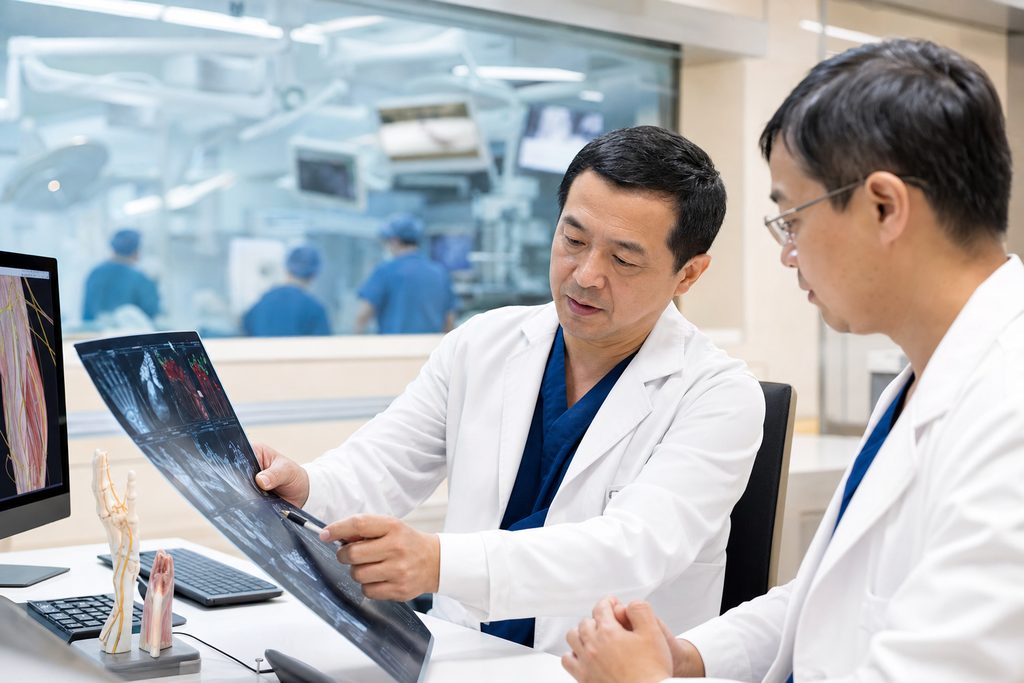
Brachial Plexus Recovery: A Timeline From Surgery to Function
Have you ever wondered how long it actually takes to regain arm movement after a brachial plexus injury? If you or someone you love is facing this diagnosis, the uncertainty is often worse than the pain. The brachial plexus surgery cost China offers a compelling reason to consider treatment abroad, but the recovery timeline is what keeps most patients awake at night. Our team at China Medical Services has guided dozens of international patients through this exact journey, and the question is always the same: “When will I see results?”
Key Takeaways
- Nerve regeneration follows a fixed biological clock: approximately 1 millimeter per day, meaning shoulder function returns before elbow function, and hand function takes longest — often 18-24 months.
- Brachial plexus surgery cost China typically ranges from $15,000 to $35,000 for complex nerve reconstruction, compared to $80,000-$150,000 in the United States for equivalent procedures.
- Early surgical intervention (within 3-6 months of injury) produces significantly better outcomes than delayed repair, yet many Western patients wait 6-12 months just for a surgical consultation.
- Recovery is not passive waiting — structured rehabilitation, electrical stimulation, and consistent follow-up imaging determine whether the surgery succeeds as much as the operation itself.
The Problem: Nerve Injuries Do Not Heal on Their Own Schedule
Brachial plexus injuries affect approximately 1 in 1,000 live births and a significant number of adults involved in motorcycle accidents, contact sports, or high-speed collisions. The brachial plexus is the network of nerves running from your spinal cord through your neck and into your arm. When those nerves are stretched, compressed, or torn, the signals from your brain to your arm simply stop. You cannot lift your hand. You cannot bend your elbow. You cannot feel your fingers.
The harsh reality is that a completely severed nerve will never regenerate without surgical intervention. And even with surgery, the process is agonizingly slow. Nerves regrow at roughly 1 millimeter per day. From your neck to your hand is about 700 millimeters. Do the math. That is why understanding the brachial plexus recovery timeline before you commit to surgery is not just helpful — it is essential for setting realistic expectations and planning your life around a long rehabilitation.
Why China Delivers Results for Brachial Plexus Reconstruction
Surgical Volume Creates Specialized Expertise
China’s top-tier hospitals handle a volume of brachial plexus cases that most Western centers simply cannot match. Fudan University’s Huashan Hospital in Shanghai performs over 1,000 peripheral nerve surgeries annually, including complex brachial plexus reconstructions. Compare that to a typical US academic medical center, which might see 50-80 such cases per year. The surgeons at Huashan, Beijing Jishuitan Hospital, and West China Hospital have refined their techniques through sheer repetition. When you ask whether brachial plexus surgery is safe in China, the answer lies in those numbers: volume drives competence, and competence drives safety.
Cost Advantage Without Compromise
Now let us address the brachial plexus surgery cost China directly. A complex brachial plexus reconstruction involving nerve grafts, nerve transfers, and possibly free functioning muscle transfers typically costs between $15,000 and $35,000 in a top Chinese public hospital’s international department. The same procedure in the United States runs $80,000 to $150,000. In Western Europe, expect $60,000 to $120,000. The nerve graft price abroad is simply lower in China, and the reason is structural: lower labor costs for hospital staff, government-subsidized infrastructure, and a healthcare system designed for high throughput rather than high margins. A nerve graft that costs $5,000 in Germany might cost $800 in Shanghai. The graft material itself — often a sural nerve harvested from the patient’s own leg — is identical in quality. What differs is the system around it.
Technology and Rehabilitation Under One Roof
Chinese brachial plexus centers increasingly integrate intraoperative nerve monitoring, high-resolution MRI neurography, and early post-operative rehabilitation protocols. At Huashan Hospital, patients begin passive range-of-motion exercises within days of surgery, and the rehabilitation department works in the same building as the operating theater. This is not a minor convenience. The first 12 weeks after brachial plexus surgery are critical for preventing joint stiffness and muscle atrophy. Having your surgeon and your physiotherapist in the same institution, speaking to each other daily about your progress, changes outcomes. Our team at China Medical Services has seen this coordination make the difference between a good result and an excellent one.
Brachial Plexus Recovery: A Timeline Week by Week
The timeline below assumes a standard brachial plexus reconstruction using nerve grafts or nerve transfers. Your specific case will vary based on injury severity, surgical technique, and your body’s healing response. But this is the shape of recovery most patients experience.
Weeks 1-2: The Surgical Recovery Phase
You wake up with your arm in a sling or brace. Pain is managed with medication. The surgical site in your neck or shoulder is swollen. You cannot move the affected arm, and you will not be able to for weeks. This is normal and expected. The nerves have been reconnected, but no signals are passing yet. Your focus now is wound healing, preventing infection, and starting gentle passive exercises under a physiotherapist’s guidance. Most international patients stay in China for 2-3 weeks after surgery before flying home.
Months 1-3: The Waiting Game
Nothing visible happens. This is the hardest part psychologically. The nerve grafts are establishing blood supply and the axons are beginning to sprout across the repair site. You will attend physiotherapy to keep your joints flexible, but the arm remains flaccid. Electrical stimulation may be prescribed to maintain muscle bulk. Many patients describe this period as the most difficult because progress is invisible. But underneath the skin, the biological clock is ticking. The nerve is growing — just too slowly to see.
Months 4-6: First Signs of Life
If the surgery involved the upper trunk of the brachial plexus (affecting shoulder and elbow function), you may notice the first flicker of muscle contraction in your shoulder around month 4 or 5. It feels like a tiny twitch. It is barely visible. But it is real. This is the first evidence that axons have crossed the repair site and reached the muscle. For injuries lower in the plexus affecting the hand, this milestone comes later — often month 6 or 7. Your physiotherapist will now add active-assisted exercises, where you attempt the movement and they help you complete it.
Months 6-12: Building Strength
The twitch becomes a contraction. The contraction becomes a movement. Shoulder abduction (lifting your arm to the side) and elbow flexion (bending your elbow) typically return in this window for upper plexus injuries. The movements are weak — you might only lift your arm 30 degrees against gravity. But the trajectory is upward. Rehabilitation intensifies. You are now doing resistance exercises with light weights or resistance bands. The nerve is still growing, now at its peak rate of 1-2 millimeters per day, pushing further down your arm toward your hand.
Months 12-18: Functional Recovery
For many patients, this is when the arm becomes genuinely useful again. You can lift a cup, open a door, maybe even drive. Hand function — fine finger movement, grip strength, sensation in your fingertips — is the last to return and the most variable. Some patients regain useful hand function. Others do not, even with successful nerve repair. The honest truth is that complete recovery to pre-injury function is rare. But a functional arm that can perform daily tasks is achievable for the majority of patients who undergo timely surgery and committed rehabilitation.
Months 18-24: Plateau and Refinement
Nerve regeneration is largely complete by 18-24 months. Whatever function has returned by this point is close to your final result. Further gains come from strengthening existing muscles, learning compensatory techniques, and — if needed — secondary procedures like tendon transfers to improve function in specific movements. This is also when patients and surgeons evaluate whether additional surgery is warranted. Some patients opt for a second-stage procedure to enhance hand function or address residual deformity.
How Long Does Brachial Plexus Recovery Take? The Variables That Change Everything
How long does brachial plexus recovery take? The honest answer: 18 to 24 months for the nerve to finish growing, and up to 3 years for full functional adaptation. But several factors compress or extend that timeline.
Age matters enormously. A 20-year-old with a clean nerve transection will regenerate faster and more completely than a 60-year-old with the same injury. Children under 10 have astonishing regenerative capacity — their recovery timelines are often 30-40% shorter than adults. If you are considering surgery for a child, the calculus changes significantly.
Time to surgery is the single biggest predictor of outcome. Nerves that remain disconnected for more than 6 months begin to lose the ability to regenerate. The distal nerve stump degenerates. The muscle becomes irreversibly atrophied. The window for optimal repair is 3-6 months after injury. Every month of delay costs function. This is why Western patients facing 6-12 month waits for surgical consultation should seriously consider booking brachial plexus treatment China, where top centers can typically schedule surgery within 2-4 weeks of receiving your records.
The injury pattern dictates the surgical approach. A clean laceration from a knife is repaired with direct nerve suturing and recovers faster. A stretch injury from a motorcycle accident may require nerve grafts (harvesting a sensory nerve from your leg to bridge the gap) or nerve transfers (rerouting a less important nerve to a more critical function). Nerve transfers often recover faster than grafts because the repair site is closer to the target muscle. Your surgeon’s choice of technique — and their experience with that technique — shapes your timeline.
| Recovery Milestone | Upper Plexus Injury (Shoulder/Elbow) | Lower Plexus Injury (Hand/Fingers) |
|---|---|---|
| First muscle twitch | 4-5 months | 6-8 months |
| Visible movement against gravity | 6-9 months | 9-14 months |
| Functional use in daily tasks | 12-15 months | 15-20 months |
| Plateau (final result) | 18-24 months | 24-30 months |
Is Brachial Plexus Surgery Safe in China? Evaluating the Real Risks
Is brachial plexus surgery safe in China? The short answer is yes — at the right hospitals. The longer answer requires understanding what “safe” means in a surgical context. Brachial plexus surgery is never risk-free. Infection, bleeding, anesthesia complications, and failure of the nerve repair are possible anywhere in the world. The question is whether the risk profile in China’s top centers is comparable to Western benchmarks.
The evidence says yes. Huashan Hospital’s Department of Hand Surgery, led by the late Dr. Gu Yudong who pioneered contralateral C7 nerve transfer, has published outcomes in peer-reviewed journals including The Journal of Hand Surgery and Plastic and Reconstructive Surgery. Their infection rates for peripheral nerve surgery are below 1%. Their nerve transfer success rates for elbow flexion restoration exceed 80% in appropriate candidates. These numbers match or exceed most Western centers.
But safety also depends on the institution. China has 35,000+ hospitals, and not all are equal. You want a hospital ranked in the Fudan University Hospital Rankings — specifically one with a top-10 Hand Surgery or Orthopedics department. Our department rankings page lists the top 10 hospitals for each specialty, and we can help you identify which one matches your specific injury pattern. The best brachial plexus surgeon Shanghai has to offer is likely at Huashan Hospital, but Beijing Jishuitan Hospital and West China Hospital in Chengdu also run world-class programs. Choosing the right institution is the single most important safety decision you will make.
Practical Considerations: Logistics for International Brachial Plexus Patients
If you are considering brachial plexus surgery in China, the logistics are manageable but require planning. You will need a S2 visa, which is the appropriate category for medical treatment in China. The hospital’s international department will issue an invitation letter and treatment confirmation document that you submit with your visa application. Processing typically takes 1-2 weeks, though this varies by embassy. Your accompanying family member applies for the same S2 visa category.
Medical records matter enormously. Before any Chinese surgeon will accept your case, they need your complete file: MRI or CT myelography images (preferably on CD or digital file), electromyography (EMG) and nerve conduction study reports, surgical history if applicable, and a detailed description of how the injury occurred. Written second opinions from top Chinese specialists cost $300-$500 through our coordination service, and video consultations run $500-$800. Both are credited in full toward on-the-ground coordination if you proceed with treatment within 90 days.
Payment is typically upfront at Chinese public hospitals, even in the international department. Most accept international credit cards, wire transfers, or cash. If you have international health insurance, the hospital will provide detailed invoices and medical records for reimbursement, but they will not bill your insurer directly. Private international hospitals in China, such as those listed on our private hospitals page, may offer direct insurance billing but often lack the specialized brachial plexus expertise of the top public centers.
Language is a real barrier. Even in international departments, not every nurse or physiotherapist speaks fluent English. A bilingual medical companion — which our team provides starting at $300 per day — handles registration, payment, translation during consultations, and communication with your rehabilitation team. The value is not just convenience; it is ensuring that critical information about your recovery protocol is not lost in translation.
Frequently Asked Questions
The optimal window is 3-6 months after injury. Earlier than 3 months is sometimes appropriate for clean, sharp lacerations where the nerve ends are clearly identifiable. Waiting beyond 6 months significantly reduces the chance of meaningful recovery because the distal nerve stump degenerates and muscles atrophy irreversibly. If you are facing a long wait for surgery in your home country, exploring options in China sooner rather than later is worth serious consideration.
Complete recovery to pre-injury function is rare, especially in adults with severe injuries. The realistic goal is a functional arm: the ability to lift your arm to shoulder height, bend your elbow against resistance, and perform daily tasks like eating, dressing, and light lifting. Hand function is the most variable outcome. Some patients regain useful grip and pinch; others do not. Your surgeon should give you an honest, individualized prognosis based on your specific injury pattern before you commit to surgery.
Nerve repair failure means the axons did not successfully cross the repair site, resulting in no functional recovery. This occurs in 10-20% of cases depending on injury severity and surgical technique. If failure is confirmed at 6-9 months post-surgery, secondary options exist: revision nerve surgery, tendon transfers to restore function using working muscles, or free functioning muscle transfers. A failed first surgery is not the end of the road, but it does mean another surgery and another recovery timeline. Choosing a surgeon with high volume and demonstrated outcomes reduces this risk.
Yes, and most international patients do exactly this. You will stay in China for 2-3 weeks after surgery for initial wound care and early rehabilitation instruction. The Chinese surgical team will provide a detailed written rehabilitation protocol that your physiotherapist at home can follow. Video follow-up consultations with your Chinese surgeon are available at intervals throughout your recovery. The key is finding a local physiotherapist experienced in brachial plexus rehabilitation — they are not common, so start looking before you travel.
Your Next Step
Understanding the brachial plexus recovery timeline is the first step toward making an informed decision about where and when to have surgery. The biological clock is running from the moment of injury, and every month of delay costs function. We are not a hospital and we do not provide medical diagnoses. What we do is connect you with China’s top brachial plexus surgeons, coordinate your records review and visa documentation, and ensure you are never alone in a foreign healthcare system. If you want to know whether a specific Chinese hospital is right for your case, request a free consultation and we will review your situation honestly — including whether surgery in China is even the right choice for you.
For more medical information and treatment options in China, visit chinamedservices.com (China Medical Services).
