Stroke Treatment in China: Costs, Hospitals, and Recovery Reality for Foreign Patients
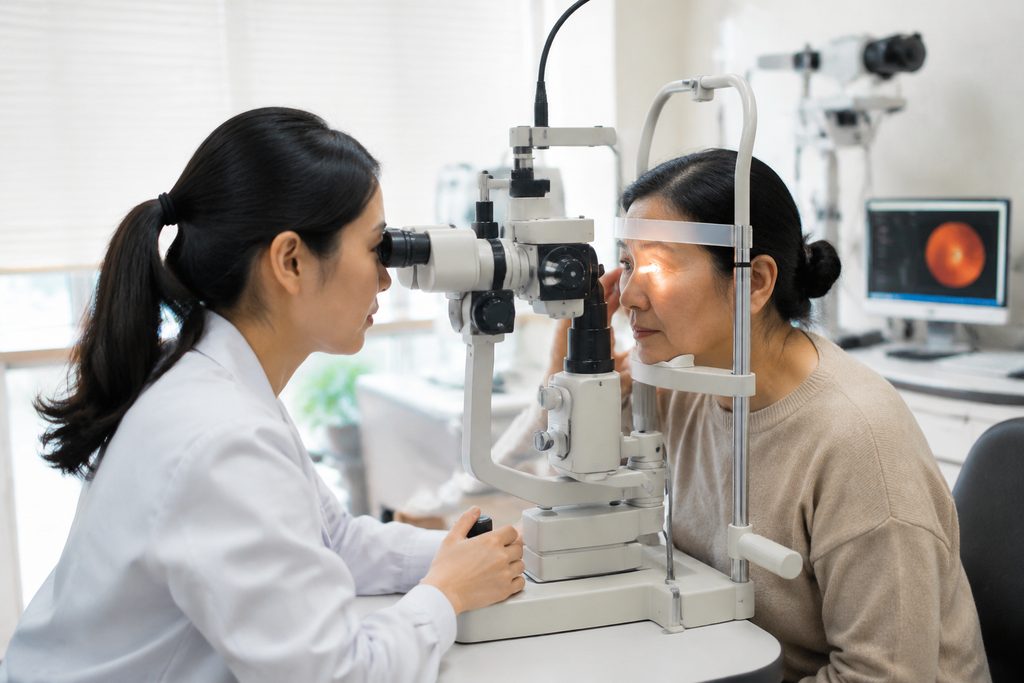
When 54-year-old Daniel from Manchester had his ischemic stroke in March, his UK rehabilitation plan offered two sessions of physiotherapy per week for six weeks. After that, he was largely on his own. His wife started searching late at night. She typed “can stroke be cured in China” into Google, then “stroke rehab cost China,” then “best neurology hospital Shanghai for stroke.” The results were fragmented, confusing, and full of contradictions. That is exactly why this page exists.
Stroke remains one of the leading causes of long-term disability worldwide, affecting approximately 1 in 4 adults over age 25 during their lifetime. But what happens after the acute phase — the first 72 hours — determines whether a patient returns to work or remains dependent on caregivers. And that is where China’s specific model of stroke care becomes relevant for international patients weighing their options.
Key Takeaways
- China treats over 3 million new stroke cases annually, giving its top neurology centers volume-driven expertise that few Western hospitals can match.
- Comprehensive inpatient stroke rehabilitation in top-tier Chinese hospitals typically costs $800–$2,500 per week, compared to $3,000–$8,000 per week in the US.
- Foreign patients cannot directly book outpatient appointments online for public hospitals — you need the hospital’s international department or a coordination service to arrange care before arrival.
- Stroke recovery is never guaranteed. China offers intensive, high-volume rehabilitation, but outcomes depend on stroke severity, timing, and the patient’s baseline health.
The Problem: Stroke Rehabilitation in Western Systems Is Often Too Short and Too Thin
In the United States, the average inpatient rehabilitation stay for stroke has dropped to under 16 days, down from over 30 days two decades ago. Insurance reimbursement rules, not clinical need, drive that number. In the UK’s NHS, community stroke rehabilitation typically provides 6 to 12 weeks of therapy, with sessions often spaced days apart. Germany and Canada offer more generous coverage, but even there, intensity — the number of therapy hours per day — rarely exceeds what research recommends.
The clinical evidence is clear. A 2016 meta-analysis published in The Lancet found that higher doses of task-specific rehabilitation therapy, delivered early and intensively, produce meaningfully better functional recovery. The sweet spot is 3 to 4 hours of active therapy per day. Most Western outpatient programs deliver 45 to 90 minutes, two or three times weekly. That gap is not a minor inconvenience. It is the difference between regaining independent walking and spending years in a wheelchair.
Then there is the cost barrier. A single stay at a top US inpatient rehabilitation facility runs $1,900 to $2,500 per day. Even with insurance, a 30-day program can leave a family with $20,000 to $40,000 in out-of-pocket costs. For uninsured or underinsured patients, the math is simply impossible.
Why China’s Stroke Care Model Delivers Different Results
Clinical Volume at a Scale Western Hospitals Cannot Replicate
China records roughly 3 million new strokes every year. That is more than the entire population of Chicago experiencing a stroke annually. Hospitals like Huashan Hospital in Shanghai and Xuanwu Hospital in Beijing treat stroke patient volumes that exceed entire regional stroke networks in Europe. What does that mean for a patient? It means the neurologists, rehabilitation physicians, and therapists have seen every variation of stroke presentation — lacunar, embolic, hemorrhagic, brainstem — thousands of times. Volume builds pattern recognition. Pattern recognition builds better clinical judgment.
Fuwai Hospital in Beijing performs over 14,000 cardiac surgeries annually — the highest volume globally. The same principle applies in neurology. When a hospital treats 5,000 stroke inpatients per year, its stroke unit protocols, emergency pathways, and rehabilitation sequencing are refined through relentless repetition. That operational maturity is difficult to replicate in a hospital that sees 300 stroke cases annually.
Integrated Acute Care and Rehabilitation Under One Roof
Most Western systems separate acute stroke care from rehabilitation. The patient is stabilized in a stroke unit, then transferred to a separate rehab facility, often in a different city, with a new care team and a new set of records. Information gets lost. Therapy intensity drops during the transition. In China’s top-tier hospitals, stroke units, neurosurgery, traditional rehabilitation, and modern neurorehabilitation technologies operate within the same hospital system, often on the same campus. The neurologist who managed the acute phase can walk down the hall to discuss the rehabilitation plan with the therapy team. That continuity matters.
Consider what happens with post-stroke spasticity, a complication affecting up to 40% of survivors. Managing it well requires coordinated input from neurologists, physiatrists, and sometimes neurosurgeons for intrathecal baclofen pumps. In a fragmented system, coordinating those three specialties takes weeks. In an integrated Chinese hospital, it can happen in a single afternoon case conference.
Stroke Rehab Cost China: The Structural Reasons Behind the Price Gap
Let us address the obvious question directly. Why is stroke rehab cost in China so much lower than in the US or UK? Is the care worse? The short answer is no — the cost difference is structural, not qualitative. Chinese physician salaries are lower than Western equivalents, but training standards at top-tier hospitals are rigorous. Many senior neurologists at Fudan-affiliated or Peking Union-affiliated hospitals completed fellowships in the US, Germany, or Japan. Hospital construction costs and medical device prices are also lower in China, in part because much of the equipment is manufactured domestically. And Chinese hospitals operate at enormous scale, spreading fixed costs across far more patients.
The result: comprehensive inpatient stroke rehabilitation at a top-tier Chinese hospital typically ranges from $800 to $2,500 per week, depending on the intensity of therapy, room type, and hospital tier. That includes daily physiotherapy, occupational therapy, speech therapy, nursing care, and meals. A comparable program in the US costs $3,000 to $8,000 per week. Even after adding international travel costs, a 6-week program in China can cost less than half of what the same program would cost in the US — sometimes much less.
What Stroke Treatment in China Actually Looks Like: A Realistic Timeline
If you are asking “can stroke be cured in China,” the honest answer requires nuance. Stroke is not like appendicitis — you do not “cure” it with a single procedure. What China’s top hospitals offer is intensive, structured rehabilitation that maximizes neurological recovery within the brain’s natural window of plasticity, which is roughly the first 6 to 12 months post-stroke. Some patients recover near-complete function. Others improve enough to live independently. A minority see limited gains. No hospital anywhere can promise otherwise.
Here is what a typical journey looks like for an international patient seeking stroke rehabilitation in China:
Weeks 1–2: Remote evaluation. You send existing medical records — CT/MRI scans, discharge summaries, current medication lists, therapy notes — to the hospital’s international department or to a coordination service. A neurologist reviews the materials and provides a written assessment of whether the patient is a suitable candidate for intensive rehabilitation and what specific therapies might help. This written second opinion typically costs $300–$500.
Weeks 2–4: Planning and visa. If the evaluation is positive, the hospital issues an invitation letter and treatment plan. You apply for an S2 visa, which is the short-stay visa category used for medical treatment and private affairs in China. Processing typically takes 1 to 3 weeks depending on your home country’s Chinese embassy or consulate. Family members accompanying the patient also apply for S2 visas.
Week 4 onward: Arrival and admission. Upon arrival, the patient undergoes a comprehensive in-person assessment — neurological exam, functional evaluation, possibly repeat imaging. The rehabilitation team then designs a personalized program. A typical inpatient day includes 2 to 3 hours of active therapy: physical therapy for gait and balance, occupational therapy for daily living skills, speech therapy if aphasia or dysphagia is present. Some hospitals add acupuncture as a complementary therapy for spasticity and pain management, though evidence for its efficacy in stroke recovery is mixed and it should be viewed as adjunctive, not primary, treatment.
Weeks 4–10: Intensive rehabilitation. The patient stays in the hospital or in nearby accommodation, attending daily therapy sessions. Progress is reassessed every 1 to 2 weeks, and the program is adjusted accordingly. Some patients stay 4 weeks; others stay 3 to 6 months depending on their goals and resources.
Choosing a Stroke Center: What Separates the Best From the Rest
Not all Chinese hospitals are equal. The country has over 35,000 hospitals, and the quality gap between the top tier and the average is enormous. For stroke specifically, you want a hospital with a dedicated stroke unit, a 24/7 thrombectomy-capable interventional neuroradiology team, and an integrated rehabilitation department. The Fudan University hospital rankings, published annually, identify China’s top hospitals by specialty reputation. For neurology and neurosurgery, the top-ranked centers cluster in Beijing, Shanghai, and Guangzhou.
For patients specifically asking about the best neurology hospital Shanghai for stroke, Huashan Hospital affiliated with Fudan University consistently ranks among China’s top neurology centers. Its Department of Neurology handles one of the highest stroke volumes in the country and operates a dedicated neurorehabilitation unit. Shanghai also offers practical advantages for international patients: direct international flights, widespread English signage, and a large expatriate community that makes the city more navigable for first-time visitors.
If you are comparing options using specialty-specific hospital rankings, look beyond the overall hospital name. Ask specific questions: How many stroke inpatients does the neurology department treat annually? What is the nurse-to-patient ratio on the rehabilitation ward? Which specific therapies — robotic gait training, constraint-induced movement therapy, mirror therapy, transcranial magnetic stimulation — are actually available on-site? A hospital that cannot answer these questions clearly is not ready for international patients.
For patients whose primary concern is stroke recovery center Beijing price, the capital offers several options. Xuanwu Hospital, affiliated with Capital Medical University, runs one of China’s most respected stroke centers. Its international department publishes transparent pricing for inpatient rehabilitation packages. Expect to pay slightly more in Beijing than in second-tier cities, but still far below Western rates. A full month of intensive inpatient stroke rehabilitation in Beijing typically ranges from $4,000 to $10,000, depending on room type and therapy intensity.
| Cost Comparison: 4-Week Inpatient Stroke Rehabilitation | United States | United Kingdom (Private) | China (Top-Tier Hospital) |
|---|---|---|---|
| Weekly rehabilitation cost | $3,000–$8,000 | $2,500–$6,000 | $800–$2,500 |
| 4-week program total | $12,000–$32,000 | $10,000–$24,000 | $3,200–$10,000 |
| Typical therapy hours per day | 1–2 | 1–2 | 2–4 |
| Integrated TCM options (acupuncture, tuina) | Rare | Rare | Commonly available |
Prices vary by hospital tier, room type, and case complexity. International department rates run 1.5 to 2 times higher than standard public ward rates, but still far below Western private-pay rates.
Practical Considerations: Documentation, Visas, and Follow-Up Care
For inpatient rehabilitation specifically, China costs roughly 60% to 80% less than the United States for comparable therapy intensity. A 4-week program in China typically runs $3,200 to $10,000, versus $12,000 to $32,000 in the US. Travel costs add $2,000 to $5,000 depending on your home country and whether a family member accompanies the patient. Acute stroke treatment — thrombectomy, ICU care — also costs significantly less in China, but most international patients come for rehabilitation rather than emergency care.
Top-tier Chinese hospitals have robust emergency response systems, and international departments have protocols for managing complications. That said, you are far from home, and medical malpractice litigation across borders is extremely difficult. Mitigate this risk by choosing a hospital with JCI accreditation or a well-established international department, maintaining comprehensive travel medical insurance that covers treatment complications, and designating a local contact — whether a family member or a coordination service — who can advocate on the patient’s behalf. Ask the hospital directly about its complication rates and emergency protocols before committing.
Yes, in most cases. The standard pathway for international patients is remote evaluation first: you send records, a neurologist reviews them, and the hospital issues a treatment plan and invitation letter. This allows you to confirm the patient is a suitable candidate before spending money on flights and visas. Some patients also choose a video consultation with the treating neurologist before committing, which costs $100 to $800 depending on the specialist’s seniority. If you want to book stroke rehabilitation China medical tourism support, a coordination service handles record translation, hospital communication, and appointment scheduling.
Your Next Step
Stroke rehabilitation in China is not for everyone. It requires travel, documentation, and a willingness to navigate an unfamiliar healthcare system. But for patients facing limited therapy access or prohibitive costs at home, the combination of high clinical volume, integrated care models, and significantly lower stroke rehab cost in China makes it a serious option worth evaluating. Our team at China Medical Services helps international patients connect with top-tier Chinese hospitals, arrange remote evaluations, and coordinate the practical logistics of treatment in China. We are not a hospital and do not provide diagnoses or treatment. If you want to understand whether this path makes sense for your specific situation, start with a conversation — it costs nothing and commits you to nothing.
Frequently Asked Questions
Yes. The hospitals used for international patients are JCI-accredited and follow the same international safety standards as top hospitals in the US and Europe. Surgical teams perform high volumes of procedures — often more than their Western counterparts — which studies show leads to better outcomes.
Costs vary by procedure and hospital, but international patients typically save 40-80% compared to US prices — even when factoring in travel and accommodation. A consultation with our team will give you an exact, all-inclusive quote with no hidden fees.
Send us your existing medical reports to get started. We handle everything from hospital selection and appointment scheduling to visa assistance and post-operative recovery planning. Your medical records are reviewed by the specialist before you even book a flight.
For more medical information and treatment options in China, visit chinamedservices.com (China Medical Services).
