Health Checkup: What to Prepare Before Flying to China
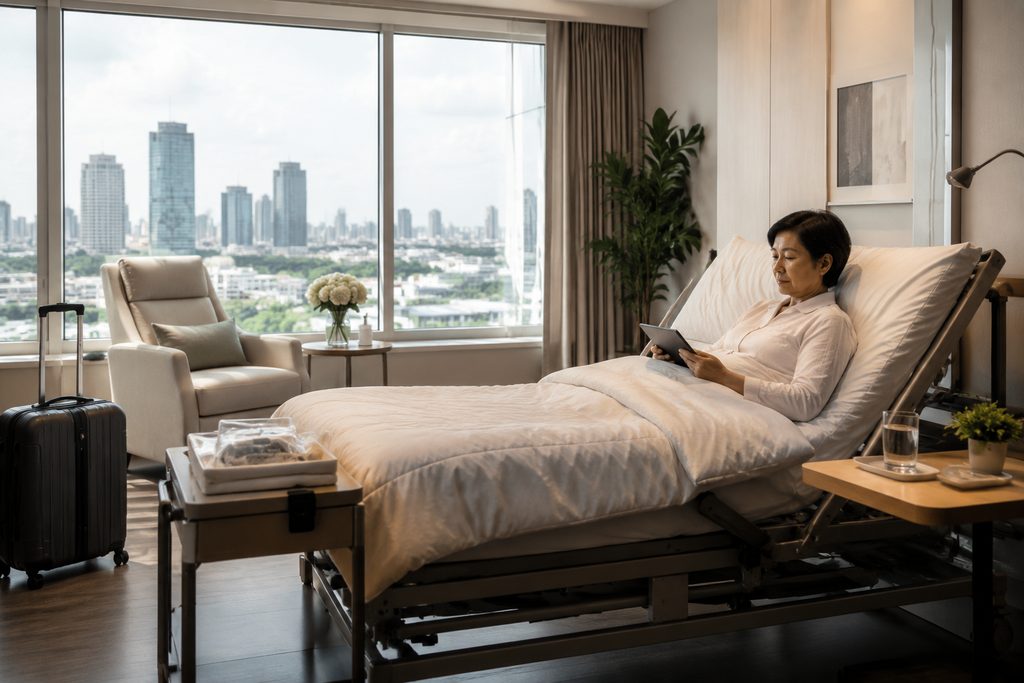
When 54-year-old Daniel from Manchester started planning his annual physical, he had one question: what do I actually need to bring? His local clinic gave him a one-page form. But he was flying 5,000 miles to Shanghai for an executive screening, and nobody had told him whether his UK medical records mattered, whether he should fast, or whether the full body checkup price China hospitals charge would match what he’d been quoted online. He almost canceled the trip out of sheer uncertainty.
That uncertainty is common. International patients booking health screenings in China often focus on choosing a hospital and forget the preparation stage entirely. Yet preparation determines whether your results are accurate, whether you waste a day on avoidable retests, and whether you walk out with a clear picture of your health or a folder of incomplete data.
This guide covers exactly what to prepare before a medical checkup in China — documents, fasting rules, medication timing, what to wear, what to expect on the day, and how to read the price sheet without surprises. We work with international patients navigating Chinese healthcare every week. The information here reflects what we tell every client before they board a plane.
Key Takeaways
- A comprehensive executive health screening in China typically costs $300–$800 at a top-tier public hospital international department, compared to $2,000–$5,000 for a comparable package in the US or UK.
- You must bring your passport, any existing medical records or imaging, and a list of current medications. Without these, your screening may be incomplete or delayed.
- Fasting for 8–12 hours before blood work is standard. But many patients don’t realize that certain supplements, alcohol, and even vigorous exercise within 48 hours can skew results.
- Public hospital general outpatient departments cannot be pre-booked from overseas. International departments and private hospitals can — and that distinction changes your entire preparation timeline.
The Problem: You’re Booking a Checkup, Not Just a Flight
Most international patients spend weeks researching hospitals and comparing the full body checkup price China facilities advertise. Then they arrive and discover the process is not like a Western clinic visit. Registration happens in Chinese. You queue for a number. Departments are spread across a campus the size of a small airport. And if you didn’t bring the right documents, you start over.
China’s top hospitals handle over 10,000 outpatient visits per day at major centers. Peking Union Medical College Hospital and West China Hospital routinely see volumes that dwarf Western academic medical centers. That scale brings efficiency, but it also means nobody will walk you through the process unless you’ve arranged support. A bilingual medical companion costs from $300 per day and handles registration, queueing, payment, and translation. Without one, you need to prepare much more carefully on your own.
The preparation gap matters because checkup accuracy depends on it. A lipid panel taken after breakfast is useless. A PSA test within 48 hours of cycling can be falsely elevated. A chest CT without your prior imaging means the radiologist cannot compare changes over time. Preparation isn’t bureaucracy. It’s clinical validity.
Why China for a Full Body Checkup Delivers Real Value
What Tests Are Included in a Health Checkup in China — and Why the Packages Are Deeper
A standard executive health screening package in China typically includes far more imaging than a Western annual physical. Where a UK or US checkup might include basic bloods, blood pressure, and maybe a chest X-ray, Chinese executive packages at top-tier hospitals routinely bundle low-dose chest CT, abdominal ultrasound, carotid artery ultrasound, cardiac enzyme panels, tumor marker screening, and full metabolic profiling.
The reason is structural. Chinese hospitals own their imaging equipment and run it at high throughput. Marginal cost per scan is low, so packages can include more. A comprehensive package at a public hospital international department in Shanghai or Beijing runs $300–$800. A comparable private-sector package at United Family or Jiahui runs higher, typically $800–$1,500. In the US, an executive physical at a major academic center like Mayo Clinic or Cleveland Clinic starts around $2,000 and can exceed $5,000 with imaging.
Best Hospitals in Beijing for Annual Physical Exam: Volume and Reputation
Beijing hosts 21 of the Fudan-ranked Top 100 hospitals — more than any other Chinese city. For an annual physical exam, the practical choices fall into three tiers. Public hospital international departments (Peking Union Medical College Hospital, China-Japan Friendship Hospital) offer strong clinical depth at moderate prices. Private international hospitals (Beijing United Family, Raffles Beijing) provide English-speaking staff, direct insurance billing, and Western-style comfort at higher prices. Specialized centers like Fuwai Hospital offer cardiac-focused screening packages built around the world’s highest cardiac surgery volume — over 14,000 procedures annually.
Which tier fits you depends on what you’re screening for. A baseline executive physical with no known conditions works well at any of the three. If you have a family history of cardiac disease, a cardiac-focused package at Fuwai or Anzhen makes more sense. If you want the smoothest English-language experience and your insurer covers it, a private international hospital is the pragmatic choice. You can browse Fudan-ranked hospitals by city or JCI-accredited private international hospitals to compare options before committing.
Why the Full Body Checkup Price China Charges Reflects Volume, Not Lower Standards
The price gap raises an obvious question: is cheaper care worse care? Not in this case. Chinese labor costs for nurses, technicians, and administrative staff are structurally lower than in the US or Western Europe. Hospital-owned equipment spreads capital costs across far more patients per day. And the Fudan ranking system — which evaluates clinical reputation and research output across 45 specialties — ensures the top centers meet international benchmarks. JCI accreditation at private and some public international departments adds a Western-recognized quality layer.
You are not paying for inferior care. You are paying for a system that runs at higher throughput with lower labor costs. The trade-off is less hand-holding and more self-direction — which is precisely why preparation matters.
What to Prepare Before You Fly: A Concrete Checklist
Preparation for a health checkup in China breaks into four buckets: documents, physical preparation, scheduling logistics, and payment planning. Miss any bucket and your day gets harder.
Documents. Your passport is non-negotiable — hospitals register you under your passport name and number. Bring any prior imaging (CT, MRI, ultrasound) on CD or film, not just the written report. Radiologists in China will want to compare current and prior images directly. Bring a written list of current medications with generic names and dosages. Bring any implant cards (pacemaker, joint replacement, surgical clips) because MRI safety screening requires them. If you have allergy records, bring those too.
Physical preparation. Fast for 8–12 hours before blood work. Water is fine; coffee, tea, and juice are not. Stop alcohol for 48 hours before the screening — liver enzymes and triglycerides respond quickly to recent drinking. Avoid vigorous exercise for 48 hours before blood draw, since intense activity can elevate CK, AST, and certain inflammatory markers. If you take daily medication, ask your referring physician whether to hold or continue it. Blood pressure medication is usually continued. Diabetes medication may need adjustment on the morning of the test. Bring a snack for after the blood draw.
Scheduling. If you want a specific date at a specific hospital, book the health screening package before you fly. Public hospital general outpatient departments cannot be pre-booked from overseas — you’d register on the day and queue. International departments and private hospitals accept advance bookings. That’s the difference between a guaranteed slot and a gamble. Hospital appointment coordination starts from $300, and if we cannot secure the appointment shown on your order, that fee is refunded in full.
Payment. Public hospitals in China require prepayment — you load a deposit onto a hospital card and charges deduct from it. International credit cards are accepted at international departments and private hospitals, but not always at standard public counters. Carry a UnionPay-compatible card or enough cash as backup. Private international hospitals like United Family and Jiahui offer direct insurance billing with major international insurers. Public hospital international departments typically require you to pay upfront and claim reimbursement from your insurer afterward.
How to Prepare for a Medical Checkup Abroad: The Timeline That Prevents Mistakes
The single biggest mistake international patients make is cramming preparation into the 24 hours before the screening. That produces fasting errors, forgotten documents, and rushed scheduling decisions. A realistic timeline looks like this.
4–6 weeks before departure. Decide which hospital and package tier you want. Compare what tests are included in a health checkup in China across at least two hospitals — package contents vary more than prices do. Request a written package list. Confirm whether the hospital requires a pre-screening questionnaire. Book your screening date and your S2 visa appointment. The S2 visa is the correct category for short-stay medical treatment and private affairs in China. Your accompanying family member applies for the same S2 category.
2 weeks before. Gather and digitize your medical records. Scan prior imaging reports, lab results, and medication lists to PDF. Keep physical CDs or films in your carry-on, not checked luggage. Confirm with your insurer what documentation they need for reimbursement claims from a Chinese hospital.
48 hours before. Stop alcohol. Avoid intense exercise. Get a normal night’s sleep — sleep deprivation alters glucose and cortisol results.
12 hours before. Begin fasting. Water only. Set an alarm so you don’t absentmindedly drink morning coffee.
Morning of. Bring your passport, documents, medication list, and a small snack for after the blood draw. Wear comfortable clothing that allows easy access to your upper arm for blood pressure and blood draw. Leave jewelry at home if an MRI is scheduled.
Practical tip: If your package includes a colonoscopy or gastroscopy, preparation is different — you’ll need a clear-liquid diet and bowel preparation starting the day before. Confirm the exact protocol with the hospital at least one week ahead, because protocols vary between facilities.
Reading the Price Sheet: What the Full Body Checkup Price China Really Includes
Price sheets from Chinese hospitals are not always transparent to foreign patients. A package advertised at $500 may not include several line items you assumed were covered. Knowing how to read the sheet prevents a surprise at checkout.
| Package Tier | Typical Price Range (USD) | What’s Typically Included | What’s Often Extra |
|---|---|---|---|
| Basic screening — public hospital international dept. | $300–$500 | Blood panel, urinalysis, chest X-ray, abdominal ultrasound, ECG, basic physical exam | CT, MRI, specialist consults, tumor markers |
| Executive screening — public hospital international dept. | $500–$800 | All of the above plus low-dose chest CT, carotid ultrasound, tumor marker panel, cardiac enzymes, physician summary report | MRI, endoscopy, specialist referrals |
| Executive screening — private international hospital | $800–$1,500 | Comparable to executive public package, plus English-language report, direct insurance billing, more comfortable facilities | Some advanced imaging, specialist consults |
| Cardiac-focused screening — specialized center | $600–$1,200 | Echocardiogram, stress ECG, coronary calcium score, lipid panel, cardiologist consult | CT coronary angiography, cardiac MRI |
Prices vary by hospital and case complexity. The figures above are reference ranges based on published package prices at major Beijing and Shanghai facilities as of 2026. Always request an itemized package list before paying.
One structural note: Chinese hospital packages are often priced as bundles, not itemized à la carte. That means adding a test mid-visit can cost more than if it had been included from the start. Decide what you need before you arrive, not during the screening.
If you’re comparing options, our specialty department rankings show which hospitals lead in cardiac surgery, oncology, orthopedics, and other fields. For an annual physical, the hospital’s overall tier matters less than whether its package includes the specific tests you need.
What Happens on the Day: Walking Through the Actual Process
Knowing the flow reduces anxiety and helps you spot when something’s off. Here’s what a typical executive screening morning looks like at a public hospital international department in Shanghai or Beijing.
You arrive at the international department, not the main outpatient building. Registration takes 10–15 minutes with your passport. You’ll receive a hospital card and a queue number. A nurse takes your vital signs and reviews your fasting status. Blood draw happens first — usually 3–6 vials depending on the package. Then imaging: ultrasound, X-ray, CT in whatever order the department assigns. ECG comes after. Some packages include a physician consult at the end where a doctor reviews preliminary results with you. The full process takes 3–5 hours for an executive package.
If you booked a bilingual medical companion, they handle registration, queue management, payment, and translation throughout. Without one, expect to rely on signage (many top hospitals have English signage in international departments) and the English skills of the international department staff, which vary by facility.
Caution: Do not assume every staff member speaks English, even in an international department. The registration desk usually does. The ultrasound technician may not. If you have questions during the exam, ask the coordinating nurse, not the technician.
Results timing also varies. Basic blood work often returns same-day or next-day. Imaging reports may take 1–3 days. Full executive packages typically deliver a consolidated report within 3–5 business days. Some hospitals offer a video consultation to review results after you return home — expect to pay $100–$300 for that service if it’s not included in your package.
Frequently Asked Questions
Yes. Foreign nationals traveling to China for medical treatment or private medical affairs use the S2 visa for short stays. If your screening plus any follow-up treatment exceeds 180 days, the S1 visa applies. The hospital’s international department can provide a supporting letter confirming your appointment, which strengthens your visa application. We do not guarantee visa approval — that decision rests with the Chinese embassy or consulate reviewing your case.
Sometimes. Private international hospitals and some public hospital international departments accept direct overseas bookings by email or phone. But response times vary, language barriers are real, and package details may not be fully explained in English. General outpatient departments at public hospitals cannot be pre-booked from overseas at all — you register on the day. If you want a confirmed slot before you fly, a coordination service handles the booking and confirms it in writing. The fee starts from $300 and is refunded if we cannot secure the appointment shown on your order.
You’ll receive a report flagging any abnormal findings. The next step is usually a specialist consult — either in person if you’re still in China, or via video consultation after you return home. A written second opinion from a top-tier specialist costs $300–$500. A video consultation with a specialist runs $100–$800 depending on the hospital and seniority. If the finding requires treatment in China, any consultation fee you paid is credited in full toward on-the-ground coordination if you proceed within 90 days. That credit applies to coordination only, never to hospital treatment charges.
Mostly, but not always. Published package prices usually cover the listed tests and the basic report. Extras like additional imaging, specialist consults, expedited reports, or translation services may cost more. Ask for an itemized package list before paying. If a price seems significantly lower than the ranges above, check what’s excluded. If it’s significantly higher, you’re probably looking at a private international hospital or a premium package with advanced imaging.
Your Next Step
Preparation is the difference between a smooth, useful health screening and a frustrating, incomplete one. Bring the right documents, follow the fasting and lifestyle rules, book through a channel that accepts overseas reservations, and read the price sheet before you pay. China Medical Services helps international patients navigate Chinese healthcare — we coordinate hospital bookings, provide bilingual companions, and connect you with top-tier facilities across China’s leading hospital network. We are not a hospital and do not provide diagnoses. If you’re planning a health checkup in China and want help with hospital selection, package comparison, or on-the-ground support, start with a free consultation at our patient services page. Know what you’re preparing for, and the rest gets easier.
For more medical information and treatment options in China, visit chinamedservices.com (China Medical Services).
