ICU Stays in China: How a Companion Nearby Changes Everything
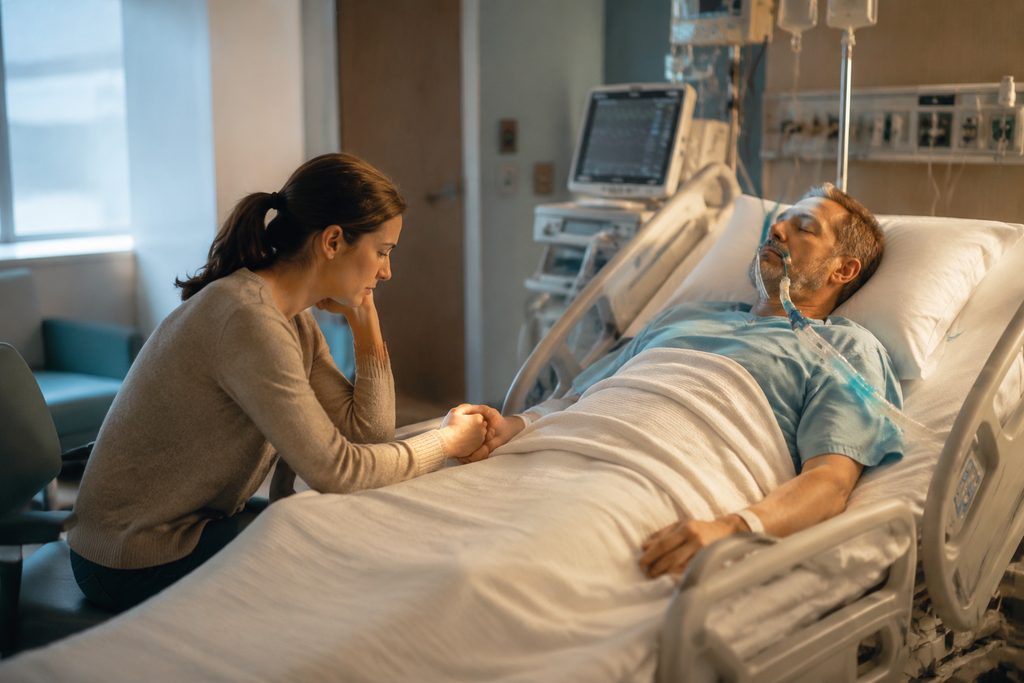
An ICU stay in a foreign country is disorienting. Machines beep. Doctors round at unpredictable hours. Your family member lies behind glass, and you stand in a hallway unsure whether you’re allowed to touch their hand. The term “ICU companion” gets thrown around, but what does it actually mean in a Chinese hospital? In simple terms, an ICU companion is a trained person — usually a nurse or a bilingual medical coordinator — who stays near the patient, communicates with the clinical team, updates you in English, and handles the practical chaos so you don’t have to. The icu companion service cost China ranges widely, from roughly $300 per day for a bilingual coordinator to $800 or more for a private critical-care nurse in a city like Shanghai. That’s the headline number. But the real question isn’t just cost. It’s what you’re actually allowed to do, what the hospital permits, and how the system works for foreigners.
We get this question constantly. A son in London. A daughter in Dubai. A husband in Los Angeles. They all ask the same thing: can a family member stay with an ICU patient in China? The honest answer is complicated. Most public hospital ICUs in China have strict visitation policies — often 30 minutes once a day, sometimes no family presence at all. Private international hospitals are more flexible. That gap is exactly where companion services exist.
How This Actually Works, Step by Step
Let’s walk through the real sequence. You’re overseas. Your father had a stroke in Beijing or a cardiac event in Shanghai. He’s now in an ICU. You can’t fly in for another three days. Here’s what happens.
First, you send us the hospital name, the patient’s admission number, and whatever medical documents you have. Our team contacts the hospital’s international department or ICU nursing station directly. We confirm the visiting rules for that specific unit. Some allow one designated family member for 15 minutes daily. Others allow a hired medical companion to be present during certain hours. Rules differ by hospital, by ICU type, and even by season during flu outbreaks.
Second, we match you with a companion. For pure translation and coordination, that’s a bilingual medical coordinator. For hands-on nursing support — turning the patient, oral care, monitoring vitals alongside the hospital staff — that’s a licensed nurse with ICU experience. The coordinator handles communication. The nurse handles clinical observation. Sometimes you need both.
Third, the companion begins daily visits. They speak with the attending physician, read the nursing notes, check what medications were administered, and send you a structured update in English — usually by WeChat, WhatsApp, or email. You get a clear picture: what happened overnight, what the plan is today, what the doctors are worried about.
Fourth, when you arrive, your companion briefs you in person. They’ve been your eyes and ears. You walk into that first meeting with the attending physician already knowing the terminology, the treatment plan, and the questions that matter.
That’s the service. Not magic. Just someone competent standing in the gap.
What an ICU Companion Actually Does in a Chinese Hospital
In most public hospitals, no. Visitation is typically limited to 30–60 minutes daily for one designated family member. Some private international hospitals allow extended presence, but overnight stays are rare even there. A companion service works within these limits to maximize your access and information flow.
Yes. The S2 visa covers short-term stays for private affairs, including visiting a hospitalized family member. If you plan to stay longer than 180 days, the S1 visa applies. The hospital provides supporting documentation. Processing takes 5–10 business days at most embassies.
Usually not. Most international insurers reimburse hospital treatment charges, not companion or coordination fees. Check your policy for “patient advocate” or “medical escort” benefits. If not covered, expect to pay out of pocket. We provide detailed invoices if you want to submit a claim anyway.
The companion shifts to outside liaison: communicating with the nursing station, obtaining physician updates, translating documents, and coordinating with your insurance. You still get daily English-language reports. If access is denied entirely and no useful service can be provided, we don’t charge for those days.
Your Next Step
An ICU stay in China doesn’t have to mean weeks of silence and confusion. A companion nearby — someone who speaks the language, understands the system, and reports to you clearly — changes the experience from terrifying to manageable. We don’t make medical decisions, and we don’t promise outcomes. What we do is stand beside your family member when you can’t, and keep you informed every step of the way.
If you’re facing this situation right now, send us the hospital name and the patient’s condition. We’ll tell you honestly what’s possible, what it costs, and what the first 72 hours would look like. Start with a conversation at our patient coordination page. No obligation. Just clarity.
Frequently Asked Questions
Yes. The hospitals used for international patients are JCI-accredited and follow the same international safety standards as top hospitals in the US and Europe. Surgical teams perform high volumes of procedures — often more than their Western counterparts — which studies show leads to better outcomes.
Costs vary by procedure and hospital, but international patients typically save 40-80% compared to US prices — even when factoring in travel and accommodation. A consultation with our team will give you an exact, all-inclusive quote with no hidden fees.
Send us your existing medical reports to get started. We handle everything from hospital selection and appointment scheduling to visa assistance and post-operative recovery planning. Your medical records are reviewed by the specialist before you even book a flight.
For more medical information and treatment options in China, visit chinamedservices.com (China Medical Services).
