Public vs Private Dentistry in China: Real Costs and Safety
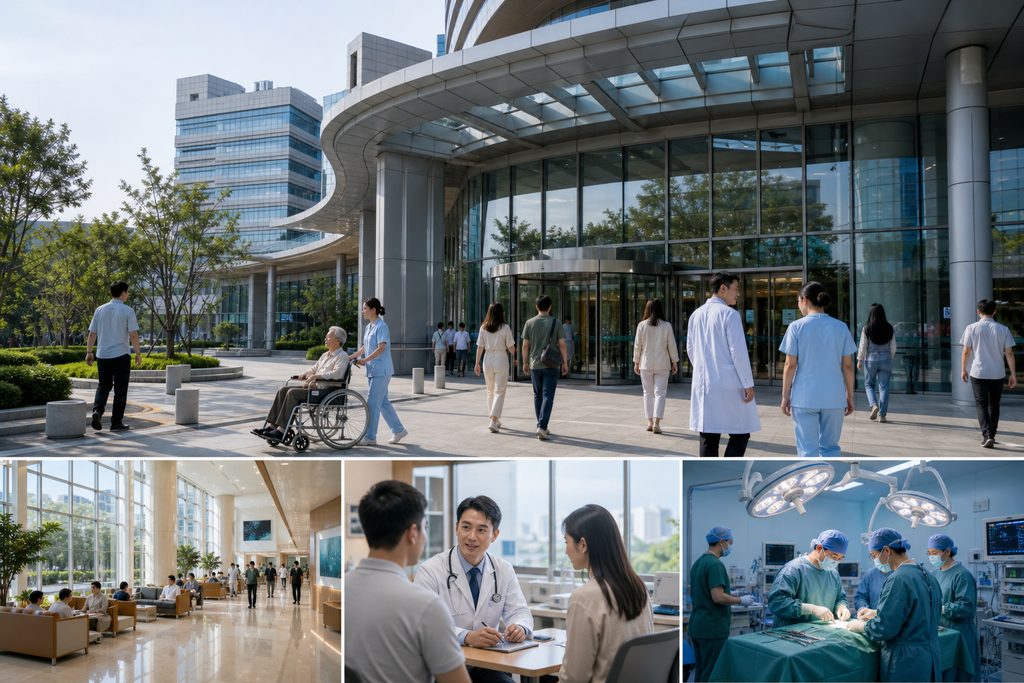
According to the World Health Organization’s Global Oral Health Status Report, untreated dental conditions affect nearly 3.5 billion people worldwide — and cost is the single biggest reason patients delay care. For a growing number of international patients, that delay ends in China. A single dental implant that runs $3,000–$5,000 in the United States can be placed in a top-tier Chinese hospital for well under half that figure, and the dental implant cost China clinics quote often includes the crown, the abutment, and follow-up visits in one bundled price. But the phrase “dentistry in China” hides a split system: public stomatology hospitals and private international clinics operate on different rules, different price sheets, and different waiting times. Understanding which side of that line you belong on is the whole game.
How This Actually Works, Step by Step
Here is the real sequence, from your living room to a finished crown.
Step one — you send records. You email recent dental X-rays (a panoramic or periapical set), any CBCT scan you already have, and a short note describing what you want: a single implant, a full-arch restoration, veneers, or just a deep cleaning. If you have no recent imaging, that is fine — it gets done on arrival.
Step two — a Chinese dental team reviews the file. A prosthodontist or oral implantologist at the receiving hospital looks at bone height, gum condition, and whether you are a candidate for immediate placement or need grafting first. What comes back is a written assessment: what is feasible, what it costs in a range, and how many visits it takes.
Step three — you decide between a video consultation and an in-person visit. A video call with the dental team ($100–300 for a standard international department) lets you ask questions directly. Some patients skip this and go straight to booking.
Step four — appointment coordination. This is where the public/private split bites. Public hospital dental departments generally do not let you reserve a specialist slot from overseas. You register on the day, in person, in Chinese. Private international clinics will hold a slot for you by email.
Step five — treatment. Implant placement is typically a 45–90 minute procedure under local anesthesia. The crown goes on three to six months later, after osseointegration.
Step six — follow-up. You either stay for the healing period or fly home and return, or have the final crown made by your dentist at home using the digital scan files.
Public vs Private Dentistry in China: The Price Gap Explained
At private international clinics, usually yes — they will hold an appointment by email. At public hospitals, standard dental slots generally cannot be reserved from overseas; you register in person on the day. Some public hospitals’ international or VIP departments can arrange advance appointments, though at roughly 1.5 to 2 times the standard fee.
At accredited hospitals and JCI-certified private clinics, safety standards match Western practice. The variables that matter are sterilization protocols, the implant system used, and the surgeon’s case volume. Ask for the implant’s serial number and passport, and confirm single-use instrument policies before treatment begins.
Implant placement itself takes one visit of under two hours. But the crown goes on after osseointegration, which takes three to six months. Many patients have the implant placed, fly home, and return for the crown — or have the crown made locally using digital scan files.
It depends on your policy and whether the procedure is medically necessary. Many international carriers reimburse treatment at accredited facilities, but you may need pre-authorization. Private international clinics frequently offer direct billing; public hospitals require upfront payment and later reimbursement.
Your Next Step
The short version: public Chinese stomatology hospitals offer world-class clinical depth at roughly half the price of private international clinics, but they are built for Chinese-speaking patients with time to queue. Private clinics cost more and remove almost every logistical obstacle. Most international patients end up choosing based on how much friction they are willing to absorb.
China Medical Services is a patient coordination service, not a dental provider. We do not perform treatment, and we do not promise a specific clinician or outcome. What we do is help you understand your options, connect you with appropriate hospitals, coordinate appointments through official international departments, and provide bilingual support on the ground if you need it. If you would like to talk through your case with no obligation, start with a free consultation — and take your time deciding.
This article is for general information only and is not medical advice. Dental treatment decisions should be made with a qualified dentist who has reviewed your individual records.
Frequently Asked Questions
Yes. The hospitals used for international patients are JCI-accredited and follow the same international safety standards as top hospitals in the US and Europe. Surgical teams perform high volumes of procedures — often more than their Western counterparts — which studies show leads to better outcomes.
Costs vary by procedure and hospital, but international patients typically save 40-80% compared to US prices — even when factoring in travel and accommodation. A consultation with our team will give you an exact, all-inclusive quote with no hidden fees.
Send us your existing medical reports to get started. We handle everything from hospital selection and appointment scheduling to visa assistance and post-operative recovery planning. Your medical records are reviewed by the specialist before you even book a flight.
For more medical information and treatment options in China, visit chinamedservices.com (China Medical Services).
