Traditional Chinese Medicine in China: A Translator’s Help Guide
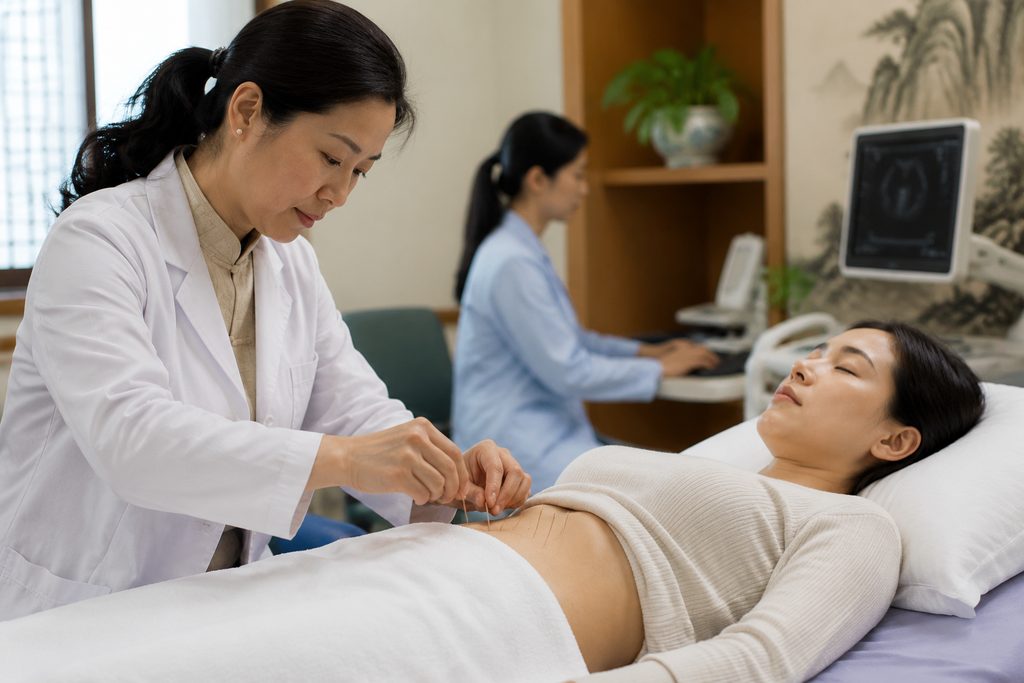
Traditional Chinese Medicine: The Short Answer
You’ve probably heard that getting traditional Chinese medicine in China means wandering into a mysterious clinic, miming your symptoms, and hoping for the best. The reality is different. A translator’s help transforms the experience, and the tcm treatment cost China remains remarkably accessible — typically $30 to $120 per session at top-tier public TCM hospitals, with consultation fees from $15 to $50. You can receive structured care at institutions like Guang’anmen Hospital in Beijing without speaking a word of Mandarin.
But there’s a catch. The “translator” role in Chinese TCM settings is not just language conversion. It involves navigating hospital registration systems, understanding diagnostic terminology with no Western equivalent, and ensuring your herbal prescription is filled correctly. This article covers what that actually looks like, what it costs, and how to prepare.
Who This Is Right For — and Who It Isn’t
TCM in China suits specific profiles well. The system handles chronic, functional, and recovery-phase conditions with particular depth. You’ll get the most value if you fall into one of these groups.
Good candidates for TCM treatment in China:
- People with chronic pain conditions — lower back pain, knee osteoarthritis, tension headaches — who have not found lasting relief through conventional approaches
- Patients in post-operative or post-stroke recovery seeking adjunctive rehabilitation through acupuncture and tuina massage
- Individuals with digestive disorders, insomnia, or stress-related symptoms who want a holistic evaluation
- Those already using TCM in their home country and wanting to experience treatment at its source
- Patients with conditions where Western medicine offers mainly symptom management — certain autoimmune conditions, functional GI disorders, chronic fatigue
Who should not pursue this path:
- Anyone seeking a cure for cancer, advanced organ failure, or acute infections. TCM is not a replacement for oncology, surgery, or emergency medicine
- Patients with undiagnosed serious symptoms — unexplained weight loss, persistent fever, neurological deficits. Get a Western diagnosis first
- People taking multiple prescription medications without a clear understanding of potential herb-drug interactions
- Those expecting instant results. TCM treatment courses in China typically run 2 to 4 weeks for initial effect on chronic conditions
- Travelers with severe mobility limitations who cannot manage the physical demands of large hospital campuses
The Options, Compared
When you plan TCM treatment in China, you’re choosing between three distinct care settings. Each has a different price point, level of English support, and clinical depth. The table below reflects current ranges for international patients.
| Setting | Consultation Fee | Acupuncture Session | Herbal Prescription (2 weeks) | English Support |
|---|---|---|---|---|
| Public TCM Hospital (e.g., Guang’anmen, Beijing) | $15–50 | $30–70 | $40–120 | Minimal — translator essential |
| Private International Hospital TCM Department | $80–200 | $90–180 | $80–200 | In-house English-speaking staff |
| Standalone TCM Clinic (non-hospital) | $20–60 | $25–50 | $30–90 | Rarely any — translator required |
Public TCM hospitals offer the deepest clinical expertise — senior physicians with decades of experience, integrated departments, and access to diagnostic imaging when needed. But they are crowded, fast-paced, and entirely Chinese-language. Private international hospital TCM departments cost more but provide Western-style comfort and direct insurance billing. Standalone clinics vary enormously in quality; without a local reference, they carry the highest risk of inconsistent care.
How a Translator Actually Helps at a Chinese TCM Hospital
A translator does far more than convert words. At a busy public TCM hospital like Guang’anmen in Beijing, the process involves at least six distinct steps where language breakdown can derail everything.
Registration. You need a hospital medical card before anything else. The translator handles the card creation, department selection, and queue ticket — all of which happen at self-service kiosks with Chinese-only interfaces.
The consultation itself. TCM diagnosis relies on questioning about sleep, appetite, stool, thirst, cold sensitivity, and emotional state. A skilled translator doesn’t just relay questions — they explain what the doctor is probing for so you can answer accurately. The doctor also examines your tongue and takes your pulse on both wrists. The translator explains what the doctor observes and what it means in TCM theory.
Prescription filling. Herbal prescriptions in Chinese hospitals are filled at an in-house pharmacy. The label is entirely in Chinese. Your translator verifies that the herbs match the doctor’s intent, confirms dosage instructions, and explains brewing methods — most hospitals offer pre-brewed vacuum-sealed pouches for an additional fee.
Follow-up scheduling. TCM treatment plans often require 3 to 7 sessions. The translator coordinates return visits, adjusts scheduling around your travel plans, and ensures continuity with the same physician where possible.
Without a translator, each of these steps becomes a guessing game. With one, the visit feels structured and comprehensible.
TCM Treatment Cost China: What the Numbers Include
For chronic conditions, a meaningful course runs 2 to 4 weeks. Acute issues like a recent muscle strain might respond within 3 to 5 sessions over one week. Insomnia, digestive disorders, and chronic pain typically require longer. Your physician will give you a realistic timeline at the first consultation — and a good translator will make sure you understand it clearly.
Herbal side effects do occur — digestive upset, skin reactions, or interactions with prescription medications are the most common. Report any reaction to your physician immediately. Keep the herbal formula documentation so any treating physician in your home country can review it. This is one area where a translator’s involvement matters: you need to know exactly what’s in your formula before you leave China.
Yes, and this is increasingly common. Many top Chinese hospitals run integrated departments where TCM physicians work alongside Western-trained specialists. If you’re pursuing a specific Western treatment — surgery, oncology care, orthopedic procedures — TCM can be arranged as an adjunctive service. Tell both your Western physician and your TCM physician about all treatments you’re receiving.
At accredited public hospitals and reputable private facilities, yes. The risks are the same as anywhere: herb quality, herb-drug interactions, and practitioner competence. Choosing a hospital with Fudan ranking or JCI accreditation reduces these risks. Avoid unlicensed standalone clinics with no hospital affiliation — quality control is genuinely inconsistent in that segment.
Your Next Step
Traditional Chinese medicine in China offers something you cannot easily find elsewhere: depth of expertise, integrated herbal pharmacies, and treatment costs that remain reasonable for most international patients. The tcm treatment cost China delivers is transparent — $30 to $120 per session at top public hospitals, with
Frequently Asked Questions
Yes. The hospitals used for international patients are JCI-accredited and follow the same international safety standards as top hospitals in the US and Europe. Surgical teams perform high volumes of procedures — often more than their Western counterparts — which studies show leads to better outcomes.
Costs vary by procedure and hospital, but international patients typically save 40-80% compared to US prices — even when factoring in travel and accommodation. A consultation with our team will give you an exact, all-inclusive quote with no hidden fees.
Send us your existing medical reports to get started. We handle everything from hospital selection and appointment scheduling to visa assistance and post-operative recovery planning. Your medical records are reviewed by the specialist before you even book a flight.
For more medical information and treatment options in China, visit chinamedservices.com (China Medical Services).
