A Visa for Traditional Chinese Medicine: Costs, Safety, and Top Beijing Clinics
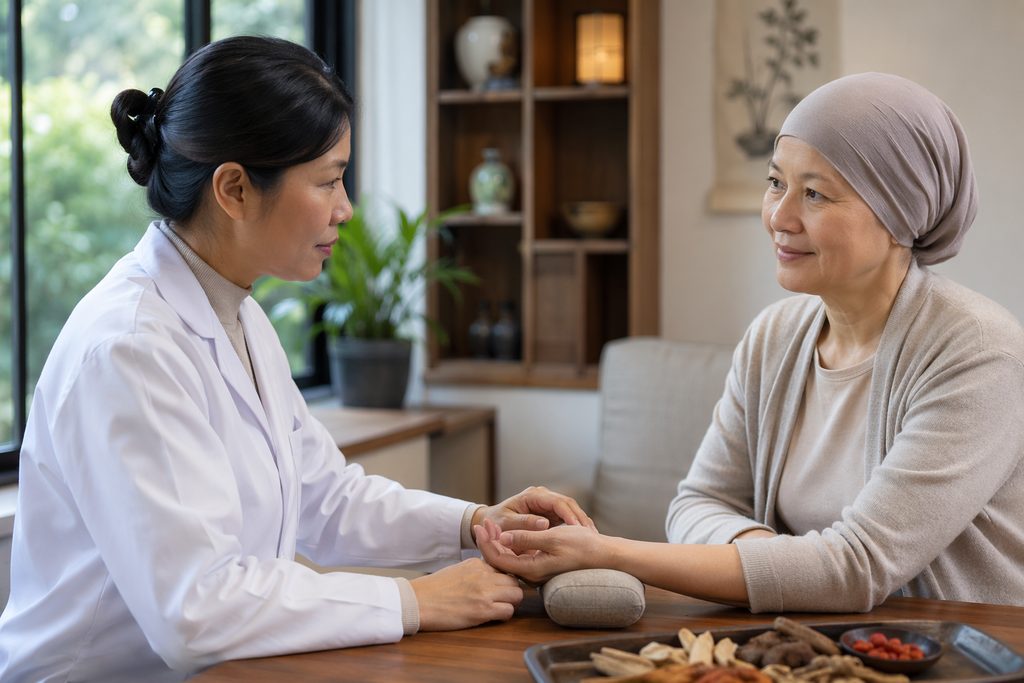
You’ve probably heard that getting medical care abroad means either going broke in America or settling for questionable quality in a developing country. The reality with traditional Chinese medicine is more interesting. China has spent decades standardizing TCM inside its top-tier public hospital system, which means acupuncture, herbal medicine, and tuina massage are delivered by licensed physicians in regulated departments — not just by storefront practitioners. That changes the math on cost and safety. The traditional Chinese medicine treatment cost China is roughly 60–80% lower than comparable TCM sessions in the United States or Western Europe, but the bigger question is whether the treatment itself is right for you. This article covers the actual prices, the best TCM hospital Beijing for foreigners, how TCM works for chronic pain, and what the S2 visa process actually requires.
A Visa for Traditional Chinese Medicine: The Short Answer
Foreigners traveling to China specifically for TCM treatment apply for an S2 visa, not an M visa. The S2 covers short-term private affairs including medical treatment, and it is the category Chinese consulates expect for hospital-issued treatment invitations. Stays under 180 days use S2. Longer treatment plans require an S1 visa. A hospital or clinic can issue an invitation letter confirming your treatment plan, which supports the application. Approval is never guaranteed, and requirements shift by consulate, so confirm with the nearest Chinese embassy before booking flights.
The caveat: a visa gets you into the country. It does not book your hospital appointment. China’s public hospitals generally do not allow overseas patients to pre-book ordinary outpatient slots. You register on arrival, or you route through a hospital’s international department, which can coordinate ahead of time at roughly 1.5–2 times the standard price. That is the honest trade-off.
Who This Is Right For — and Who It Isn’t
TCM in China works best for people with specific, realistic goals. You are a good candidate if you have a chronic condition where conventional medicine has plateaued and you want adjunctive care. Think persistent lower back pain, osteoarthritis, migraine, insomnia, or post-stroke rehabilitation. You are also well-suited if you want to experience TCM inside a regulated hospital environment with licensed physicians, rather than a wellness resort with no clinical oversight.
Who should not pursue this:
- Anyone seeking a cure for cancer, advanced organ failure, or acute infection through TCM alone. TCM is adjunctive for serious disease, not a replacement for surgery, chemotherapy, or antivirals.
- People with unstable cardiovascular conditions who cannot sit for long acupuncture sessions or tolerate herbal compounds without cardiology review.
- Patients taking anticoagulants who cannot pause them safely — acupuncture carries bleeding risk, and some herbs interact with warfarin.
- Anyone expecting a spa vacation. A serious TCM hospital department is clinical, efficient, and not luxurious.
The Options, Compared
You can access TCM in China through three distinct channels. They differ in cost, oversight, and English support. Here is the honest breakdown.
| Option | Typical Cost per Session | Practitioner | English Support | Best For |
|---|---|---|---|---|
| Public TCM hospital, standard department | $15–40 | Licensed TCM physician | Rare | Budget-conscious, Mandarin-capable patients |
| Public TCM hospital, international department | $60–150 | Senior TCM physician | Usually available | Foreigners wanting clinical rigor plus translation |
| Private TCM clinic or wellness retreat | $80–300 | Varies widely | Often available | Comfort, language ease, package convenience |
If you speak no Mandarin and want hospital-grade care, the international department of a public TCM hospital is the sweet spot. If you want a structured multi-week program with accommodation and daily sessions, a private retreat package makes more sense. The standard public department is cheapest but realistically requires a bilingual companion to navigate registration, payment, and the pharmacy.
How Does Traditional Chinese Medicine Work for Chronic Pain
Chronic pain is the most common reason international patients seek TCM in China. The mechanism is not mystical, though the language can sound that way. Acupuncture involves inserting fine needles at specific points to stimulate nerve endings, which triggers the release of endogenous opioids and modulates pain signaling in the central nervous system. A 2022 meta-analysis in The BMJ found acupuncture produced clinically meaningful improvements in chronic low back pain compared with sham acupuncture and usual care, with effects persisting at 12 months.
Herbal formulas work differently. They are typically prescribed as combinations of 8–15 plant, mineral, and sometimes animal-derived ingredients, tailored to the individual’s pattern diagnosis. The evidence base is thinner here, and quality control matters enormously. China’s hospital pharmacies source herbs through regulated supply chains with batch testing, which is not something every overseas clinic can claim.
Tuina massage targets soft tissue and joint mobilization. For conditions like cervical spondylosis or frozen shoulder, it functions similarly to Western manual therapy but with a different diagnostic framework. Patients often combine acupuncture with tuina and a short course of herbs. Expect 2–3 sessions per week over 4–8 weeks for chronic pain protocols.
Is TCM Treatment Safe in China
The short answer: yes, when delivered inside a licensed public hospital. The longer answer requires nuance. China’s National Medical Products Administration regulates herbal medicines, and hospital TCM departments operate under the same licensing and inspection framework as Western medicine departments. Adverse event reporting exists, though it is less mature than in Western pharmacovigilance systems.
The real risks are predictable. Herbal formulas can interact with prescription drugs — ginseng with warfarin, licorice root with antihypertensives, St. John’s wort with antidepressants. Always bring a complete medication list and have the TCM physician review it before accepting a prescription. Acupuncture carries a small risk of bleeding, bruising, or, rarely, pneumothorax if needles are placed incorrectly near the lungs. Licensed hospital practitioners have far lower complication rates than unregulated providers.
One caution: if a practitioner promises to cure cancer, diabetes, or hepatitis with herbs alone, walk away. Legitimate TCM physicians in China’s top hospitals do not make those claims.
Traditional Chinese Medicine Treatment Cost China: Real Numbers
The traditional Chinese medicine treatment cost China varies by hospital tier, city, and treatment type. Here are current reference ranges.
- Acupuncture session, public TCM hospital standard department: $15–40
- Acupuncture session, international department: $60–150
- Acupuncture price Shanghai clinic (private): $80–200 per session
- Tuina massage, 60 minutes: $30–80
- Herbal consultation plus 2-week formula: $40–120
- Multi-week wellness retreat package: $1,500–4,000 depending on duration and accommodation
What drives the variance? Hospital tier is the biggest factor. A top-ranked TCM hospital in Beijing charges more than a provincial hospital. International departments add translation and coordination fees. Private clinics charge for comfort and English-speaking staff. And herbal formulas vary by ingredient rarity — some traditional formulas include costly components like cordyceps or ginseng, which can push a 2-week supply above $200.
These prices are for the treatment itself. They do not include flights, visa fees, accommodation, or a bilingual companion if you need one. A two-week TCM treatment trip to Beijing with daily sessions, a mid-range hotel, and interpreter support typically lands between $3,000 and $6,000 all-in.
Best TCM Hospital Beijing for Foreigners
Beijing hosts several of China’s most authoritative TCM institutions. The most prominent is Guang’anmen Hospital, affiliated with the China Academy of Chinese Medical Sciences. Its oncology and endocrinology TCM departments are highly regarded, and it operates an international clinic that handles foreign patients. Another major center is Dongzhimen Hospital, affiliated with Beijing University of Chinese Medicine, known for respiratory and neurological TCM care. Xiyuan Hospital, also under the Academy, has strong cardiovascular and geriatric TCM programs.
For foreigners, the practical question is not just clinical reputation but operational reality. Guang’anmen and Dongzhimen both have international departments with English-capable coordinators. Wait times for a first appointment at these departments typically run 1–2 weeks through a coordination service, versus same-day or next-day registration in the standard department if you have Mandarin support. For a broader look at hospital rankings across specialties, see our guide to Fudan-ranked hospitals by city and the dedicated TCM hospital directory.
Book TCM Wellness Retreat China Package: What to Know
If you want a structured experience rather than piecemeal appointments, several operators in Beijing, Shanghai, and Hangzhou offer residential TCM packages. These typically bundle daily acupuncture or tuina, herbal consultations, dietary therapy, and sometimes qigong or tai chi instruction. Prices run from $1,500 for a basic 7-day program to $4,000+ for two weeks with private accommodation.
Before you book, verify three things. First, is the medical staff licensed by a Chinese health authority, or are they “wellness practitioners” with no clinical credential? Second, does the package include a written treatment plan from a physician, or is it a fixed menu of services? Third, what is the cancellation policy if your visa is denied? Reputable programs refund deposits with a visa rejection letter. For city-specific options, our Shanghai hospital and clinic guide covers private TCM facilities with English support.
Practical Considerations: Visas, Records, and Follow-Up
For the S2 visa, you need a valid passport, a completed application form, a recent photo, and supporting documents showing the purpose of your visit. For medical treatment, that means an invitation letter or treatment confirmation from a Chinese hospital or licensed clinic. Some consulates also ask for proof of funds and a return flight booking. Processing typically takes 4–7 business days, but apply 3–4 weeks ahead to absorb delays.
Bring your medical records in English and, ideally, translated into Chinese. Include imaging reports, blood work, current medication list, and any relevant specialist letters. Chinese TCM physicians will want to see what Western medicine has already tried. If you have a complex history, a written summary from your home physician helps enormously.
Payment at public hospitals is prepaid — you deposit funds at registration and draw down as services are consumed. International departments often accept Visa and Mastercard; standard departments may require cash or Chinese mobile payment. Private clinics are more likely to accept international cards directly. Insurance reimbursement depends on your policy; most international insurers reimburse TCM only if delivered by a licensed physician, so keep every receipt and treatment record.
Follow-up after returning home is the neglected step. Herbal formulas are typically prescribed for 2–4 weeks at a time. You will need a plan for refills — some hospital pharmacies ship internationally, most do not. Ask your TCM physician before you leave which formulas can be sourced locally and which require a follow-up video consultation. A remote follow-up with a Chinese TCM physician typically costs $100–300 through a coordination service.
Frequently Asked Questions
No special medical visa exists. You apply for an S2 visa for short-term private affairs including medical treatment, supported by a hospital invitation letter. Stays over 180 days require an S1 visa. The M visa is for commercial and trade activities and is not appropriate for medical travel.
A typical 4-week course with 3 sessions per week, herbal formulas, and initial consultation runs $1,200–3,000 for treatment alone at a public hospital international department. Add accommodation, flights, and interpreter support, and the total trip cost lands between $4,000 and $8,000. Private retreat packages with lodging included run $1,500–4,000 for 1–2 weeks.
Not through the standard public registration system. Ordinary outpatient slots are same-day or short-notice only. The international department of a major TCM hospital can often coordinate a first appointment 1–2 weeks ahead through a third-party service, at a higher consultation fee. There is no guarantee of a specific physician or time slot.
Acupuncture carries a bleeding risk for patients on anticoagulants like warfarin, apixaban, or clopidogrel. Some practitioners will treat with adjusted needle depth and pressure, but many will decline. You need a cardiologist’s clearance and an honest conversation with the TCM physician before proceeding. Never stop anticoagulants without your prescribing doctor’s approval.
Stop the formula and contact the prescribing physician. Most hospital international departments offer follow-up video consultations for this reason. Keep the formula’s ingredient list and batch number — Chinese hospital pharmacies label both. If the reaction is severe, seek local emergency care and bring the formula details with you.
Your Next Step
TCM in China is not a miracle cure, but it is a regulated, affordable, and clinically serious option for chronic pain, rehabilitation, and adjunctive care. The traditional Chinese medicine treatment cost China is low enough that a two-week treatment trip can cost less than a single specialist consultation in some Western systems. We are China Medical Services, a coordination team that helps international patients navigate hospital selection, appointment booking, visa documentation, and bilingual accompaniment. We are not a hospital and we do not diagnose or treat. If you want to explore whether TCM in China fits your situation, start with a free consultation on our patient services page. We will tell you honestly if it does not.
For more medical information and treatment options in China, visit chinamedservices.com (China Medical Services).
