Airport Pickup for Multiple Airports: A Practical Guide for Medical Travelers
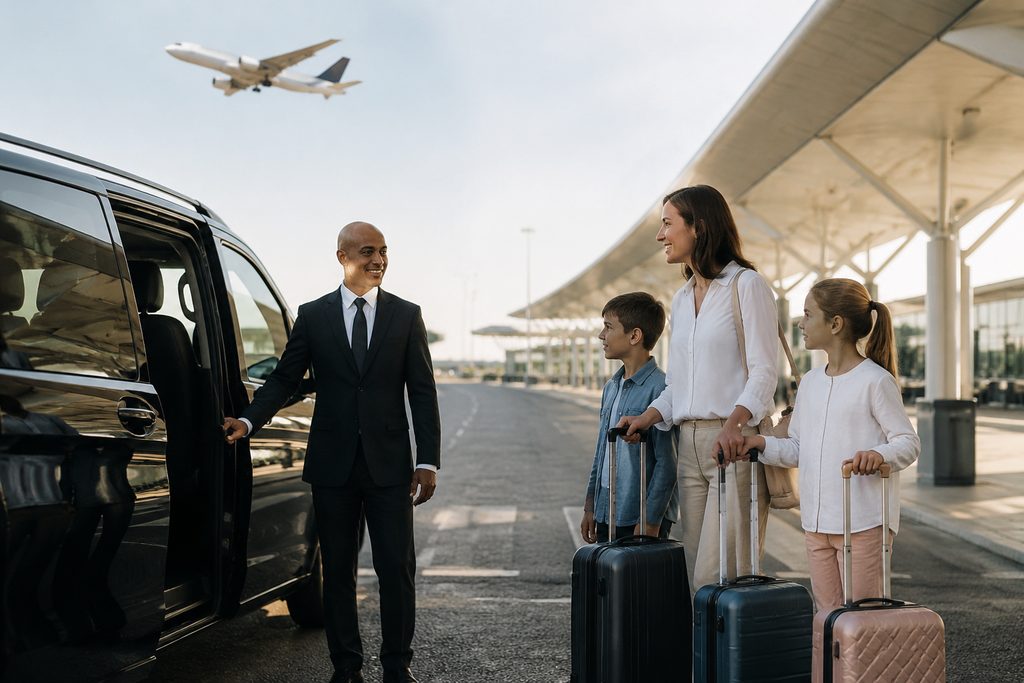
According to the Chinese National Immigration Administration, over 35 million foreigners entered China in 2024. A meaningful slice of those arrivals were medical travelers. And nearly every one of them dealt with the same first-hour problem: getting from a massive, unfamiliar airport terminal to a hospital or hotel without speaking a word of Mandarin. The airport transfer service medical tourism China sector has grown rapidly to meet that need. Our team has coordinated ground transport for patients arriving at Beijing Capital, Shanghai Pudong, Guangzhou Baiyun, and Shenzhen Bao’an. The logistics are not complicated once you understand the system. But the gap between what hospitals offer and what patients expect is wider than most people realize.
This article explains how airport pickup actually works for international patients across multiple Chinese airports. No sales pitch. Just the operational reality, the costs, the failure points, and how to plan around them.
How This Actually Works, Step by Step
You land. You clear immigration. You walk into the arrivals hall. Somebody should be holding a sign with your name on it. That is the goal. Getting there requires a sequence that starts weeks before your flight.
Here is the sequence we walk every patient through:
Step 1: Confirm your arrival details. Flight number, terminal, scheduled landing time, and any mobility needs. Chinese airports have multiple terminals — Shanghai Pudong alone has two main terminals connected by shuttle. Your driver needs the exact terminal code.
Step 2: Arrange the pickup method. Three options exist: a hospital-arranged vehicle, a private transfer booked through a medical coordination service, or a ride-hailing app like Didi. Each has different reliability profiles. More on that below.
Step 3: Confirm communication channels. Your driver needs a working contact method. WeChat is the default in China. If you do not have WeChat set up before departure, fix that. WhatsApp does not work reliably inside mainland China without a VPN.
Step 4: Day-of coordination. Flights delay. Immigration lines stretch. Your contact on the ground should be tracking your flight in real time and adjusting pickup timing accordingly. A good transfer service monitors flight status automatically.
Step 5: The meetup. Most drivers wait in the arrivals hall with a name sign. Some airports have designated pickup zones. Beijing Capital’s Terminal 3 has a specific international arrivals exit where drivers congregate. Your instructions should include a precise meeting point description, not just “arrivals.”
Step 6: The drive. From Pudong to central Shanghai hospitals runs 45–70 minutes depending on traffic. From Beijing Capital to the medical district around Peking Union Medical College Hospital takes 40–60 minutes. From Guangzhou Baiyun to the city center, 35–50 minutes. From Shenzhen Bao’an to the Futian medical area, 30–45 minutes.
Airport Pickup for Multiple Airports: What Changes by City
Each major Chinese airport has a different layout, different pickup protocols, and different failure modes. A private driver from Shanghai Pudong airport to hospital needs different instructions than one handling Beijing Capital.
Beijing Capital International Airport (PEK). Three terminals. International flights land mostly at Terminal 3, which is enormous — the walk from gate to arrivals alone can take 20+ minutes. The pickup zone for pre-arranged drivers is clearly marked but crowded. Expect a 10–15 minute wait just to locate your driver in peak hours. Our team tells patients to look for the numbered columns in the international arrivals hall and share that number with the driver.
Shanghai Pudong International Airport (PVG). Two main terminals with a free shuttle between them. Terminal 2 handles most international carriers. The arrivals flow is relatively straightforward, but the drive into the city is the longest of the four major airports. Traffic on the S1 expressway during morning rush can add 30 minutes. If your surgery consultation is scheduled for 9:00 AM, landing at 7:00 AM is cutting it close.
Guangzhou Baiyun International Airport (CAN). Two terminals. Terminal 2 opened in 2018 and handles most international flights. The pickup situation is more organized than Beijing — dedicated lanes for pre-booked vehicles. The cost of airport pickup for patients in Guangzhou tends to run slightly lower than Beijing or Shanghai because the airport is closer to the medical district.
Shenzhen Bao’an International Airport (SZX). One main terminal, compact by Chinese standards. The fastest exit-to-car time of the four. But Shenzhen’s traffic can be unpredictable, especially crossing from Bao’an district into Futian or Nanshan. A common question we get: “Can my hospital arrange airport pickup in Shenzhen?” The short answer is sometimes. Private international hospitals like United Family Shenzhen often offer pickup for admitted patients. Public hospitals generally do not.
A Realistic Timeline
People underestimate how long the ground logistics take. Here is a realistic sequence from the moment you decide to travel for medical care to the moment you are sitting in a hospital consultation room.
| Stage | What Happens | Realistic Duration |
|---|---|---|
| Week 1–2 | Hospital selection, initial contact with international department, document translation begins | 5–14 days |
| Week 2–4 | Medical records reviewed, consultation scheduled, visa application submitted (S2 category) | 7–21 days |
| Week 3–5 | Visa approval, flight booking, hotel or hospital accommodation confirmed | 5–10 days |
| Day −7 | Airport transfer confirmed, driver details shared, WeChat contact established | 1 day |
| Day 0 | Landing, immigration (30–90 minutes), meet driver, drive to accommodation | 2–4 hours total |
| Day 1 | First hospital visit, registration, initial consultation | Half day |
The step people forget is document translation. Chinese hospitals require translated medical records before most international consultations. That translation process alone can consume two weeks if you have extensive imaging or pathology reports. And visa processing for the S2 short-stay visa — the category used for medical treatment and private affairs — typically takes 5–10 business days after submission, but can stretch to three weeks during peak seasons. You cannot book flights until the visa is approved, which means the airport transfer cannot be finalized until roughly a week before departure.
Plan backwards from your consultation date. Add buffer. Then add more.
What Can Go Wrong — and What Happens Then
Here is the part most guides skip. Airport transfers in China fail in predictable ways. Knowing the failure modes makes them manageable.
Flight delay or cancellation. This is the most common disruption. A good transfer service tracks your flight and adjusts automatically. If you booked a fixed-time pickup through a hospital, you need to contact them the moment your flight status changes. Do not assume anyone is watching. Chinese hospitals are busy — international patient coordinators handle dozens of cases simultaneously.
Driver cannot find you. Chinese arrival halls are chaotic. Hundreds of people holding signs. Your driver’s sign might say your surname in English, your full name in pinyin, or a hospital logo. Share a precise meeting point and your phone number. If you cannot connect within 15 minutes, go to the airport information desk and ask them to make a local call — most desks will help even with limited English.
Language barrier with the driver. Most professional medical transfer drivers speak basic English. Some speak none. Have your destination address written in Chinese characters on your phone. Show the screen. Do not rely on pronunciation.
Traffic delays. Beijing and Shanghai rush hours are genuinely bad. A 45-minute drive becomes 90 minutes. If your consultation is time-sensitive, schedule the pickup with a 60-minute buffer. Landing at 8:00 AM for a 10:00 AM appointment in Beijing is not enough time.
Immigration delays. Foreigners sometimes face extended questioning at Chinese immigration, especially first-time visitors. Budget 30–90 minutes for immigration. The driver waits. Good transfer services include a 60–90 minute complimentary waiting window before charging overtime.
Choosing a Transfer Provider: What the Numbers Mean
The medical tourism China airport greeting service market includes several provider types. Each has trade-offs.
Hospital-arranged pickup. Some international hospital departments offer this for admitted or VIP patients. It is convenient because the hospital handles everything. But availability is inconsistent. Public hospitals rarely offer airport pickup even for international patients. Private international hospitals sometimes do, usually as part of a premium package. Ask directly: “Does your international department arrange airport pickup?” The answer varies by hospital, by city, and even by month.
Independent transfer services. Companies like China Car Service, Blacklane, and local operators provide airport transfers across Chinese cities. They are reliable for basic point-to-point transport. What they lack is medical context — they do not know your hospital’s entrance layout, they cannot coordinate with your care team, and they will not wait through an extended medical episode at arrivals.
Medical coordination services. This is where organizations like ours fit. The transfer is bundled with the broader logistics: hospital registration, bilingual accompaniment, and follow-up coordination. The airport transfer service medical tourism China providers that specialize in medical travel understand that a patient arriving for cardiac surgery has different needs than a business traveler. Mobility assistance, post-flight fatigue, medication timing — these are part of the service design.
Cost reference: Airport transfer in major Chinese cities typically runs $200 round-trip for a standard sedan through a coordination service. Independent car services may quote $60–120 per one-way trip. Hospital-arranged transfers, when available, are sometimes included in premium packages or billed separately at $100–200. All prices vary by city, vehicle type, and distance. Confirm the waiting window and overtime policy before booking.
One question we hear constantly: “Can my hospital arrange airport pickup in Shenzhen?” The honest answer is that most public hospitals cannot. Their international departments focus on clinical coordination, not ground transport. Private hospitals in Shenzhen — United Family, for example — may offer pickup for admitted patients. But even then, it is not guaranteed. The safest approach is to arrange transport independently through a service that specializes in medical arrivals.
Practical Considerations: Documents, Payment, and Communication
Before you board the plane, several practical items need attention.
Visa category. Medical travelers use the S2 visa, which covers short-term private affairs including medical treatment. Accompanying family members also apply for S2. The M visa is for commercial and trade activities — it is not appropriate for medical travel. Your hospital’s invitation letter supports the S2 application. Processing times vary by embassy, so start early.
Payment for the transfer. Most transfer services accept payment via WeChat Pay, Alipay, or international credit card through a payment link. Cash is possible but less common — many drivers do not carry change. Confirm the payment method before landing. If you are using a coordination service, the transfer is typically bundled into the overall service quote.
Communication tools. WeChat is non-negotiable for ground coordination in China. Set it up before departure. Confirm your driver’s WeChat ID is added. Test the connection while still on airport Wi-Fi. If your phone plan does not include China roaming, arrange a local SIM or eSIM before landing — the airport pickup zone is not the place to troubleshoot connectivity.
What to have ready. Passport, visa page photo, hospital appointment confirmation, hotel address in Chinese characters, and your driver’s contact information. Keep these accessible — not buried in a checked bag.
Insurance. Travel insurance that covers medical evacuation and trip interruption is standard advice. Ground transport is rarely the issue; the medical care itself is the financial exposure. Check whether your policy covers pre-existing conditions and treatment in China.
Frequently Asked Questions
Three options: a pre-arranged private driver (most reliable), a hospital-arranged vehicle (availability varies), or a ride-hailing app like Didi (cheapest but requires Chinese payment setup and language skills). For surgery patients, a pre-arranged driver is the practical choice — you land tired, possibly in pain, and do not want to navigate an unfamiliar app in a foreign language. The drive to central Beijing medical districts takes 40–60 minutes depending on traffic.
Independent car services charge roughly $50–90 for a one-way transfer from Baiyun Airport to central Guangzhou. Medical coordination services typically quote $200 for a round-trip package that includes flight tracking, a bilingual driver, and a longer waiting window. Hospital-arranged transfers, when offered, run $100–200. The cost of airport pickup for patients in Guangzhou is generally lower than Beijing or Shanghai because the airport sits closer to the city’s medical cluster.
Private international hospitals sometimes do, especially for admitted patients or premium package holders. Public hospitals — even top-ranked ones — generally do not offer airport pickup for international patients. Their international departments focus on clinical coordination. If airport pickup matters to you, ask the hospital directly before booking flights. If they cannot arrange it, use an independent transfer service or a medical coordination provider.
A professional transfer service tracks your flight and adjusts the pickup time automatically. You do not need to do anything. If you booked through a hospital or a fixed-time service, contact them immediately with your new arrival time. Most services include a 60–90 minute complimentary waiting window. Beyond that, overtime charges may apply — typically $10–20 per hour.
You need a visa to enter China regardless of ground transport arrangements. Medical travelers use the S2 visa for short stays under 180 days. The airport pickup itself does not require any additional documentation, but your driver may ask to see your passport for identification purposes. Keep it accessible after immigration.
Your Next Step
The airport pickup is one piece of a larger logistical puzzle. Get it right and the first hours in China feel manageable. Get it wrong and you start your medical journey stressed, late, and disoriented. Our team at China Medical Services coordinates ground transport alongside hospital matching, appointment scheduling, and bilingual accompaniment. We do not perform medical procedures and we do not promise clinical outcomes. What we do is make the arrival process predictable. If you are planning treatment in China and want the logistics handled properly, tell us about your situation and we will walk you through the options. No obligation. Just a clear picture of what the first 48 hours actually look like.
For more medical information and treatment options in China, visit chinamedservices.com (China Medical Services).
