Proxy Consultation: A Step Above Online Forums
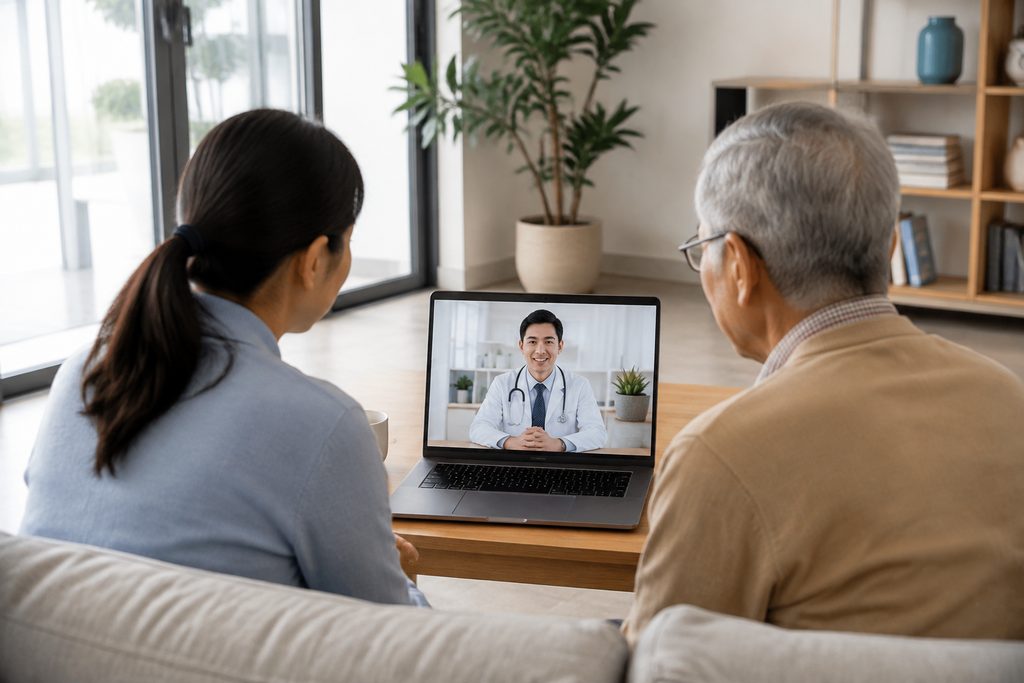
You’ve probably heard that researching medical care abroad means scrolling through endless forum threads, hoping some stranger’s two-year-old post still holds true. The reality is that a proxy consultation — where a local coordinator physically visits a hospital on your behalf — gives you something no forum can: verified, current, hospital-specific answers. When patients ask us about heart surgery cost China vs India, they usually arrive with numbers from Reddit or Quora. Those numbers are often wrong. Sometimes dangerously wrong. A proxy consultation replaces guesswork with documentation. You get the hospital’s actual price sheet, the department’s real appointment timeline, and a physician’s written response to your specific case. That is the difference between planning and hoping.
Our team has walked this path with patients from over 40 countries. We know what online forums get right — and what they get catastrophically wrong. This article explains exactly what a proxy consultation involves, what it costs, what it cannot do, and why it consistently outperforms crowd-sourced medical advice.
How This Actually Works, Step by Step
The process is sequential and concrete. Here is what happens from the moment you contact us to the moment you have actionable information in your hands.
You send us your existing medical records — imaging reports, lab results, discharge summaries, pathology slides if relevant. Our team translates them into Chinese using medical-grade translators, not generalists. This step takes two to four business days depending on volume. You also tell us which hospital or department you want targeted. If you are unsure, we recommend options based on your diagnosis using our database of 340+ top-ranked hospitals across 37 cities.
Then a coordinator goes to the hospital in person. They create or update your medical card at the registration desk. They queue at the relevant department window. They speak with the triage nurse or department administrator. They submit your translated records for review. In many public hospitals, this cannot be done remotely — someone must physically stand there. That is the core value of the proxy model.
What comes back depends on the hospital. Sometimes a junior physician reviews the file and provides written comments on whether your case fits their department’s scope. Sometimes a senior specialist agrees to a formal written second opinion for an additional fee. The output is a documented summary: whether the department will accept your case, what additional tests they require before any procedure, the realistic appointment window, and the official price range for the proposed treatment.
You then decide your next step. Many patients use the proxy report to compare hospitals before committing to travel. Others proceed directly to a video consultation with the reviewing physician. A few discover their case is not suitable for treatment in China at all — and that alone can save tens of thousands of dollars in wasted travel.
Proxy Consultation vs. Online Forums: What You Actually Get
Online forums offer something real: community, shared experience, emotional support. They do not offer verified medical or logistical information. A forum post about heart surgery cost China vs India might quote a price from 2019, from a hospital that has since changed its international pricing structure, written by someone whose procedure differed materially from yours.
A proxy consultation gives you dated, sourced, hospital-stamped information. You know which department reviewed your file. You know the date of the review. You know the name of the hospital — not “a big hospital in Shanghai” but the actual institution, with its actual current fee schedule. That level of specificity changes everything when you are budgeting for a procedure that costs five figures.
Forums also cannot tell you whether a specific surgeon is currently accepting international patients. They cannot tell you that a particular department has a six-week backlog for initial consultations. They cannot tell you that the hospital requires a specific cardiac imaging study before any surgical evaluation. A proxy consultation can — because someone asked the department directly, in Chinese, face to face.
But let us be honest about the limits. A proxy consultation is not a medical consultation. The coordinator is not a physician. They cannot interpret your MRI. They cannot tell you whether a treatment plan is clinically appropriate. What they can do is get your records in front of someone who can — and document what that person says. That distinction matters.
A Realistic Timeline
People underestimate how long the pre-travel phase takes. Here is a realistic breakdown, based on what we see across dozens of cases each quarter.
| Stage | What Happens | Typical Duration |
|---|---|---|
| Day 1–3 | You submit records; we review for completeness and identify gaps | 1–3 days |
| Day 3–7 | Medical translation into Chinese; you confirm target hospital(s) | 2–4 days |
| Day 7–14 | Coordinator visits hospital, submits records, speaks with department | 3–7 days |
| Day 14–28 | Department reviews file; written response or second opinion issued | 1–2 weeks |
| Day 28–45 | You decide: video consult, travel, or second proxy at another hospital | Variable |
| Day 45–75 | If traveling: S2 visa application, flight, accommodation, hospital admission | 2–4 weeks |
Notice the waiting steps people forget. Document translation is not instant. Department review is not instant. Visa processing is not instant. And the S2 visa — the short-stay category used for medical treatment and private affairs — requires supporting documents from the hospital, which means you need the proxy consultation completed before you can even apply. Anyone promising a two-week turnaround from first contact to surgery is not being honest with you.
What Can Go Wrong — and What Happens Then
Proxy consultations fail sometimes. We want you to know the failure modes before you pay.
The hospital may decline to review your case. Some departments simply do not accept proxy submissions from international patients without a prior video consultation. In that case, we pivot: either we arrange the video consultation first, or we target a different hospital that does accept proxy reviews. You are not charged for the hospital’s refusal — only for the coordination time already spent, which we cap and disclose upfront.
The department may respond with a request for additional tests you have not done. A cardiac surgery department might insist on a specific echocardiogram protocol before any surgical evaluation. That means another round of records, another translation cycle, another proxy visit. Budget for this possibility. It happens in roughly one in five cases.
The price quote may be higher than forum numbers suggested. That is the point of doing this properly. If a forum said a valve replacement costs $15,000 and the hospital’s current international department price sheet says $28,000, you need to know that before you book a flight. The proxy consultation just saved you from a catastrophic budgeting error.
And sometimes the news is simply bad: the department reviews your file and says your case is too advanced, or too rare, or better treated elsewhere. That is not a failure of the service. That is the service working exactly as intended.
How to Evaluate Whether a Proxy Consultation Is Right for You
Not everyone needs this service. If you are in the early research phase, browsing options, comparing countries — forums and official websites are fine. If you have a confirmed diagnosis and are seriously evaluating treatment in China, a proxy consultation becomes valuable.
Ask yourself three questions. Do I have complete medical records in English or my native language? Am I willing to spend $300–500 on verified hospital information before spending $15,000–50,000 on treatment? Do I need documented answers — price, timeline, eligibility — rather than anecdotal ones? If the answer to all three is yes, a proxy consultation is the logical next step.
Patients researching how does medical tourism in China work often skip this step and go straight to booking flights. Then they arrive, register at a public hospital, and discover the specialist they wanted is fully booked for eight weeks. Or that the hospital requires a local medical card they cannot easily obtain without Chinese language skills. The proxy consultation exists precisely to prevent those discoveries from happening on Chinese soil, at your expense.
One more consideration: comparing China to other destinations. We are often asked about heart surgery cost China vs India, and the honest answer is that China is rarely the cheapest option in Asia. India frequently undercuts Chinese pricing for cardiac procedures. What China offers instead is a combination of high surgical volume, strong infection control, and — for patients from Western countries — a regulatory environment that feels more familiar than some alternatives. The right choice depends on your specific procedure, your risk tolerance, and your follow-up plan at home. A proxy consultation helps you make that comparison with real numbers, not forum speculation.
Practical Considerations: Records, Visa, Payment, and Follow-Up
A proxy consultation typically starts from $300, with the exact fee depending on the hospital, the complexity of your records, and whether a formal written second opinion is requested. If the hospital declines to review your case entirely, we refund the portion of the fee attributable to the hospital review — you pay only for the coordination time already spent, which we cap and disclose before you commit.
It works through layers of coordination: document translation, hospital registration, appointment scheduling, in-person accompaniment, and interpretation. Without those layers, a non-Chinese speaker will struggle at every step — registration, payment, pharmacy, imaging, discharge. With proper coordination, the process is manageable. The key is not to attempt it alone. Even patients who have lived in China for years find hospital bureaucracy challenging.
No. No legitimate service can guarantee a specific surgery date at a Chinese public hospital. Surgery scheduling depends on bed availability, surgeon availability, pre-operative test results, and the department’s internal queue. What a proxy consultation can do is confirm whether the department will accept your case and give you a realistic window for when surgery might occur. Anyone promising a locked-in surgery date before reviewing your records is not being honest.
Planning treatment abroad without verified information is expensive guesswork. A proxy consultation replaces the guesswork with documentation — real answers from real hospital departments, obtained by a real person standing at the registration window. That is something no online forum can offer, and it is why patients who use this step consistently make better decisions than those who skip it.
If you are evaluating treatment options in China and want verified information before you commit to travel, start with a free consultation. We will review your situation, recommend whether a proxy consultation makes sense for your case, and give you an honest assessment of what to expect — including the things that might not work.
Frequently Asked Questions
Yes. The hospitals used for international patients are JCI-accredited and follow the same international safety standards as top hospitals in the US and Europe. Surgical teams perform high volumes of procedures — often more than their Western counterparts — which studies show leads to better outcomes.
Costs vary by procedure and hospital, but international patients typically save 40-80% compared to US prices — even when factoring in travel and accommodation. A consultation with our team will give you an exact, all-inclusive quote with no hidden fees.
Send us your existing medical reports to get started. We handle everything from hospital selection and appointment scheduling to visa assistance and post-operative recovery planning. Your medical records are reviewed by the specialist before you even book a flight.
For more medical information and treatment options in China, visit chinamedservices.com (China Medical Services).
