The Safest Ways to Pay for Treatment in China: A Guide for International Patients
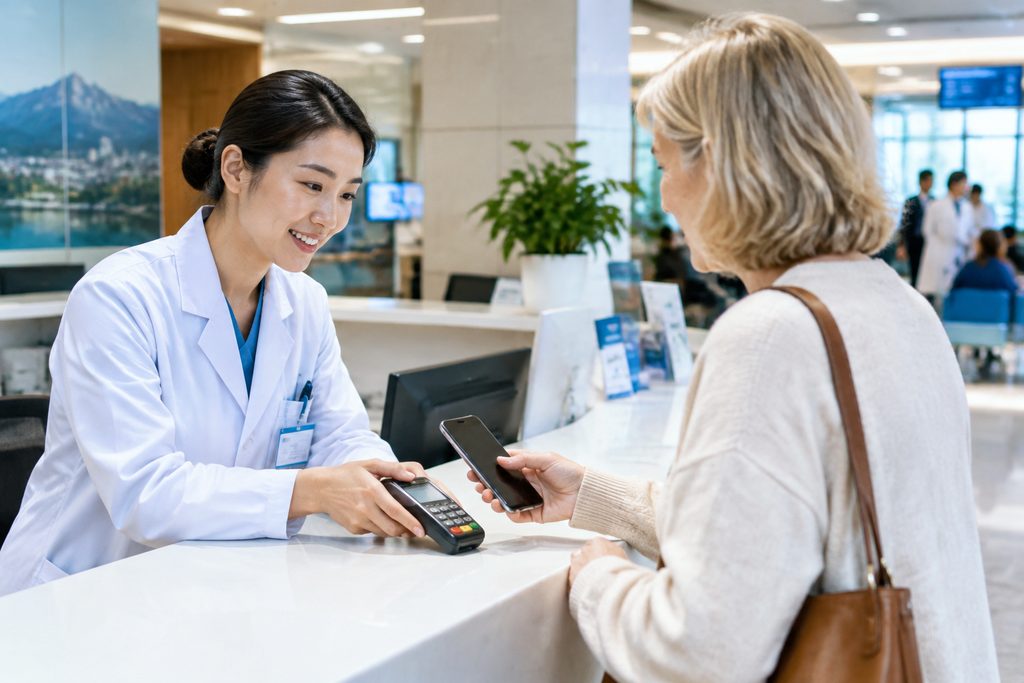
Have you ever felt that knot in your stomach when you realize you need to send a large sum of money to a hospital on the other side of the world? You are not alone. For international patients, the financial logistics of medical travel can feel more daunting than the procedure itself. The question is not just about the cost. It is about trust. How do you ensure your funds are secure, traceable, and actually reach the institution providing your care? This guide breaks down the safest ways to pay for treatment in China, stripping away the confusion so you can focus on your health.
We have coordinated logistics for patients from over 37 cities across China. We have seen the anxiety that comes with wire transfers and hospital deposits. The process is actually quite structured once you understand the rules. Chinese hospitals, particularly the top-tier public institutions and private international facilities, operate on a prepayment system. This is standard practice. The key is knowing which payment channels are legitimate and which ones to avoid entirely.
How This Actually Works, Step by Step
The payment sequence in China differs significantly from the insurance-driven model in the United States or Europe. You will not receive a bill weeks after discharge. You will pay upfront, often in stages. Here is the real sequence from initial contact to final settlement.
First, you establish contact with the hospital’s international department or a coordination service like ours. You send your medical records. The hospital reviews them and provides a treatment plan. They will also provide a cost estimate. This estimate is crucial. It outlines the expected deposit for surgery or admission. Do not proceed without a written estimate in English.
Second, you transfer the deposit. This is usually a bank wire transfer directly to the hospital’s official bank account. The account name must match the hospital’s legal entity. Never send money to a personal account. Never send money via Western Union or MoneyGram to an individual. We repeat this constantly because it is the most common vector for fraud.
Third, you receive a receipt. The hospital issues an official invoice, often called a “fapiao” in Chinese, though the English version will suffice for your records. Keep this document. It is your proof of payment and is required for any future refunds or insurance claims.
Finally, you settle the balance. During your stay, if costs exceed the deposit, the hospital will ask you to top up the account. If costs are lower, the hospital refunds the difference. Refunds usually take one to two weeks to process back to the originating account.
The Safest Ways to Pay for Treatment in China: A Channel-by-Channel Breakdown
Not all payment methods are created equal. Some are secure but slow. Others are fast but risky. Understanding the hierarchy of safety is the first step to protecting your money.
Bank Wire Transfer (T/T) is the gold standard for hospital deposits. It is traceable, irreversible in a good way—meaning it cannot be diverted easily—and it creates a permanent record. The downside is speed. International wires can take three to five business days to clear. You must account for this delay when scheduling your treatment. Always confirm the SWIFT code and the exact beneficiary name with the hospital’s finance office before sending a single dollar.
Credit Cards are increasingly accepted at private international hospitals like United Family or Jiahui. These facilities often have direct billing agreements with major insurers. For public hospitals, credit card acceptance is limited to the international VIP departments. You can use Visa or Mastercard there, but be prepared for a transaction fee of 2% to 3%. Amex is rarely accepted outside of luxury hotel chains.
Cash is legal but impractical and unsafe for large amounts. Chinese customs regulations require you to declare cash exceeding $5,000 USD upon entry. Carrying $20,000 in a backpack through a foreign airport is a risk you do not need to take. We advise against using cash for anything other than small daily expenses like food or taxis.
Digital Wallets like Alipay and WeChat Pay dominate daily life in China. For a foreigner, setting these up before arrival is possible. You can link an international credit card to Alipay’s Tour Pass or the standard international version. But these are for daily spending. Do not attempt to pay a $15,000 hospital deposit through WeChat. The transaction limits for foreign cards are too low, and the reconciliation process is a nightmare.
A Realistic Timeline
Money moves slower than you think. When planning your trip, build your financial timeline around these realities. The biggest mistake patients make is assuming funds transfer instantly. They do not.
| Stage | Action | Duration |
|---|---|---|
| Week 1 | Receive written cost estimate and hospital bank details | 2–5 days |
| Week 1–2 | Initiate international bank wire transfer | 3–5 business days |
| Week 2 | Hospital confirms receipt of funds; issues deposit receipt | 1–2 days |
| Week 2–4 | Visa processing (S2 visa for medical treatment) | 5–10 business days |
| Week 3–4 | Arrival and admission; top-up payment if required | Same day |
| After discharge | Final settlement and refund processing | 7–14 days |
Notice the overlap. You can apply for your visa while the wire transfer is clearing. But do not book flights until the hospital confirms receipt of funds in writing. A cancelled surgery because of a delayed wire is a preventable disaster.
What Can Go Wrong — and What Happens Then
We are going to be blunt here. Things go wrong. The question is what you do about it.
The wire is delayed. Your bank flags the transaction for fraud review because it is a large sum going to a foreign entity. This happens constantly. The fix is to call your bank before you initiate the wire. Tell them the exact amount, the recipient, and the purpose. This pre-authorization usually prevents the hold. If it still gets held, you are looking at a 24 to 48 hour delay while you verify your identity.
The exchange rate shifts. You budgeted $20,000, but the Chinese Yuan strengthened against your currency. Your deposit is now short by $500. The hospital will not admit you until the full deposit is paid. You must be prepared to send a supplementary wire. We always recommend budgeting 5% to 10% above the quoted estimate to absorb currency fluctuations.
The refund is slow. You finish treatment and are owed $3,000 back. The hospital processes the refund, but your intermediary bank takes a cut or holds the funds. International refunds can take up to three weeks. You need patience and a clear paper trail. This is why you keep every receipt.
You are asked to pay a “facilitator.” Someone claims they can get you a faster bed or a better doctor for a cash fee. This is a red flag. Legitimate coordination services charge a transparent coordination fee. They do not ask for cash under the table. Walk away from anyone who suggests this.
Evaluating Payment Channels: What the Numbers Mean
Why do some patients pay $12,000 for a cardiac bypass in China while others pay $120,000 in the US? The difference is not just labor costs. It is the structure of the healthcare economy. Understanding this helps you evaluate whether a quote is fair.
Public hospitals in China operate on volume. A top cardiac center like Fuwai Hospital performs over 14,000 cardiac surgeries a year. This scale drives down unit costs. The infrastructure is paid for. The surgeons are salaried. The consumables are manufactured domestically. The result is a price point that is often one-fifth to one-tenth of the US equivalent.
Private international hospitals operate on a different model. They charge more because they offer English-speaking staff, Western-style amenities, and direct insurance billing. You are paying for convenience. A procedure at a private hospital might be 30% to 50% more expensive than at a public hospital’s international wing. But it is still far cheaper than the US.
When you see a quote, ask what it includes. Does it cover the surgeon’s fee, the anesthesiologist, the operating room, the implants, and the hospital bed? Or is it just the surgeon’s fee? A transparent quote breaks down these line items. A vague quote hides costs that will ambush you later. We have seen patients arrive thinking they paid for everything, only to be hit with a separate bill for consumables. Always ask for a line-item breakdown.
Practical Considerations: Visa, Records, and Insurance
Payment is only one piece of the puzzle. The logistics around the payment are just as critical.
Visa: You need an S2 visa for short-term medical treatment. This is the correct category for private medical affairs. The M visa is for commercial trade. Do not let anyone tell you otherwise. Your hospital invitation letter is a key supporting document for the S2 application. The letter should state the purpose of your visit, the expected duration of treatment, and the hospital’s contact information. Processing times vary by embassy, so apply early.
Records: Before you send any money, send your records. You need a written treatment plan. You need a cost estimate. You need to know the hospital’s refund policy. If a hospital or agent refuses to provide these documents in writing, do not pay them. It is that simple.
Insurance: Most Chinese public hospitals do not bill international insurance directly. You pay out of pocket, then file a claim with your insurer for reimbursement. Private international hospitals often have direct billing. Check with your insurer before you travel. Get pre-authorization in writing. Some policies exclude treatment in certain countries. Others require you to use a specific network. Know your policy.
Language: The finance office at a public hospital may not speak English. This is where a bilingual medical companion becomes invaluable. They can translate the cost estimate, explain the payment terms, and ensure the receipt is issued correctly. The fee for a companion starts around $300 per day. It is a small price to pay for peace of mind when you are moving five figures across borders.
Frequently Asked Questions
In most cases, no. American insurance plans rarely have direct billing agreements with Chinese public hospitals. You will pay upfront and then submit a claim for reimbursement. Some high-end international plans do have direct billing with private hospitals like United Family. Check your policy’s international coverage and get pre-authorization before you travel.
A bank wire transfer directly to the hospital’s official corporate account is the safest method. Verify the SWIFT code and beneficiary name with the hospital’s finance department. Never send money to a personal account or through a money transfer service like Western Union. Always keep the wire confirmation and the hospital’s receipt.
Refund policies vary by hospital. Most public hospitals will refund the unused portion of your deposit, minus any non-refundable administrative fees. The refund process usually takes one to two weeks. Private hospitals may have stricter cancellation policies. Read the financial agreement carefully before you sign. Ask for the refund policy in writing.
Your Next Step
Paying for treatment in China does not have to be a leap of faith. It is a process with clear rules. The safest path is always the most transparent one: written estimates, verified bank accounts, and a paper trail for every transaction. At China Medical Services, we help international patients navigate these logistics. We do not provide medical advice. We do not guarantee outcomes. We simply make sure you understand the costs, the payment channels, and the paperwork before you commit.
If you are considering treatment in China and want to understand the real costs and the safest ways to pay, start with a free consultation. We will review your situation and give you honest guidance on the next steps. Visit our patient coordination page to get started. Or explore our database of top-ranked hospitals to see where you might receive care. The goal is to make an informed decision, not a rushed one.
For more medical information and treatment options in China, visit chinamedservices.com (China Medical Services).
