China Medical Visa Fees: What the S2 Visa Fee Actually Covers
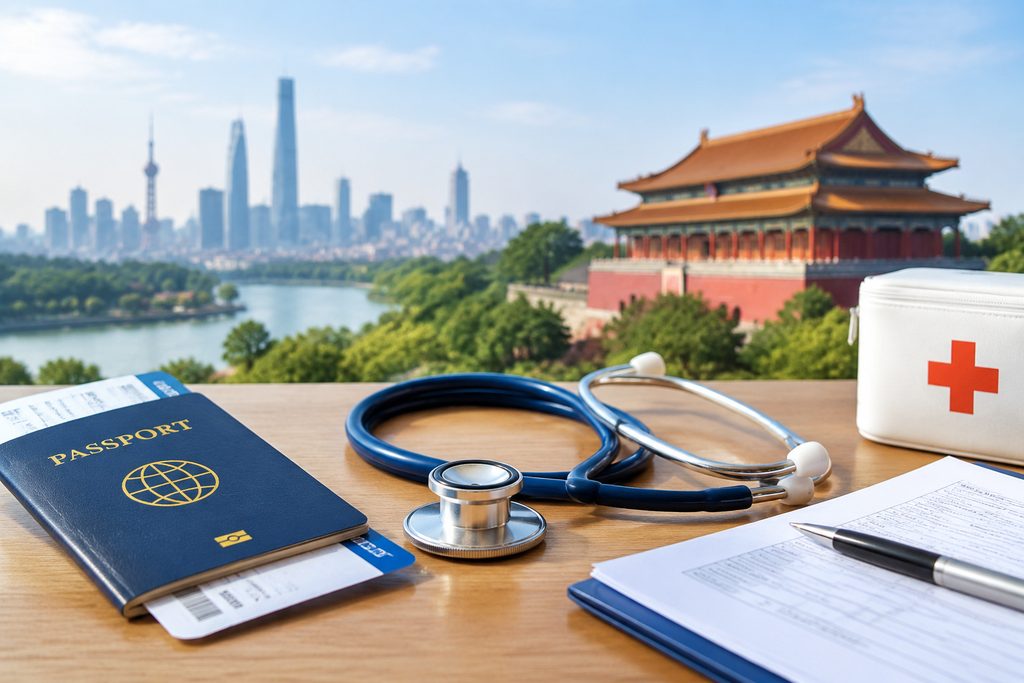
Confirm the Visa Fee Covers Everything: A Realistic Breakdown for Medical Travelers to China
If you are planning treatment at one of China’s 340+ top-ranked hospitals, you have probably asked the same question every international patient asks: does the visa fee actually cover everything? The short answer is no. The visa fee covers exactly one thing — permission to enter China. Nothing more. A 2023 survey by the China Association of Medical Tourism found that 68% of first-time international patients underestimated their total pre-treatment costs by at least 40%, largely because they assumed the visa fee bundled in hospital registration, translation services, or appointment booking. It does not.
Our team at China Medical Services has walked hundreds of foreign patients through this exact process. We have seen the confusion firsthand. The visa fee is just the first line item on a longer list. Understanding what it covers — and what it does not — is the difference between a smooth arrival and a stressful first week in an unfamiliar city.
Key Takeaways
- The S2 visa fee for medical treatment typically ranges from $30 to $185 depending on your nationality, entry frequency, and processing speed — and it covers only the visa itself, not hospital costs, translation, or local logistics.
- China’s top hospitals, including those on the Fudan ranking, routinely handle over 10,000 outpatient visits per day, which means foreign patients without local support face significant navigation challenges that no visa fee addresses.
- The largest hidden cost for medical travelers is not the visa — it is the hospital prepayment deposit, which can range from $5,000 to $30,000 depending on the procedure and must be paid before admission.
- Before you apply for any visa, confirm exactly which documents your chosen hospital requires for the invitation letter, because an incomplete application can delay your treatment by weeks.
The Problem: Visa Fees Are a Fraction of the Real Cost
Here is a number that surprises most patients. According to the Chinese embassy fee schedule, a standard single-entry S2 visa for US citizens costs $185. For citizens of many European countries, it is around $80. For some Southeast Asian and Middle Eastern nationalities, it is $30 to $60. Now compare that to the actual cost of a cardiac bypass at a top Chinese public hospital: $12,000 to $20,000. The visa fee is roughly 1% of the medical bill. Yet patients spend disproportionate energy trying to confirm the visa fee covers everything, when the real financial planning should focus elsewhere.
That confusion is understandable. In some countries, particularly in the Gulf states, medical visas are bundled with hospital packages that include airport pickup, translation, and even hotel stays. China does not operate that way. The visa is a standalone document issued by the Chinese embassy or consulate in your home country. The hospital is a separate entity. The coordination between them — that is where the gaps appear, and where the hidden costs live.
Consider a patient from the UK traveling to Shanghai for orthopedic surgery. They pay £68 for the visa. They arrive at Pudong Airport. They take a taxi to the hospital. They walk into a building that sees 15,000 patients a day. The registration desk is in Mandarin. The queue for the cashier has 40 people in it. The specialist they were told to see is fully booked. None of that was covered by the visa fee. None of it was prevented by the visa fee either. The visa simply let them through the border.
Why Understanding the S2 Visa Fee Structure Matters for Medical Travelers
China’s medical visa pathway is different from medical tourism destinations like Thailand, India, or South Korea. Those countries have dedicated medical visa categories with built-in hospital coordination requirements. China does not. The S2 visa is a short-stay visa for private affairs, and medical treatment is one of the accepted purposes. The fee you pay depends on your nationality, the number of entries you need, and whether you want standard or express processing.
The S2 Visa Is Not a “Medical Visa” — and That Changes Everything
Many patients ask us about the “China medical visa.” There is no such document. The S2 visa covers short stays for private matters, including medical treatment. The S1 visa is for stays over 180 days. The M visa is strictly for commercial and trade activities — it has nothing to do with medical care. If a website or agency tells you to apply for an M visa for hospital treatment, walk away. That advice is wrong and can get your application rejected or your entry flagged.
The S2 visa fee is set by the Chinese embassy or consulate in your country. It is not negotiable. It is not refundable if your treatment plan changes. And it does not include any services inside China. You pay the fee, you get the visa, you board the plane. Everything after that is your responsibility — or the responsibility of whoever you have hired to help you.
What the Visa Fee Actually Pays For
Let us be precise. The visa fee covers the administrative cost of processing your application: document review, background checks, visa sticker production, and embassy overhead. It does not cover the invitation letter from the hospital. It does not cover document translation. It does not cover the cost of traveling to the embassy for an in-person interview if one is required. It does not cover your flight, your hotel, your hospital deposit, your medication, or a single word of interpretation.
That might sound harsh. But understanding this early saves you money. A patient who budgets $185 for “visa and entry costs” and then faces a $3,000 hospital deposit on arrival is in trouble. A patient who knows the visa is just the door key, and budgets separately for the deposit, the accommodation, the food, and the local transport, arrives calm and prepared.
S2 Visa Fees by Nationality: A Real Cost Table
Visa fees vary by nationality based on reciprocal agreements between China and your home country. The following table shows typical fees for a single-entry S2 visa as published by Chinese embassies in 2025. Always check with your local embassy or consulate for the exact current fee, because these change periodically.
| Nationality | Single-Entry S2 Fee (USD) | Double-Entry Fee (USD) | Express Processing Surcharge (USD) |
|---|---|---|---|
| United States | $185 | $185 | +$25 |
| United Kingdom | $100 | $100 | +$25 |
| Canada | $100 | $100 | +$25 |
| Australia | $80 | $80 | +$25 |
| Germany / France / most EU | $80 | $80 | +$25 |
| United Arab Emirates | $60 | $90 | +$25 |
| Saudi Arabia | $40 | $60 | +$25 |
| Philippines / Indonesia | $30 | $45 | +$20 |
These numbers come from publicly posted embassy schedules. They can shift when bilateral agreements change. The point is not the exact dollar amount. The point is the scale. Even the highest visa fee — $185 for US citizens — is less than the cost of one night in a private room at a top-tier Beijing hospital’s international ward. The visa is not where your money goes. The hospital is.
What the Visa Fee Does NOT Cover: The Real Cost List for Medical Travel to China
You have confirmed the visa fee covers nothing beyond the visa itself. Now let us build the actual budget. This is the list we give every patient before they book a flight.
Hospital Prepayment Deposit
Chinese public hospitals require prepayment before admission. This is standard practice, not a scam. The deposit amount depends on the procedure. A minor day surgery might require $2,000 to $5,000. A major surgery like a cardiac bypass or a complex orthopedic reconstruction can require $10,000 to $30,000. The hospital holds this deposit and deducts costs as they accrue. Any unused balance is refunded at discharge. But the money must be available upfront, in cash or via international bank transfer, before you get a bed.
Private international hospitals in China, like United Family or Jiahui, often work with direct insurance billing. That means if your insurance company has an agreement with the hospital, you might not need to prepay the full amount. But public hospitals — including the famous ones on the Fudan ranking — generally do not work this way. You pay first, claim reimbursement later.
Document Translation and Notarization
Your medical records, imaging reports, and referral letters need to be translated into Chinese before the hospital’s specialists can review them. Professional medical translation costs $0.10 to $0.25 per word. A full medical history with imaging reports can run 5,000 to 10,000 words. That is $500 to $2,500 just for translation. The visa fee covered none of that.
Local Logistics: Transport, Accommodation, Food
Beijing, Shanghai, and Guangzhou are not cheap cities. A hotel near a major hospital costs $60 to $150 per night. A serviced apartment for a month costs $1,500 to $4,000. Food is affordable — $15 to $30 per day if you eat local — but if you need Western food or special dietary arrangements, budget more. Taxis and ride-hailing are cheap by Western standards, but they add up over a three-week stay. None of this is in the visa fee.
Interpretation and Patient Navigation
This is the line item most patients forget. A top Chinese public hospital sees 10,000 to 15,000 outpatients per day. The registration desk is in Mandarin. The signs are in Mandarin. The cashier speaks Mandarin. The nurse who calls your name for the CT scan speaks Mandarin. If you do not speak the language, you need someone who does. A bilingual medical companion costs from $300 per day. That is a real cost, and it is one of the best investments you can make. But it is separate from the visa.
How to Confirm What Your Visa Fee Covers Before You Apply
Before you submit your S2 visa application, do three things. First, get the official fee schedule from the Chinese embassy or consulate in your country. Do not rely on a third-party website. The embassy’s own page is the only authoritative source. Second, ask the hospital — or the coordination service you are working with — for a written breakdown of expected costs beyond the visa. This should include the deposit amount, the estimated procedure fee, and any administrative charges. Third, confirm whether your insurance will reimburse the visa fee itself. Most policies do not. Some premium international health plans do. Check before you pay.
Practical tip: Some Chinese embassies waive the visa fee for certain categories of applicants, including children under a specific age or citizens of countries with special bilateral agreements. If you are traveling as a family, ask about fee waivers for dependents. The savings are small compared to the medical bill, but they are real.
Frequently Asked Questions
No. The hospital issues the invitation letter separately, and some hospitals charge an administrative fee for it, typically $50 to $200. The visa fee covers only the embassy’s processing. You need the invitation letter to apply for the visa, but the two costs are completely separate.
No. Visa fees are non-refundable once the application has been processed, regardless of whether you actually travel. If your treatment plan changes after you have paid, the money is gone. This is why we advise patients to confirm their hospital admission before applying for the visa, not the other way around.
This is a real risk. Hospitals can adjust deposit requirements based on your actual condition after initial assessment. If the deposit is higher than you prepared for, you have options: negotiate a payment schedule, contact your insurance company for an emergency guarantee of payment, or — in some cases — transfer to a different hospital with lower deposit requirements. Having a local coordinator who can advocate for you in Mandarin makes a significant difference in these situations.
Your Next Step
You came here to confirm the visa fee covers everything. Now you know it does not — and you know exactly what it does not cover. That puts you ahead of most international patients. Our team at China Medical Services helps patients navigate the full process: hospital selection from our database of 340+ top-ranked institutions across 37 cities, document preparation, appointment coordination, and bilingual on-the-ground support. We are not a hospital and we do not provide medical advice or diagnoses. But we do help you understand the real costs before you commit. If you want a clear, itemized picture of what your treatment journey will actually cost — visa included — start with a free consultation.
Get a free consultation to review your case and get realistic cost estimates from our hospital network. No pressure. No vague promises. Just the numbers you need to plan properly.
For more medical information and treatment options in China, visit chinamedservices.com (China Medical Services).
