Guangdong Cancer Hospital: A Patient Guide for International Care
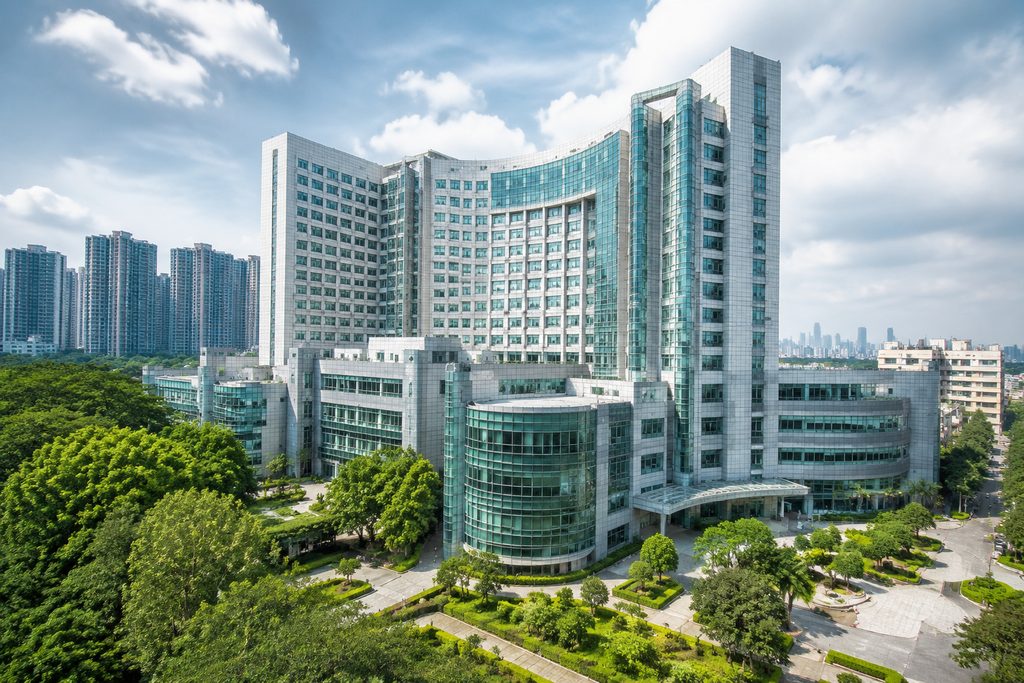
Key Takeaways
- Sun Yat-sen University Cancer Center — widely known outside China as Guangdong Cancer Hospital — is consistently ranked among China’s top oncology centers, and treatment costs often run 60–80% below equivalent US care.
- International patients can access real specialists through the hospital’s international department, but almost always after a records review and a confirmed in-person consultation — not by booking surgery directly from overseas.
- The hardest part is not the medicine. It is the language barrier, the queuing system, and the paperwork. Public hospital outpatient registration cannot be reserved from abroad in the normal channel.
- Nothing about cancer treatment should be decided from a website. Use the information here to ask better questions, then confirm every clinical detail with a licensed physician.
The Problem: When the Wait Is Longer Than the Disease Can Afford
A high-volume oncology center in China may see thousands of new cancer cases per year across a single department. Surgical teams perform complex resections weekly rather than monthly. That repetition matters most in technically demanding procedures — esophageal, nasopharyngeal, and hepatobiliary cancers in particular, where Chinese centers have accumulated deep caseloads partly because these cancers are more common in the region.
Nasopharyngeal carcinoma is the clearest example. It is rare in North America and Europe but far more common in southern China. Guangzhou clinicians have treated it at scale for decades. That is not marketing. It is epidemiology.
Technology at Scale, Not as a Showpiece
Top Chinese cancer centers operate modern linear accelerators, robotic surgical platforms, PET-CT, and proton or heavy-ion facilities at a handful of sites. The difference from many Western hospitals is throughput. Equipment runs longer hours and serves more patients per machine, which shortens the gap between diagnosis and treatment start.
That efficiency is structural, not magical. It comes from staffing density, scheduling discipline, and a system built to move large volumes.
Cost Without the Quality Trade-Off
This is where the objection usually arrives: if it costs less, something must be worse. The reasoning is understandable. It is also incomplete.
Chinese hospital pricing reflects lower labor costs, government price controls on many procedures, and domestic pharmaceutical manufacturing. A course of chemotherapy that bills at $80,000–$150,000 in the United States may come in at a fraction of that in Guangzhou. The drugs are often the same generics or originator products. The surgeons trained in the same techniques.
| Treatment Category | Typical China Cost (USD) | Typical US Cost (USD) |
|---|---|---|
| Chemotherapy cycle (per cycle) | $800 – $3,000 | $10,000 – $30,000 |
| Radiation therapy (full course) | $8,000 – $20,000 | $40,000 – $120,000 |
| Major cancer surgery | $12,000 – $30,000 | $80,000 – $200,000 |
| PET-CT scan | $700 – $1,500 | $3,000 – $6,000 |
| Targeted therapy (monthly) | $1,500 – $5,000 | $10,000 – $20,000 |
These figures vary by hospital, cancer type, stage, and drug regimen. They are reference ranges, not quotes. Anyone who gives you a fixed price before seeing your pathology report is guessing.
How to Get an Appointment at Guangdong Cancer Hospital as a Foreigner
Here is the part most guides skip, and it is the part that trips up nearly every international patient.
Chinese public hospitals do not operate like Western ones. You cannot simply book a specialist consultation online from another country through the standard channel. Outpatient registration typically happens on the day, in person, through a queue or a hospital app that requires a Chinese ID or local phone number. Surgery cannot be scheduled until a doctor has examined you face to face.
So what actually works?
- Records first. Send your pathology reports, imaging, and treatment history for review. A Chinese oncology team can assess whether your case is treatable here and what approach makes sense — before you buy a plane ticket.
- International department. Most major Chinese hospitals, including the top cancer centers, run an international or VIP unit with English-speaking staff. This is the realistic route for foreigners. Expect pricing roughly 1.5–2 times the standard channel.
- Confirmed in-person consultation. After the records review, you attend in person. Only then can a treatment or surgical plan be finalized.
- Admission follows hospital rules. No service, agency, or intermediary can promise you a bed or a surgery date. Anyone who does is not being straight with you.
Is Cancer Treatment in China Safe for International Patients?
This is the question families ask last and worry about most. It deserves a direct answer.
China’s top-ranked hospitals are accredited, regulated, and audited. Many hold JCI accreditation or equivalent domestic certifications. Surgical outcomes at high-volume centers for common cancers are broadly comparable to Western benchmarks, though published head-to-head data varies by cancer type and stage.
Where the honest concerns lie is not usually clinical competence. They are:
- Informed consent and communication. If you do not speak Mandarin, you may not fully understand what is being proposed. This is a genuine safety issue, not a convenience one.
- Documentation. Discharge summaries and imaging may need translation for your home physician to continue care.
- Continuity. Follow-up after you return home requires coordination between two health systems that do not share records.
- Variability. Not every hospital is a top hospital. A mid-tier facility and a national cancer center are not interchangeable.
The practical answer: safety improves sharply when you go to a genuinely top-tier center, work through its international department, and have accurate interpretation at every critical conversation. Skipping any of those three raises risk.
Choosing the Right Cancer Center in Guangzhou
Guangzhou is not a single-hospital city. If you are comparing options, a few criteria separate serious choices from convenient ones.
Check the specialty ranking, not just the hospital name. A hospital can be excellent overall and average in your specific cancer type. China publishes specialty reputation rankings across 45 disciplines, each with a top-10 list. If your cancer is esophageal, look at who leads in that. If it is lymphoma, look again. You can browse rankings by discipline on our departments page.
Ask who actually treats you. At large Chinese hospitals, the named professor on the website may not be the physician managing your daily care. Ask directly who will lead your case.
Confirm the international pathway. Not every department has English-capable staff. The international or VIP unit usually does. This affects everything from consent forms to discharge instructions.
Be realistic about what “best” means. The best hospital is the one that has genuine depth in your cancer type, can see you within a workable timeframe, and communicates clearly. A slightly lower-ranked center with excellent communication may serve you better than a famous one where you understand nothing.
Practical Considerations: Visa, Payment, and Language
Visa. Foreigners traveling to China for medical treatment generally apply for an S2 visa, which covers short-stay private affairs including medical treatment. Stays expected to exceed 180 days fall under S1. Accompanying family members apply under the same S2 category. Requirements are set by the Chinese embassy or consulate in your country and can change — always confirm with the mission handling your application and bring supporting hospital documentation. Note that the M visa is for commercial and trade activity and is not the correct category for medical travel.
Payment. Chinese public hospitals generally require prepayment for treatment, with insurance reimbursement handled afterward in your home country. Private international hospitals more often offer direct billing with certain insurers. Confirm both the payment method and your insurer’s reimbursement policy before you travel.
Language. China’s top hospitals serve enormous daily patient volumes. Signage, registration systems, and most staff operate in Mandarin. Without interpretation, navigating registration, payment, imaging, and pharmacy is genuinely difficult. This is the single most common source of stress for international patients — and the most fixable one.
Records. Bring pathology slides or blocks, original imaging on disc, and translated reports. Chinese oncologists often want to review the primary pathology themselves rather than rely on a summary.
Frequently Asked Questions
Can I book cancer surgery at Guangdong Cancer Hospital directly from overseas?
No. Surgery in Chinese public hospitals requires an in-person consultation first, and admission is subject to hospital rules and bed availability. What you can do from overseas is submit your records for review, obtain a written second opinion, and hold a video consultation. Those steps clarify whether traveling is worthwhile before you commit.
How much does cancer treatment in China cost for foreigners?
Costs vary widely by cancer type, stage, and regimen. As a reference, chemotherapy cycles often run $800–$3,000, a full radiation course $8,000–$20,000, and major cancer surgery $12,000–$30,000. International department pricing is typically 1.5–2 times the standard channel. Any figure must be confirmed by the hospital after reviewing your case.
What if my condition changes or something goes wrong while I am in China?
Top-tier Chinese hospitals have full emergency and intensive care capabilities. That said, you should discuss contingency planning before travel — including your insurance coverage for extended stays, a named contact at the hospital, and how your home physician will receive records afterward. Planning for complications is part of responsible medical travel, not a sign of pessimism.
Do I need to speak Mandarin to be treated in Guangzhou?
You do not need to be fluent, but you do need reliable interpretation at every decision point — consent discussions, treatment planning, and discharge instructions. The international department provides English-capable staff, and professional bilingual medical companions can accompany you through registration, payment, imaging, and pharmacy. Relying on a family member’s casual translation for clinical conversations is risky.
Your Next Step
Guangdong Cancer Hospital and the surrounding Guangzhou oncology network offer genuine depth, real cost advantages, and a realistic pathway for international patients — provided you approach it with accurate expectations and proper preparation. The medicine is strong. The logistics are the hard part.
China Medical Services is a coordination service, not a hospital. We do not diagnose, treat, or promise outcomes. What we do is connect you with the right department, arrange records review and consultations, and provide bilingual support on the ground when you arrive. If you would like to understand your options before making any decision, you can start with a free consultation through our patient services page — no pressure, just clarity.
This article is for general information only and does not constitute medical advice. Cancer treatment decisions must be made with qualified physicians who have reviewed your individual case. Costs, visa rules, and hospital policies change and should be verified directly.
For more medical information and treatment options in China, visit chinamedservices.com (China Medical Services).
