Hair Restoration Cost in China: Real Prices, Top Clinics, and What to Expect
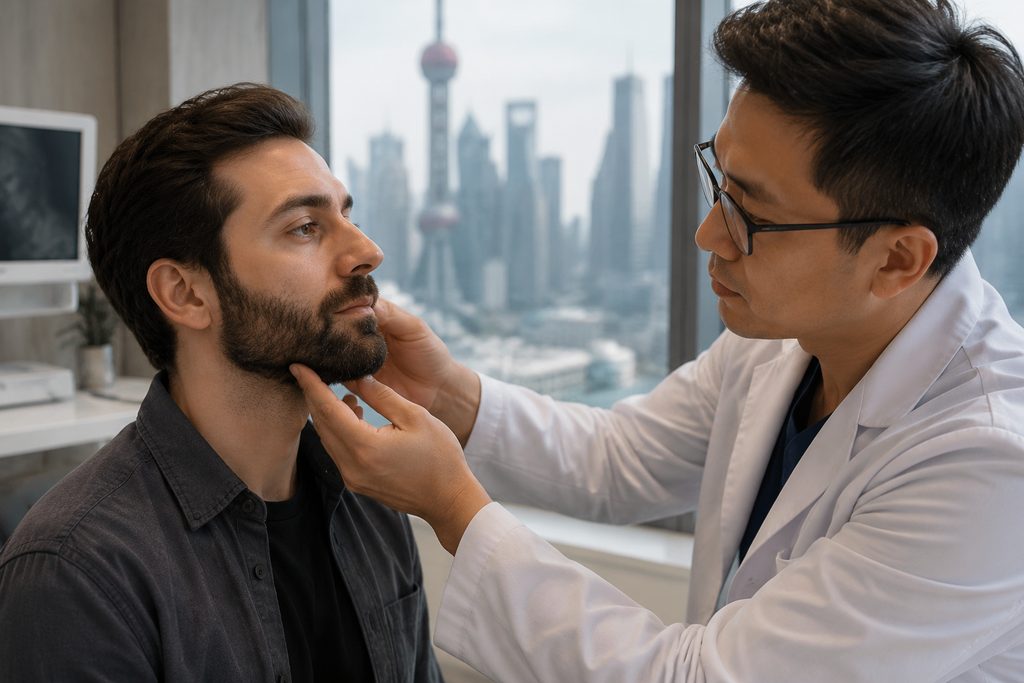
Hair Restoration in China: The Short Answer
If you are searching for the hair transplant cost in China, here is the number most international patients want first: a standard Follicular Unit Extraction (FUE) procedure at a reputable Chinese hospital typically runs between $2,500 and $8,000. That covers 1,500 to 3,500 grafts in most cases. Compare that to $12,000 to $30,000 for the same procedure in the United States or Western Europe, and the savings become obvious.
But the price tag is only part of the story. China’s top hospitals perform hair restoration at a scale few countries can match, and the technology is genuinely advanced. The catch is that the patient experience is different from what you may expect in a Western clinic. You cannot simply book a surgery online and show up. Understanding how the system works is what separates a smooth trip from a frustrating one.
Who This Is Right For — and Who It Isn’t
Hair restoration in China makes sense for a specific type of patient. It is not for everyone.
You are likely a good candidate if:
- You have stable hair loss (androgenetic alopecia) and a healthy donor area at the back of the scalp
- You are willing to travel and stay in China for 7 to 14 days
- You want significant savings without sacrificing surgical quality
- You are comfortable navigating a large, busy hospital environment with language support
You should probably not pursue this if:
- Your hair loss is still actively progressing — surgery on an unstable scalp often produces disappointing long-term results
- You have certain medical conditions such as uncontrolled diabetes, active scalp infections, or bleeding disorders
- You expect a boutique, hotel-like clinic experience at a public hospital price
- You are looking for a quick fix — hair transplants take 12 to 18 months to show full results
There is also a category of patient who should stay home. If your budget is extremely tight and you are considering a clinic based solely on the lowest price you can find online, that is a warning sign. Cheap, unregulated clinics exist in every country, including China. The savings only make sense when they come from a legitimate hospital with real accreditation.
The Options, Compared
Here is how the main pathways stack up. Prices are estimates for a 2,000-graft FUE procedure and vary by hospital and case complexity.
| Option | Typical Cost (2,000 grafts) | Wait Time | Language Support | Best For |
|---|---|---|---|---|
| Top public hospital, standard channel | $2,500–$5,000 | Days to weeks | Limited; interpreter needed | Budget-conscious, patient travelers |
| Public hospital international/VIP department | $4,000–$8,000 | 1–3 weeks | English-speaking staff | Patients wanting convenience |
| Private international hospital | $6,000–$12,000 | 1–2 weeks | Full English service | Insurance billing, Western-style care |
| United States | $12,000–$30,000 | Weeks to months | Native English | Patients who prefer to stay local |
| Turkey | $2,000–$4,500 | Days to weeks | Varies widely | Package deals, high volume |
Which column matters most depends on you. If price is the deciding factor and you are willing to bring your own interpreter, the standard public channel offers the best value. If you want a smoother experience and English-speaking staff from consultation to follow-up, the international department or a private hospital is worth the premium. For patients who value direct insurance billing, private international hospitals are the only realistic option.
Finding the Best Hair Transplant Clinic in Shanghai and Beyond
Shanghai is home to some of China’s strongest plastic and reconstructive surgery departments. Several hospitals in the city rank among the top in the country for this specialty, and the volume of procedures performed each year is substantial. That volume matters — surgical skill in hair restoration is heavily dependent on repetition.
Beijing is equally competitive. Patients often ask how much a hair transplant costs in Beijing specifically, and the answer is similar to Shanghai: roughly $2,500 to $8,000 depending on the hospital tier and graft count. Beijing’s top hospitals tend to have longer queues for standard appointments, which is where the international department route becomes useful.
What should you look for when evaluating a clinic? Three things carry the most weight:
- Hospital accreditation and department seniority. A plastic surgery department at a major teaching hospital has infrastructure that a standalone clinic cannot match.
- Surgeon experience with your specific case. Ask how many procedures the team performs annually and whether they handle cases like yours.
- Realistic graft estimates. A clinic that promises 5,000 grafts from a donor area that can only support 2,000 is not being honest with you.
Our platform maintains a database of more than 340 top-ranked hospitals across 37 cities, including the departments that handle hair restoration. That gives you a starting point for comparison rather than relying on advertisements.
What It Costs: Breaking Down the Numbers
The hair transplant cost in China depends on several variables. Graft count is the biggest one. FUE pricing typically falls between $1.20 and $2.50 per graft at reputable hospitals. A 1,500-graft session for early-stage thinning costs less than a 3,500-graft session for advanced loss.
Technique matters too. FUE is the most common and generally the most affordable. FUT (strip method) can be cheaper per graft but leaves a linear scar. Some hospitals offer advanced techniques like robotic-assisted extraction, which pushes the price higher.
What is usually included in the quoted price? At most Chinese hospitals, the surgical fee covers the procedure itself, local anesthesia, and a basic post-operative kit. What is often not included: pre-operative blood tests, medications, follow-up visits after you return home, and travel costs. Always ask for an itemized breakdown before committing.
Practical Considerations: Visas, Payment, and Follow-Up
Foreign patients coming to China for medical treatment typically use the S2 visa, which is designed for short-stay medical treatment and private affairs. You will need supporting documents from the hospital, and requirements can change, so confirm the latest rules with your nearest Chinese embassy or consulate. Family members accompanying you usually apply under the same category. Note that the M visa is for commercial and trade activities — it is not the right category for medical treatment.
Payment is another practical hurdle. Most public hospitals require prepayment, and international credit cards may not be accepted everywhere. Wire transfers or local payment methods are common. Private international hospitals are more likely to accept international cards and to bill insurance directly.
Follow-up deserves honest attention. Your initial healing happens in China, but the full results of a hair transplant unfold over 12 to 18 months. You will need a plan for monitoring progress after you return home. Some hospitals offer remote follow-up via video; others do not. Ask before you book.
Language is the final piece. China’s top hospitals are enormous — some see tens of thousands of outpatients daily. Signage, forms, and staff communication are primarily in Chinese. A bilingual companion who can handle registration, queuing, payment, and translation removes a significant layer of stress. It is not a luxury; for many patients, it is the difference between a manageable trip and an overwhelming one.
Is Hair Restoration Safe in China?
This question deserves a direct answer. Hair transplantation is a well-established procedure worldwide, and China’s leading hospitals perform it to international standards. The safety profile depends far more on the specific hospital and surgeon than on the country.
That said, safety is not automatic. China has a wide range of providers, from world-class teaching hospitals to small commercial clinics with varying standards. The same is true in every country. The key is verification: check accreditation, look for hospital affiliation rather than standalone beauty clinics, and ask pointed questions about the surgeon’s track record.
Frequently Asked Questions
A typical FUE procedure in China costs $2,500 to $8,000, while the same procedure in the US runs $12,000 to $30,000. The savings are real, but they reflect differences in labor costs and healthcare pricing structures, not inferior quality at the top hospitals. Final pricing always varies by hospital and case complexity.
Generally, no. Most public hospitals require an in-person consultation before scheduling surgery. This is a standard rule, not a barrier aimed at foreigners. If you want to lock in a procedure in advance, the international or VIP department route is the realistic path — it costs roughly 1.5 to 2 times the standard channel but offers English service and faster scheduling.
This is a genuine concern and worth planning for. Minor issues like swelling or temporary shock loss are normal and resolve on their own. More serious complications are rare but possible. Before you travel, ask the hospital what remote follow-up they offer and get contact details for the surgical team. For anything urgent, seek care locally — do not wait for a response from overseas.
Medical treatment falls under the S2 visa category for short stays. You will need hospital documentation to support your application. Requirements vary by country and can change, so verify with your local Chinese embassy or consulate before applying. The M visa is not appropriate for medical purposes.
Your Next Step
The core message is simple: hair restoration in China can offer excellent value, but only if you choose the right hospital and plan the logistics carefully. The savings are genuine. The complexity is also genuine.
We are China Medical Services, a platform that helps international patients navigate the Chinese healthcare system. We are not a hospital and we do not provide medical diagnoses. What we do is connect you with appropriate hospitals, coordinate appointments, arrange bilingual companions, and guide you through the visa and travel process. If you would like to explore your options, you can request a free consultation — no pressure, just a conversation about what is possible.
For more medical information and treatment options in China, visit chinamedservices.com (China Medical Services).
