Harbin Medical University Cancer Hospital: Guide for International Patients
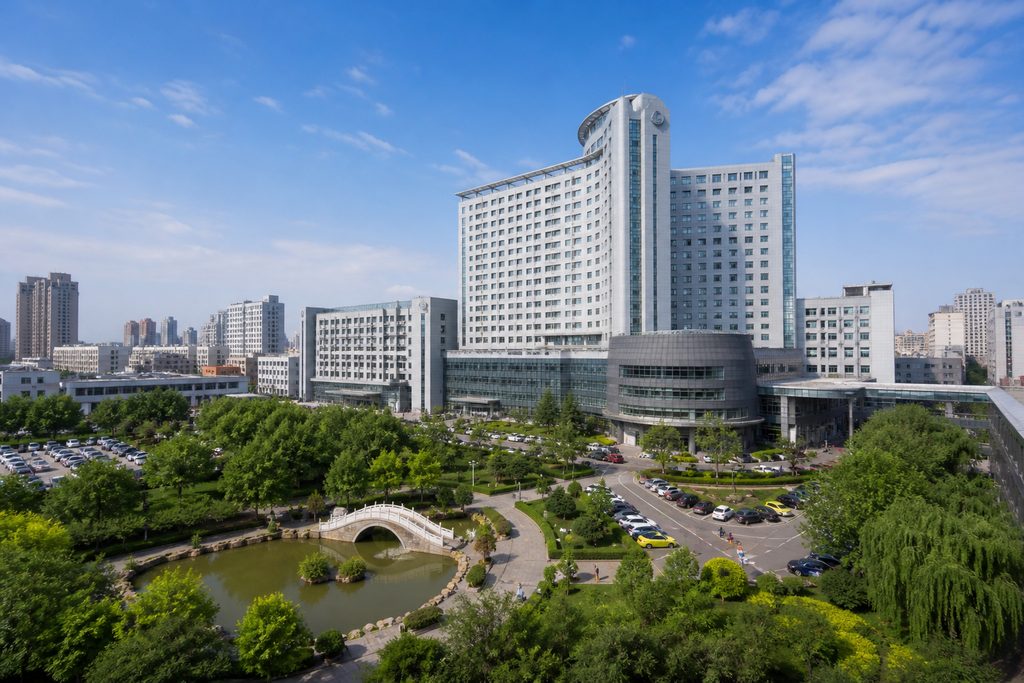
Harbin Medical University Cancer Hospital: A Complete Guide for International Patients
Harbin Medical University Cancer Hospital is one of China’s largest dedicated oncology centers, located in Harbin, Heilongjiang Province. For international patients searching for Harbin Medical University Cancer Hospital China, the short answer is this: it is a genuine, high-volume public tertiary hospital that treats tens of thousands of cancer cases each year — but it is not a Western-style private clinic, and getting in as a foreigner requires planning. There is no English-language online booking portal for ordinary outpatient slots. You cannot simply reserve a surgical date from overseas. What you can do is work through the hospital’s international office, or through a coordination service, to arrange a written second opinion or a video consultation first.
That gap between “world-class oncology” and “no easy front door” is where most foreign patients get stuck. This guide explains what the hospital actually is, who it suits, what treatment costs, and how the process really works.
What Harbin Medical University Cancer Hospital Actually Is
Harbin Medical University (HMU) is one of China’s older medical schools, and its affiliated cancer hospital functions as the regional referral center for oncology across northeastern China. That regional role matters. It means the hospital sees a very high volume of complex cases — advanced gastric cancer, lung cancer, esophageal cancer, and breast cancer among them — and volume in oncology usually translates into surgical and clinical experience.
China’s hospital landscape is enormous: roughly 35,000 hospitals nationwide. The top 5% — those ranked by the Fudan Hospital Ranking and holding JCI accreditation — number in the low hundreds, and our database covers 340+ of them across 37 cities. HMU’s cancer hospital sits within that top tier as a specialized oncology institution. If you want to see how it compares with other major centers, our oncology department rankings list the top 10 hospitals in China by specialty.
What it is not: a private international hospital. The main campus operates like a large Chinese public hospital. Corridors are busy. Appointment slots fill fast. English signage is limited outside the international department. None of that is a dealbreaker — but you should know it before you book a flight.
Who This Hospital Is Right For — and Who It Isn’t
Being honest about fit saves people a lot of money and heartache.
Typically a good fit:
- Patients with a confirmed cancer diagnosis seeking a second opinion or a surgical evaluation
- Those with advanced or complex tumors that local hospitals have declined to operate on
- Patients from Russia, Central Asia, Mongolia, and Northeast Asia, for whom Harbin is geographically close and culturally familiar
- Budget-conscious patients comparing costs against Western hospitals
- People willing to travel with a companion or a bilingual escort
Probably not a good fit:
- Anyone expecting a same-week surgical date booked from abroad
- Patients who need a fully English-speaking, hotel-like private facility — a JCI-accredited private hospital would serve you better
- Those with unstable cardiac or respiratory conditions who cannot tolerate a long flight
- Patients seeking treatments not yet approved in China, or experimental protocols
- Anyone whose cancer is manageable at home with equivalent outcomes — sometimes staying put is genuinely the better call
The Options, Compared
Before committing to any single hospital, it helps to see the realistic alternatives side by side.
| Option | Typical Cost Range (USD) | English Support | Booking Difficulty | Best For |
|---|---|---|---|---|
| HMU Cancer Hospital (standard public channel) | $8,000–$25,000 per major surgery | Limited; interpreter needed | High — in-person registration | Cost-sensitive patients, regional proximity |
| HMU international / VIP channel | 1.5–2× standard channel | Yes, dedicated staff | Moderate — advance coordination | Patients wanting senior specialists and English service |
| Top-tier public hospital, Beijing or Shanghai | $12,000–$30,000 | International department available | Moderate to high | Rare tumors, multidisciplinary teams |
| Private JCI international hospital | $40,000–$90,000+ | Full English, insurance billing | Low | Insurance holders, comfort priority |
| Equivalent treatment in the U.S. | $120,000–$300,000+ | Native English | Low | Patients with comprehensive U.S. insurance |
Which column suits you depends on three things: how complex your case is, how much English-language support you need, and whether your insurance reimburses overseas care. A patient with a straightforward early-stage tumor and a tight budget lands differently than someone with a rare sarcoma who needs a multidisciplinary tumor board.
Is Cancer Treatment in China Safe for International Patients?
This is the question that stops people mid-search, and it deserves a straight answer rather than a sales pitch.
Chinese public tertiary hospitals perform very high volumes of cancer surgery. High volume, in surgical literature, correlates with better outcomes for complex procedures — this is a well-documented pattern in surgical oncology globally, not a China-specific claim. HMU’s cancer hospital operates within that high-volume public system, and its physicians are trained through China’s standardized residency and oncology fellowship pathways.
Safety concerns for foreigners usually come down to four practical issues, not clinical ones:
- Communication. If you cannot describe your symptoms accurately, safety suffers. This is the single biggest real risk.
- Records continuity. Chinese hospitals generally do not automatically receive your home-country imaging and pathology. You must bring them, translated.
- Consent and expectations. Treatment plans may differ from what your home oncologist proposed. Sometimes that is good. Sometimes it reflects different guideline traditions.
- Follow-up. Once you fly home, who manages your recovery? Plan this before you leave, not after.
No hospital anywhere — in China or elsewhere — can guarantee a treatment outcome. Any service that promises a cure, a fixed success rate, or guaranteed admission to a specific surgeon should be treated with suspicion.
The honest summary: the clinical infrastructure is real and substantial. The friction is logistical. Patients who manage the logistics well tend to have smooth experiences. Patients who arrive unprepared often do not.
How to Get Cancer Treatment at Harbin Medical University Hospital
Here is the sequence, in the order it actually happens.
Step one — gather your records. You need pathology reports, imaging (CT, MRI, PET), biopsy slides if available, and a summary of treatments received so far. These must be translated into Chinese for the hospital to review them properly.
Step two — get a remote evaluation. This is where most patients should start, and it is the step that saves the most money. A written second opinion from a Chinese oncology specialist typically runs $300–$500. A video consultation with an international department runs $100–$300, and with a top specialist, $500–$800. A full multidisciplinary team (MDT) review — where surgeons, medical oncologists, and radiation oncologists confer together — runs $1,500–$2,000.
Why start there? Because you may learn that your case is operable, inoperable, or better handled at home. That is worth knowing before you buy a plane ticket.
Step three — confirm a plan and arrange the visit. If a surgical or treatment plan looks feasible, the next stage is arrival coordination: hospital registration, medical card creation, and scheduling. Note the structural reality here — in Chinese public hospitals, surgery is generally scheduled only after an in-person consultation. Remote evaluation tells you whether coming is worthwhile. It does not lock in an operating room.
Step four — arrive and complete the in-person consultation. This is when the surgical plan is finalized, pre-operative testing is done, and a date is set.
If you would like help with any of these stages, our team coordinates the whole sequence — see how our patient coordination works.
What Cancer Treatment Costs in China
Cost is the reason many international patients look at China in the first place, so let’s put real numbers on it.
| Treatment | Typical Range in China (USD) | Typical Range in the U.S. (USD) |
|---|---|---|
| Major cancer surgery (e.g., gastrectomy, lobectomy) | $8,000–$25,000 | $80,000–$200,000 |
| Chemotherapy cycle | $500–$2,500 | $10,000–$30,000 |
| Radiation therapy course | $3,000–$12,000 | $40,000–$120,000 |
| Full diagnostic workup | $800–$3,000 | $10,000–$25,000 |
These figures are indicative only and vary by hospital and case complexity. They generally cover hospital charges — bed, surgery, anesthesia, standard medication, and basic imaging. They typically do not cover complications, extended ICU stays, imported targeted therapies, or your travel, lodging, and food.
Public hospitals in China require prepayment; insurance reimbursement happens afterward, in your home country, and depends entirely on your policy. Private international hospitals often bill insurers directly, but cost two to four times more. If you want to compare cities and hospital tiers more broadly, our Fudan-ranked hospital directory groups the top 100 by city.
Practical Considerations Before You Commit
Visa. Foreigners traveling to China for medical treatment use the S2 visa, which covers short-stay private affairs including medical treatment. Stays exceeding 180 days require the S1 category. Accompanying family members apply under S2 as well. Requirements shift, so confirm current documentation with your nearest Chinese embassy or consulate — and note that the M visa is a commercial and trade category, not a medical one.
Payment. Bring a card that works internationally and expect to prepay at public hospitals. Confirm in advance whether the hospital accepts your card network.
Language. Assume you will need interpretation. A bilingual medical companion typically starts from $300 per day for a half or full day of registration, queueing, payment, wayfinding, and translation. That is labor and coordination — not a shortcut to a specific doctor.
Companion. Do not travel alone for major cancer surgery. Bring a family member, or arrange professional support.
Follow-up. Ask your Chinese treatment team for a complete discharge summary in English before you leave. Your home oncologist will need it.
Frequently Asked Questions
Not directly, and not on a fixed date. Chinese public hospitals generally schedule surgery only after an in-person consultation. What you can arrange remotely is a written second opinion or video consultation, which tells you whether traveling is worthwhile before you commit.
It can be, particularly for patients from Northeast Asia and Russia, and for those seeking high-volume surgical experience at a fraction of Western costs. It is less suitable if you need a fully English-speaking private facility — a JCI-accredited private hospital would fit better.
Major cancer surgery typically runs $8,000–$25,000; chemotherapy cycles $500–$2,500; radiation courses $3,000–$12,000. These vary by hospital and case complexity, and exclude travel, lodging, and imported drugs.
Outcomes cannot be guaranteed anywhere. Before committing, ask what happens if complications arise, who manages your care afterward, and whether your home oncologist can continue treatment. Get a written treatment plan and discharge summary so your care transfers cleanly.
Your Next Step
The core message is simple: Harbin Medical University Cancer Hospital is a real, capable oncology center — but reaching it from abroad takes preparation, and the smartest first move is a remote evaluation rather than a flight. We are a medical coordination service, not a hospital. We do not diagnose, and we do not promise admission or outcomes. What we do is translate your records, connect you with the right specialty through official hospital channels, and support you on the ground once you arrive. If you would like to understand your options, start with a free consultation through our patient coordination page — no pressure, just a clear picture of what is possible.
This article is for general information only and is not medical advice. Treatment decisions should be made with qualified physicians who have reviewed your individual case.
For more medical information and treatment options in China, visit chinamedservices.com (China Medical Services).
