Tiantan Hospital Beijing: International Patient Guide to Neurosurgery
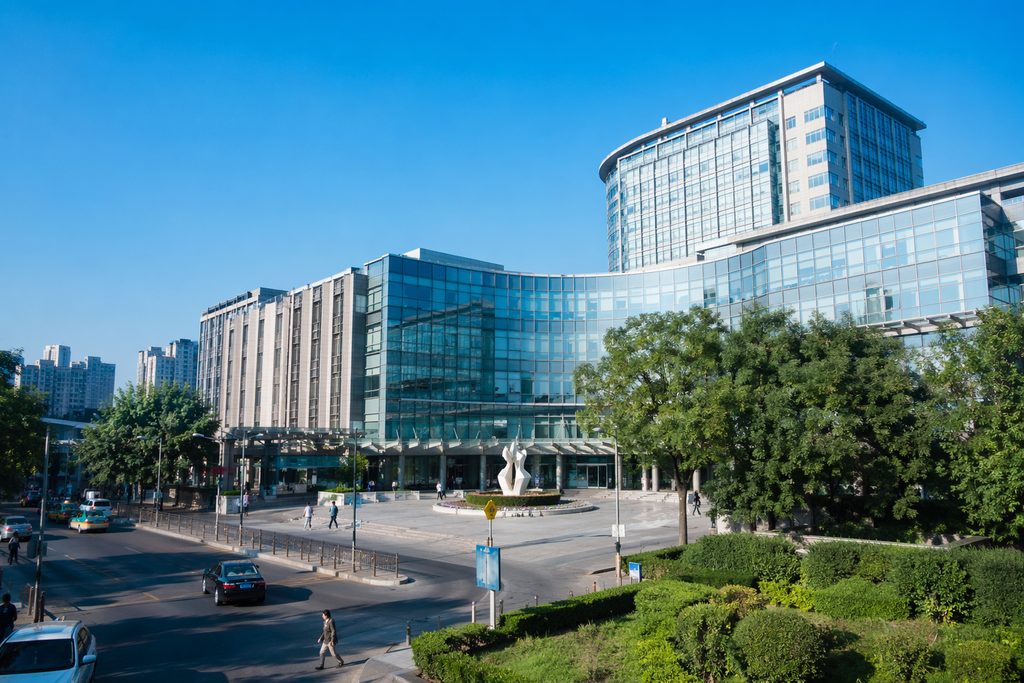
Tiantan Hospital Beijing for International Patients: The Short Answer
Beijing Tiantan Hospital is widely regarded as one of China’s leading centers for neurology and neurosurgery, and it does accept international patients — but not through a walk-in queue. Foreign patients typically access care through the hospital’s international department or a coordinated channel, and almost always after a remote review of records. So the honest answer to “can I just book an appointment and fly over” is no. The realistic path runs through records first, appointment second, travel third.
That single fact reshapes everything about planning a trip here. China’s top public hospitals do not sell appointments online to overseas patients the way a private clinic might. Understanding that structure up front saves weeks of dead ends.
Who This Is Right For — and Who It Isn’t
Not every patient belongs at a flagship neurosurgery center. Triage matters more than prestige.
Typically a good fit:
- Patients with a diagnosed or suspected brain tumor, vascular malformation, or complex epilepsy who need a specialist surgical opinion
- People whose home-country wait for a neurosurgeon exceeds several months
- Cases where a second opinion could change the treatment plan
- Families willing to travel and stay for two to four weeks
Probably not the right fit:
- Emergencies. If someone is acutely unstable, they need the nearest emergency room, not a flight.
- Patients seeking a guaranteed surgery date before any evaluation
- Anyone expecting Western-style concierge service at public-sector prices
Being blunt about this is the point. A hospital that takes everyone is not selecting anything.
The Options, Compared
Foreign patients weighing Beijing against alternatives usually compare three or four realistic paths. Here is how they stack up on the factors that actually decide the trip.
| Path | Typical Access Route | Relative Cost | Language Support | Best For |
|---|---|---|---|---|
| Tiantan International Dept. | Records review, then coordinated booking | Mid-to-high | English available | Complex neurosurgery |
| General public outpatient | Same-day queue, no overseas pre-booking | Lowest | Limited | Local residents |
| Private international hospital | Direct booking, insurance billing | Highest | Full English | Routine or follow-up care |
| Staying home | Local referral | Varies | Native | Stable, non-urgent cases |
Which column fits you? If the case is genuinely complex and time-sensitive, the international department route earns its premium. If it is a routine follow-up, a private hospital or home care is simpler and cheaper.
Is Tiantan Hospital Good for Brain Tumor Surgery?
This is the question most international patients actually arrive with, and it deserves a direct answer. Tiantan is consistently ranked among China’s top institutions for neurosurgery in the Fudan University hospital rankings — the closest thing China has to a national league table. Those rankings list a top tier rather than numbered national positions for the overall list, while specialty reputation rankings do assign top-10 placements by discipline.
What that means practically: Tiantan sits in the elite group for neurosurgery, alongside a small number of peers. Volume matters here. High-volume centers see more rare presentations, which tends to sharpen surgical judgment over time. That is a general principle in surgery, not a promise about any individual outcome.
For a broader view of how Chinese hospitals rank by specialty, our department-by-department rankings break down the top centers across 45 disciplines.
What It Costs for International Patients
Cost is where expectations and reality diverge most. Public Chinese hospitals require prepayment, with insurance reimbursed afterward — the opposite of the direct-billing model many Western patients know.
For neurosurgical care, foreign patients generally pay more than local patients because they use international or VIP channels. As a rule of thumb, that premium runs roughly 1.5 to 2 times the standard-channel price. Exact figures depend on the procedure, the surgeon’s team, implant materials, and length of stay. A craniotomy with a multi-day ICU stay is a different number than an uncomplicated biopsy.
Even so, complex surgery in China frequently costs a fraction of the same procedure in the United States. Patients should treat any quoted range as an estimate that firms up only after the hospital reviews actual imaging and records. No responsible coordinator quotes a fixed surgical price before that review.
How to Book an Appointment at Tiantan Hospital Beijing
The sequence is less mysterious than it looks once you accept the order of operations.
Step one is gathering records: MRI and CT imaging on disc, pathology reports, prior operative notes, and current medication lists. Imaging matters most. A neurosurgeon cannot assess a tumor from a summary letter alone.
Step two is translation into Chinese where required, since the treating team reviews in Chinese.
Step three is submission to the hospital’s international department or through a coordination service, which requests an appointment slot. This is a request, not a purchase.
Step four is the in-person consultation, which is when surgery is actually discussed and scheduled. Public hospitals require a face-to-face visit before any operation is arranged.
Patients who want to lock in a specialist and skip the general queue go through the international or VIP channel. That is the honest trade-off: more money, more certainty of access. For a sense of how the wider system fits together, see our overview of medical treatment in China.
Practical Considerations for the Trip
Visa category trips up more families than any medical question. Foreign patients coming for treatment should apply for the S2 visa, which covers short-stay private affairs including medical treatment, with supporting documents from the hospital. Stays beyond 180 days fall under S1. Accompanying family members apply for S2 as well.
One clarification worth stating plainly: the M visa is for commercial and trade activity. It is not a medical visa, and using it for treatment is a mistake. Always confirm current requirements with the nearest Chinese embassy or consulate, since rules and documentation expectations can change.
Payment is the second practical hurdle. Public hospitals want funds upfront; international private hospitals often bill insurers directly. Bring a payment method that works in China and confirm in advance whether your insurer will reimburse overseas care.
Language is the third. These are enormous institutions that can see tens of thousands of outpatients daily. Without Chinese, navigating registration, payment, and imaging pickup is genuinely hard. A bilingual companion is not a luxury here — it is the difference between a smooth week and a lost one.
Frequently Asked Questions
Not directly through a public online portal. Overseas patients typically submit records through the international department or a coordination service, which then requests a slot. The appointment is confirmed by the hospital, not guaranteed at the moment of request.
It ranks among China’s elite neurosurgery centers, with high surgical volume and deep subspecialty experience. Whether it is the best choice for a specific tumor depends on the diagnosis, and that judgment belongs to a qualified surgeon reviewing your imaging.
Neurosurgery carries real risks in any country, and no hospital can eliminate them. Outcomes depend on the individual case, the tumor’s location, and overall health. Discuss risks, alternatives, and follow-up plans directly with the treating team before committing.
For short-stay treatment, the S2 visa is the applicable category, with hospital documents supporting the application. Family accompanying you apply for S2 as well. Confirm the latest requirements with your nearest Chinese embassy or consulate before applying.
Your Next Step
The core message is simple: Tiantan is a serious option for complex neurosurgical cases, but access runs through records review first, appointment second, and travel last. Rushing the order wastes time and money.
We are China Medical Services, a coordination service — not a hospital, and we do not diagnose or promise outcomes. We help international patients match with appropriate hospitals, arrange record review and appointments, and provide bilingual support on the ground. If you would like a free initial consultation to see whether Beijing fits your situation, you can start here.
This article is for general information only and is not medical advice. Always consult a qualified physician about your individual condition and treatment options.
For more medical information and treatment options in China, visit chinamedservices.com (China Medical Services).
