Sinus MRI in China: Booking Guide for International Patients
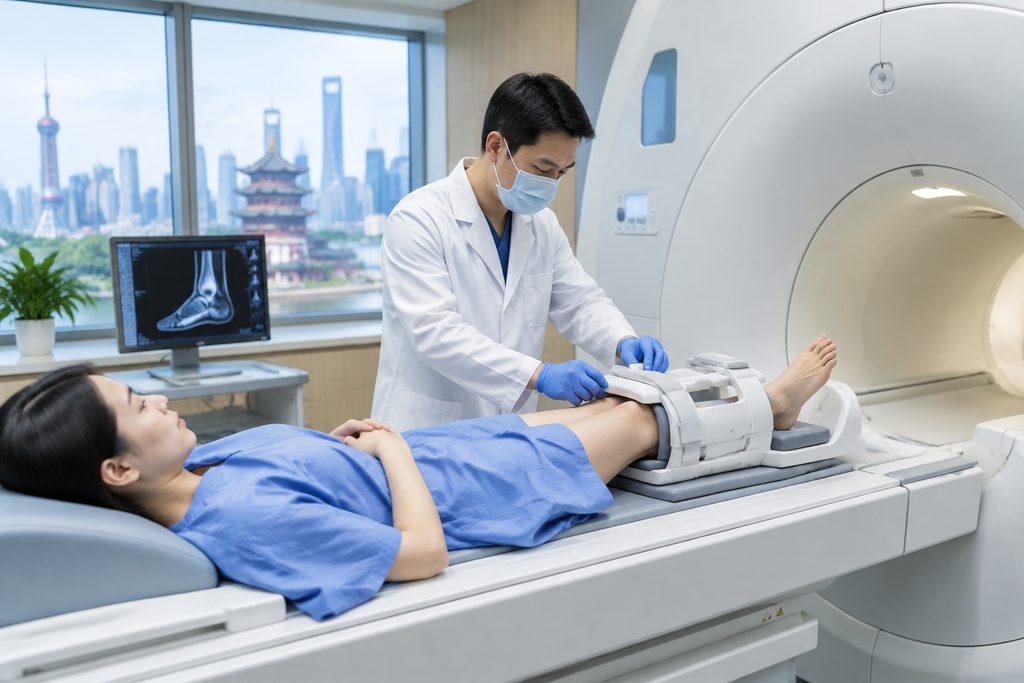
Sinus MRI in China: Booking Guide for International Patients
When 44-year-old Daniel from Portland spent three months chasing a sinus MRI appointment back home, he wasn’t just frustrated — he was in pain. His ENT suspected a fungal sinus infection that a CT scan couldn’t fully characterize, and the waitlist at his local imaging center stretched past eight weeks. A colleague mentioned that the sinus MRI cost China hospitals charge is often a fraction of U.S. prices, and that top facilities in Beijing and Shanghai could see him within days. Daniel’s story isn’t unusual. Every week, our team speaks with patients who need advanced sinus imaging and simply can’t wait, or can’t afford, what their home system offers.
This guide walks through what a sinus MRI actually involves, what it costs in China, how to book one as a foreigner, and where the process can go sideways. No hype. Just the mechanics.
How This Actually Works, Step by Step
Booking a sinus MRI in China as an international patient is not like booking a hotel. The public hospital system runs on same-day registration, and imaging slots are typically allocated to patients who show up in person. Here’s the real sequence.
Step 1: You send your existing records. That means your CT scans, prior MRI images if you have them, ENT notes, and a short summary of your symptoms. We forward these to the relevant radiology or ENT department at a shortlisted hospital.
Step 2: A Chinese specialist reviews the file. They confirm whether an MRI is actually the right study — sometimes a CT with contrast is more appropriate, and a good radiologist will say so. This review usually takes one to three business days.
Step 3: You receive a written opinion and a booking plan. The opinion explains what the imaging should target, which sequences matter for your case (for example, T2-weighted fat-suppressed views for inflammatory sinus disease), and what the estimated cost range looks like.
Step 4: Appointment coordination. If you proceed, our team works through the hospital’s international department or VIP channel to secure a slot. Standard outpatient imaging at a public hospital generally cannot be pre-booked from overseas — this is where the international department becomes essential.
Step 5: You arrive, register, and scan. A bilingual companion can handle registration, payment, and navigation. Most sinus MRI scans take 30 to 45 minutes. Results typically return within 24 to 72 hours, depending on the hospital.
What a Sinus MRI Costs in China — and Why the Range Is Wide
The sinus MRI cost China hospitals charge depends on three variables: the hospital tier, whether contrast is used, and whether you go through the standard or international channel. Here’s a realistic breakdown.
| Setting | Typical Price Range (USD) | Notes |
|---|---|---|
| Public tertiary hospital, standard channel | $150 – $350 | Requires in-person registration; limited English support |
| Public tertiary hospital, international department | $300 – $600 | Pre-bookable, English-speaking staff, faster scheduling |
| Private international hospital | $500 – $1,200 | Direct insurance billing, Western-style service |
| Same scan in the United States | $1,500 – $4,000+ | Varies heavily by state and insurer |
So how much does a sinus MRI cost in China, realistically? For most international patients using an international department, budget $300 to $600 for the scan itself. Add roughly $300 per day if you want a bilingual medical companion, and $200 round-trip for airport transfer. These figures vary by hospital and case complexity — a scan requiring contrast or specialized protocols will sit at the higher end.
A Realistic Timeline
Patients often assume the bottleneck is the scan itself. It isn’t. Here’s what a typical timeline looks like from first contact to having results in hand.
| Stage | Typical Duration | What Slows It Down |
|---|---|---|
| Records collection and translation | 2 – 5 days | Incomplete prior imaging; unclear symptom history |
| Specialist file review | 1 – 3 business days | Department workload; need for additional clarification |
| Appointment coordination | 3 – 10 days | Hospital scheduling rules; peak demand periods |
| Visa (S2) processing | 4 – 10 business days | Embassy backlog; incomplete supporting documents |
| Travel and arrival | 1 – 2 days | Flight availability |
| Scan and report | 1 – 3 days | Contrast requirements; radiologist review time |
Total, from first email to results: roughly three to five weeks if you need a visa, and under two weeks if you’re already in China or visa-exempt. The visa step is the one people forget. For medical treatment, the applicable short-stay category is S2, subject to the latest embassy requirements and supporting hospital documents. It is not the M visa — that category is for commercial and trade activities and has nothing to do with medical care.
What Can Go Wrong — and What Happens Then
We’d rather you hear the failure modes now than discover them at a hospital registration desk.
The hospital says the MRI isn’t necessary. This happens more than you’d expect. If your CT already answers the clinical question, a good radiologist will tell you so, and you save both money and time. That’s a good outcome, not a wasted inquiry.
The appointment can’t be secured for your preferred date. Public hospital imaging slots fill fast, especially at flagship facilities. Our appointment coordination service operates on a full-refund basis if the booking shown in your order can’t be secured — but we never promise a specific doctor or a specific date in advance.
Your visa application is delayed. S2 processing times shift with embassy workload. Build a buffer. If your scan is urgent and you’re already in the region, a short trip may be faster than waiting on paperwork.
The scan reveals something unexpected. A sinus MRI can incidentally show findings outside the sinuses. If that happens, the radiologist flags it, and you’ll want a follow-up consultation. This is exactly why we recommend having a specialist review your file before you travel — so the imaging plan accounts for the full clinical picture.
Choosing Where to Go: Beijing, Shanghai, or Elsewhere
If you’re searching for the best hospital for sinus MRI in Shanghai, you’re looking at one of China’s two strongest medical cities. Shanghai’s tertiary hospitals handle enormous imaging volumes and have well-developed international departments. Beijing is comparable, and if you want to book sinus MRI in Beijing, the same logic applies — target hospitals with an established international patient office rather than trying to navigate standard registration.
What actually separates hospitals for this purpose isn’t prestige. It’s three practical things:
- Whether the radiology department routinely performs high-resolution sinus protocols
- Whether there’s a functioning English-language international desk
- How quickly reports are issued and whether they come with images on disc or via portal
A mid-tier tertiary hospital with a strong ENT department and a responsive international office will often serve you better than a famous name where you’re one of 10,000 daily outpatients. You can browse ranked facilities by city and specialty through our department directory, which lists top hospitals across 45 specialties.
Practical Considerations: Records, Payment, and Follow-Up
Records. Bring your prior imaging on disc, not just printed reports. Chinese radiologists frequently want to compare sequences directly. If your images are in a proprietary format, export them to DICOM before you travel.
Payment. Public hospitals require prepayment, and you’ll seek reimbursement from your insurer afterward. Private international hospitals often bill insurance directly. Confirm which applies before you commit.
Language. China’s top hospitals are vast. A single outpatient building can serve more than 10,000 people a day. Without Mandarin, registration, payment, and wayfinding become genuinely difficult. A bilingual medical companion handles queuing, registration, payment, and translation — from $300 per day.
Follow-up at home. Ask for the full DICOM dataset and a written report in English if available. Your home ENT will want both. Getting these before you leave China is far easier than requesting them remotely weeks later.
Insurance. Check whether your policy covers imaging abroad. Many do, but require pre-authorization. Get that in writing before you book.
Frequently Asked Questions
Yes. MRI is a non-invasive imaging method with no ionizing radiation, and China’s top tertiary hospitals operate modern 3.0T scanners with established safety protocols. The standard MRI safety rules apply — disclose any implants, pacemakers, or metal fragments before your scan. If you have a known contrast allergy, tell the radiology team in advance.
You can initiate the process remotely by sending your records for specialist review and written opinion. The actual scan, however, requires your physical presence. Standard public hospital imaging slots generally cannot be reserved from overseas, which is why coordination through a hospital’s international department matters. Our consultation service starts with a free review of your needs before any commitment.
Not necessarily. A single diagnostic scan rarely justifies a full package. Most patients need three things: a confirmed appointment, help navigating the hospital on the day, and a report they can take home. Bundled medical tourism packages for sinus MRI in China exist, but for a straightforward scan they often add cost without adding value. Ask what’s actually included before you buy.
Typically 24 to 72 hours for the written report, though this varies by hospital and radiologist workload. Some facilities issue preliminary findings the same day. Always request the images themselves, not only the text report.
Your Next Step
A sinus MRI in China is faster and considerably cheaper than most Western patients expect — but the booking mechanics reward preparation. Get your records organized, confirm the right visa category, and work through a hospital’s international department rather than the standard queue. That’s the difference between a two-week trip and a two-month ordeal.
Our team connects international patients with more than 340 top-ranked hospitals across 37 cities, handling record review, appointment coordination, and bilingual support on the ground. We are not doctors and we don’t provide medical advice — we handle the logistics so your specialists can focus on your care. If you’d like a straightforward assessment of your options, start with a free consultation and we’ll tell you honestly whether traveling to China makes sense for your case.
For more medical information and treatment options in China, visit chinamedservices.com (China Medical Services).
