Insurance Medical Check in China: A Quick Guide for Foreigners
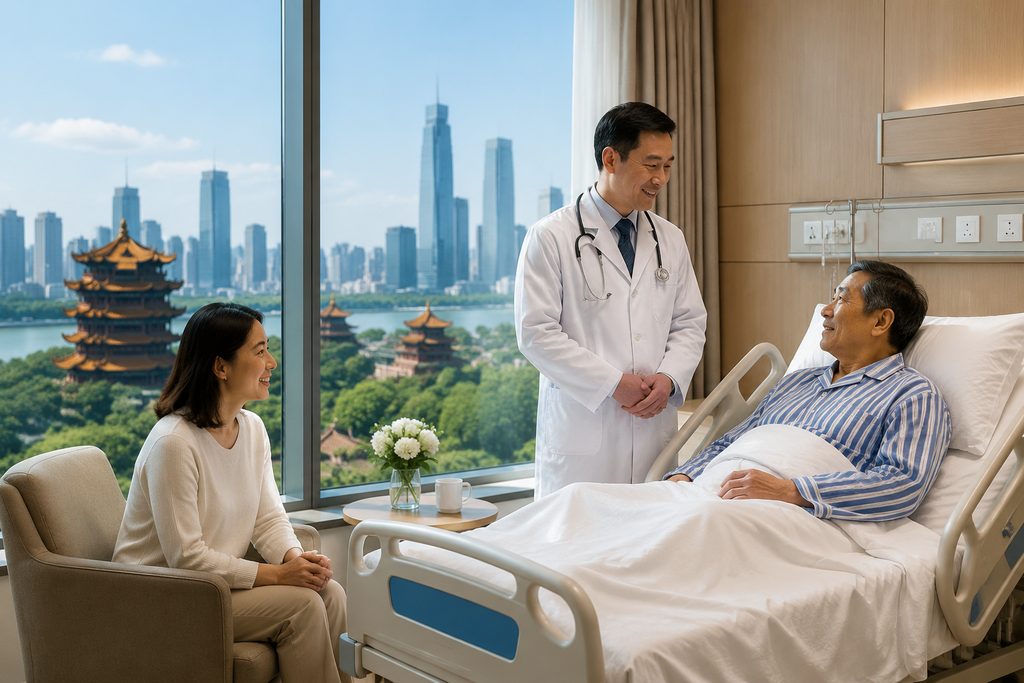
While a routine physical in the United States can bill out at $500 to $2,500 before insurance adjustments, a comparable insurance medical check in China at a top-tier public hospital often lands between $150 and $600 — and results typically arrive within three to seven working days. That gap is not a discount gimmick. It reflects a different cost structure, one that tens of thousands of expatriates, visa applicants, and international patients already use every year. The insurance medical check cost China providers quote depends heavily on which hospital tier you choose and how many tests your insurer or employer actually requires.
This guide walks through what the check includes, why someone needs one, how to book it in major cities, and where the process tends to go sideways. We handle these logistics daily through China Medical Services, so the details below reflect what actually happens on the ground rather than what a brochure claims.
How This Actually Works, Step by Step
Most people assume they can pick a hospital online, pay, and walk in. In China’s public system, that is rarely how it goes. Here is the real sequence.
Step one — confirm what your check must include. Your insurer, employer, or visa-issuing authority defines the panel. Some want a basic package: blood count, liver and kidney function, chest X-ray, ECG, urinalysis. Others demand a fuller panel with tumor markers, ultrasound, and a physician’s written summary. Get that list in writing before you contact any hospital. Without it, you may pay for tests you do not need or miss ones that matter.
Step two — choose the hospital tier. Public tertiary hospitals (the “Grade 3A” tier) offer the lowest prices but minimal English support and same-day queue-based registration. International departments inside those same hospitals, and private international hospitals, charge more but provide English-speaking staff, scheduled appointments, and often direct insurance billing.
Step three — book. Public hospital general clinics usually cannot be reserved from overseas in advance; you take a number on the day. International departments and private hospitals can be scheduled ahead, sometimes weeks out. If your timeline is tight, this distinction decides everything.
Step four — attend and complete the panel. A standard check takes two to four hours on site, mostly moving between departments. Fasting is required for blood work, so morning slots are standard.
Step five — collect results. Simple panels come back in one to three days. Full executive packages with imaging and specialist review take five to ten days. English translations are not automatic — request them at booking.
What Is an Insurance Medical Check in China, Exactly?
The phrase gets used for three different things, and mixing them up causes real problems.
The first is an insurance underwriting or claims examination — a health assessment a Chinese or international insurer requires before issuing a policy or processing a large claim. The second is an employment or residency health certificate, required by many Chinese employers and by some residence-permit applications. The third is a voluntary executive health screening, which people buy for themselves and which insurers sometimes accept as supporting documentation.
What is an insurance medical check in China legally? For most foreign nationals, it is not a single government-mandated exam. China does require a health certificate for certain residence permits and for work permits, and that certificate follows a defined format issued by designated clinics. A private insurance physical is a different document entirely. Confirm which one your situation demands before you spend money.
A Realistic Timeline
Timelines vary by city, hospital tier, and whether translation or notarization is needed. The table below reflects typical ranges, not guarantees.
| Stage | Typical Duration | Notes |
|---|---|---|
| Confirm required test panel | 1–5 days | Depends on how fast your insurer or employer responds |
| Hospital selection and booking | 2 days – 3 weeks | Private and international departments book faster; popular public international clinics can run 2–3 weeks out |
| On-site examination | 2–4 hours | Longer for full executive packages with imaging |
| Laboratory and imaging results | 1–3 days | Basic bloodwork and X-ray |
| Full report with physician summary | 5–10 days | Add time if specialist review is required |
| English translation | 1–3 days | Request at booking; not always included |
| Notarization or embassy legalization | 3–10 days | Only if the receiving authority demands it |
Add visa processing on top if the check is part of a visa or residence application. Chinese visa categories vary by purpose, and the S2 category covers short-stay private affairs including medical treatment, subject to current embassy and consulate requirements. Never assume a single category fits every case.
What Can Go Wrong — and What Happens Then
Problems here are usually administrative, not medical. Knowing them in advance saves weeks.
Your panel does not match what the recipient expects. This is the most common failure. You complete a thorough check, submit it, and the insurer or authority rejects it for a missing test. The fix is unglamorous: get the requirement list in writing first, and have the hospital confirm in writing that it covers every item before you pay.
No English report. Many public hospitals issue Chinese-only documentation. If your insurer or overseas doctor needs English, request translation at booking. Turning up afterward to ask for it can add a week or more.
You needed a designated clinic, not a general hospital. Some certificates are only valid from approved facilities. A report from an excellent hospital that is not on the list is still unusable. Verify the list before choosing.
Appointment lead times collide with your travel dates. If you are flying in for a two-day trip and the earliest slot is three weeks out, the plan collapses. This is where a coordination service earns its cost — not by creating priority access, which does not exist, but by identifying which hospitals genuinely have near-term availability.
A finding requires follow-up. Occasionally a screening turns up something that needs a specialist. That is a good outcome in the long run, but it changes your itinerary. Build a buffer day into any medical trip.
Cost, City by City, and How to Compare Providers
Prices track hospital tier far more than city. A basic panel at a public tertiary hospital in Beijing or Shanghai generally runs $150 to $300. A fuller executive package with ultrasound, cardiac screening, and tumor markers runs $400 to $1,200. International departments and private hospitals sit at the upper end, sometimes higher, and add English service and direct billing.
For the insurance medical check up price Beijing and Shanghai hospitals quote, expect the two cities to land within roughly 15 percent of each other. Second-tier cities — Chengdu, Hangzhou, Wuhan — often come in 20 to 30 percent lower for identical panels.
When comparing providers, weigh four things. Does the hospital offer English-language reporting as standard? Can it bill your insurer directly, or will you pay upfront and claim later? How far out is the next available appointment? And does the report format match what your recipient requires? Price alone is a poor sorting criterion — a $180 check that gets rejected costs more than a $400 check that works.
If you want to understand which hospitals sit in the top tier before you choose, our ranking of China’s top hospitals by city groups facilities by official tier rather than invented rankings.
Practical Considerations: Records, Payment, Language, Follow-Up
Records. Bring your passport, any prior medical reports, a list of current medications, and the written test requirements. Hospitals will not chase these for you.
Payment. Public hospitals require prepayment; insurance reimbursement happens afterward, on your own claim. Many private international hospitals bill insurers directly, which is a meaningful convenience if your plan supports it. Confirm before booking, not after.
Language. In a hospital that handles more than ten thousand outpatient visits a day, navigation is genuinely difficult without Chinese. Interpretation is not a luxury here. Our bilingual medical companion service covers registration, queueing, payment, wayfinding, and translation, from $300 per day.
Follow-up at home. If a result needs monitoring, arrange for your home physician to receive the translated report before you leave China. Chasing documents across time zones later is slow and frustrating.
How long does an insurance medical check take in China? Budget half a day on site and one to two weeks end to end including results and translation. Rush processing exists at some private hospitals for an added fee.
Frequently Asked Questions
Not universally. Many short-stay visa categories do not require a health examination. Longer residence permits and work permits often do, and those typically require a certificate from a designated clinic in a specific format. Requirements change, so confirm current rules with the relevant Chinese embassy or consulate and your employer before scheduling anything.
Yes, at international departments and private international hospitals, where English-speaking staff handle registration and reporting. At standard public hospitals, the process is almost entirely in Chinese, and booking from overseas is usually not possible in advance. If language is your main concern, the private and international tier solves it — at a higher price.
Sometimes, but it depends entirely on your policy. Many plans cover diagnostic testing when medically necessary and exclude routine screening. Ask your insurer two questions in writing: whether the specific tests are covered, and what documentation they require. Itemized English reports and receipts are almost always needed.
The visit itself takes two to four hours. Basic results return in one to three days; full packages with imaging take five to ten. Add one to three days for translation and up to ten more if notarization is required. A realistic total is one to three weeks from booking to usable document.
At private international hospitals, often yes. At public hospital international departments, availability varies by city and season, and two to three weeks is common. No service can guarantee a specific slot, but checking multiple hospitals in one city usually surfaces something sooner.
Your Next Step
The short version: confirm your required test panel in writing, pick a hospital tier that matches your language and billing needs, and build two to three weeks of buffer into your plan. Most delays in this process come from mismatched paperwork, not from the examination itself.
We are a coordination service, not a medical provider. We do not diagnose, treat, or promise access to any particular physician or appointment date. What we do is match you with appropriate hospitals, coordinate registration and interpretation, and explain the visa and documentation steps in plain English. If you would like a straightforward read on your options, start with a free consultation and we will tell you honestly whether we can help.
For more medical information and treatment options in China, visit chinamedservices.com (China Medical Services).
