Cancer Screening in Hangzhou: Costs, Top Hospitals & Options
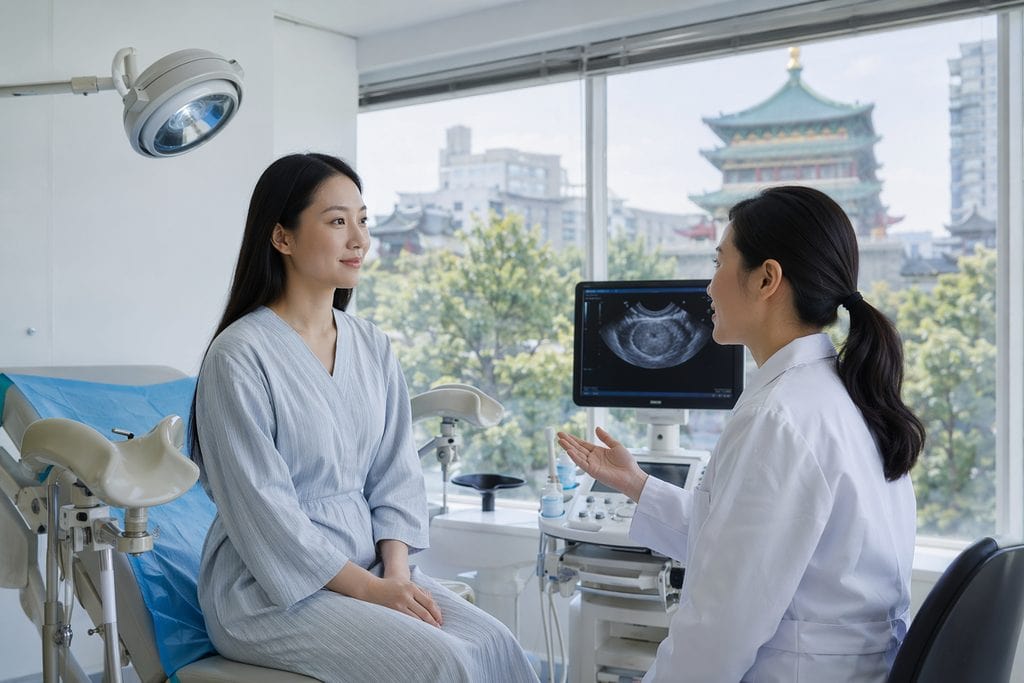
While a full-body MRI scan in the United States routinely runs $2,500 to $5,000 out of pocket, a comprehensive cancer screening package at a top-tier Hangzhou hospital often lands between $500 and $1,500. That gap is not a discount gimmick. It reflects a different cost structure, not a different standard of care. For international patients weighing cancer screening in Hangzhou, the real question is not whether it is cheaper — it is whether it is thorough, reliable, and worth the trip.
Cancer Screening in Hangzhou: The Short Answer
Yes, Hangzhou offers legitimate, high-quality cancer screening at internationally accredited and top-ranked public hospitals. A basic package starts around $300, a comprehensive one runs $1,200 to $2,500, and the city’s flagship institutions are within a two-hour high-speed train ride of Shanghai’s deepest specialist networks.
But here is the complication most articles skip. Chinese public hospitals do not let you book a standard outpatient screening slot from overseas in advance. You show up, you register in person, and you queue. The workaround — and it matters — is the hospital’s international or VIP department, which costs roughly 1.5 to 2 times the standard fee but gives you English-speaking staff and a bookable appointment.
Who This Is Right For — and Who It Isn’t
Screening is not a universal good. It is a tool that helps some people and wastes money or creates anxiety for others. Being honest about that is the only way this article earns your trust.
Typically a good fit:
- Adults over 40 with a family history of cancer who want imaging and bloodwork beyond what their home system offers on a routine basis
- People whose home country has long waits for elective scans or who face high out-of-pocket costs
- Patients who want a second look after an ambiguous result elsewhere
- Travelers already planning a trip to China who want to fold screening into the visit
- Anyone seeking Traditional Chinese Medicine follow-up or lifestyle guidance alongside conventional screening
Probably not the right move:
- Anyone with acute symptoms — unexplained weight loss, a new lump, bleeding. That is diagnosis, not screening. Go to a doctor now, wherever you are.
- People who cannot travel for medical reasons, including advanced illness or unstable cardiac conditions
- Anyone expecting a single test to “rule out cancer.” No screening package does that, in any country
- Patients who need a specific specialist’s opinion — that is a consultation, not a screening package
The Options, Compared
Hangzhou gives you three real paths. Each has a different price, a different booking experience, and a different feel.
| Option | Typical Cost (USD) | Booking | Language Support | Best For |
|---|---|---|---|---|
| Public tertiary hospital — standard channel | $300–$800 | In person, day of visit | Limited English | Budget-focused, flexible schedule |
| Public hospital — international/VIP department | $800–$2,500 | Advance appointment possible | English-speaking staff | Time-pressed, first-time visitors |
| Private international hospital | $1,500–$4,000 | Advance booking, online | Full English service | Insurance direct billing, comfort |
Which column suits you? If you have flexible dates and want the lowest price, the standard public channel works — bring a bilingual companion. If your schedule is tight or your Mandarin is nonexistent, the international department is the honest choice. Private hospitals cost the most but behave most like a Western clinic, including direct insurance billing.
Which Hangzhou Hospitals Actually Deliver Strong Screening
Hangzhou is home to several hospitals that appear in China’s Fudan rankings, the closest thing the country has to a national league table. The Fudan general list publishes tiers rather than individual ranks for its top 100 — so be skeptical of any source claiming a precise “number 3 in China” position.
What you can rely on: the specialist reputation lists, which do rank the top 10 hospitals per specialty. For oncology and related imaging, Zhejiang Province has consistently strong representation. The two names international patients encounter most in Hangzhou are the affiliated hospitals of Zhejiang University School of Medicine, which anchor the city’s academic medical system.
To compare options across the country, our specialty rankings by department let you filter by oncology and see which cities and hospitals lead. If you want the broader picture of how Hangzhou fits into the national landscape, the Hangzhou city page groups local hospitals with their ranking tiers.
What Cancer Screening Costs in Hangzhou — and What Drives the Price
Here is where the numbers get concrete. The question “how much does a full body cancer screening cost in China” has no single answer, because “full body” means different things at different hospitals.
A basic package — blood counts, tumor markers, ultrasound, chest X-ray — sits at the low end, roughly $300 to $600. A comprehensive package adds low-dose CT, MRI, endoscopy, and sometimes PET-CT, pushing the total to $1,200 to $2,500 or more. PET-CT alone can add $800 to $1,500 depending on the hospital.
What drives variance:
- Imaging modality — MRI and PET-CT cost far more than ultrasound
- Whether endoscopy (gastroscopy, colonoscopy) is included, and whether sedation is used
- Public standard channel versus international department pricing
- City and hospital tier
- Whether pathology or specialist review is bundled in
Prices vary by hospital and case complexity. Treat any figure here as a planning range, not a quote.
Practical Considerations: Records, Visa, Payment, and Follow-Up
Bring your medical records. Prior imaging, lab results, and a medication list — translated into English or Chinese — make your screening more useful and reduce repeat testing. If you have had a recent scan, bring the actual images on a disc or USB drive, not just the report.
On visas: medical travel to China uses the S2 visa, which covers short stays for medical treatment and private affairs. Family members accompanying you apply for S2 as well. The M visa is for commercial and trade activity and has nothing to do with medical care — if anyone tells you otherwise, they are wrong. Requirements change, so confirm current rules with the nearest Chinese embassy or consulate and bring supporting hospital documents.
Language is the quiet obstacle. A top Chinese hospital can see tens of thousands of outpatients in a single day. Signage, registration, and lab instructions are in Chinese. This is where a bilingual medical companion earns their fee — handling registration, queueing, payment, and translation so you are not navigating a vast system alone.
After you return home, share your results with your regular physician. Screening findings need continuity, and a scan read in Hangzhou should be integrated into your ongoing care, not filed away.
Frequently Asked Questions
At accredited and top-ranked hospitals, yes. The equipment is modern and the radiologists are experienced — several Chinese hospitals handle higher imaging volumes than most Western centers. Reliability depends on the specific hospital and protocol, not the country. Choose an accredited institution and ask who reads your scans.
Expect roughly $300 to $600 for a basic package and $1,200 to $2,500 for a comprehensive one including advanced imaging. Adding PET-CT can push costs higher. Final pricing varies by hospital, city, and what the package includes.
Standard public hospital outpatient slots generally cannot be reserved from overseas — you register in person. International and VIP departments, and private hospitals, usually allow advance booking. If locking in a date matters, plan around the international channel.
Screening can surface findings that need follow-up. Some are benign; some require further tests or specialist review. A screening package is not a diagnosis, and it does not guarantee a treatment plan. If something is found, you will need a consultation — and possibly a decision about whether to pursue care in China or at home.
Not everyone does. If you speak Mandarin or travel with someone who does, you can manage independently. If not, a companion handles the logistics that otherwise consume your day. It is a practical service, not a requirement.
Your Next Step
Hangzhou offers real, affordable cancer screening — provided you understand the booking realities and choose the right channel for your schedule and budget. The savings are genuine, but so is the friction of navigating a large Chinese hospital without language support.
We are China Medical Services, a coordination service, not a hospital. We do not diagnose or treat. What we do is help international patients compare hospitals, arrange appointments through official international departments, and provide bilingual support on the ground. If you would like to talk through your options, you can start with a free consultation — no pressure, just a clear picture of what is possible.
This article is for general information only and is not medical advice. Screening decisions should be made with a qualified physician who knows your history. Prices are estimates and vary by hospital and case complexity.
For more medical information and treatment options in China, visit chinamedservices.com (China Medical Services).
