Dental Bridges Cost in China: How to Book Top Clinics Safely
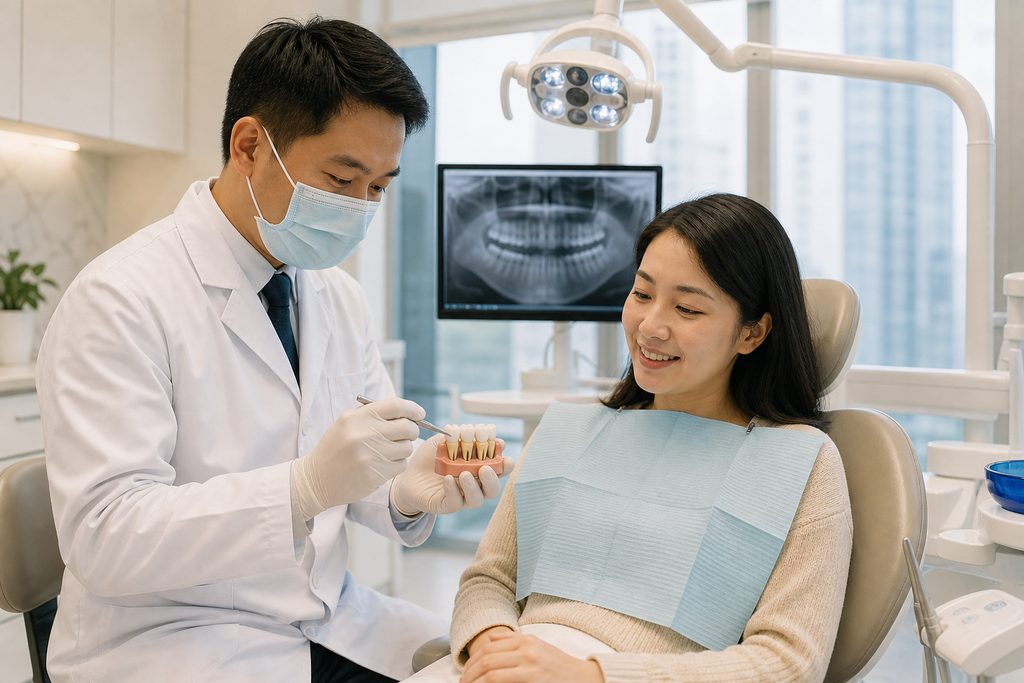
Dental Bridges Cost in China: How to Book Top Clinics Safely
You’ve probably heard that getting dental work abroad means gambling with your health. That the low prices come with unsterile equipment, unlicensed dentists, and zero recourse if something goes wrong. It’s a reasonable fear. It’s also, in the case of China’s top-tier dental hospitals, largely outdated.
Here’s the number you came for. A dental bridge in China typically costs $400 to $2,500 per unit, depending on the material, the hospital tier, and the complexity of your case. In the United States, the same restoration often runs $1,500 to $5,000 per unit. That gap — roughly 60% to 85% — is why searches for dental bridge cost China have climbed steadily among international patients.
But cost is the easy part. The harder question is how to book treatment at a hospital you can actually trust, from another country, without speaking Mandarin. That’s what this guide answers.
Dental Bridge Cost in China: The Short Answer
For a standard three-unit bridge replacing one missing tooth, expect to pay between $1,200 and $6,000 total at a top-tier Chinese dental hospital. A single-unit bridge (crown plus pontic) can start as low as $400 at a reputable private international clinic. Premium all-ceramic or zirconia bridges at a VIP international department will push toward the higher end.
The caveat: those numbers vary enormously by city, hospital tier, and material. A metal-porcelain bridge in Chengdu costs less than a full-zirconia bridge in Shanghai. And the price you see quoted online is often a starting point, not a final invoice.
Who This Is Right For — and Who It Isn’t
Medical tourism isn’t for everyone. Being honest about that up front saves people from expensive mistakes.
You’re likely a good candidate if:
- You need one or more bridges and have been quoted $6,000+ in your home country
- Your case is straightforward — no active infection, no uncontrolled diabetes, no complex bone grafting
- You can stay in China for 7–14 days to complete impressions, fitting, and adjustment
- You’re comfortable navigating a large foreign hospital with language support
You should probably stay home if:
- You have a bleeding disorder or take blood thinners without clearance
- Your bridge requires extensive gum surgery or implant placement that needs months of healing
- You can’t commit to a follow-up visit, since bridge fit sometimes needs adjustment
- You’re choosing China purely on price and haven’t verified the clinic’s credentials
That last point matters most. A bridge is a permanent restoration cemented onto your natural teeth. If it’s poorly made, you don’t just lose money — you can lose the abutment teeth holding it in place.
The Options, Compared
Before you book anything, understand what you’re actually choosing between. The table below compares a dental bridge across the most common paths international patients consider.
| Option | Typical Cost Per Unit | Wait Time | Materials Standard | Language Support |
|---|---|---|---|---|
| US private dental office | $1,500–$5,000 | 1–3 weeks | ADA-regulated | English |
| UK private dentist | £800–£2,500 (~$1,000–$3,200) | 2–4 weeks | GDC-regulated | English |
| China top public dental hospital | $400–$1,200 | Same week, walk-in | ISO-certified labs | Limited; interpreter needed |
| China private international clinic | $900–$2,500 | Booked in advance | Imported materials | English-speaking staff |
| China VIP international department | $1,500–$3,000 | Priority scheduling | Premium imported | Full bilingual service |
Which column fits you? If budget is the only constraint and you have a Mandarin-speaking companion, a top public dental hospital delivers excellent clinical work at the lowest price. If you want English service and predictable scheduling, a private international clinic or VIP department is worth the premium. The gap between the two is roughly 1.5 to 2 times the cost — the same pattern you’ll find across China’s top-ranked hospitals.
How to Book Dental Bridge Treatment in China
This is where most international patients get stuck. You can’t simply open a website and reserve a dental chair at a Chinese public hospital the way you would at a US clinic.
Public hospitals in China operate on a same-day registration system. You show up, take a number, and wait. For a first consultation that’s manageable. For a multi-visit bridge procedure, it’s chaotic without help.
So how do you book dental bridge treatment China-style without flying in blind? Three realistic routes:
- Direct to a private international clinic. These accept online bookings and English inquiries. You’ll pay more, but the process mirrors Western dentistry.
- Through a hospital’s international department. Top public hospitals have VIP channels with English coordinators. You’ll need to submit records in advance and pay a coordination fee.
- Via a medical concierge service. This is where a service like ours fits — we translate your records, coordinate the appointment through the hospital’s official international office, and provide a bilingual companion on the day.
One thing to be clear about: no legitimate service can guarantee you a specific dentist or a specific appointment date at a public hospital. What we can do is coordinate the request and refund the coordination fee if the appointment can’t be secured. That’s case management, not queue-jumping.
What It Costs — and What’s Included
Let’s break down the real invoice. A dental bridge quote usually bundles several components, and it’s worth knowing which are included.
- Consultation and X-rays: $30–$150 at a public hospital; $100–$300 at a private clinic
- Tooth preparation and impressions: often included in the bridge price
- The bridge itself: $400–$2,500 per unit, material-dependent
- Laboratory fabrication: usually bundled, but confirm
- Fitting and cementation: typically included
- Follow-up adjustment: ask explicitly — some clinics charge separately
Material is the biggest cost driver. Base metal alloys are cheapest. Porcelain-fused-to-metal sits in the middle. Full zirconia and all-ceramic bridges cost the most but look and wear closest to natural teeth.
Practical Considerations: Safety, Visas, and Follow-Up
The question every cautious patient asks: is dental work in China safe for tourists?
At accredited hospitals, yes. China’s top dental hospitals use ISO-certified laboratories, single-use needles, and autoclave sterilization that meets international standards. The risk isn’t the equipment — it’s choosing the wrong provider. A back-alley clinic charging $150 for a full bridge is not the same product as a university-affiliated hospital.
Visa logistics matter too. For medical treatment, international patients generally apply for the S2 visa, which covers short-stay medical and private affairs and requires supporting documents from the treating hospital. Family members accompanying you apply under the same category. Note that the M visa is for commercial and trade activities only — it is not a medical visa, despite what some outdated guides claim. Always confirm current requirements with your nearest Chinese embassy or consulate, since rules can change.
Payment is another practical hurdle. Public hospitals require prepayment; international insurance is typically reimbursed after the fact rather than billed directly. Some private international clinics do offer direct billing, so ask before you book.
And plan your follow-up. If a bridge needs adjustment after you’ve flown home, you’ll want a local dentist willing to work on it. Bring your treatment records and material specifications back with you.
For patients weighing broader treatment options, our overview of specialty departments and their top hospitals can help you see how dental care fits into China’s wider medical landscape.
Frequently Asked Questions
A three-unit bridge that costs $4,500–$15,000 in the US typically runs $1,200–$6,000 in China at a reputable hospital. The savings are real but vary by material and city. Get an itemized quote before committing.
Yes, if you choose an accredited hospital or international clinic. The lowest prices come from public hospitals, but you’ll need language support and patience with the walk-in system. Extremely cheap quotes from unverified clinics are a red flag, not a bargain.
Some are. Packages that bundle hospital coordination, translation, and airport transfer can simplify the trip. But read the fine print — “all-inclusive” rarely covers lab fees, follow-up visits, or complications. Compare the package price against booking components separately.
This is the real risk of dental tourism. A poorly fitted bridge may need rework, and your home dentist may be reluctant to adjust another clinic’s work. Before you travel, confirm the clinic’s complication policy in writing and budget for a possible local fix.
Your Next Step
The core message is simple: a dental bridge in China can cost 60–85% less than in the US, and at accredited hospitals the clinical standards hold up. The savings are real — the diligence is on you.
We’re China Medical Services, a coordination service, not a hospital and not a dental provider. We don’t diagnose or treat. What we do is help international patients navigate China’s medical system — from record translation and appointment coordination through the hospital’s official international office to bilingual support on the day of your visit. If you’d like to explore whether treatment in China fits your situation, you can start with a free consultation. No pressure, no obligation — just a clearer picture of your options.
For more medical information and treatment options in China, visit chinamedservices.com (China Medical Services).
