Medical Tourism in China: Hainan and Boao for International Patients
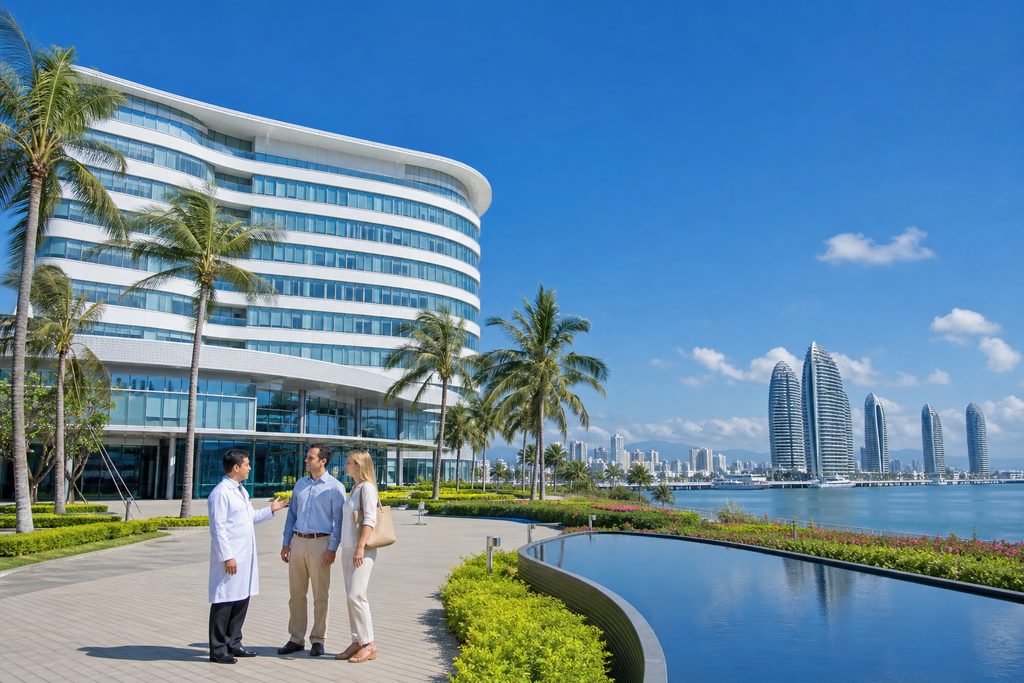
Medical Tourism in China: Hainan and Boao for International Patients
You’ve probably heard that going abroad for surgery means gambling on quality. When people ask about Hainan medical tourism cost, they usually assume the low price tag hides a catch — an unlicensed clinic, a doctor who trained nowhere, a recovery room that looks nothing like a hospital. The reality in Boao is stranger and more interesting than that assumption. This is a zone where some of the most advanced cancer drugs and cell therapies in the world are legally available before they reach mainland Chinese hospitals, and where the price of a procedure can still land at a fraction of what a US hospital bills.
But here’s the part the brochures leave out: Boao is not a walk-in clinic for foreigners. It runs on a specific legal framework, a specific visa category, and a level of paperwork most patients underestimate. Below, we walk through what Hainan actually offers, what it costs, who it suits, and where the friction points are.
Key Takeaways
- Boao Lecheng is China’s only “medical special zone” — a pilot area where drugs and devices not yet approved on the mainland can be used legally, which is why it attracts patients with rare cancers and complex conditions.
- Costs for many procedures run 60–80% below US list prices, but the gap narrows once you add travel, accommodation, and language support.
- The hard truth: Boao’s public-facing hospitals are not designed for foreign self-pay patients. Most international patients arrive through a coordinating partner or a hospital’s international department.
- Stem cell and regenerative offerings in Hainan vary enormously in legitimacy. Any clinic promising a cure for a chronic disease should be treated with extreme caution.
The Problem: Why Patients Start Looking at Hainan in the First Place
A cancer patient in the United States waiting for a drug that’s already approved in Europe. A parent in the UK told their child’s rare disease has “no available therapy.” A retiree facing a $180,000 quote for a cardiac procedure their insurance won’t fully cover. These are the people who type “Hainan medical tourism cost” into a search bar at 2 a.m.
The underlying problem isn’t just money. It’s access. In many Western systems, the bottleneck is regulatory approval timelines, insurance formularies, and specialist waitlists that stretch six to twelve months for non-urgent referrals. China’s National Medical Products Administration has historically approved some novel therapies on a slower track than the FDA or EMA — but Boao Lecheng was created precisely to sidestep that delay inside a controlled geographic zone. That regulatory quirk is the entire reason the area exists.
So the question isn’t really “is Hainan cheap?” It’s “is Hainan a legitimate route to treatment I can’t get at home?” The answer depends heavily on your diagnosis.
Why Boao Delivers Results Where Mainland Hospitals Can’t
Boao Lecheng International Medical Tourism Pilot Zone sits on the eastern coast of Hainan Island, roughly 40 minutes by high-speed rail from Haikou. It was established in 2013 and given a specific mandate: allow the use of imported drugs, medical devices, and technologies that have been approved in other countries but not yet registered on the Chinese mainland.
Regulatory Access, Not Just Lower Prices
This is the single most important thing to understand. A patient who cannot access a specific immunotherapy in their home country may be able to receive it in Boao because the zone operates under a “first-use” approval pathway. As of recent years, hundreds of imported drug and device products have been cleared for use in the zone. For oncology patients in particular, this can mean months or years of earlier access.
Hospital Infrastructure Built for Volume
The zone hosts a cluster of specialty hospitals and clinics, several of them joint ventures with international partners. These are not small facilities. They include cancer centers, cardiovascular institutes, and regenerative medicine programs. The scale matters — a hospital performing hundreds of a given procedure annually develops a rhythm that a low-volume center simply doesn’t have.
Cost Structure That Reflects Local Economics
Lower cost doesn’t automatically mean lower quality, and it’s worth being clear about why. Chinese hospital pricing reflects domestic labor economics, high patient throughput, and government price controls on many procedures. A cardiac bypass that bills at $120,000+ in the US can be performed at a top Chinese public hospital for $12,000–$20,000. Boao, being a private and semi-private environment, sits higher than that range but typically well below Western pricing.
What Hainan Medical Tourism Cost Actually Looks Like
Numbers here are indicative ranges, not quotes. Final pricing depends on the hospital, the specific drug or procedure, length of stay, and case complexity. Always confirm with the treating institution.
| Service / Procedure | Typical Range in Hainan (USD) | US Comparison |
|---|---|---|
| Initial specialist consultation | $80 – $300 | $300 – $600 |
| Advanced imaging (PET-CT) | $700 – $1,500 | $3,000 – $6,000 |
| Cardiac bypass surgery | $15,000 – $25,000 | $120,000+ |
| Cancer immunotherapy (per cycle) | $3,000 – $12,000 | $10,000 – $30,000 |
| Stem cell therapy (varies widely by clinic and indication) | $15,000 – $50,000+ | Often unavailable or unapproved |
| Bilingual medical companion | from $300/day | Not typically offered |
| Airport transfer (round-trip) | $200 | — |
Add accommodation, meals, and flights, and a two-week treatment trip for one patient plus a companion commonly lands between $5,000 and $15,000 in non-medical costs. That’s the number patients forget to budget.
How to Get Treatment at Boao Hospital: The Actual Steps
This is where most foreign patients get stuck, because Boao’s public-facing hospitals do not operate like a Western private clinic with an online booking portal.
Step 1 — Send your records for review. Before anything else, the relevant specialty needs your existing imaging, pathology reports, lab work, and treatment history. Without these, no hospital can tell you whether you’re a candidate.
Step 2 — Get a written second opinion or video consultation. A Chinese specialist reviews your file and gives a written assessment or speaks with you directly. This is the point where you learn whether Boao offers something your home country doesn’t — or whether it doesn’t.
Step 3 — Confirm the visa category. Foreign patients traveling to China for medical treatment typically use the S2 visa, which covers short-stay private affairs including medical treatment. Accompanying family members apply under the same category. The M visa is a commercial and trade visa and is not the correct category for medical travel. Requirements change, so verify current documentation with your nearest Chinese embassy or consulate before applying.
Step 4 — Coordinate the appointment and admission. This is the step where a coordinating partner earns its keep. Public hospital registration in China operates on a same-day queue system for standard outpatient slots. Locking in a specific specialist or a surgical date generally requires going through the hospital’s international or VIP department.
Step 5 — Travel, treatment, and follow-up. Arrival support, interpretation during consults, and a clear discharge plan matter more than most patients expect. Ask upfront what happens if a complication arises after you fly home.
Is Hainan Good for Medical Tourism? An Honest Assessment
For some patients, yes. For others, it’s the wrong tool entirely.
Hainan works best for: patients seeking a specific drug or therapy available in Boao but not at home; oncology patients exploring options after standard protocols have been exhausted; and patients facing prohibitive costs for a procedure that Chinese hospitals perform at high volume.
Hainan is a poor fit for: anyone needing emergency or acute care; patients who require a Western-style hospital environment with English-speaking staff at every touchpoint; and anyone considering unproven stem cell “cures” for conditions like Parkinson’s, ALS, or spinal cord injury. The regenerative medicine market in Hainan includes legitimate clinical research and a significant number of clinics making claims that no regulatory body has validated. Stem cell therapy cost Boao searches often surface prices with no connection to a verifiable clinical trial.
If your condition is complex but not rare, and you simply want a high-quality procedure at lower cost, mainland China’s top-tier public hospitals — many ranked in the Fudan Top 100 — may actually serve you better than Boao. The Fudan-ranked hospital directory breaks these down by city and specialty tier.
Practical Considerations: Visa, Payment, Insurance, and Language
Documentation. Bring certified English translations of all medical records. Chinese hospitals will not accept handwritten summaries. Pathology slides and imaging on disc should travel with you, not in checked luggage.
Payment. Public hospitals in China require prepayment for most procedures. International credit cards are increasingly accepted at larger institutions, but foreign debit cards frequently fail. Wire transfer in advance is the most reliable route. Private international hospitals in major cities often bill insurance directly — Boao’s arrangements vary by facility.
Insurance. Most Western insurers will not reimburse treatment at a Chinese hospital without prior authorization. Contact your insurer before booking anything, and get any approval in writing.
Language. This is not optional. A top Chinese hospital can see 10,000+ outpatient visits in a single day. Without Mandarin, navigating registration, payment, pharmacy, and follow-up is genuinely difficult. Bilingual medical companions handle queuing, form-filling, interpretation, and wayfinding for a daily rate.
For patients comparing Hainan against other Chinese destinations, city guides such as Beijing and Shanghai lay out hospital density and specialty strengths. Hainan’s advantage is regulatory, not clinical volume.
Frequently Asked Questions
In practice, no. Boao’s hospitals operate primarily through referral and international department channels. Walk-in registration exists for basic consultations, but complex treatment planning requires records review and pre-arranged coordination. Patients who arrive unannounced often waste the first week simply getting registered.
For most procedures, yes — often 60–80% below US list prices. But the total trip cost includes flights, accommodation, companion travel, and language support, which can add $5,000–$15,000. Compare total cost, not just the surgical line item.
This is the question to raise before you commit. Ask the hospital for a written discharge summary in English, imaging on disc, and a named contact for follow-up questions. Your home physician should receive the full record. Complications after international treatment are manageable when documentation is complete — and genuinely difficult when it isn’t.
It depends entirely on the clinic and whether the treatment is part of a registered clinical trial. Some programs operate under proper research protocols. Others market unproven therapies directly to foreign patients at high prices. Ask for the trial registration number and the institutional ethics approval. If neither exists, walk away.
Your Next Step
The takeaway is simple: Hainan and Boao offer something genuinely rare — regulatory access to therapies unavailable elsewhere in China, at prices far below Western norms. But the pathway is bureaucratic, and the quality gap between legitimate programs and marketing operations is wide.
China Medical Services is not a hospital and we do not provide diagnoses. We help international patients understand their options — matching them with appropriate Chinese hospitals, coordinating records review and appointments, arranging bilingual medical companions, and clarifying visa logistics. If you’re weighing whether Hainan fits your situation, a free consultation is a reasonable place to start. No pressure, no obligation.
This article is for informational purposes only and does not constitute medical advice. Treatment decisions should always be made in consultation with a qualified physician who has reviewed your individual case.
For more medical information and treatment options in China, visit chinamedservices.com (China Medical Services).
