Jaw Surgery in China: How to Arrange It, Costs, and Recovery
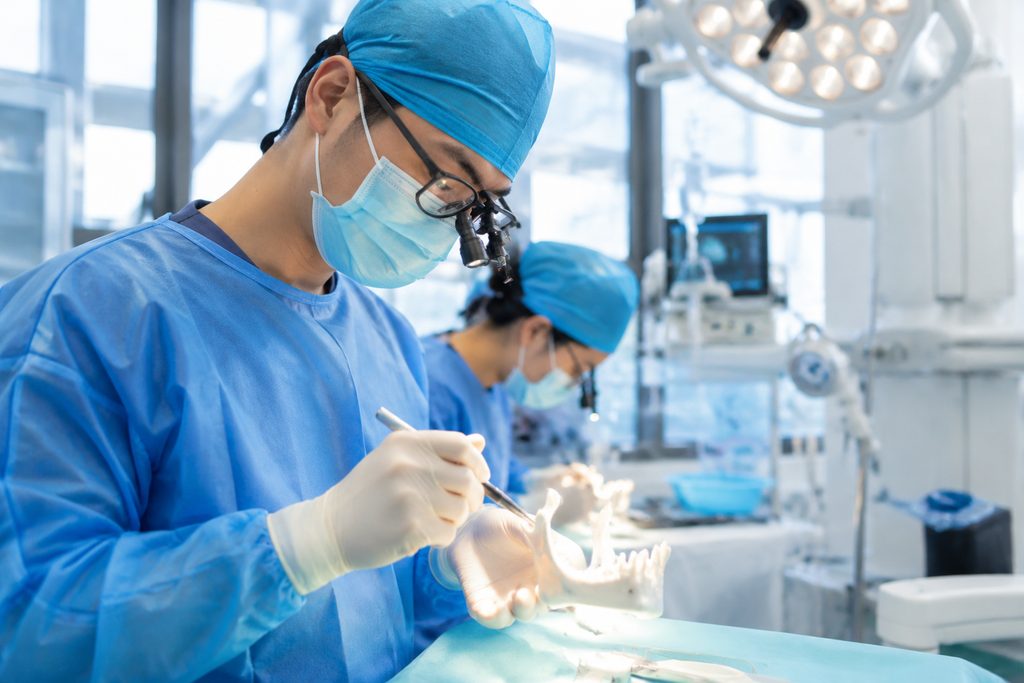
Jaw Surgery in China: How to Arrange It, Costs, and Recovery
When 29-year-old Sarah from Melbourne started researching corrective jaw surgery, she wasn’t looking for a discount. She was looking for a surgeon who had performed the procedure thousands of times, a hospital that could handle complex orthognathic cases, and a total jaw surgery cost in China that wouldn’t require a second mortgage. Her orthodontist back home had quoted her AUD 85,000 for the combined orthodontic and surgical plan. A colleague mentioned that China’s top teaching hospitals handle these cases at a fraction of that figure. Sarah didn’t know where to start — or whether the quality would hold up.
That’s the exact position most international patients are in. The information exists, but it’s scattered across hospital websites in Chinese, outdated forum posts, and agencies that promise more than they can deliver. This guide walks through the real process: what orthognathic surgery involves, how to arrange it from abroad, what it costs, and how to recover safely.
How This Actually Works, Step by Step
Arranging jaw surgery in China is not like booking a hotel. There is no online checkout. The process is staged, and each stage depends on the one before it.
Step 1: Gather your records. You’ll need a recent panoramic X-ray, lateral cephalometric X-ray, dental models or intraoral scans, photos of your bite from multiple angles, and any orthodontic treatment history. If you’ve already seen a maxillofacial surgeon or orthodontist, their clinical notes help. These documents get translated into Chinese by a medical translation service — a step people forget, and it adds roughly 3–7 days.
Step 2: Written second opinion. Your records go to the international department of a hospital with a strong oral and maxillofacial surgery (OMFS) department. A senior specialist reviews them and returns a written analysis: whether surgery is indicated, what type (single jaw vs. double jaw, Le Fort I, bilateral sagittal split osteotomy, genioplasty), and roughly what the treatment plan would look like. This is not a diagnosis. It’s a direction.
Step 3: Video consultation. If the written opinion suggests you’re a candidate, you speak directly with the surgical team online. You explain your functional concerns — chewing, breathing, sleep, jaw pain — and your aesthetic goals. They explain what’s realistic. This is where you ask the hard questions.
Step 4: In-person consultation and planning. Surgery cannot be scheduled from overseas in a Chinese public hospital. You must be examined in person first. This is a firm rule. The in-person visit includes clinical examination, possibly new imaging, and a final surgical plan. Only then is a date set.
Step 5: Surgery and hospital stay. Orthognathic surgery typically requires 3–7 days in hospital, depending on the complexity and whether it’s a single or double jaw procedure. You’ll be on a soft diet, and swelling peaks around day 3.
Step 6: Recovery and follow-up. Most patients stay in China for 2–3 weeks after surgery before flying home. Follow-up imaging and stitch removal happen within that window. Your home orthodontist then takes over the finishing alignment.
What Does Jaw Surgery Cost in China?
Plan for 3–4 weeks total. That includes 1–3 days for consultation and pre-op preparation, 3–7 days in hospital, and 2–3 weeks of post-operative follow-up before you’re cleared to fly. Some patients stay longer if swelling or healing is slower than expected.
In experienced, high-volume centers, yes — the safety profile is comparable to Western teaching hospitals. The risks are the same: nerve injury, infection, relapse, and aesthetic dissatisfaction. The difference is the system around the surgery. Language barriers, unfamiliar payment processes, and limited recourse if something goes wrong are real considerations. Choosing a hospital with a strong international department and arranging a bilingual companion mitigates most of these risks.
Swelling peaks at 3–5 days and subsides significantly by week 3. Soft diet for 4–6 weeks. Most people return to work or school after 3–4 weeks, though numbness and minor swelling can persist for months. Full bone healing takes 3–6 months. Your orthodontist will guide the final alignment phase, which can take another 6–12 months.
Many orthognathic patients need 12–18 months of pre-surgical orthodontics to align the teeth before the jaws are repositioned. You can often do this with your local orthodontist and coordinate with the Chinese surgical team remotely. Some patients choose to do the entire treatment in China, which requires a longer stay or multiple trips.
Your Next Step
Jaw surgery in China is not a shortcut. It’s a legitimate treatment path with world-class surgical teams, transparent pricing, and a process that rewards preparation. The patients who do well are the ones who gather records early, ask hard questions during the video consultation, and plan for recovery time — not just surgery day.
At China Medical Services, we help international patients navigate this system. We are not doctors, and we don’t provide medical advice. What we do is connect you with the right hospital department, coordinate written second opinions and video consultations, assist with appointment scheduling and visa documentation, and arrange bilingual medical companions who stay with you through registration, payment, and follow-up. We don’t promise a specific surgeon or a guaranteed date — no one can. We do promise to tell you honestly what’s possible.
If you’re considering orthognathic surgery and want to understand your options, start with a conversation. No pressure, no obligation — just clear information about what arranging jaw surgery in China actually involves.
This article is for informational purposes only and does not constitute medical advice. Always consult a qualified healthcare provider before making treatment decisions. Costs and timelines vary by hospital and case complexity.
Frequently Asked Questions
Yes. The hospitals used for international patients are JCI-accredited and follow the same international safety standards as top hospitals in the US and Europe. Surgical teams perform high volumes of procedures — often more than their Western counterparts — which studies show leads to better outcomes.
Costs vary by procedure and hospital, but international patients typically save 40-80% compared to US prices — even when factoring in travel and accommodation. A consultation with our team will give you an exact, all-inclusive quote with no hidden fees.
Send us your existing medical reports to get started. We handle everything from hospital selection and appointment scheduling to visa assistance and post-operative recovery planning. Your medical records are reviewed by the specialist before you even book a flight.
For more medical information and treatment options in China, visit chinamedservices.com (China Medical Services).
